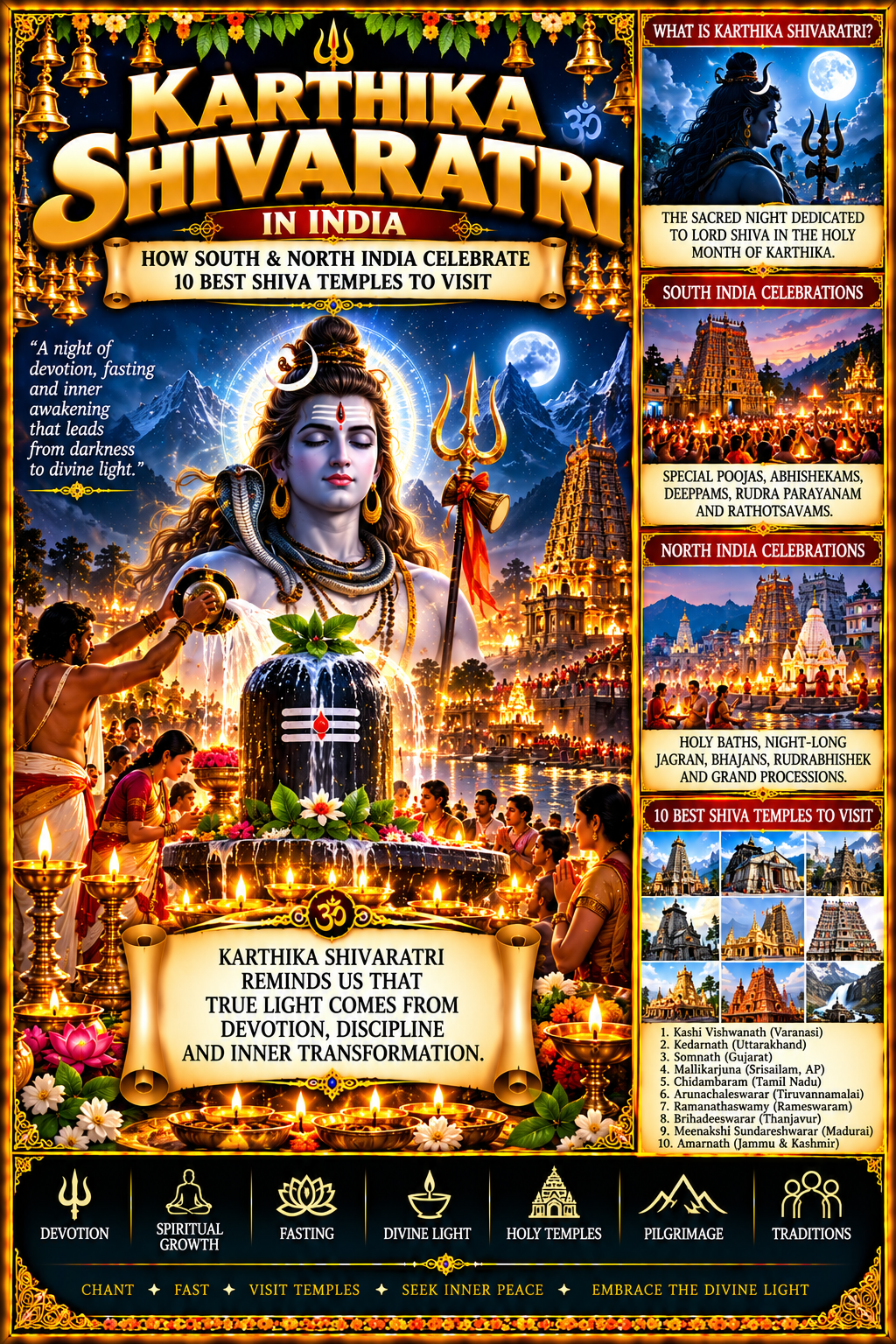
 How to Celebrate Karthika Shivaratri in South and North India: 10 Shiva Temples
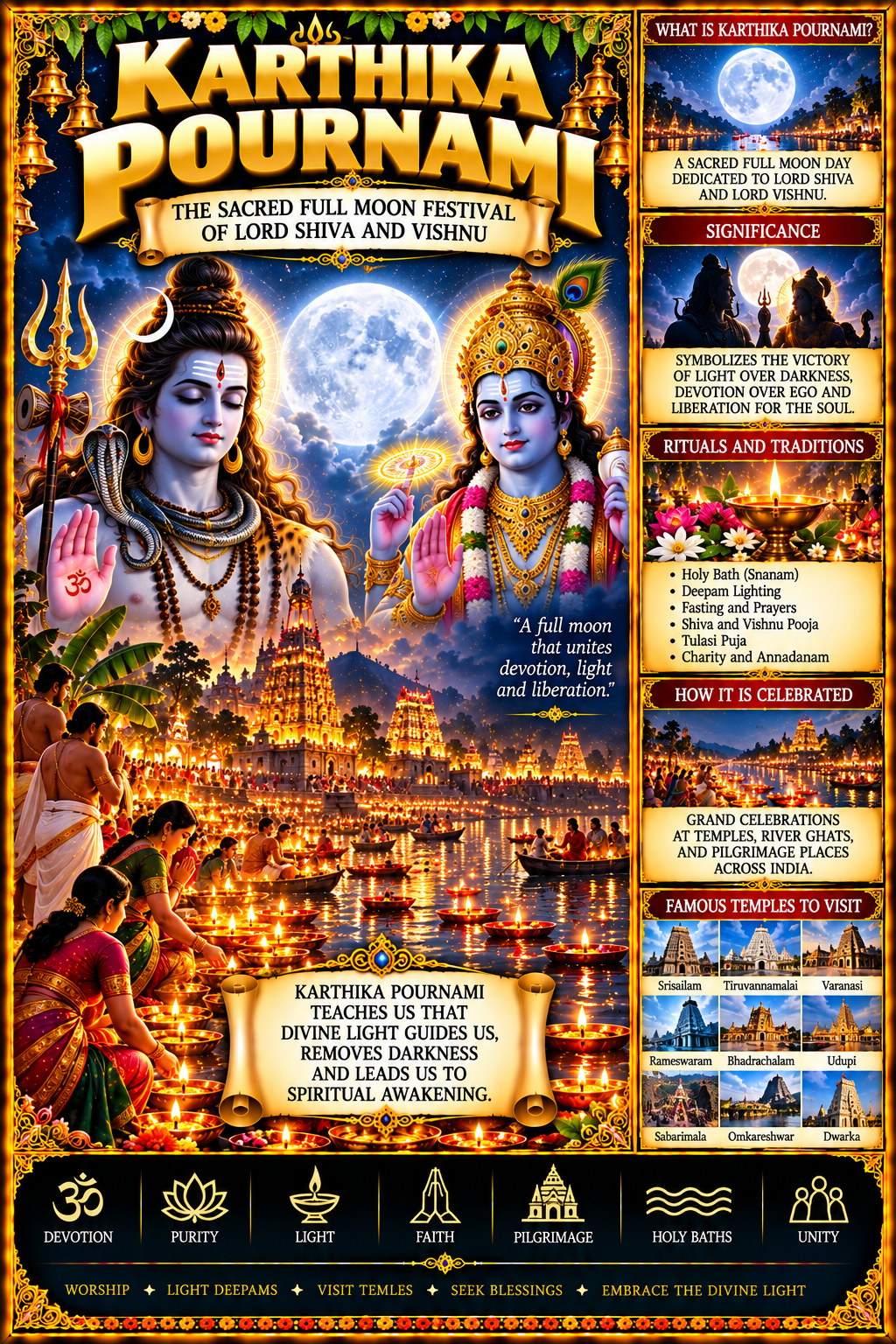 Karthika Pournami: The Sacred Full Moon Festival of Lord Shiva and Vishnu
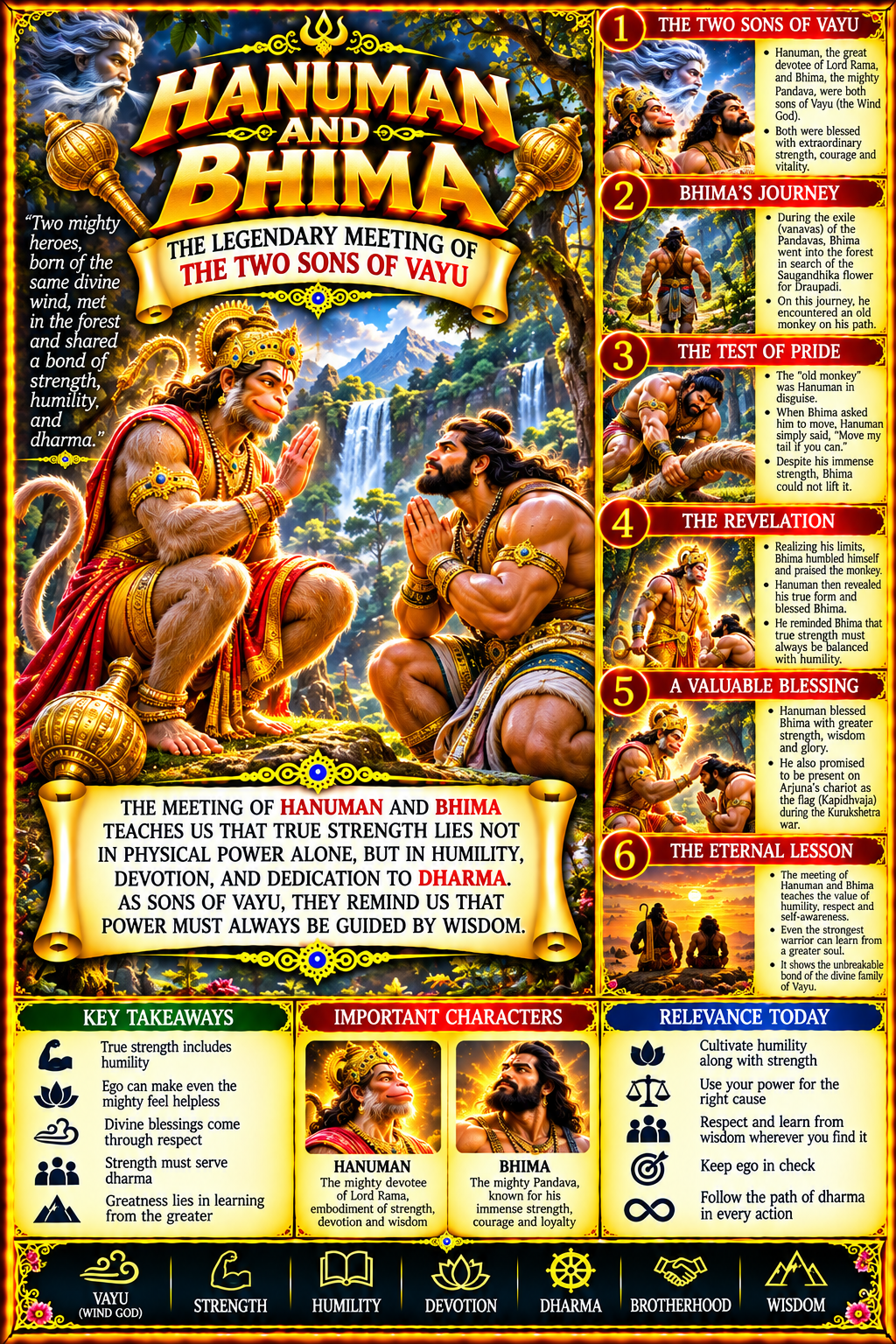 Hanuman and Bhima: The Legendary Meeting of the Two Sons of Vayu
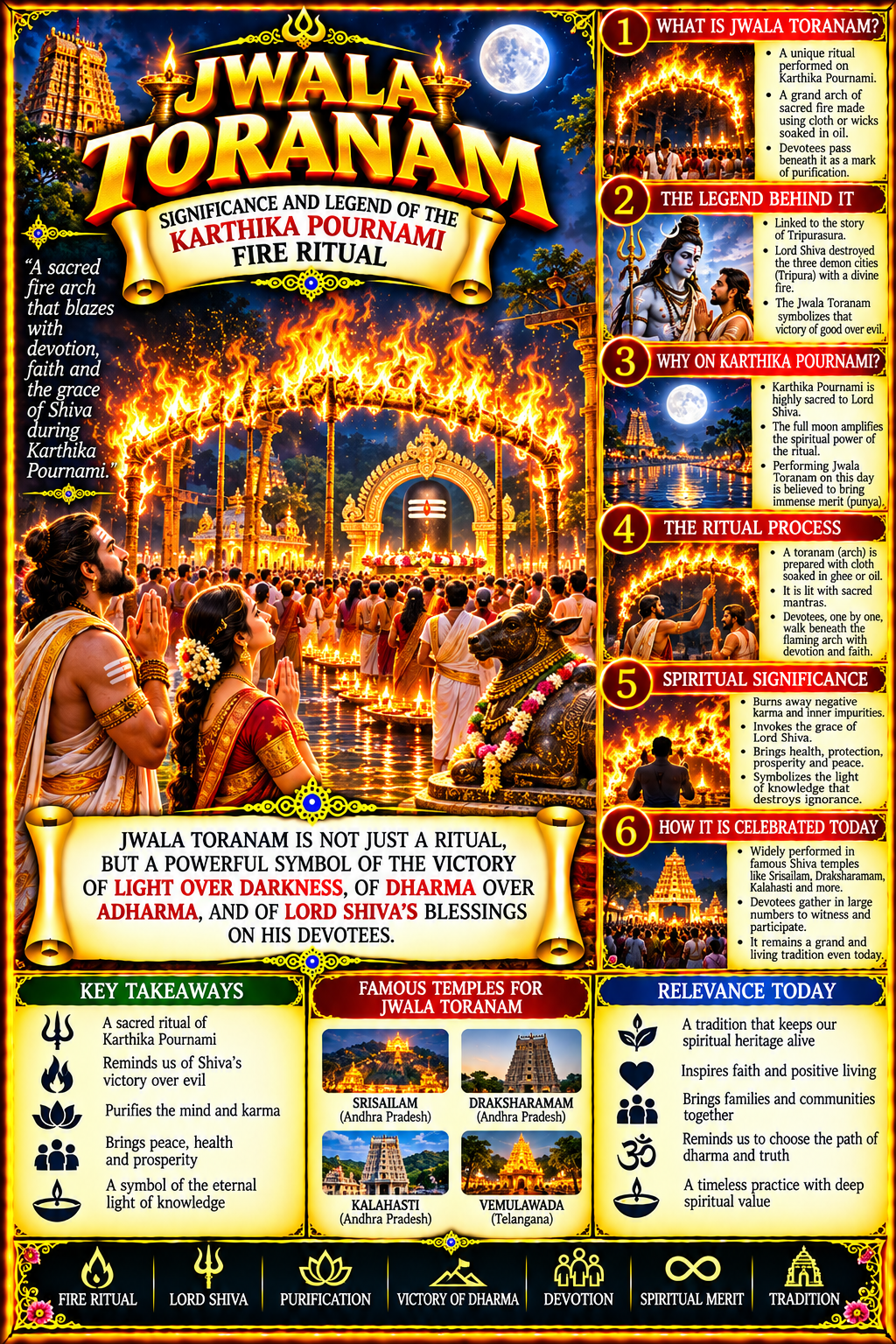 Jwala Toranam: Significance and Legend of the Karthika Pournami Fire Ritual
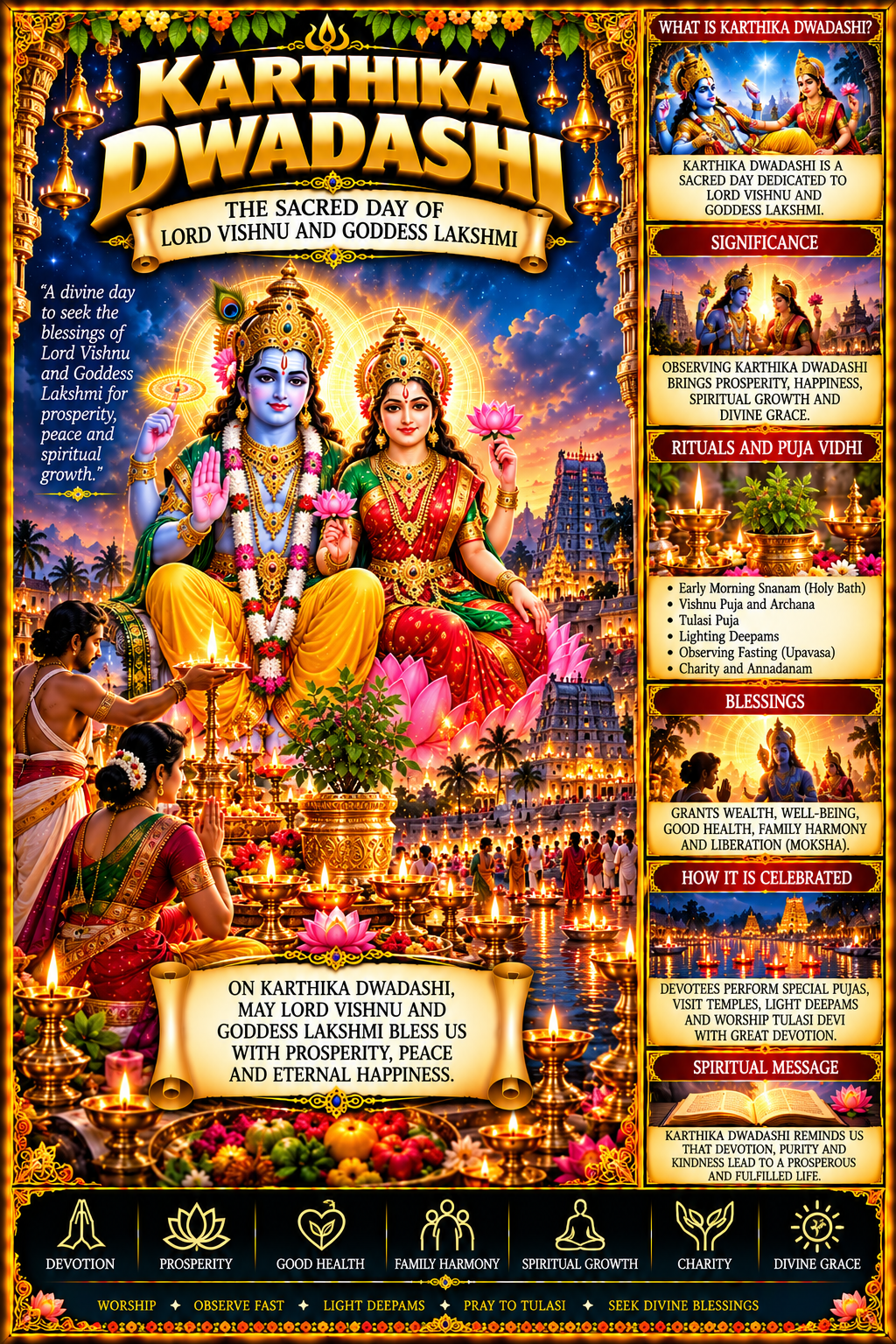 Karthika Dwadashi: The Sacred Day of Lord Vishnu and Goddess Lakshmi
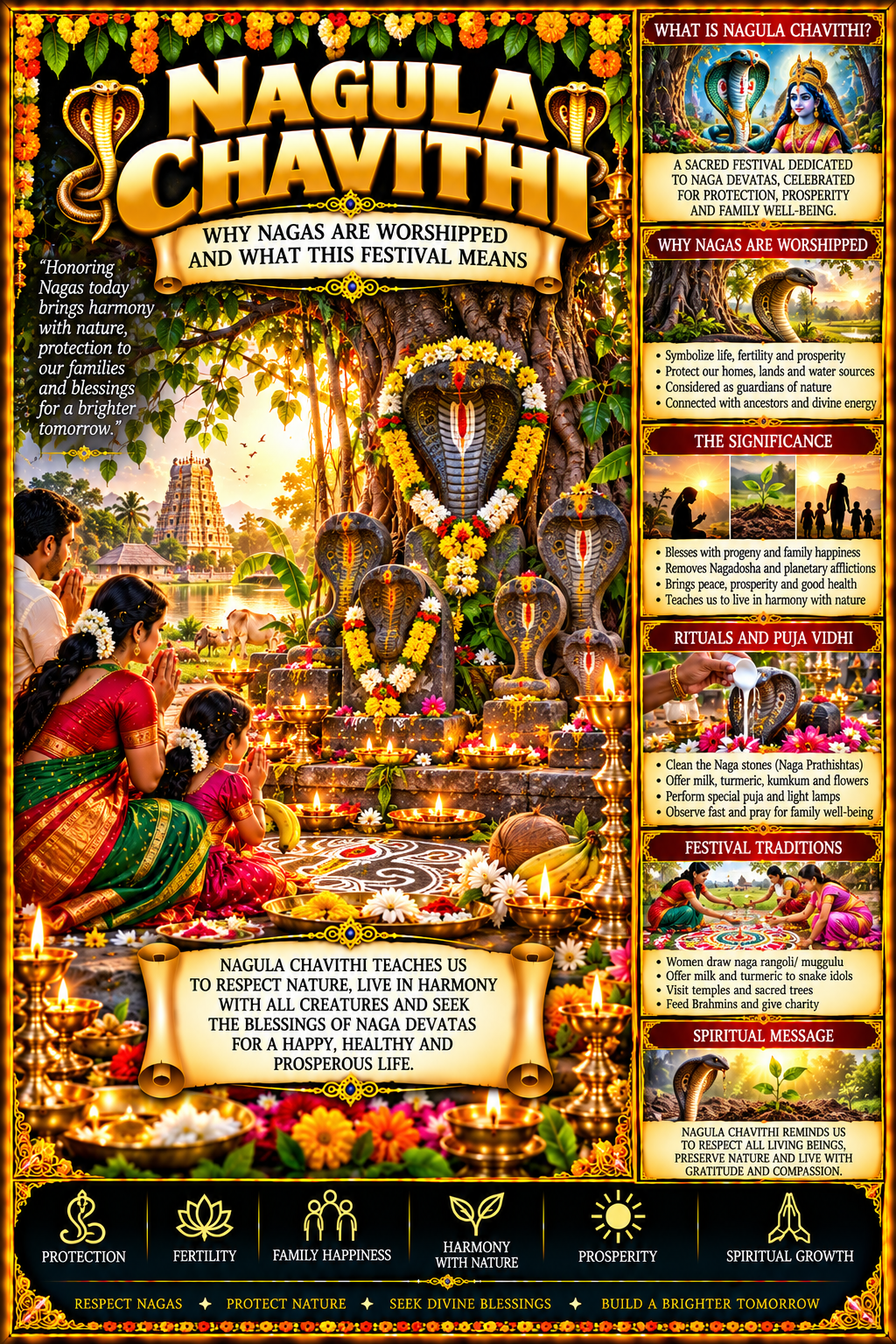 Nagula Chavithi: Why Nagas Are Worshipped and What This Festival Means
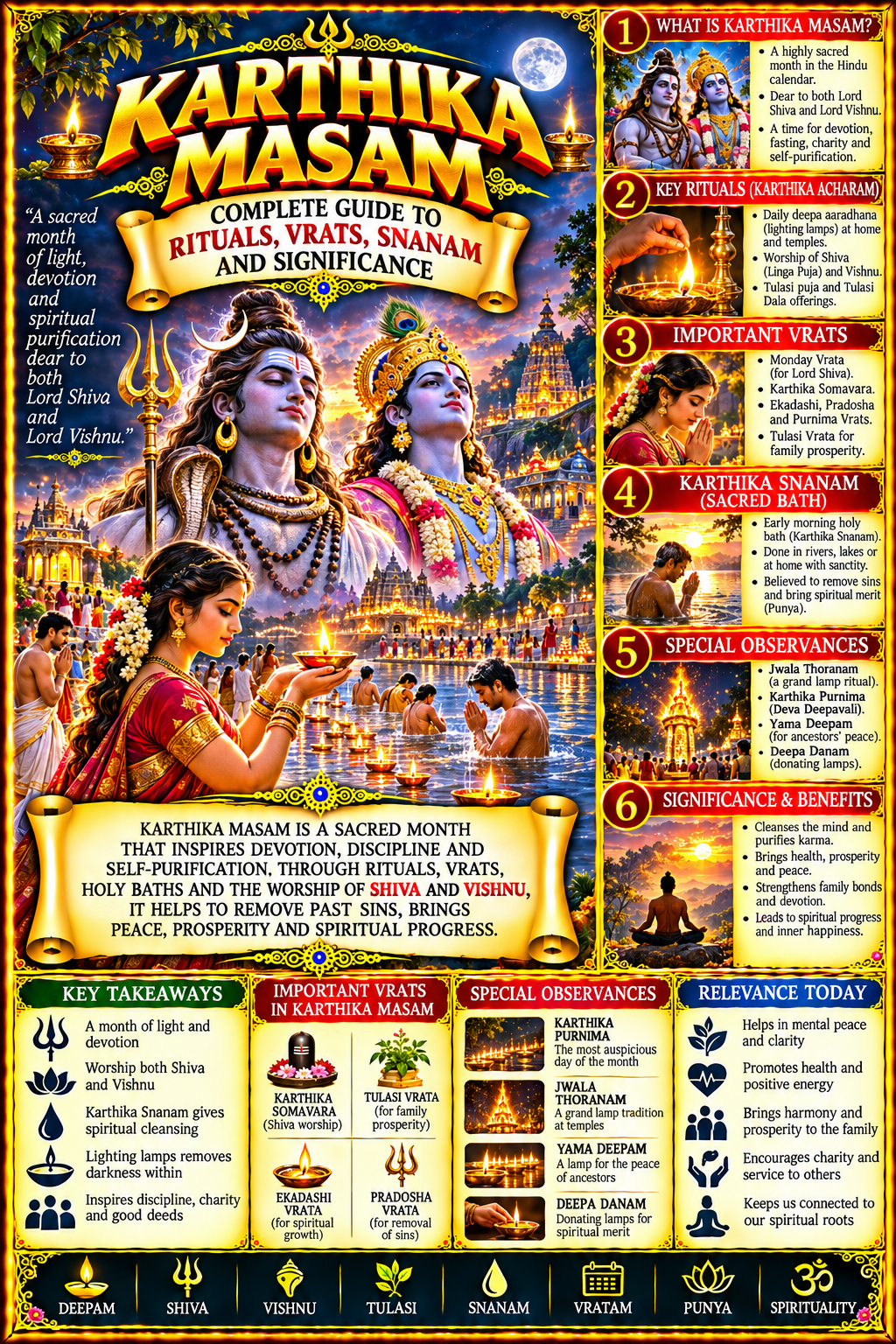 Karthika Masam: Complete Guide to Rituals, Vrats, Snanam and Significance
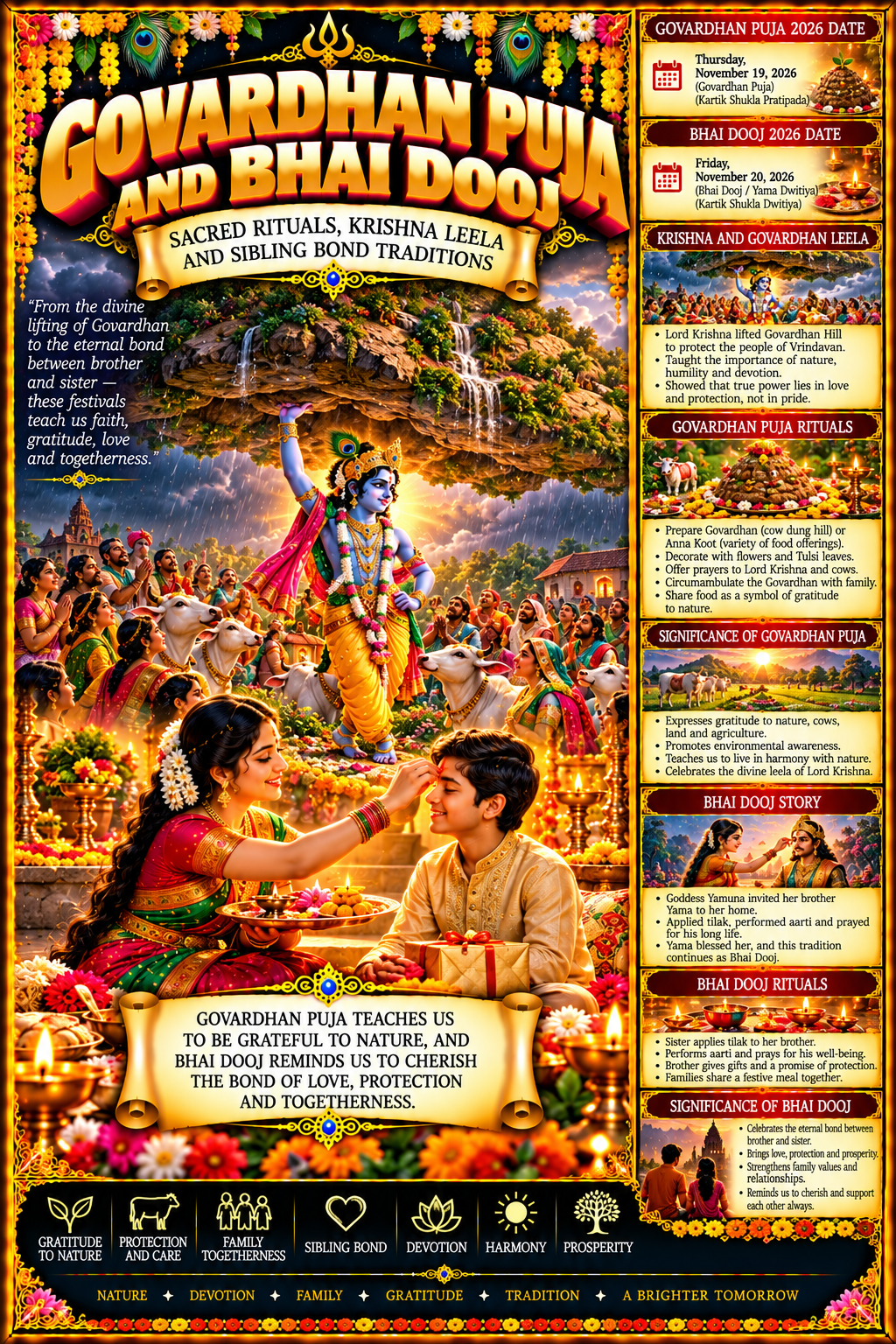
 Yama Vidiya 2026: Story of Yama & Yamuna | Bhai Dooj Significance and Rituals
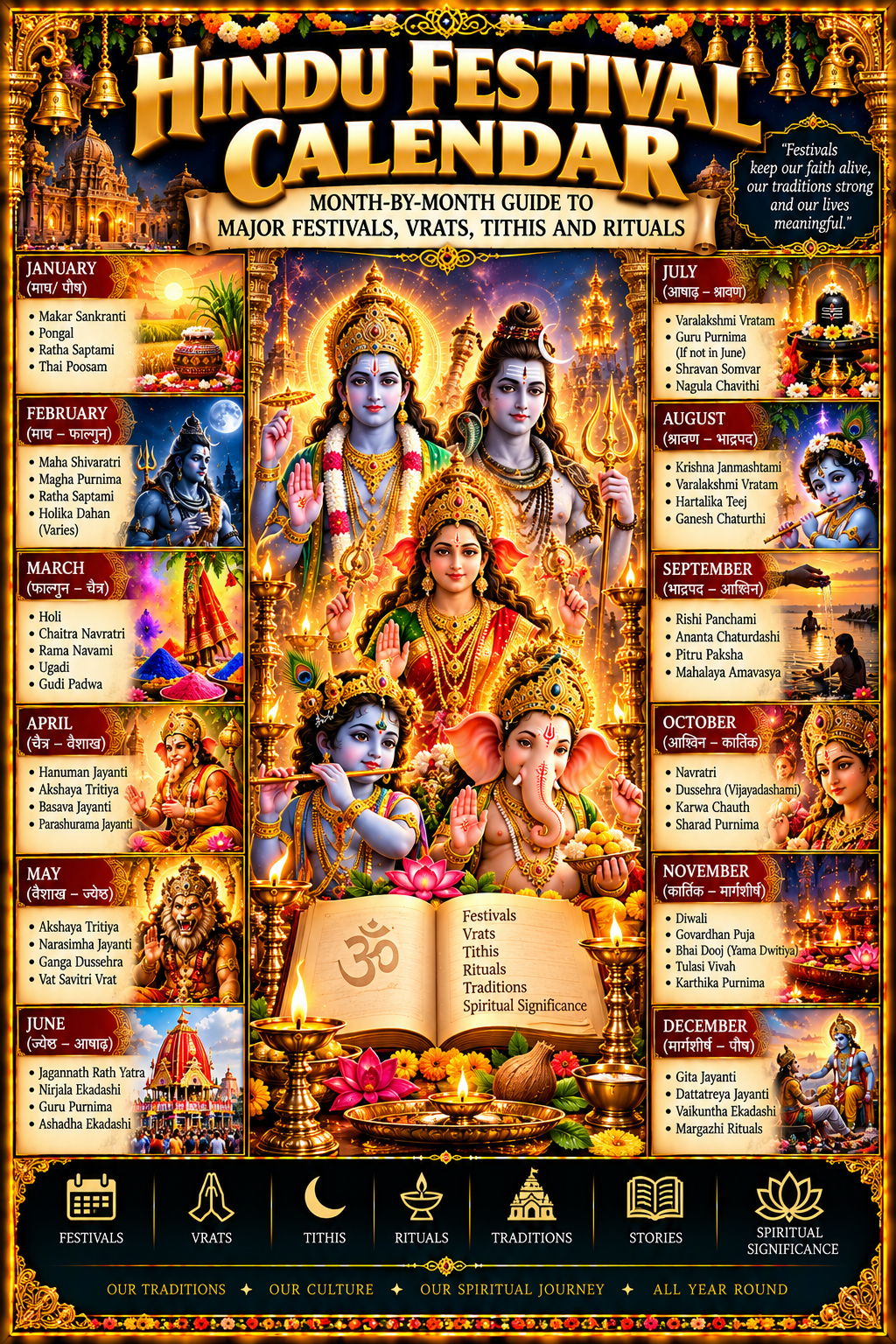
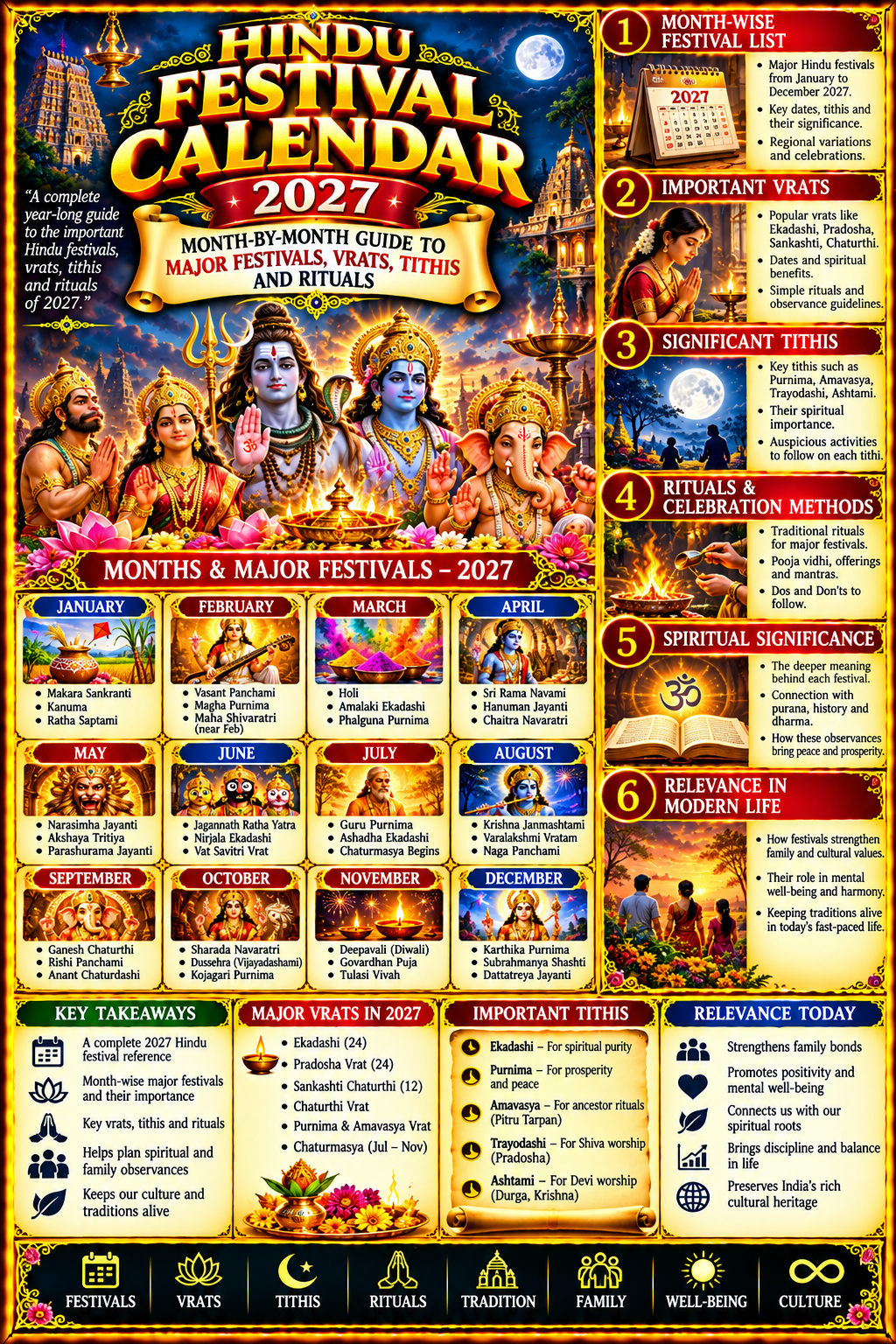 Hindu Festival Calendar: Month-by-Month Guide to Major Festivals, Vrats, Tithis and Rituals 2027
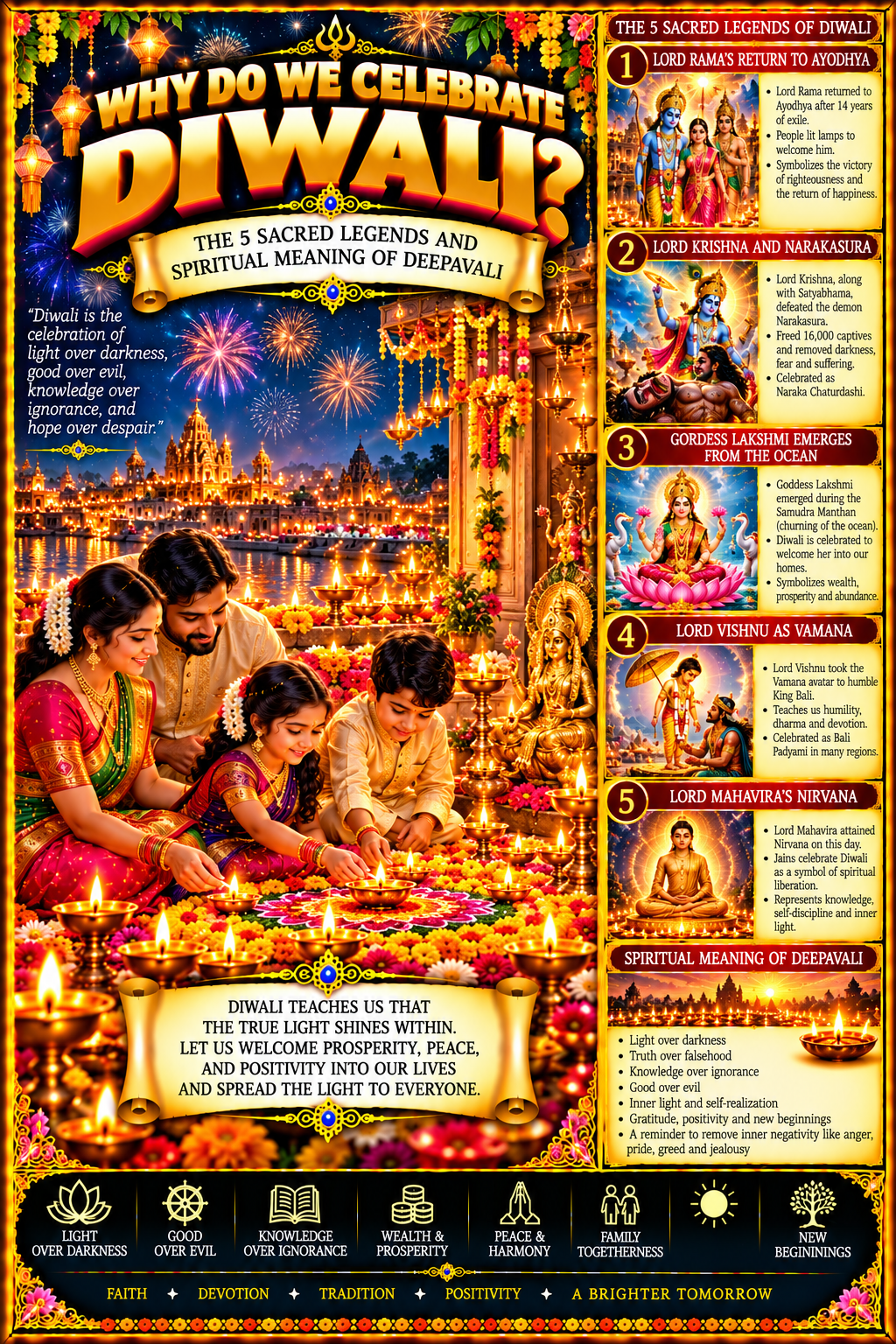
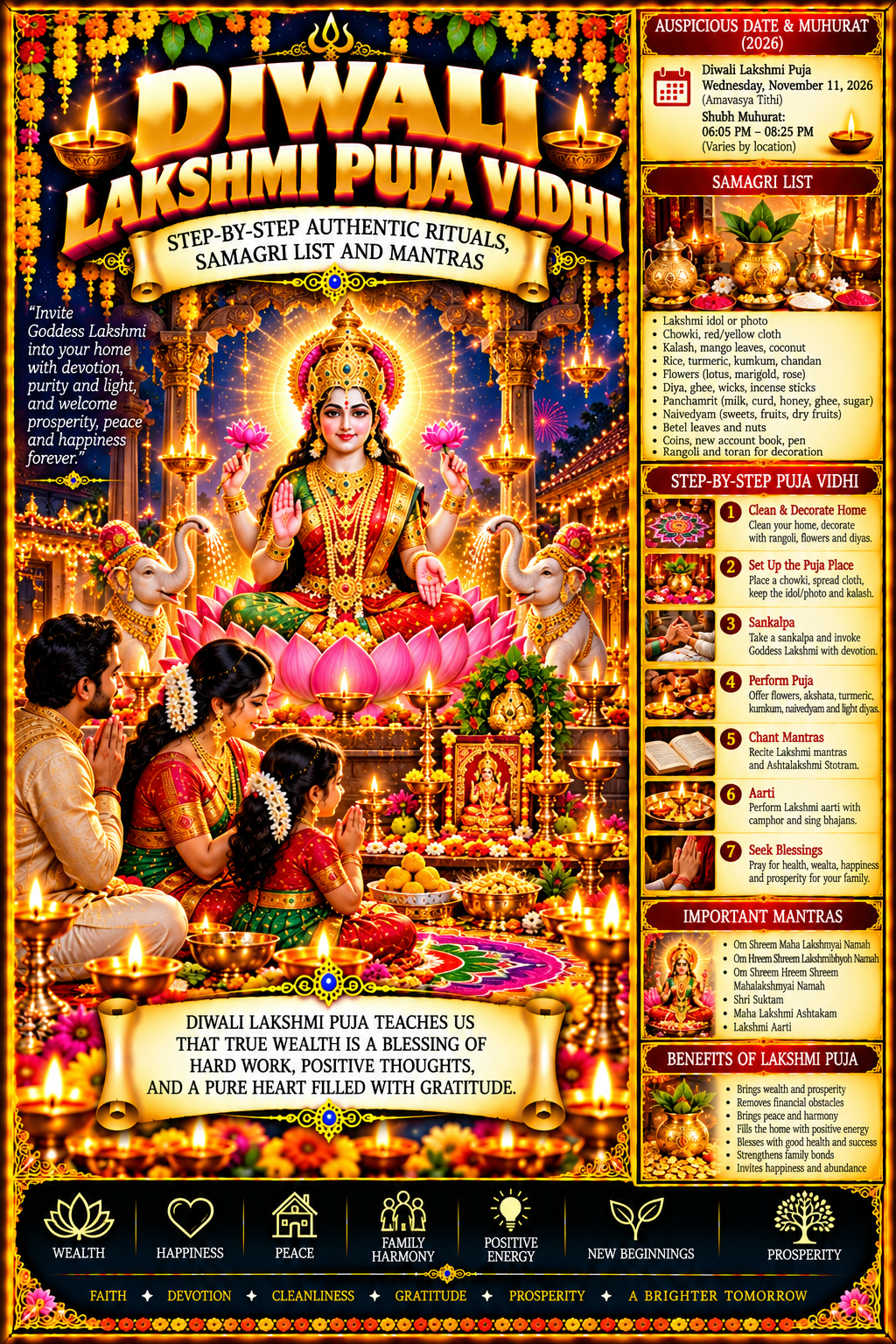
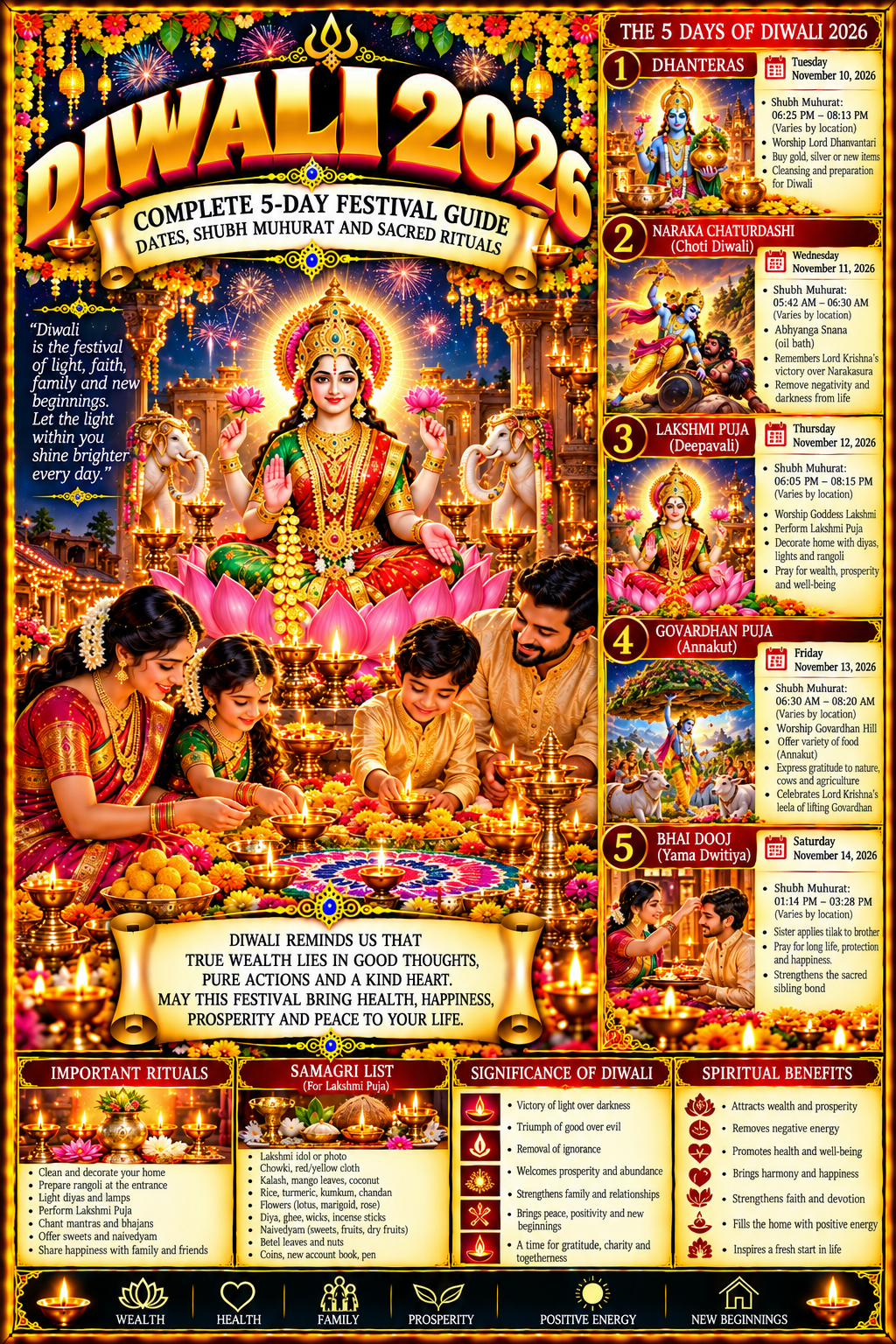 Diwali 2026: Complete 5-Day Festival Guide, Dates, Shubh Muhurat and Sacred Rituals





Raja Ratnam
- Mahabharatam , Mythology
- January 27, 2026
- 847 views
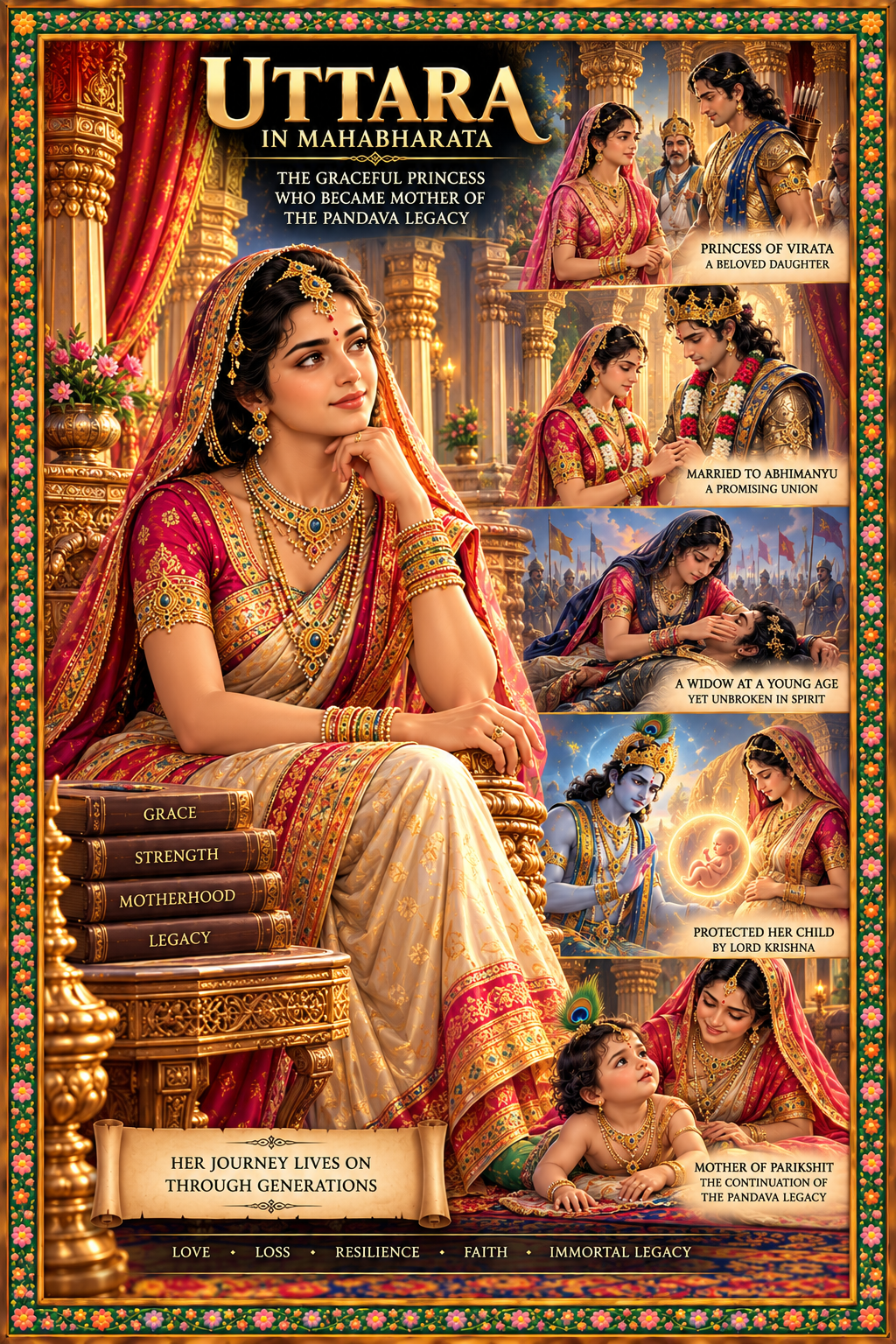
Uttara in Mahabharata: The Princess of Matsya, Arjuna’s Discipleship & Royal Matsya Wedding
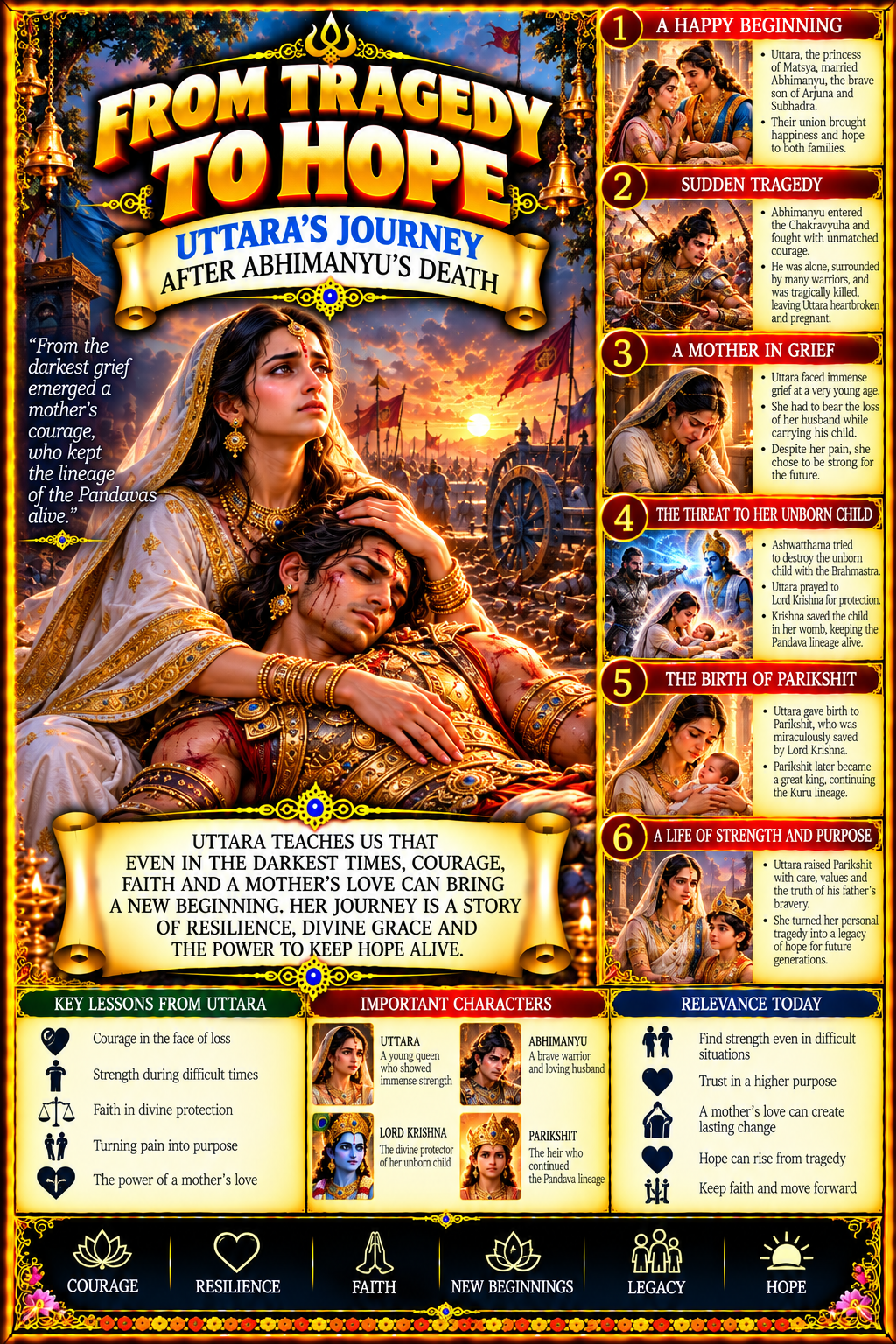
In the royal palace of King Virata, young princess Uttara grew up surrounded by music, classical dance, and kingdom festivities. Learning about Uttara in Mahabharata during her youth in the Matsya Kingdom highlights a gentle, cultured princess whose life intersected with the greatest heroes of the epic during the Pandavas’ year of disguise (Agyatvas). While her post-war resilience is chronicled in our story of Uttara’s journey after Abhimanyu’s death, this chronicle explores her Matsya childhood, her discipleship under Arjuna, and the royal alliance that reshaped the Kuru dynasty. Childhood in the Matsya Kingdom: Daughter of King Virata Princess Uttara was the cherished daughter of King Virata and Queen Sudeshna, rulers of the Matsya Kingdom with its capital at Upaplavya (Viratnagar). Renowned for its cattle wealth, agrarian abundance, and fine arts, Matsya was a cultured kingdom where princess Uttara was educated in vocal music, vina playing, and classical dance. The Discipleship: Arjuna as Brihannala in the Royal Court During their thirteenth year of exile, the five Pandavas and Draupadi entered the Matsya court under secret identities. Arjuna, bound by an ancient celestial curse from the apsara Urvashi, took the form of Brihannala, a skilled dancer and musician wearing bangles and braided…
- Mahabharatam , Mythology
- January 25, 2026
- 1045 views
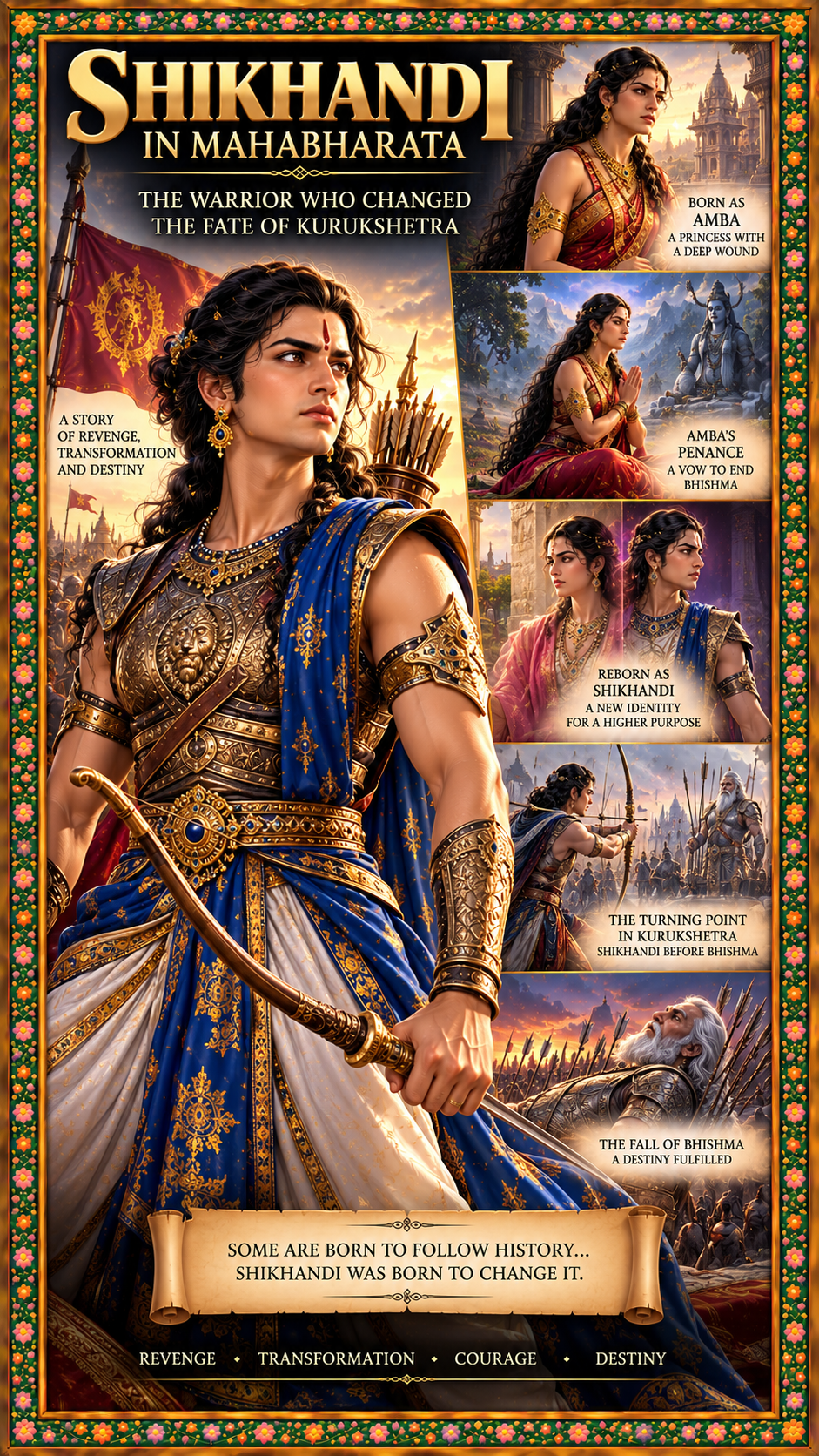
Shikhandi in Mahabharata: Amba’s Rebirth, Gender Transformation & Fall of Bhishma
Introduction Standing tall on the battlefield of Kurukshetra with drawn bow was a warrior whose destiny had been forged across two lifetimes: Shikhandi. Born as Princess Amba of Kashi, she had performed intense mountain austerities to seek justice against Bhishma. Reborn into King Drupada’s household and transformed into a formidable warrior, Shikhandi became the decisive instrument through whom the invincible grandfather of the Kurus was finally brought to rest upon the bed of arrows. This blog explores who Shikhandi was, the story behind their birth, their transformation, and their importance in the Mahabharata war. For official cultural and historical archives, visit the Ministry of Culture, Government of India. Who Was Shikhandi? Shikhandi was a warrior in the Mahabharata who fought on the side of the Pandavas during the Kurukshetra War. However, Shikhandi’s identity goes beyond a simple warrior role. Their life story involves themes of rebirth, destiny, gender identity, revenge, and divine justice. Shikhandi was born as Shikhandini, the daughter of King Drupada of Panchala, and later became Shikhandi through divine intervention. The Past Life of Shikhandi – Amba’s Story To understand Shikhandi, we must first understand Amba. Amba was a princess who was abducted by Bhishma along with her sisters Ambika and Ambalika for the prince of Hastinapura.…
- Festivals , Mythology
- January 22, 2026
- 416 views
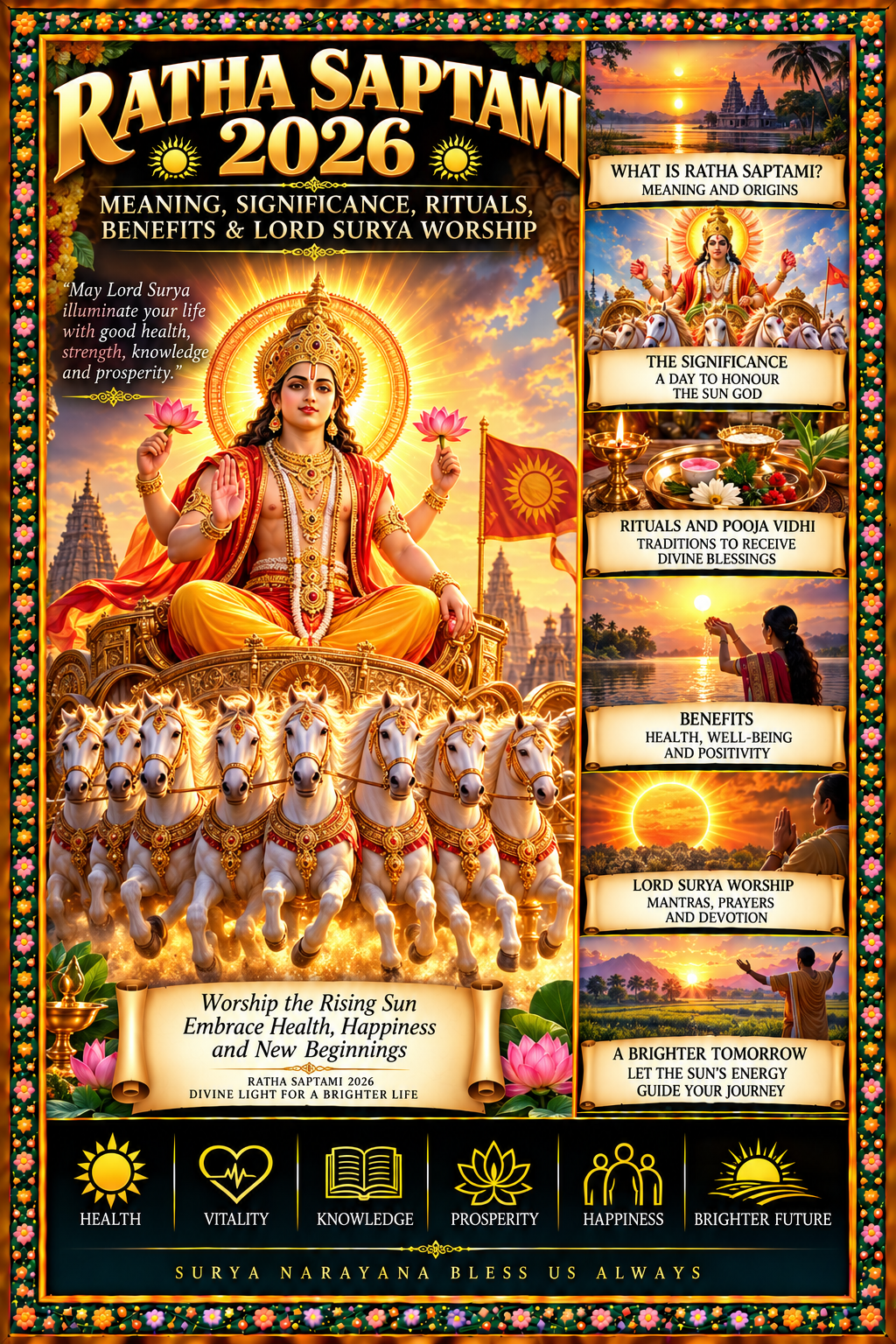
Ratha Saptami: Surya Jayanti Snanam, Milk Offering Rituals, Arghya & Benefits
Introduction As dawn breaks on the seventh day of the bright fortnight in Magha, millions across India step out into the crisp morning air to offer arghya of water to the rising sun. Known as Ratha Saptami or Surya Jayanti, this sacred festival envisions the Sun God, Lord Surya, turning his golden chariot drawn by seven radiant horses toward the northern sky. Families celebrate this day by boiling milk in clay pots until it overflows toward the sun, welcoming vitality, health, and solar warmth back into their lives. What is Ratha Saptami? (Meaning of Ratha Saptami Festival) The word Ratha means chariot and Saptami means seventh day. According to Hindu belief, on this sacred day, Lord Surya rides his divine chariot drawn by seven horses, symbolizing the seven colors of light, seven days of the week, and seven chakras of the human body. Ratha Saptami is also known as: This day signifies the awakening of solar energy on Earth and is considered ideal for new beginnings. Significance of Ratha Saptami in Hinduism Spiritual Significance of Ratha Saptami Ratha Saptami is believed to destroy sins, remove negative energies, and bring divine blessings. Worshipping the Sun God on this day is said to improve clarity of mind, inner strength, and…
- Mahabharatam , Mythology
- January 20, 2026
- 550 views
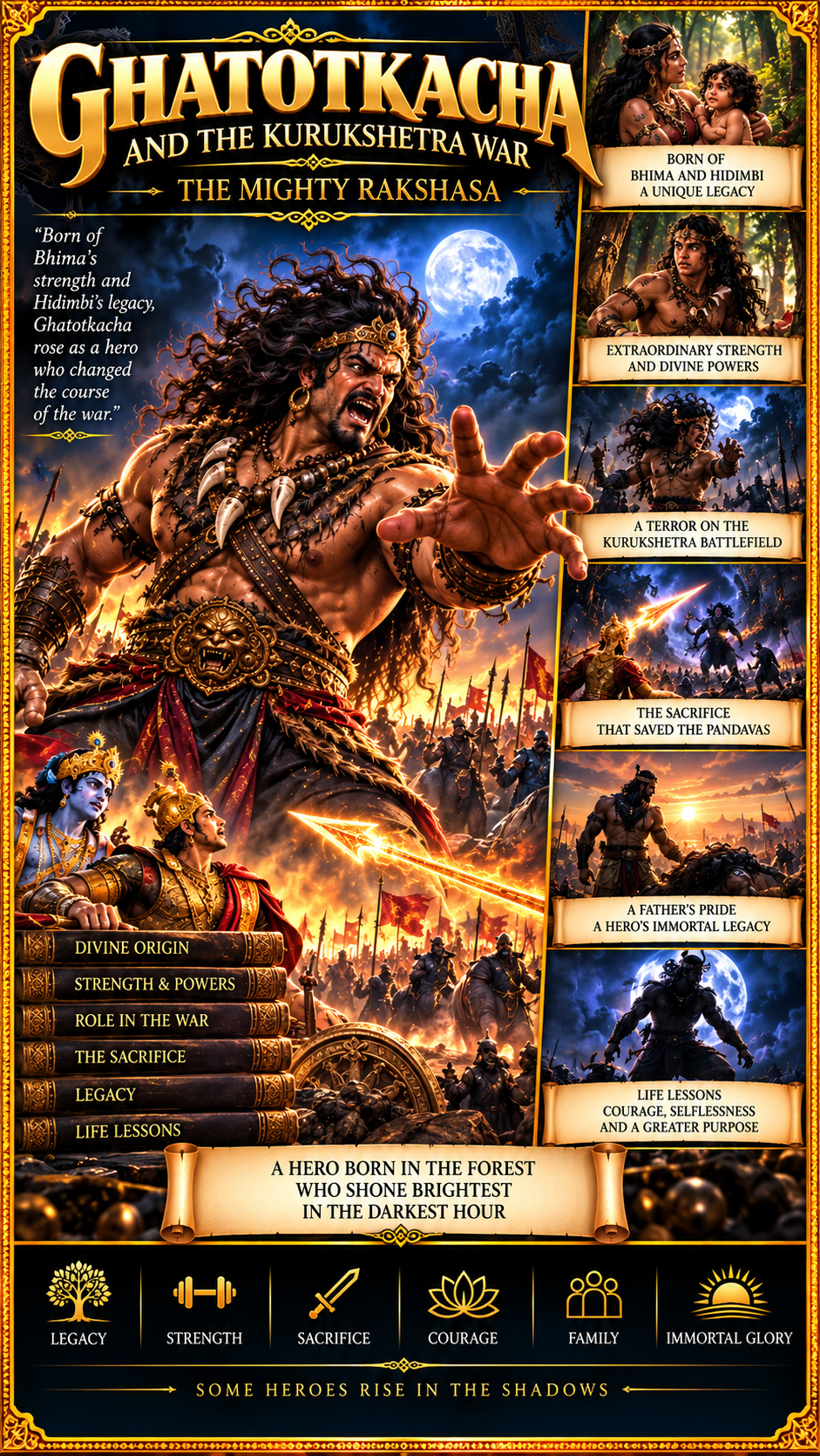
Ghatotkacha in Mahabharata: The Nocturnal Titan of Kurukshetra & The Vasavi Shakti
Introduction When darkness fell on the fourteenth night of Kurukshetra and the fighting continued under blazing torches, a gigantic warrior soared into the night sky, hurling boulders and illusions that sent terror through the Kaurava ranks. This was Ghatotkacha, the half-human, half-Rakshasa son of Bhima and Hidimbi. Loved by the Pandavas for his infectious devotion, Ghatotkacha sacrificed his life that night, forcing Karna to exhaust the divine Vasavi Shakti spear and ensuring the survival of Prince Arjuna. Born as the son of Bhima and the Rakshasi Hidimba, Ghatotkacha possessed extraordinary strength, magical powers, and unmatched night-war abilities. His heroic sacrifice not only changed the fate of the war but also saved Arjuna’s life indirectly. Ghatotkacha stands as a symbol of selfless sacrifice, destiny, and divine strategy in the Mahabharata. Birth of Ghatotkacha After the Pandavas escaped from the House of Lac (Lakshagriha), they traveled through dense forests. During this time, Bhima encountered Hidimba, a Rakshasi who fell in love with him. With Kunti’s permission, Bhima married Hidimba under Gandharva tradition. From this union was born Ghatotkacha. Meaning of the Name “Ghatotkacha” According to legend, he was born with a powerful body and fearsome appearance, typical of Rakshasas. Yet beneath his…

- Mythology , Ramayanam
- January 13, 2026
- 527 views
What is Rama Rajya? Principles of Ideal Governance, Justice & Modern Relevance
Introduction: Rama Rajya Explained For thousands of years across the Indian subcontinent, the concept of Rama Rajya has stood as the gold standard of righteous leadership. In this legendary vision of society, King Rama placed the happiness, safety, and moral well-being of his citizens above his own personal comfort. It envisions a world where truth reigns, rulers remain accountable to the humblest citizen, and every family lives in harmony, free from poverty, fear, and injustice. Rooted in the Ramayana, Rama Rajya is not merely a religious or mythological concept. It is a governance philosophy – one that continues to influence political thought, public administration, and ethical leadership even today. For students, professionals, administrators, and leaders, understanding Rama Rajya offers timeless lessons in ethical governance and responsible leadership. What Is Rama Rajya? Rama Rajya refers to the period of governance under Lord Rama, king of Ayodhya, where society functioned in harmony under the principles of dharma (righteousness). Key Characteristics of Rama Rajya: In Rama Rajya, the king was not above the law – he was its first servant. Core Principles of Rama Rajya Dharma as the Foundation of Governance In Rama Rajya, dharma guided every decision. Governance was not driven by…

- Festivals
- January 9, 2026
- 442 views
Makar Sankranti: Date, Surya Transit Meaning, Sacred Rituals & Celebrations in India
Introduction of Makar Sankranti Every January, as the cold winter winds begin to soften into warm spring sunshine, rooftops across India fill with children and families looking up at thousands of vibrant kites soaring into the sky. Makar Sankranti marks the astronomical moment when the Sun journeys north into the zodiac sign of Capricorn (Makara). From sweet sesame-jaggery laddoos in Maharashtra to bonfires in Punjab and joyful harvest feasts in the South, this festival brings families together to celebrate agricultural abundance and renewal. Across the country, Makar Sankranti is celebrated with immense joy under different regional names and customs. At its heart, the festival expresses gratitude to nature, honours farmers and the harvest, and welcomes longer, brighter days. Astronomical & Spiritual Significance of Makar Sankranti On Makar Sankranti, the Sun begins its northward journey, Uttarayan.In Hindu philosophy, Uttarayan is considered highly auspicious and spiritually elevating. It is believed that deeds performed during this period yield positive outcomes and spiritual merit. Ancient scriptures describe the Sun as the visible form of the divine – an eternal source of life and energy. Worshipping the Sun on Sankranti symbolises enlightenment, discipline, and inner strength. This transition also signifies the gradual end of winter…
- Mahabharatam , Mythology , Sons of Vichitravirya (via Sage Vyasa)
- January 8, 2026
- 507 views
Vidura in Mahabharata: Life Story, Vidura Niti, Wisdom & Teachings
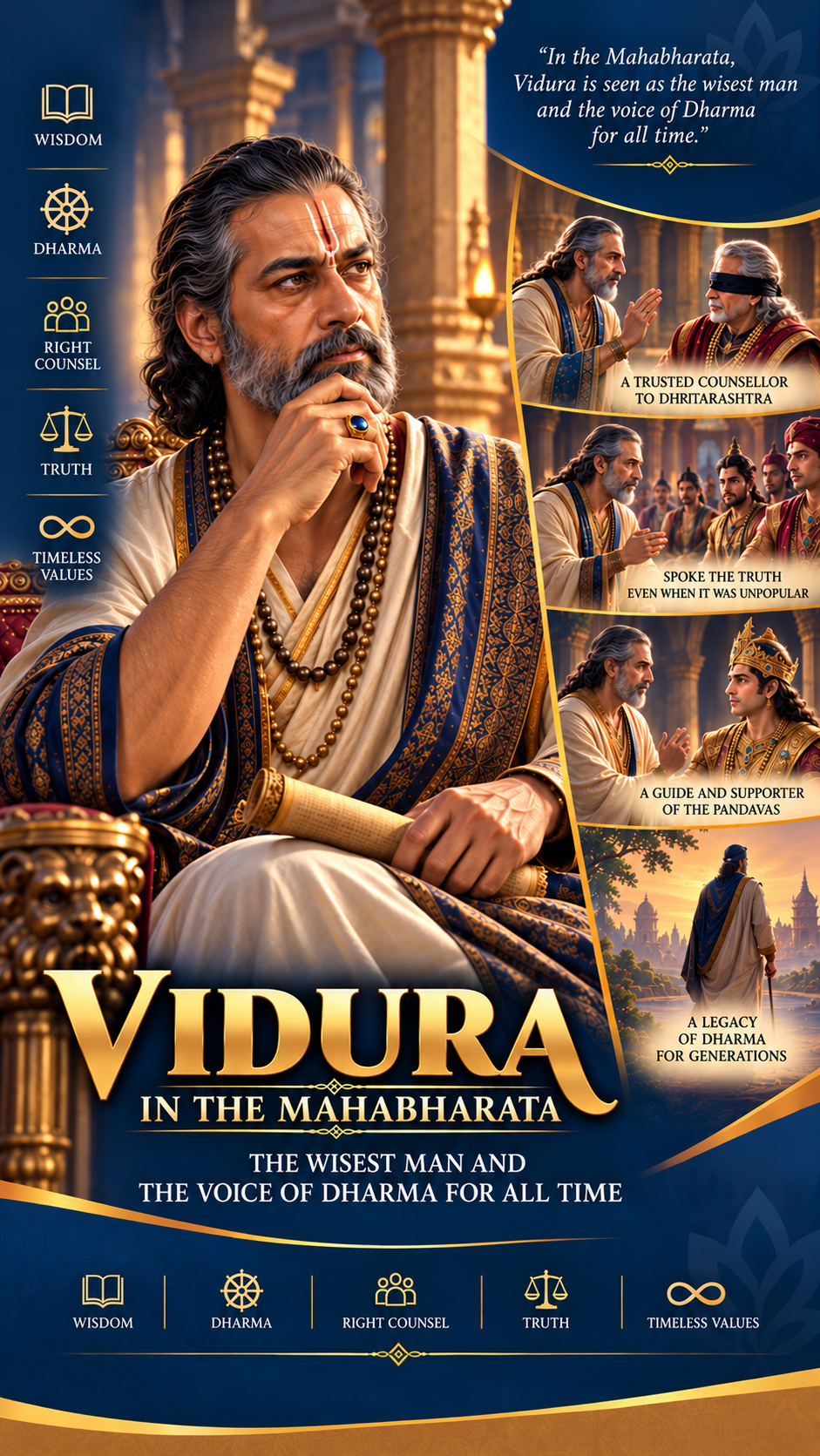
Introduction In the glittering royal palace of Hastinapur, while kings and warriors argued over territories and weapons, one man spoke with the quiet, fearless clarity of pure truth: Vidura. Born of Sage Vyasa and a royal maid, he served as the royal prime minister whose moral counsel, known as Vidura Niti, guided King Dhritarashtra. When Lord Krishna arrived as a peace envoy and refused Duryodhana’s lavish feast, it was to Vidura’s humble home that the Lord walked, happily sharing a simple meal of greens in the company of a true devotee. Widely regarded as the wisest man in the epic, Vidura served as the chief advisor to King Dhritarashtra and the moral compass of the Kuru kingdom. Time and again, he warned against injustice, greed, and the catastrophic war of Kurukshetra. Yet, his wise counsel often fell on deaf ears. This blog explores Vidura’s life, wisdom, role in the Mahabharata, and timeless relevance in leadership, governance, and ethics. Who Was Vidura? Vidura was born to Vyasa, the great sage and author of the Mahabharata, and a maidservant of the Kuru palace. Despite his humble maternal origin, Vidura was endowed with extraordinary intelligence, integrity, and spiritual insight. According to tradition, Vidura…

- Kuru Dynasty , Mahabharatam , Mythology , Women Characters
- January 6, 2026
- 634 views
Satyavati in Mahabharata: Matsyagandha, Queen Mother & Architect of Kuru Destiny
Introduction Gliding her wooden ferry across the gentle waves of the Yamuna river with the fragrance of musk floating on the breeze, the young fisher-maiden Satyavati lived a humble life until destiny intervened. Becoming the queen of King Shantanu, she was a mother whose fierce determination to safeguard the royal throne guided Hastinapur through crisis after crisis. Satyavati’s pragmatic decisions laid the genealogical foundations for the entire epic of the Mahabharata. Her life is a remarkable journey – from a humble fisherwoman to the Queen of Hastinapura, from a young girl cursed with a foul smell to the revered Queen Mother of one of India’s greatest epics. Birth and Early Life of Satyavati She was born to Uparichara Vasu, the king of Chedi, and a celestial nymph (apsara). Due to circumstances, she was abandoned at birth and later adopted by a fisherman chief named Dasharaja. In her early years, she was known as Matsyagandha, meaning “one who smells of fish”, because of her association with the fishing community. Despite her humble upbringing, possessed: These traits would later transform her destiny. Meeting Sage Parashara and the Birth of Vyasa One of the most crucial events in the Mahabharatam occurs when Satyavati…

- Mahabharatam , Mythology , Women Characters
- January 5, 2026
- 576 views
Goddess Ganga in Mahabharata: The Celestial River, Mother of Bhishma & Moksha Symbol
Introduction Descending from the heavens through the tangled matted locks of Lord Shiva to nourish the scorched plains of India, Goddess Ganga is far more than a sacred river; she is a divine mother and the embodiment of spiritual purification. Entering the human realm as the radiant queen of King Shantanu, she bore the eight Vasus and nurtured Prince Devavrata, the peerless warrior who would later be known to history as Bhishma Pitamaha. Origin of Goddess Ganga Ganga is described in Hindu scriptures as a celestial river (Akasha Ganga) flowing in the heavens. She descends to Earth to cleanse humanity of sins and grant moksha (liberation). In the Mahabharata, she is both a goddess and a queen, assuming a human form to fulfill divine purposes. Ganga is known for her purity, compassion, and power – capable of washing away even the gravest sins. Her descent itself symbolizes divine grace entering the mortal realm. Goddess Ganga and King Shantanu One of the most touching episodes involving Ganga in the Mahabharata is her marriage to Shantanu, the king of Hastinapura. Their union was destined, yet bound by a mysterious condition: Shantanu must never question Ganga’s actions. Ganga gave birth to seven sons…
- Kuru Dynasty
- January 4, 2026
- 623 views
King Shantanu in Mahabharata: Love for Ganga, Satyavati’s Vow & Legacy
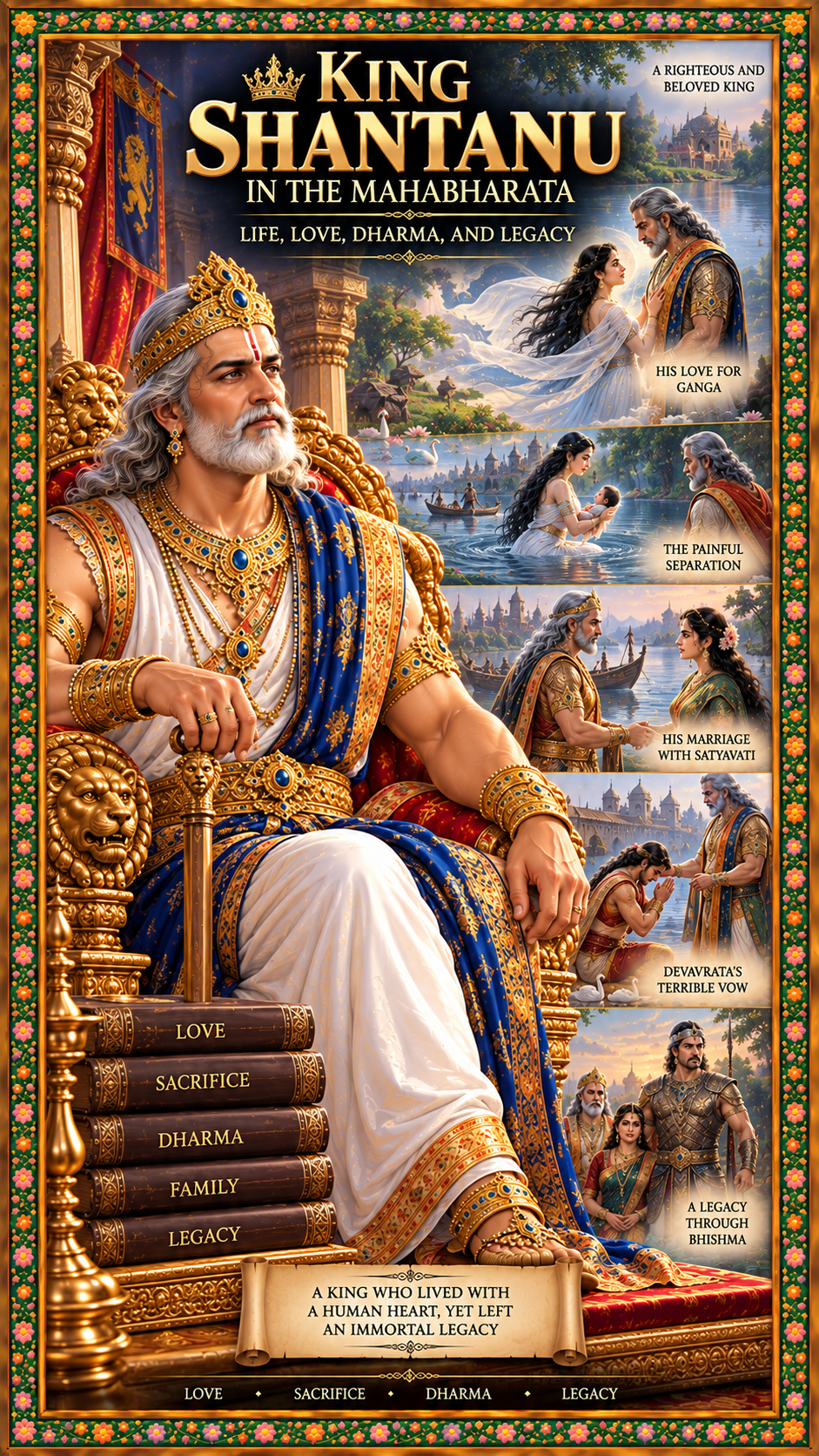
Introduction Strolling along the fragrant banks of the holy river Ganga, King Shantanu of Hastinapur was a noble, just ruler whose heart beat with deep devotion and chivalry. His love for Goddess Ganga and the mysterious conditions she set tested his patience, while his later longing for Queen Satyavati led his eldest son Devavrata to make the terrible vow of lifelong celibacy. Shantanu’s emotional choices set into motion the complex family lineage of the Mahabharata. This full-length blog explores King Shantanu’s life, character, marriages, moral dilemmas, and lasting impact on the Mahabharata. Who Was King Shantanu? King Shantanu was the ruler of Hastinapura, descending from the illustrious Kuru lineage. Renowned for his compassion, righteousness, and humility, Shantanu was beloved by his subjects. His reign symbolized peace and prosperity, yet his personal life was marked by divine trials and emotionally difficult choices. Shantanu’s greatness lies not only in his kingship but also in how his personal vows and relationships shaped the future of Bharata’s greatest epic. King Shantanu and Goddess Ganga: A Divine Union While hunting near the river Ganga, Shantanu encountered a celestial woman of extraordinary beauty – Ganga Devi, the river goddess. He fell deeply in love, and she…