Trending News:Bathukamma Traditions, Songs, Rituals and Celebrations ExplainedSaddula Bathukamma: The Grand Finale, Rituals and Spiritual SignificanceWhy Is Ravana Burned on Dasara? Meaning and Story Behind the TraditionWhy Is Bathukamma Celebrated? The Story Behind Telangana’s Flower FestivalBathukamma History and Significance: The Beautiful Floral Festival of TelanganaHindu Festival Calendar: Month-by-Month Guide to Major Festivals, Vrats, Tithis and RitualsIndrajit vs Lakshmana in Ramayana: Who Was More Powerful and How Did Lakshmana Defeat the Conqueror of Indra?Karna vs Arjuna in Mahabharata: Who Was the Superior Archer and Greatest Warrior?Ravana in Ramayana: Complete Biography, Shiva Bhakti, Golden Lanka & DownfallWhy Do We Celebrate Dussehra (Vijayadashami)? Story, Shami Puja & RitualsThe Mystery of Ravana’s 10 Heads: What Each Head Symbolizes & The Scriptural MeaningWhy Did Lord Rama Go to 14 Years Exile? The Real Scriptural Reason & Kaikeyi’s BoonsGanesh Chaturthi: Sthapana Muhurat, Complete Puja Vidhi, Vrat Katha & Visarjan RulesEkalavya in Mahabharata: Story of Supreme Guru Bhakti & The Guru Dakshina SacrificeVaraha Jayanti: Lord Vishnu’s Boar Avatar Story, Puja Vidhi & Powerful MantrasKripacharya in Mahabharata: The Immortal Kulaguru of Hastinapur & Chiranjivi StoryDronacharya in Mahabharata: Complete Biography, Astras, Warfare & LegacySubhadra in Mahabharata: Krishna’s Sister, Arjuna’s Beloved & Mother of AbhimanyuHidimbi in Mahabharata: The Rakshasi Who Became Queen & Mother of GhatotkachaMadri in Mahabharata: Princess of Madra, Mother of the Twins & Tragic SatiGandhari in Mahabharata: Why She Blindfolded Herself & The Curse on Krishna’s DynastyKunti in Mahabharata: The Secret Boon of Sage Durvasa, Divine Sons & SacrificesGuru Purnima: Date, Significance, Vyasa Puja Vidhi & Spiritual ImportanceTholi Ekadasi (Devshayani Ekadashi): Date, Vrat Katha, Fasting Rules & Chaturmas StartAmbalika in Mahabharata: Princess of Kashi & Mother of King PanduAmbika in Mahabharata: Princess of Kashi & Mother of Dhritarashtra via NiyogaDushala in Mahabharata: Life Story of the Only Kaurava Sister & Jayadratha’s WifeVikarna in Mahabharata: The Only Kaurava Who Defended Draupadi’s HonorDushasana in Mahabharata: Story, Draupadi Vastraharan & Vow of BhimaDuryodhana in Mahabharata: Story, Character Flaws, Ambition & DeathVichitravirya in Mahabharata: The Hastinapur King & Father of Dhritarashtra and PanduChitrangada in Mahabharata: The Warrior King Killed by His Gandharva NamesakeKing Kuru in Mahabharata: Ancestor of Kurus & The Legend of Kurukshetra FieldDhritarashtra in Mahabharata: Story of the Blind King & The Curse of Blind AttachmentKing Pandu in Mahabharata: Story, Sage Kindama’s Curse & Pandava LineageKarna in Mahabharata: Complete Life Story, 3 Curses, Kavacha Kundala & DeathDraupadi in Mahabharata: Birth from Fire, 5 Husbands, Vow of Revenge & LegacySahadeva in Mahabharata: The Astrologer Pandava Who Knew the Future of KurukshetraUgadi 2026 Celebrations at Pavani Pleasant, BangaloreNakula in Mahabharata: The Handsome Pandava, Master of Horses & AyurvedaHoli 2026 Celebrations at Pavani Pleasant, WhitefieldBhima in Mahabharata: Story of the Strongest Pandava, Mighty Feats & VowsYudhishthira in Mahabharata: The King of Dharma, Yaksha Prashna & Dice GameDronacharya in Mahabharata: Life Story, The Guru’s Masterpiece & Kurukshetra DeathAshwatthama in Mahabharata: The Immortal Warrior, Mani Jewel & Krishna’s CurseMaha Shivaratri: Significance, 4 Prahars Puja Vidhi, Fasting Rules & KathaLord Krishna in Mahabharata: Complete Role, Divine Diplomacy & Kurukshetra GuideBhagavad Gita Summary: Complete Story, Core Teachings & 10 Timeless Life LessonsArjuna in Mahabharata: The Greatest Archer, Gandiva Bow & Role in KurukshetraAbhimanyu in Mahabharata: Breaking the Chakravyuha & The Heroic MartyrdomUttara in Mahabharata: Princess of Matsya & Mother of King ParikshitShikhandi in Mahabharata: Amba’s Rebirth, Gender Transformation & Fall of BhishmaRatha Saptami: Surya Jayanti Snanam, Milk Offering Rituals, Arghya & BenefitsGhatotkacha in Mahabharata: The Nocturnal Titan of Kurukshetra & The Vasavi ShaktiWhat is Rama Rajya? Principles of Ideal Governance, Justice & Modern RelevanceMakar Sankranti: Date, Surya Transit Meaning, Sacred Rituals & Celebrations in IndiaVidura in Mahabharata: Life Story, Vidura Niti, Wisdom & TeachingsSatyavati in Mahabharata: Matsyagandha, Queen Mother & Architect of Kuru DestinyGoddess Ganga in Mahabharata: The Celestial River, Mother of Bhishma & Moksha SymbolKing Shantanu in Mahabharata: Love for Ganga, Satyavati’s Vow & LegacyBhishma in Mahabharata: The Terrible Vow (Pratigya), Powers & Bed of ArrowsThe 9 Navagrahas in Vedic Astrology: Names, Mantras, Planetary Effects & RemediesKetu Deva: The Planet of Moksha & Detachment, Astrological Effects & RemediesRahu Deva: The Shadow Planet, Kaal Sarp Dosha, Illusions & Astrological RemediesShukra Deva (Venus): Guru of Asuras, Wealth & Love Influences, and Shukra RemediesSurya Deva (Sun God): Mythology, Astrological Influence, Aditya Hridaya & RemediesShani Deva (Saturn): Lord of Karma, Sade Sati Explained, Myths & Powerful RemediesGuru Brihaspati (Jupiter): Divine Guru of Gods, Astrological Significance & RemediesBudha Deva (Mercury): Planet of Intellect & Speech, Astrological Benefits & RemediesMangala Deva (Mars): Mythology, Manglik Dosha Meaning, Effects & Effective RemediesChandra Deva (Moon God): Story, Effects on Mind, Astrological Placement & RemediesKarthika Poornima: Sacred 365-Wick Deepam, River Snanam, Dev Deepawali & RitualsMaa Mahagauri (Navratri Day 8): Kanya Puja Vidhi, Mantras, Color & Sacred StoryMaa Katyayani (Navratri Day 6): Story of Slaying Mahishasura, Puja Vidhi & MantraMaa Chandraghanta (Navratri Day 3): The Fierce Grace, Puja Vidhi, Color & MantraMaa Brahmacharini (Navratri Day 2): Penance Story, Puja Vidhi, Color & MantrasMaa Shailaputri (Navratri Day 1): Story, Puja Vidhi, Favorite Color, Bhog & MantraGajanana Avatar of Ganesha: Legend, Destruction of Lobhasura (Greed) & LessonsMahodara Avatar of Ganesha: Story, Conquest of Moha (Delusion) & SignificanceKhairatabad Ganesh (Hyderabad): History, Grand Idol Height, Themes & Darshan GuideEkadanta Avatar: Why Ganesha Has a Single Tusk, Legend of Parashurama & MeaningVakratunda Avatar of Ganesha: Story, Demon Matsarya & Symbol of Overcoming ObstaclesHanuman in Ramayana: Life Story, Immense Powers, Sundara Kanda & Lanka DahanLord Ganesha: Birth Story, Symbolism, 108 Names, Powers & Spiritual SignificanceVaralakshmi Vratam: Complete Puja Vidhanam, Samagri List, Vrat Katha & RulesLakshmana in Ramayana: Story, 14-Year Sleepless Penance, Loyalty & FeatsLord Rama in Ramayana: Complete Life Story, Virtues, Maryada Purushottam & Legacy
Trending News:Bathukamma Traditions, Songs, Rituals and Celebrations ExplainedSaddula Bathukamma: The Grand Finale, Rituals and Spiritual SignificanceWhy Is Ravana Burned on Dasara? Meaning and Story Behind the TraditionWhy Is Bathukamma Celebrated? The Story Behind Telangana’s Flower FestivalBathukamma History and Significance: The Beautiful Floral Festival of TelanganaHindu Festival Calendar: Month-by-Month Guide to Major Festivals, Vrats, Tithis and RitualsIndrajit vs Lakshmana in Ramayana: Who Was More Powerful and How Did Lakshmana Defeat the Conqueror of Indra?Karna vs Arjuna in Mahabharata: Who Was the Superior Archer and Greatest Warrior?Ravana in Ramayana: Complete Biography, Shiva Bhakti, Golden Lanka & DownfallWhy Do We Celebrate Dussehra (Vijayadashami)? Story, Shami Puja & RitualsThe Mystery of Ravana’s 10 Heads: What Each Head Symbolizes & The Scriptural MeaningWhy Did Lord Rama Go to 14 Years Exile? The Real Scriptural Reason & Kaikeyi’s BoonsGanesh Chaturthi: Sthapana Muhurat, Complete Puja Vidhi, Vrat Katha & Visarjan RulesEkalavya in Mahabharata: Story of Supreme Guru Bhakti & The Guru Dakshina SacrificeVaraha Jayanti: Lord Vishnu’s Boar Avatar Story, Puja Vidhi & Powerful MantrasKripacharya in Mahabharata: The Immortal Kulaguru of Hastinapur & Chiranjivi StoryDronacharya in Mahabharata: Complete Biography, Astras, Warfare & LegacySubhadra in Mahabharata: Krishna’s Sister, Arjuna’s Beloved & Mother of AbhimanyuHidimbi in Mahabharata: The Rakshasi Who Became Queen & Mother of GhatotkachaMadri in Mahabharata: Princess of Madra, Mother of the Twins & Tragic SatiGandhari in Mahabharata: Why She Blindfolded Herself & The Curse on Krishna’s DynastyKunti in Mahabharata: The Secret Boon of Sage Durvasa, Divine Sons & SacrificesGuru Purnima: Date, Significance, Vyasa Puja Vidhi & Spiritual ImportanceTholi Ekadasi (Devshayani Ekadashi): Date, Vrat Katha, Fasting Rules & Chaturmas StartAmbalika in Mahabharata: Princess of Kashi & Mother of King PanduAmbika in Mahabharata: Princess of Kashi & Mother of Dhritarashtra via NiyogaDushala in Mahabharata: Life Story of the Only Kaurava Sister & Jayadratha’s WifeVikarna in Mahabharata: The Only Kaurava Who Defended Draupadi’s HonorDushasana in Mahabharata: Story, Draupadi Vastraharan & Vow of BhimaDuryodhana in Mahabharata: Story, Character Flaws, Ambition & DeathVichitravirya in Mahabharata: The Hastinapur King & Father of Dhritarashtra and PanduChitrangada in Mahabharata: The Warrior King Killed by His Gandharva NamesakeKing Kuru in Mahabharata: Ancestor of Kurus & The Legend of Kurukshetra FieldDhritarashtra in Mahabharata: Story of the Blind King & The Curse of Blind AttachmentKing Pandu in Mahabharata: Story, Sage Kindama’s Curse & Pandava LineageKarna in Mahabharata: Complete Life Story, 3 Curses, Kavacha Kundala & DeathDraupadi in Mahabharata: Birth from Fire, 5 Husbands, Vow of Revenge & LegacySahadeva in Mahabharata: The Astrologer Pandava Who Knew the Future of KurukshetraUgadi 2026 Celebrations at Pavani Pleasant, BangaloreNakula in Mahabharata: The Handsome Pandava, Master of Horses & AyurvedaHoli 2026 Celebrations at Pavani Pleasant, WhitefieldBhima in Mahabharata: Story of the Strongest Pandava, Mighty Feats & VowsYudhishthira in Mahabharata: The King of Dharma, Yaksha Prashna & Dice GameDronacharya in Mahabharata: Life Story, The Guru’s Masterpiece & Kurukshetra DeathAshwatthama in Mahabharata: The Immortal Warrior, Mani Jewel & Krishna’s CurseMaha Shivaratri: Significance, 4 Prahars Puja Vidhi, Fasting Rules & KathaLord Krishna in Mahabharata: Complete Role, Divine Diplomacy & Kurukshetra GuideBhagavad Gita Summary: Complete Story, Core Teachings & 10 Timeless Life LessonsArjuna in Mahabharata: The Greatest Archer, Gandiva Bow & Role in KurukshetraAbhimanyu in Mahabharata: Breaking the Chakravyuha & The Heroic MartyrdomUttara in Mahabharata: Princess of Matsya & Mother of King ParikshitShikhandi in Mahabharata: Amba’s Rebirth, Gender Transformation & Fall of BhishmaRatha Saptami: Surya Jayanti Snanam, Milk Offering Rituals, Arghya & BenefitsGhatotkacha in Mahabharata: The Nocturnal Titan of Kurukshetra & The Vasavi ShaktiWhat is Rama Rajya? Principles of Ideal Governance, Justice & Modern RelevanceMakar Sankranti: Date, Surya Transit Meaning, Sacred Rituals & Celebrations in IndiaVidura in Mahabharata: Life Story, Vidura Niti, Wisdom & TeachingsSatyavati in Mahabharata: Matsyagandha, Queen Mother & Architect of Kuru DestinyGoddess Ganga in Mahabharata: The Celestial River, Mother of Bhishma & Moksha SymbolKing Shantanu in Mahabharata: Love for Ganga, Satyavati’s Vow & LegacyBhishma in Mahabharata: The Terrible Vow (Pratigya), Powers & Bed of ArrowsThe 9 Navagrahas in Vedic Astrology: Names, Mantras, Planetary Effects & RemediesKetu Deva: The Planet of Moksha & Detachment, Astrological Effects & RemediesRahu Deva: The Shadow Planet, Kaal Sarp Dosha, Illusions & Astrological RemediesShukra Deva (Venus): Guru of Asuras, Wealth & Love Influences, and Shukra RemediesSurya Deva (Sun God): Mythology, Astrological Influence, Aditya Hridaya & RemediesShani Deva (Saturn): Lord of Karma, Sade Sati Explained, Myths & Powerful RemediesGuru Brihaspati (Jupiter): Divine Guru of Gods, Astrological Significance & RemediesBudha Deva (Mercury): Planet of Intellect & Speech, Astrological Benefits & RemediesMangala Deva (Mars): Mythology, Manglik Dosha Meaning, Effects & Effective RemediesChandra Deva (Moon God): Story, Effects on Mind, Astrological Placement & RemediesKarthika Poornima: Sacred 365-Wick Deepam, River Snanam, Dev Deepawali & RitualsMaa Mahagauri (Navratri Day 8): Kanya Puja Vidhi, Mantras, Color & Sacred StoryMaa Katyayani (Navratri Day 6): Story of Slaying Mahishasura, Puja Vidhi & MantraMaa Chandraghanta (Navratri Day 3): The Fierce Grace, Puja Vidhi, Color & MantraMaa Brahmacharini (Navratri Day 2): Penance Story, Puja Vidhi, Color & MantrasMaa Shailaputri (Navratri Day 1): Story, Puja Vidhi, Favorite Color, Bhog & MantraGajanana Avatar of Ganesha: Legend, Destruction of Lobhasura (Greed) & LessonsMahodara Avatar of Ganesha: Story, Conquest of Moha (Delusion) & SignificanceKhairatabad Ganesh (Hyderabad): History, Grand Idol Height, Themes & Darshan GuideEkadanta Avatar: Why Ganesha Has a Single Tusk, Legend of Parashurama & MeaningVakratunda Avatar of Ganesha: Story, Demon Matsarya & Symbol of Overcoming ObstaclesHanuman in Ramayana: Life Story, Immense Powers, Sundara Kanda & Lanka DahanLord Ganesha: Birth Story, Symbolism, 108 Names, Powers & Spiritual SignificanceVaralakshmi Vratam: Complete Puja Vidhanam, Samagri List, Vrat Katha & RulesLakshmana in Ramayana: Story, 14-Year Sleepless Penance, Loyalty & FeatsLord Rama in Ramayana: Complete Life Story, Virtues, Maryada Purushottam & Legacy
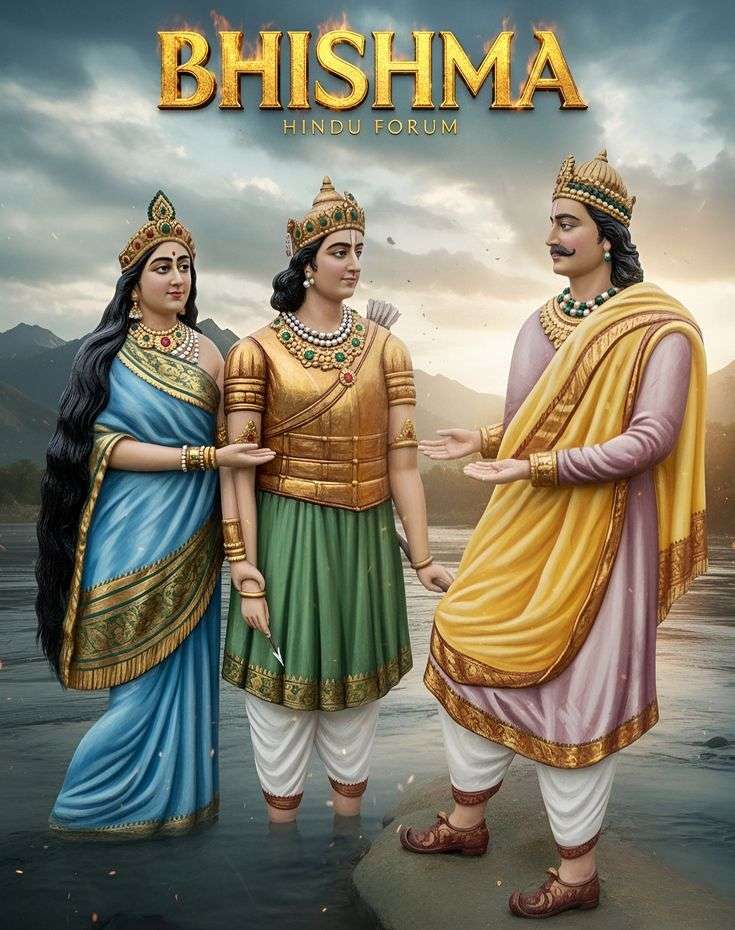
Bhishma, also known as Bhishma Pitamaha, stands as one of the most revered, tragic, and powerful figures in the Mahabharata. He is not merely a warrior but a symbol of unbreakable vows, sacrifice, loyalty, and dharma. His life story is both inspiring and heartbreaking, showing how even righteousness can lead to suffering when bound by rigid duty.
Birth of Bhishma – Devavrata, the Son of Destiny
Devavrata, the son of King Shantanu, ruler of the Kuru dynasty, and Ganga, the goddess of the River Ganga, was Bhishma’s birth name. Devavrata was no ordinary child. Trained by great sages and blessed by celestial beings, he mastered:
Advanced warfare
Statecraft and governance
Vedic knowledge and discipline
From a young age, he was destined to become a legendary protector of the Kuru dynasty.
The Terrible Vow – Why He Is Called Bhishma
The turning point of Devavrata’s life came when King Shantanu wished to marry Satyavati. In order to inherit the throne, her father demanded that only her children inherit it.
To fulfill his father’s happiness, Devavrata took a terrible (bhīṣaṇa) vow:
He renounced the throne forever
He vowed lifelong celibacy (Brahmacharya)
The gods themselves showered flowers from the heavens, and from that moment, Devavrata became Bhishma, the one who took an impossible vow.
This single decision shaped the entire future of the Mahabharata.
Bhishma as the Guardian of the Kuru Throne
Bhishma became the backbone of the Kuru kingdom. He:
Crowned kings
Protected Hastinapura
Maintained royal discipline
Acted as teacher, guardian, and moral authority
Even when the kings were weak or flawed, Bhishma stood firm as the protector of the throne, not the throne-holder.
Bhishma and His Inner Conflict
Despite his greatness, Bhishma’s life was filled with silent suffering.
He knew:
The injustice done to Pandavas
The cruelty of Duryodhana
The manipulation of Shakuni
Yet, bound by his vow to serve the throne of Hastinapura, he remained loyal—even when dharma was compromised.
This conflict makes Bhishma deeply human:
A man who knew what was right, yet was trapped by his own promise.
Role of Bhishma in the Kurukshetra War
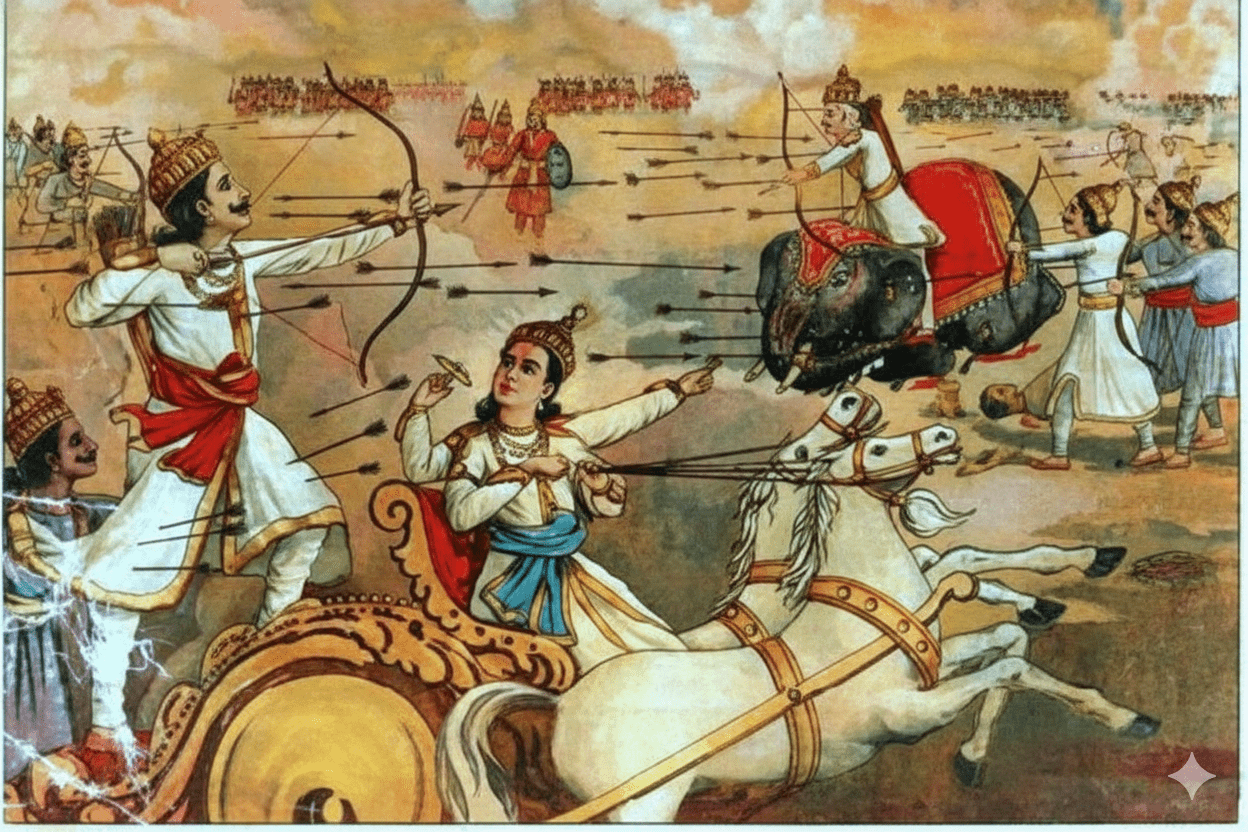
Bhishma became the Commander-in-Chief of the Kaurava army for the first ten days of the Kurukshetra war.
Key highlights:
He fought fiercely but never aimed to kill the Pandavas
His presence made the Kaurava army nearly invincible
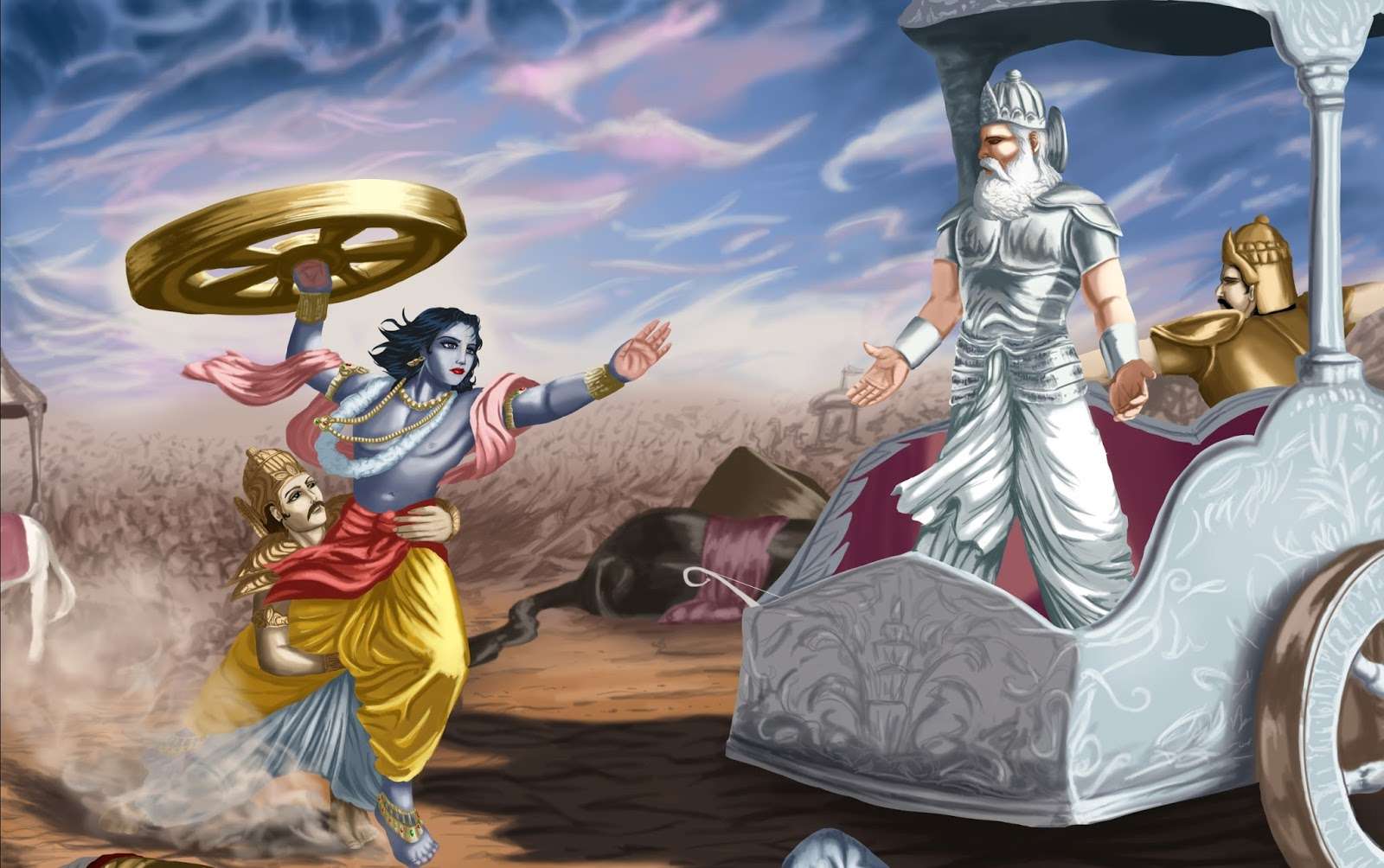
Even Krishna acknowledged that Bhishma could not be defeated by ordinary means
Fall of Bhishma – The Bed of Arrows
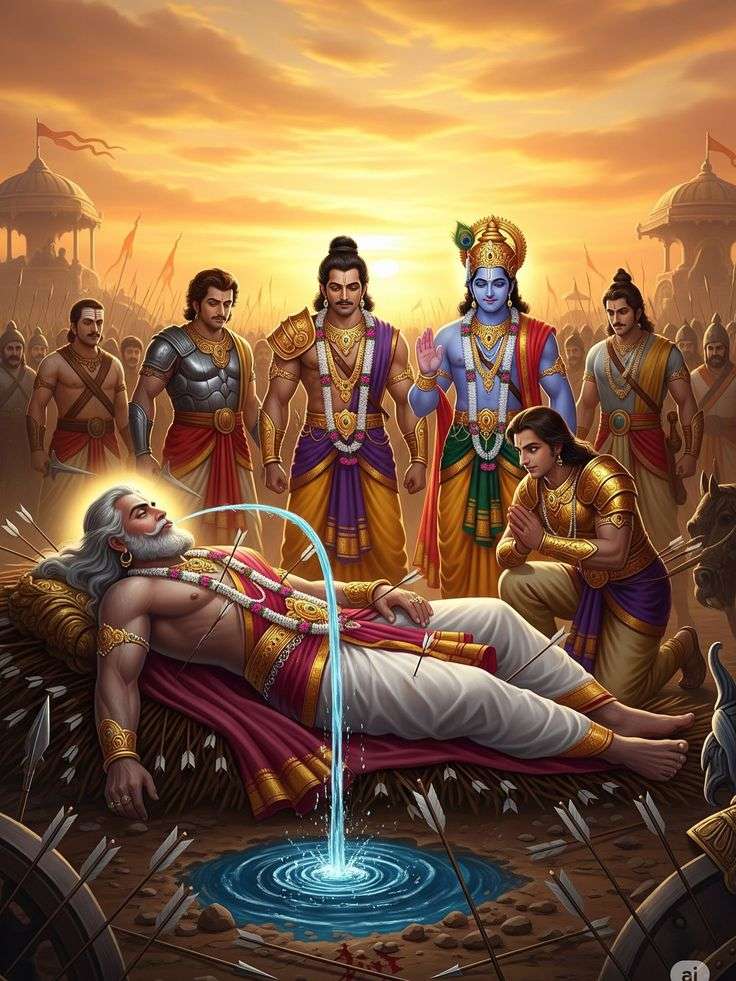
Knowing Bhishma’s weakness, Krishna guided Arjuna to place Shikhandi in front of him. Bhishma, bound by his vow never to fight a woman or one born female, lowered his weapons.
Arjuna then shot countless arrows, and Bhishma fell — resting on a bed of arrows, still alive.
This moment is one of the most powerful images in the Mahabharata:
A warrior who could choose the moment of his death
A teacher lying wounded, yet calm and wise
Ichha Mrityu – Choosing the Time of Death
Bhishma had a divine boon: Ichha Mrityu (death at will). He chose not to die immediately and waited for the auspicious Uttarayana.
During this time:
He taught Yudhishthira about rajadharma, moksha, and governance
These teachings later became the foundation of righteous kingship
Only after fulfilling his duty as a teacher did Bhishma leave his mortal body.
Bhishma is the moral axis of the Mahabharata — strong, pure, and unshaken, yet deeply wounded by destiny and duty. His story is not just ancient history but a timeless lesson on leadership, sacrifice, and ethical conflict.
Even today, Bhishma Pitamaha stands tall as one of the greatest characters ever written in world literature.
FAQs
Who was Bhishma in the Mahabharata? Bhishma was the grand patriarch of the Kuru dynasty, son of King Shantanu and Goddess Ganga, known for his unmatched devotion to duty and truth.
What was Bhishma’s original name? Bhishma’s original name was Devavrata, given at birth before he took his legendary vow.
Why did Devavrata become Bhishma? He became Bhishma after taking a terrible vow of lifelong celibacy and renouncing the throne to fulfill his father’s wish.
What is Bhishma’s terrible vow (Bhishma Pratigya)? Bhishma vowed never to marry and to serve the Kuru throne selflessly for life, ensuring Satyavati’s descendants ruled.
Who were Bhishma’s parents? King Shantanu and Goddess Ganga had a son named Bhishma.
Did Bhishma fight in the Kurukshetra war? Yes. Bhishma served as the Commander-in-Chief of the Kaurava army for the first ten days of the war.
Why didn’t Bhishma kill the Pandavas? Though fighting for the Kauravas, Bhishma loved the Pandavas and never intended to kill them, restraining his full power.
How was Bhishma defeated? Bhishma was defeated when Arjuna used Shikhandi as a shield, knowing Bhishma would not fight someone born female.
What is the “Bed of Arrows”? After being struck by countless arrows, Bhishma lay suspended on them, alive and conscious—this is known as the Bed of Arrows.
What is Ichha Mrityu? Ichha Mrityu is the boon that allowed Bhishma to choose the time of his death.
Why did Bhishma wait for Uttarayana to die? Uttarayana is considered spiritually auspicious. Bhishma chose this period to attain liberation (moksha).
What teachings did Bhishma give before his death? Bhishma taught Yudhishthira about:
Raja Dharma (duties of a king)
Ethics and governance
Compassion and justice
Was Bhishma right or wrong in supporting the Kauravas? Bhishma was morally right but bound by duty. His story shows how rigid loyalty can conflict with true dharma.
Is Bhishma considered immortal? No, but he had control over his death, making him appear almost immortal during his lifetime.
What does Bhishma symbolize? Bhishma symbolizes sacrifice, discipline, loyalty, and the tragic cost of inflexible vows.
Why is Bhishma called Pitamaha? He is called Pitamaha (grandfather) because he belonged to the elder generation of both Pandavas and Kauravas.
What is the spiritual lesson from Bhishma’s life? True dharma requires wisdom and compassion—blind duty without justice can lead to suffering.
Is Bhishma worshipped in Hindu tradition? Bhishma is revered as a righteous hero and teacher, though not worshipped as a deity.
Why is Bhishma important in the Mahabharata? He serves as the moral compass of the epic and represents the complexities of righteousness.
What makes Bhishma different from other warriors? His combination of supreme power, moral discipline, sacrifice, and self-control makes him unique.
Frequently Asked Questions About Bhishma
Why is Devavrata called Bhishma?
Devavrata earned the name Bhishma (meaning ‘one of formidable vow’) after taking a supreme oath of lifelong celibacy and renouncing the throne of Hastinapur for his father’s happiness.
What was Bhishma’s divine boon?
His father King Shantanu granted him the boon of Iccha Mrityu, allowing Bhishma to choose the exact time and circumstance of his death.
Hi, I'm Raja Ratnam, based in Hyderabad, Telangana. I'm a researcher and writer with a deep passion for Indian mythology and Hindu festivals, and I created Ratnam Strategy to make the timeless stories of the Ramayana and Mahabharata accessible to modern readers.
On this site you'll find detailed guides to epic characters, festival traditions, puja vidhanams, and vrat kathas, written in both English and Telugu wherever it helps readers connect more deeply with the material.
Feel free to browse my latest posts, or reach out at ratnampasalapudi@gmail.com.
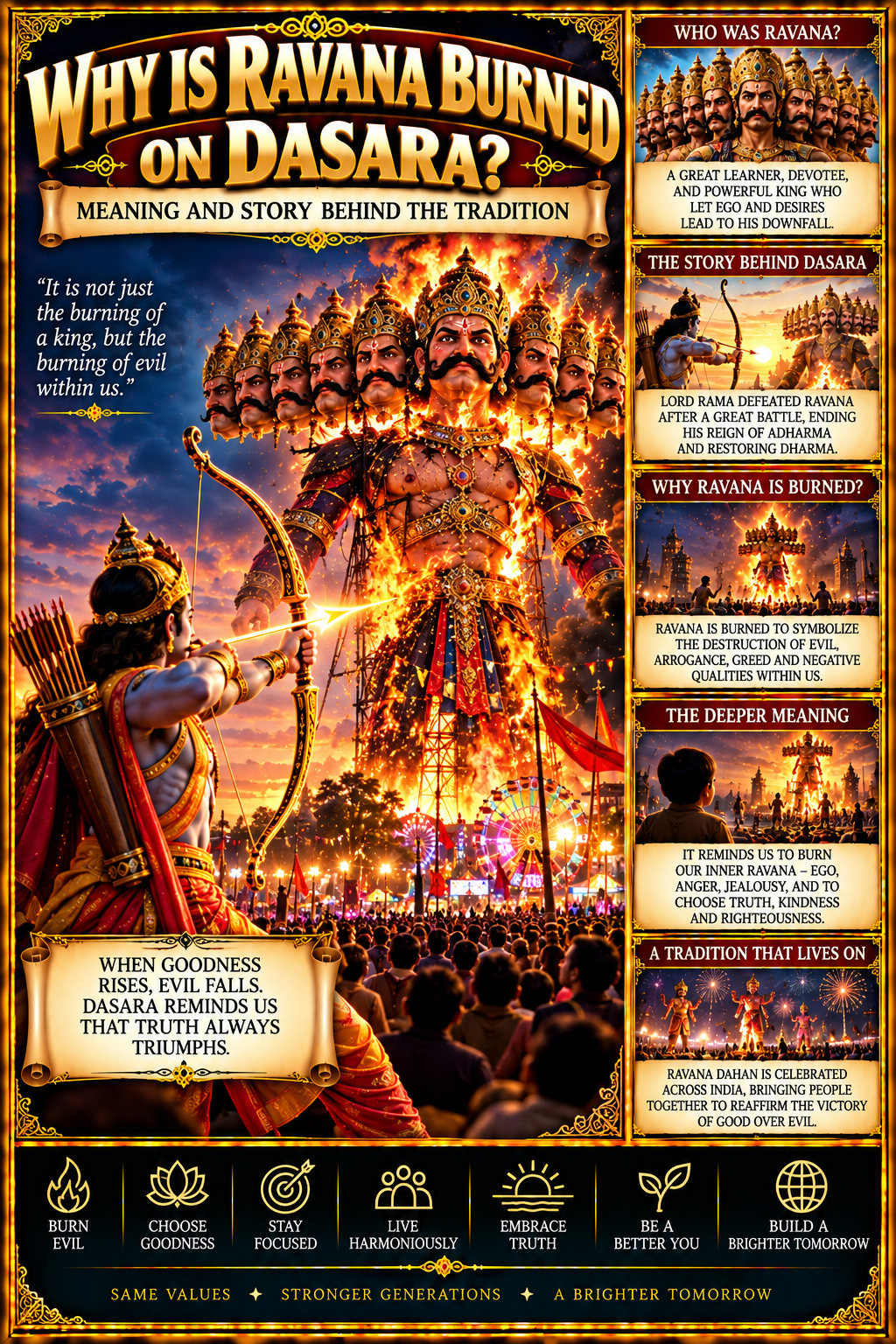
Why Is Ravana Burned on Dasara? Meaning and Story Behind the Tradition
Discover why Ravana effigies (Ravan Dahan) are burned on Dasara. Learn the Ramayana story, symbolic meaning of Ravana’s 10 heads, and spiritual significance of Vijayadashami.
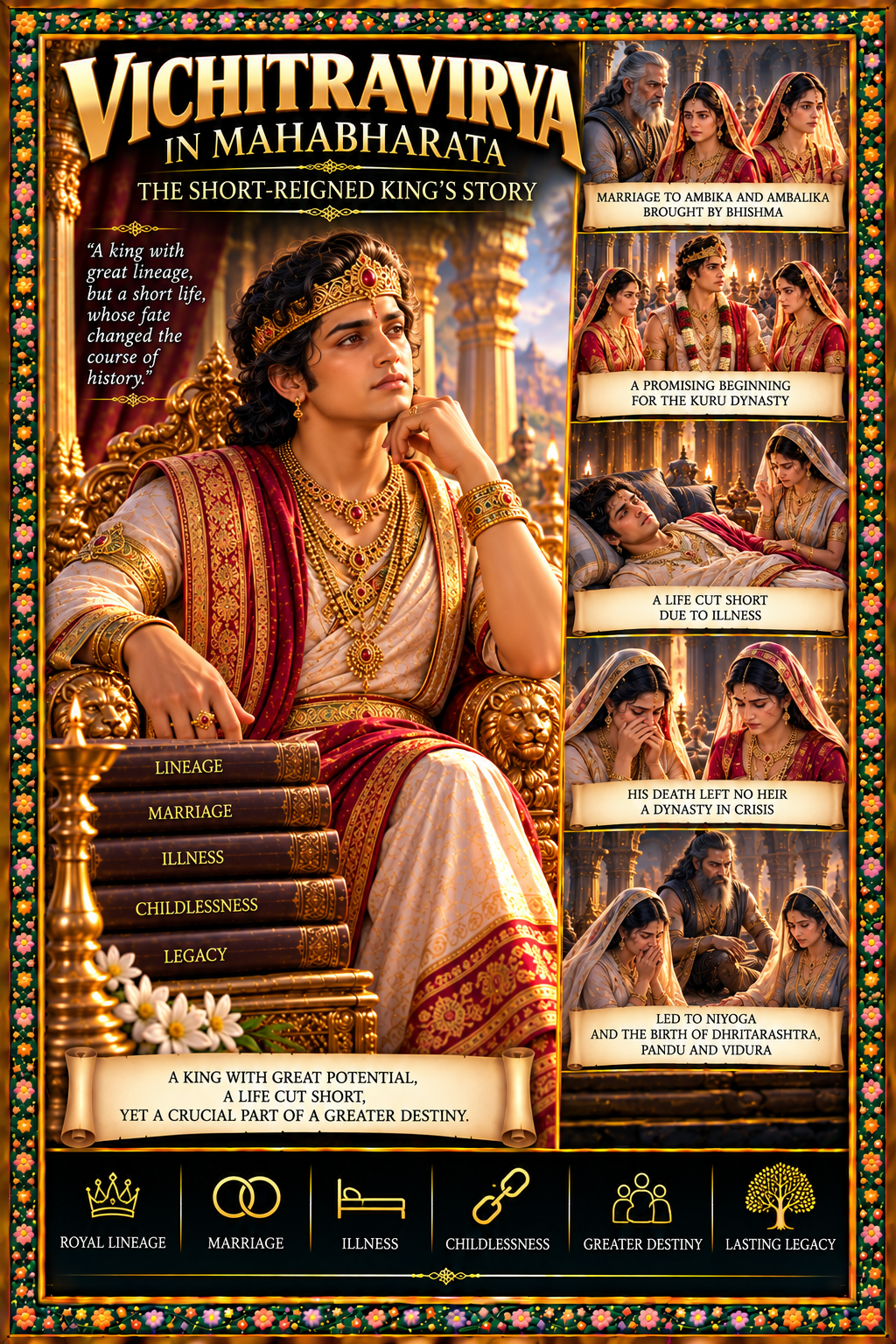
Vichitravirya in Mahabharata: The Hastinapur King & Father of Dhritarashtra and Pandu
Vichitravirya in the Mahabharata – The Short-Reigned King Who Changed Destiny Vichitravirya in Mahabharata Vichitravirya in Mahabharata : The Mahabharata, one of the greatest epics of ancient India, is filled with powerful kings, warriors, and complex characters. Among them stands Vichitravirya, a lesser-discussed yet highly significant figure. Though his life was short, his role in shaping the destiny of the Kuru dynasty was immense. Vichitravirya was the son of King Shantanu and Queen Satyavati, and the younger half-brother of the mighty Bhishma. His life, marked by royal privilege, fragile health, and untimely death, set in motion events that eventually led to the great Kurukshetra war. For official cultural and historical archives, visit the Ministry of Culture, Government of India. Birth and Lineage of Vichitravirya – Vichitravirya in Mahabharata Vichitravirya was born into the illustrious Kuru dynasty, one of the most powerful royal families in the Mahabharata. His parents were: He had an elder brother, Chitrangada, who initially ascended the throne. However, after Chitrangada’s untimely death in battle, the young Vichitravirya became the heir to the throne. Bhishma’s Role in His Life – Vichitravirya in Mahabharata Vichitravirya’s life was deeply influenced by his half-brother, Bhishma, one of the most revered warriors…
“…Devavrata grew into a peerless warrior and an ideal prince. Shantanu declared him the crown prince of Hastinapura, confident that his kingdom’s future was secure. However, destiny soon tested this certainty, as Shantanu’s deep love for Satyavati led to the momentous vow that would change Devavrata’s life forever, transforming him into the legendary Bhishma.”
 Raja Ratnam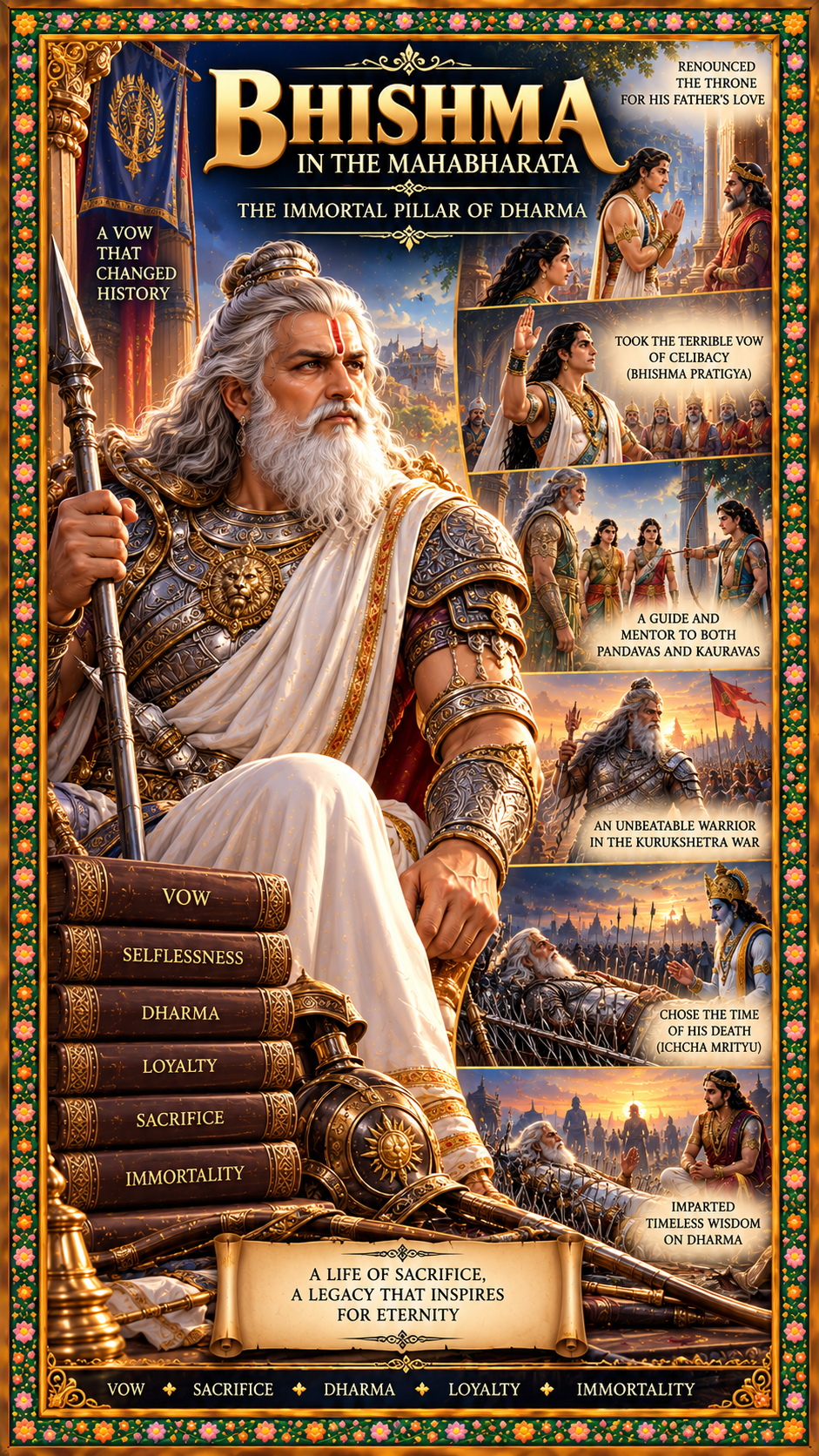

“…Devavrata grew into a peerless warrior and an ideal prince. Shantanu declared him the crown prince of Hastinapura, confident that his kingdom’s future was secure. However, destiny soon tested this certainty, as Shantanu’s deep love for Satyavati led to the momentous vow that would change Devavrata’s life forever, transforming him into the legendary Bhishma.”