Raja Ratnam
- Festivals , Lord Ganesha , Mythology
- September 8, 2026
- 59 views
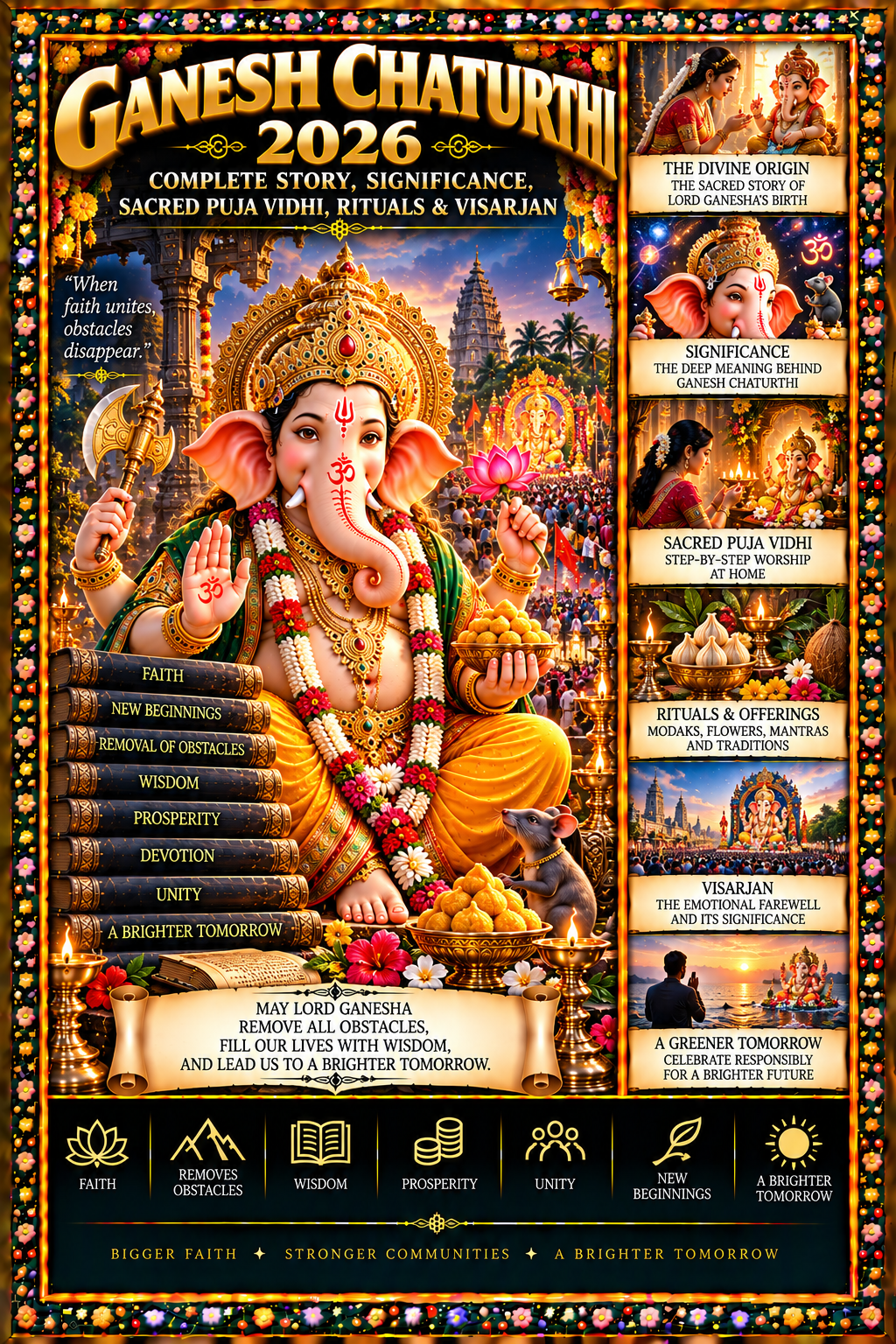
Ganesh Chaturthi 2026: Complete Story, Significance, Sacred Puja Vidhi, Rituals & Visarjan
Ganesh Chaturthi, also affectionately known as Vinayaka Chaturthi or Ganeshotsav, is one of the most vibrant, joyous, and spiritually profound festivals celebrated in India and across the globe. Falling on the fourth day (Chaturthi) of the waxing moon phase (Shukla Paksha) in the Hindu lunar month of Bhadrapada, this auspicious festival commemorates the rebirth and grand arrival of Lord Ganesha—the elephant-headed deity of wisdom, prosperity, intellect, and good fortune—from Kailash Parvat to earth. Lord Ganesha is universally revered as Pratham Pujya (the first worshipped deity), meaning no sacred ritual, wedding, new business venture, or housewarming ceremony begins without invoking His divine blessings. During Ganesh Chaturthi, millions of homes, public pandals, and community centers welcome elaborate idols of Ganesha, filling the atmosphere with sacred mantras, beating dhol-tasha drums, fragrant flowers, and the irresistible aroma of freshly steamed modaks. To truly immerse in the festival of Ganesh Chaturthi, one must explore its deep mythological origins, understand the profound symbolism behind Ganesha’s unique physical form, follow the sacred step-by-step Puja Vidhi, and reflect on the philosophical spiritual wisdom of Ganesh Visarjan. The Divine Birth and Origin Story Behind Ganesh Chaturthi The timeless story of Lord Ganesha’s birth is narrated in several Puranas, including…

- Lord Ganesha
- September 6, 2025
- 501 views
Gajanana Avatar of Lord Ganesha – Story, Symbolism & Significance
Gajanana Avatar of Ganesha: In Hinduism, Lord Ganesha is revered as the remover of obstacles, the patron of wisdom, and the bringer of prosperity. Across traditions, Ganesha is venerated in nine unique forms, known as the Navavatars of Ganesha. Perhaps the most iconic and instantly recognizable is the Gajanana Avatar, the one with the elephant face. The name Gajanana comes from two Sanskrit words: Gaja (elephant) and Anana (face), meaning “the one with the elephant face.” This avatar is deeply symbolic, representing wisdom, strength, and the ability to overcome life’s greatest challenges with intelligence and patience. The Story of Gajanana During the cosmic struggle with Lobhasura, the Gajanana avatar appeared, according to the Mudgala Purana. Lobhasura was born out of greed (lobha) and spread his influence across the worlds by making humans and even gods crave material possessions beyond measure. His reign brought disharmony and suffering, as even noble beings became obsessed with wealth and desire. The gods turned to Lord Ganesha for help. Taking on the Gajanana form, with his mighty elephant face radiating divine brilliance, he confronted Lobhasura. But instead of destroying him outright, Gajanana used wisdom and compassion to defeat the demon. Lobhasura, realizing his mistake in…

- Lord Ganesha
- August 31, 2025
- 447 views
Mahodara Avatar of Lord Ganesha – Story, Symbolism & Significance
Mahodara Avatar of Ganesha: lord Ganesha, the remover of obstacles, is worshipped in nine divine forms known as the Navavatars of Ganesha. Each avatar manifests to defeat a particular evil force and teach humanity a higher spiritual lesson. Among them, the Mahodara Avatar is especially revered for symbolizing wisdom, prosperity, and the balance of human desires. The word Mahodara combines Maha (great) and Udara (belly), meaning “the one with the great belly.” Far from being a symbol of gluttony, the big belly carries profound spiritual meaning—it represents the entire universe and the ability to absorb both good and bad energies without disturbance. Mahodara Avatar of Ganesha: The Story of Mahodara Avatar The Mudgala Purana, a sacred text dedicated to Lord Ganesha, narrates the story of Mahodara. Once, a powerful asura (demon) named Mochaka began terrorizing the three worlds. He was extremely cunning and thrived on feeding people’s greed, anger, and endless desires. The gods were troubled by his influence, as humans were drifting away from dharma (righteousness). The devas prayed to Lord Ganesha for help. Responding to their call, Ganesha appeared in his Mahodara form—a mighty figure with an enormous belly, radiant like a thousand suns, and unmatched wisdom. Instead…

- Lord Ganesha
- August 25, 2025
- 468 views
Khairatabad Ganesh – This Pandal is Legendary in Hyderabad
Introduction to Khairatabad Ganesh 2025 Khairatabad Ganesh 2025: The Khairatabad Ganesh pandal is not just a festive attraction in Hyderabad—it is a cultural landmark that has become synonymous with the grandeur of Ganesh Chaturthi celebrations in Telangana. For 2025, the organizers have unveiled an awe-inspiring 69-feet tall eco-friendly idol, crafted with the theme “Sri Vishwashanthi Maha Shakthi Ganapathy.” This magnificent creation is being sculpted entirely from natural clay, reflecting both tradition and environmental consciousness. There are millions of devotees and visitors at this Ganesh pandal every year, making it one of the most popular pandals in the country. Known for its gigantic idols, intricate themes, and spiritual aura, Khairatabad Ganesh continues to set benchmarks in devotion and artistry. Khairatabad Ganesh 2025:The Significance of Khairatabad Ganesh Pandal The Khairatabad Ganesh pandal has been a part of Hyderabad’s festive legacy since 1954, founded by Shree Shankaraiya. What started as a small 12-foot idol has now grown into one of the largest Ganesh idols in the world. Each year, the idol is sculpted with a new theme that draws inspiration from Hindu mythology, scriptures, and divine symbolism. The 2025 theme, Sri Vishwashanthi Maha Shakthi Ganapathy, symbolizes global peace, universal strength, and spiritual unity.…

- Lord Ganesha , Mythology
- August 19, 2025
- 515 views
Ekadanta (The One with a Single Tusk): Meaning, Symbolism & Benefits
Introduction to Ekadanta (The One with a Single Tusk) – The Sacred Form of Lord Ganesha Ekadanta (The One with a Single Tusk):The Hindu god Ganesha is revered as the remover of obstacles, the god of beginnings, and the embodiment of wisdom. Among his many forms, Ekadanta, meaning “The One with a Single Tusk,” holds a special place. Worshipping Ekadanta is believed to enhance focus, patience, and self-control, qualities essential for both spiritual and worldly success.As a symbol of sacrifice and discernment, it represents keeping what is good and discarding what is bad. The Literal Meaning of “Ekadanta”The name Ekadanta comes from two Sanskrit words: Eka – meaning one Danta – meaning tusk or tooth Together, they form “One Tusked,” a direct reference to Lord Ganesha’s unique appearance. Sanskrit Roots and Etymology Danta refers not only to a tusk, but also to determination and strength in Sanskrit. In Hindu philosophy, removing a tusk signifies the deliberate decision to give up something valuable for a greater purpose. Ekadanta (The One with a Single Tusk): Mythological Story Behind the Single Tusk Mythological Story Behind the Single TuskMany fascinating legends explain why Ganesha has just one tusk. These stories carry profound moral and…

- Lord Ganesha , Mythology
- August 10, 2025
- 434 views
Vakratunda Ganapathi – The Symbol of Overcoming All Challenges
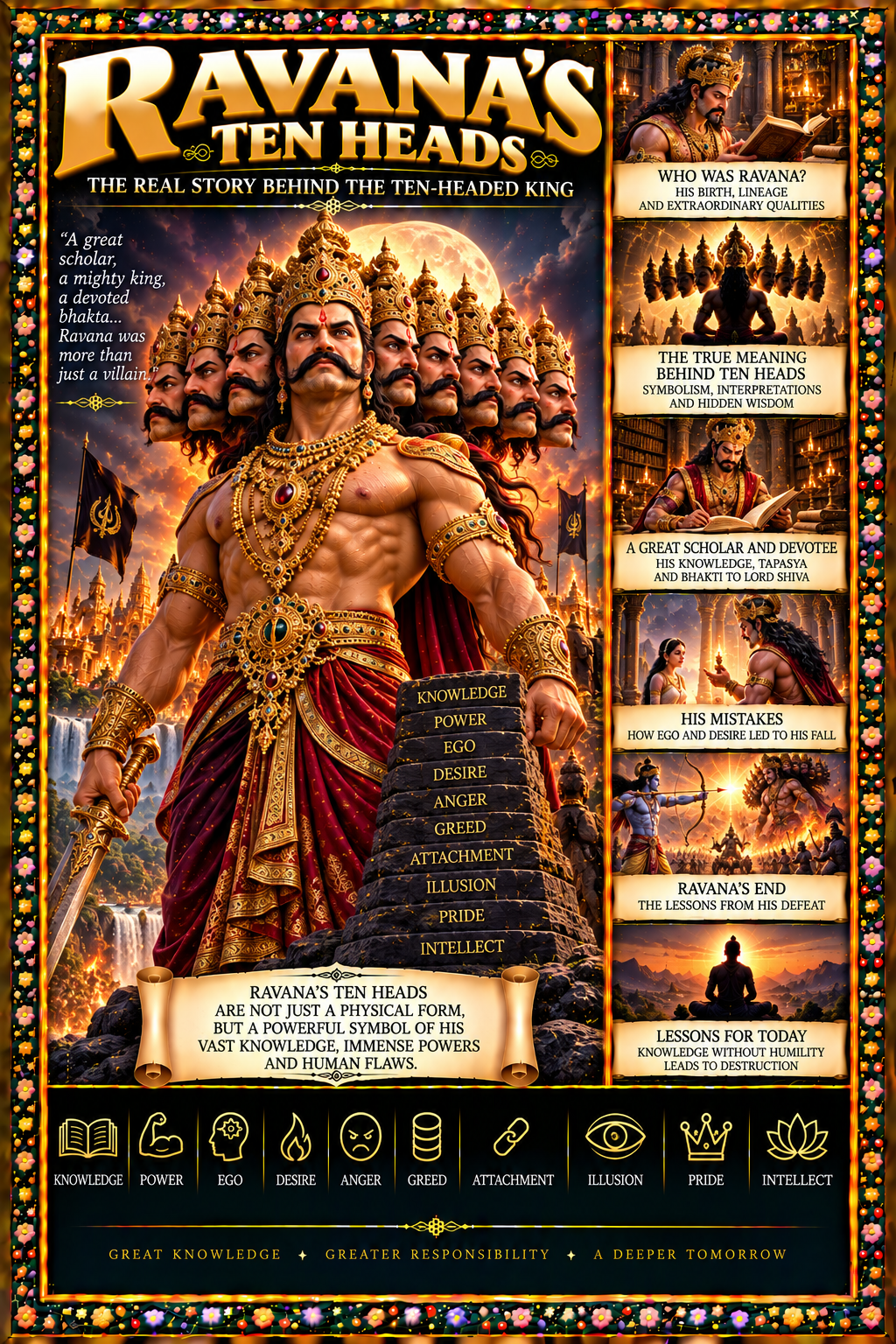
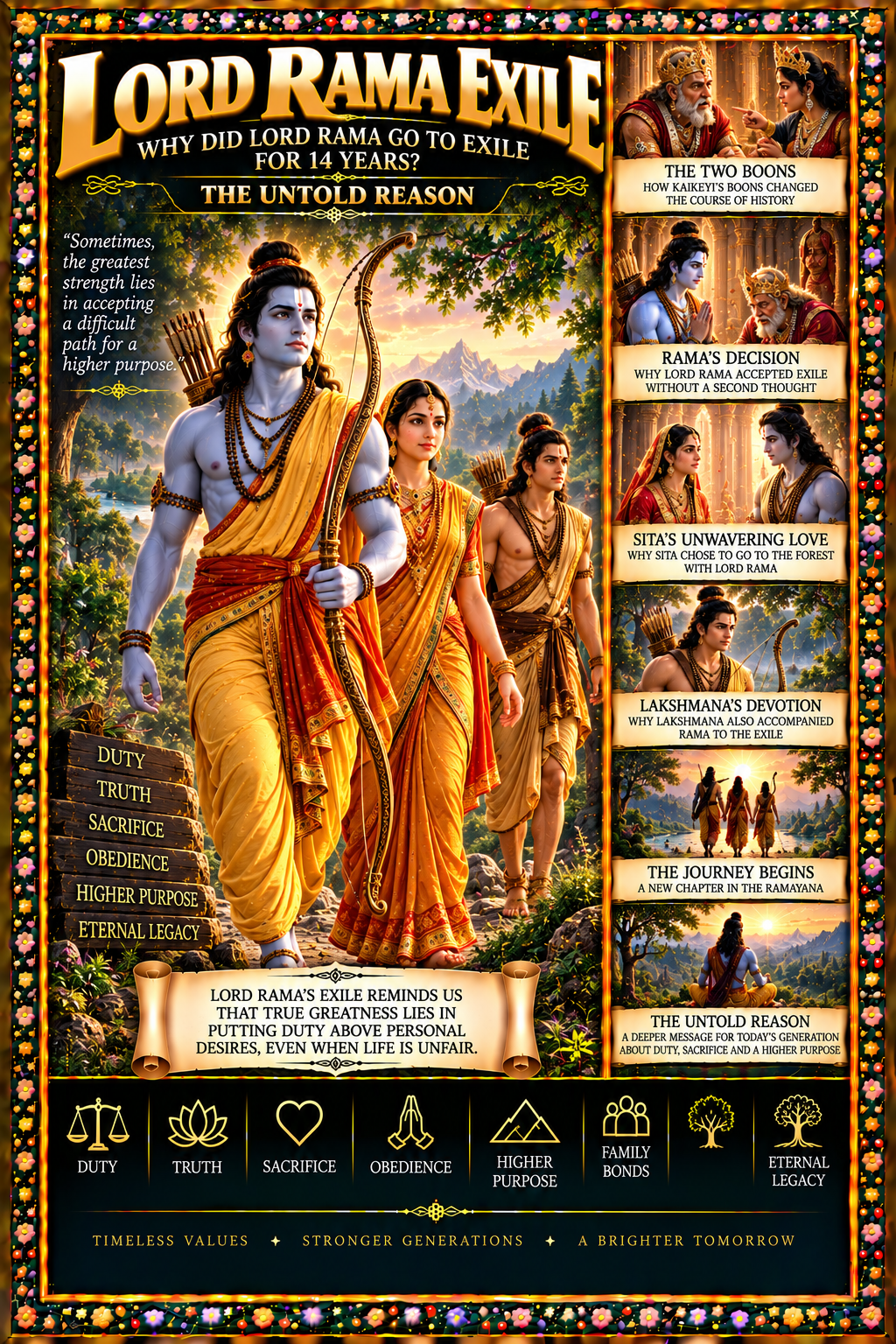
Vakratunda Ganapathi is a special form of Lord Ganesha that reminds us that no obstacle is too complicated for us to handle. Even his name says it all — Vakra means “curved” and Tunda means “trunk,” symbolizing life’s twists and turns. His bent trunk is like a message that the road may not always be straight, but if we keep going, we’ll win in the end. In this form, Ganesha holds an ankusha to guide us in the right direction and a pasha (noose) to pull away negativity. His calm, peaceful expression shows pure strength and inner balance. Praying to Vakratunda Ganapathi is believed to clear big hurdles from our path and fill us with courage, focus, and determination to succeed in whatever we aim for. For official cultural and historical archives, visit the Ministry of Culture, Government of India. Related Sacred Topics & Cultural Heritage: For further spiritual exploration, read about Lord Rama’s ideal life story. For further spiritual exploration, read about the 14-year exile of Lord Rama. For further spiritual exploration, read about Ravana’s story in the Ramayana. Origin and Significance of Vakratunda Ganapathi The origins of Vakratunda Ganapathi are deeply rooted in Ganapati Atharvashirsha and ancient Puranic…

- Lord Ganesha , Mythology
- July 31, 2025
- 656 views
About Lord Ganesh – The Beloved Remover of Obstacles and God of Wisdom
About lord Ganesh. There are several names for Lord Ganesha, including Ganapati, Vinayaka, and simply Ganesha, but he is one of the most revered and loved Hindu gods. Instantly recognizable by his elephant head, Ganesha is more than just a divine figure—he is a powerful symbol of wisdom, new beginnings, intellect, prosperity, and the removal of obstacles. From bustling Indian temples to quiet home shrines, from art galleries to school books, Ganesha’s presence is felt deeply in Hindu culture and beyond. But what makes him so special? Let’s explore the origins, symbolism, stories, and significance of this iconic deity. For official cultural and historical archives, visit the Incredible India Official Tourism Authority. Related Sacred Topics & Cultural Heritage: For further spiritual exploration, read about Lord Rama’s ideal life story. For further spiritual exploration, read about the 14-year exile of Lord Rama. For further spiritual exploration, read about Ravana’s story in the Ramayana. For further spiritual exploration, read about the Vijayadashami and Dasara festival. The Divine Birth of About lord Ganesh According to popular Hindu mythology, Lord Ganesha was created by Goddess Parvati, the consort of Lord Shiva. The story goes that Parvati, longing for a loyal companion, fashioned a boy…