Admin
Admin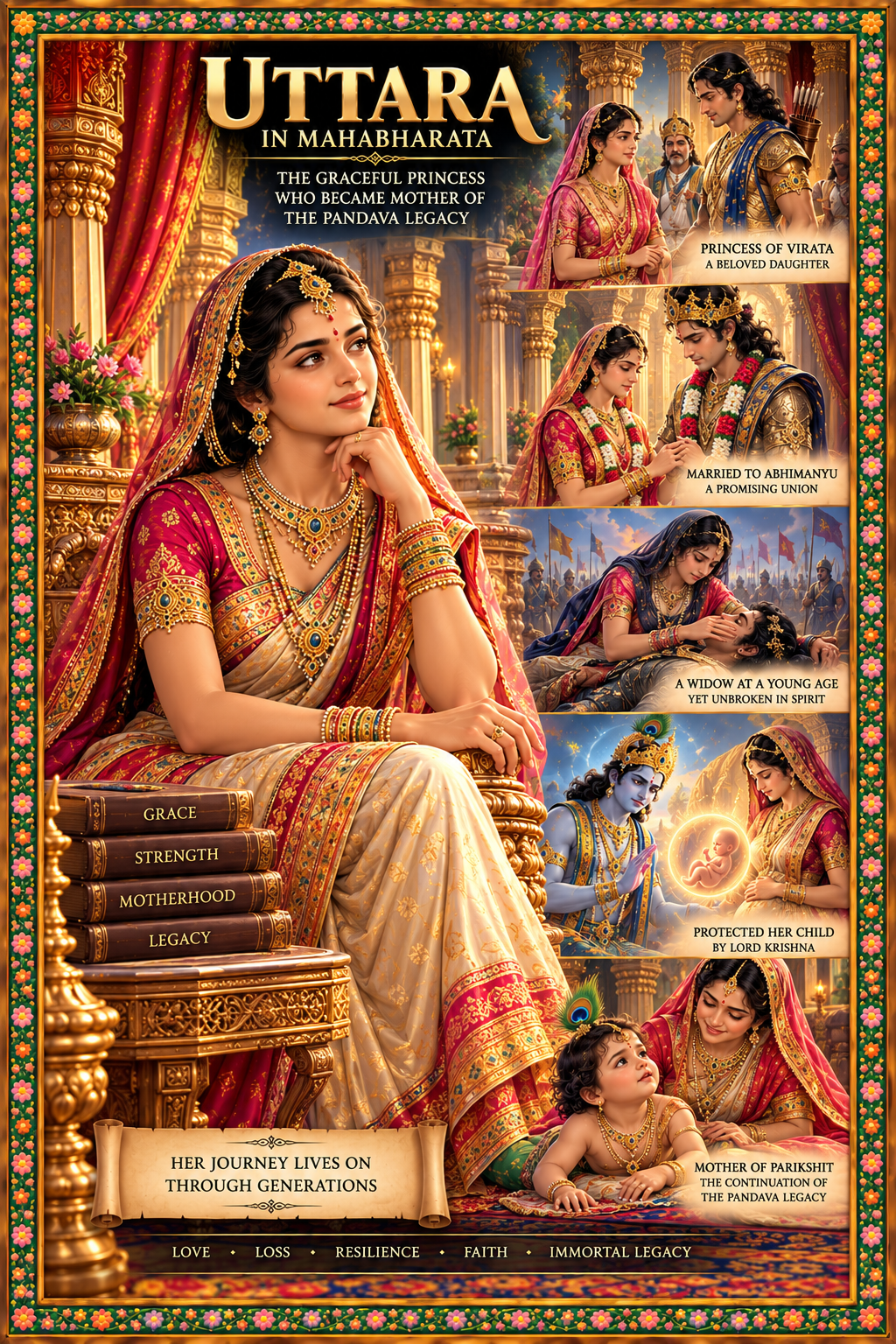
Introduction
The Mahabharata is filled with warriors, kings, and divine heroes—but behind the battlefield glory lie equally powerful stories of courage, devotion, and legacy. One such underrated yet significant character is Uttara, the princess of the Matsya Kingdom.
Though not a warrior on the battlefield, Uttara’s role shaped the future of the Pandava lineage. She became the mother of Parikshit, the sole surviving heir of the Pandavas, ensuring the continuation of the Kuru dynasty after the devastating Kurukshetra War.
This blog explores who Uttara was, her life, her marriage, her struggles, and her historical importance in the Mahabharata.
Who Was Uttara in Mahabharata?
Uttara was the daughter of King Virata of Matsya Kingdom and Queen Sudeshna. She was the princess of the kingdom where the Pandavas spent their final year of exile in disguise (Agyatavas).
She later married Abhimanyu, the brave son of Arjuna and Subhadra, becoming closely connected to the Pandava family.
Uttara in Mahabharata and Her Royal Birth
Uttara was born into the noble Matsya dynasty as the daughter of King Virata and Queen Sudeshna. Raised in a palace filled with discipline, culture, and moral values, she was trained in royal etiquette, devotion, and modesty.
Her upbringing shaped her calm nature and prepared her for the responsibilities she would later carry as a queen and mother of a legendary king.
Uttara in Mahabharata During the Pandavas’ Exile
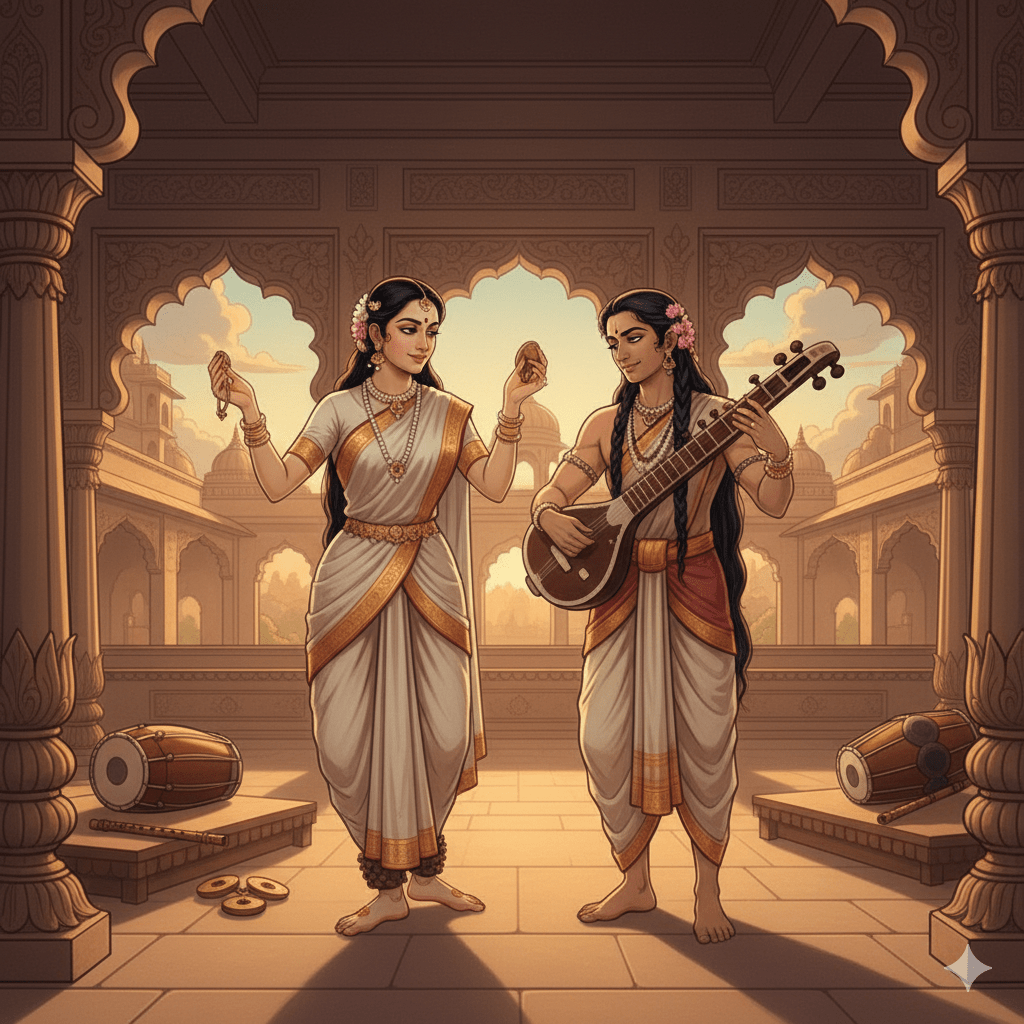
During the Pandavas’ one-year incognito exile (Agyatavasa), they lived in King Virata’s court. At this time, Arjuna disguised himself as Brihannala, a eunuch dance teacher, and became Uttara’s instructor in music and dance.
Uttara in Mahabharata shared a respectful teacher–student bond with Brihannala, completely unaware of his true identity. This period played a key role later when Arjuna arranged her marriage to his son Abhimanyu.
Uttara in Mahabharata and Her Relationship with Abhimanyu
The relationship between Uttara and Abhimanyu represents innocence, dharma, and destiny. Their union was not based on political ambition but on mutual respect and family honor.
Arjuna chose Abhimanyu as Uttara’s husband, stating that a teacher must be regarded like a parent, and therefore marriage with the teacher was inappropriate — reflecting ancient ethical values.
Marriage of Uttara in Mahabharata to Abhimanyu
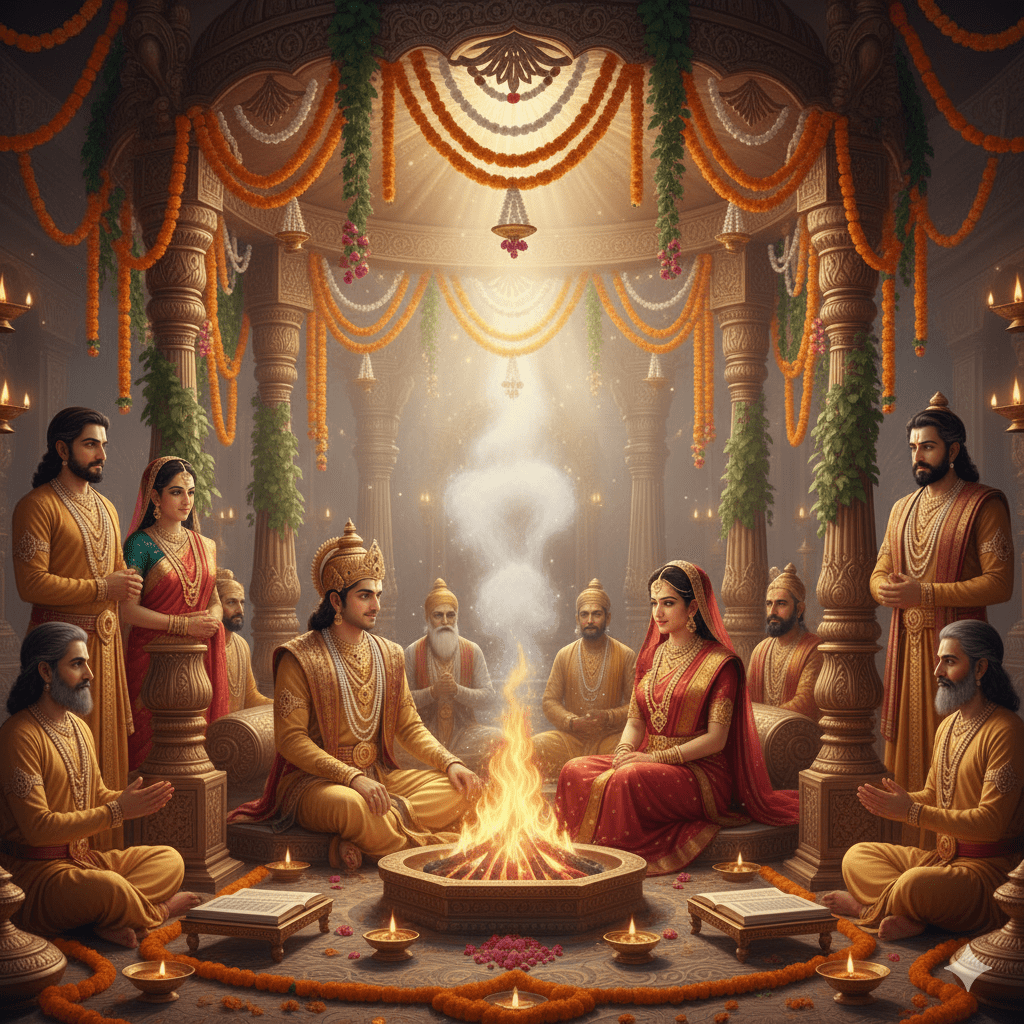
After the exile ended and the Pandavas revealed their identities, a grand wedding was arranged between Uttara and Abhimanyu. The marriage symbolized unity between the Matsya kingdom and the Pandavas.
Uttara in Mahabharata entered the Kuru dynasty with happiness and hope, unaware that fate had written a tragic path ahead.
Tragic Widowhood of Uttara in Mahabharata
The joy of marriage was short-lived. During the Kurukshetra war, Abhimanyu was brutally killed after being trapped inside the Chakravyuha.
Uttara in Mahabharata became a widow at a very young age while she was pregnant. Her sorrow shook the entire Pandava family. Her silent endurance during this unbearable loss highlights her emotional strength and spiritual depth.
Uttara in Mahabharata and the Birth of Parikshit
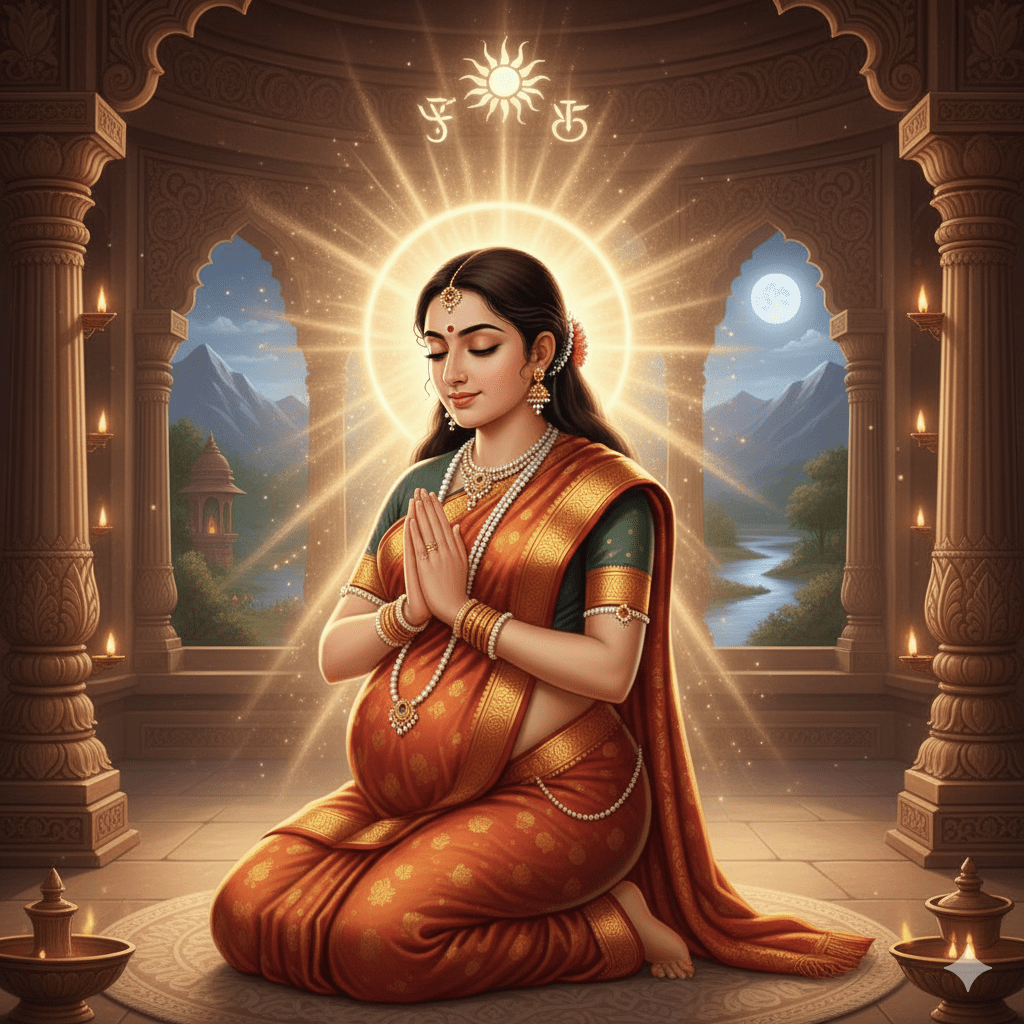
Uttara’s most significant contribution to the epic lies in her motherhood. Her unborn child was the last hope of the Kuru lineage after the war destroyed nearly the entire dynasty.
Her pregnancy carried not just a child, but the future of dharma itself.
Ashwatthama’s Attack on Uttara in Mahabharata
In an act of revenge, Ashwatthama released the Brahmastra to kill Uttara’s unborn child, aiming to end the Pandava lineage forever.
Uttara in Mahabharata, terrified and helpless, ran to Lord Krishna for protection, surrendering completely to divine grace.
Krishna’s Protection of Uttara in Mahabharata
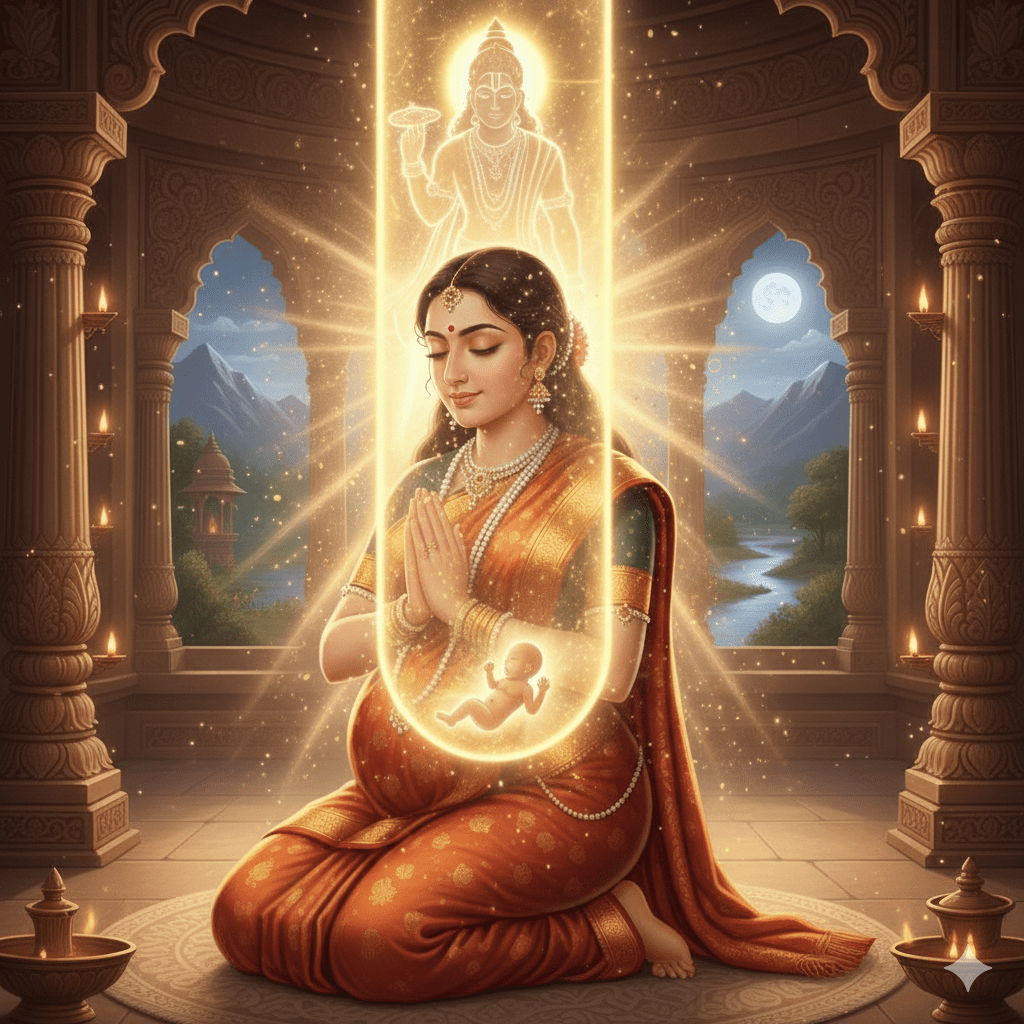
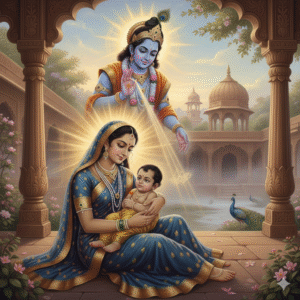
Moved by her devotion, Lord Krishna entered Uttara’s womb in divine form and protected the fetus from the Brahmastra’s fire.
The child survived and was later named Parikshit, meaning “one who was examined,” because he had seen the divine presence of Krishna before birth.
This moment makes Uttara one of the few women in scriptures directly protected by the Supreme Lord.
Role and Importance of Uttara in Mahabharata
Though not a warrior or ruler, Uttara in Mahabharata holds immense spiritual importance. Without her survival and motherhood, the Mahabharata lineage would have ended completely.
She stands as a bridge between destruction and renewal.
Uttara in Mahabharata as a Symbol of Strength
Uttara’s strength was not physical — it was emotional and spiritual.
- She accepted widowhood with dignity
- Carried her child amidst grief
- Faced divine weapons with faith
- Trusted Krishna completely
Her life teaches that silent endurance is also a form of heroism.
Uttara in Mahabharata in Kuru Dynasty History
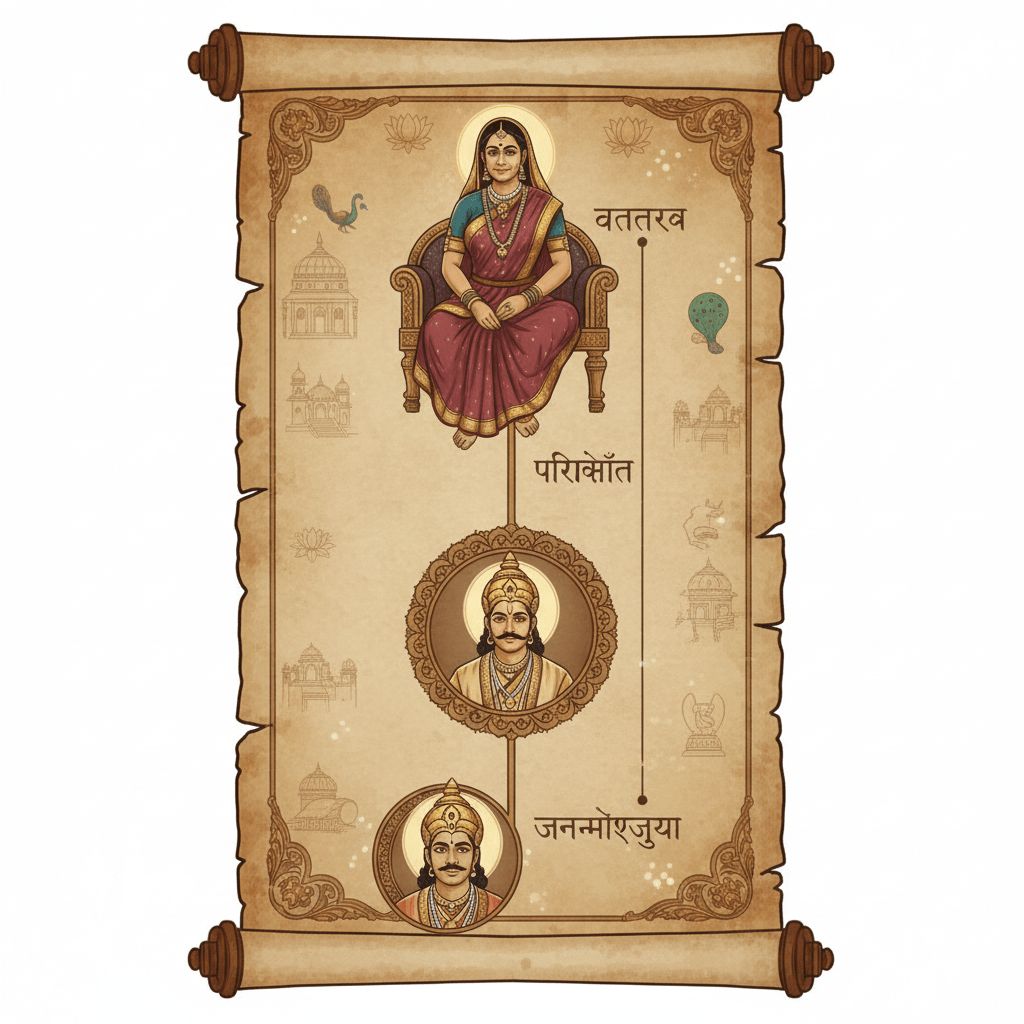
Uttara became the mother of King Parikshit, who later ruled Hastinapura wisely. Through him, the lineage continued to King Janamejaya, during whose reign the Mahabharata was narrated by Sage Vaishampayana.
Thus, Uttara in Mahabharata became the mother of history itself.
Untold Facts About Uttara in Mahabharata
Many details about Uttara are rarely discussed, yet they add depth to her character and importance.
Lesser-Known Stories of Uttara in Mahabharata
- Uttara is one of the few women personally protected by Krishna
- She witnessed divine intervention directly
- Her child was spiritually awakened before birth
- Her story symbolizes rebirth after destruction
Interesting Facts About Uttara in Mahabharata
- Uttara was a princess of Matsya kingdom
- She married Abhimanyu, Arjuna’s son
- She became a widow while pregnant
- Krishna saved her unborn child
- She was the mother of King Parikshit
- Her lineage continued the Mahabharata era
Conclusion
Uttara may not be as famous as Draupadi or Kunti, but her contribution to the Mahabharata is priceless. As the wife of Abhimanyu and mother of Parikshit, she became the bridge between destruction and renewal.
Her story teaches us that even in the darkest times, a single life—protected by faith and guided by purpose—can preserve the future of an entire civilization.
Uttara’s legacy is not written in weapons, but in wisdom, endurance, and divine grace.
Frequently Asked Questions (FAQs)
1. Who was Uttara in Mahabharata?
she was the princess of Matsya Kingdom, daughter of King Virata, wife of Abhimanyu, and mother of King Parikshit.
2. Who were Uttara’s parents?
Uttara’s parents were King Virata and Queen Sudeshna of Matsya.
3. Why is Uttara important in Mahabharata?
She is important because she gave birth to Parikshit, the future king who continued the Pandava lineage.
4. Who did Uttara marry?
She married Abhimanyu, the son of Arjuna and Subhadra.
5. Was Uttara pregnant when Abhimanyu died?
Yes, she was pregnant when Abhimanyu was killed in the Kurukshetra War.
6. Who was Uttara’s son?
Her son was King Parikshit, the grandson of Arjuna.
7. How did Parikshit survive Ashwatthama’s Brahmastra?
Lord Krishna protected the unborn child with his divine power and saved Parikshit.
8. What was Uttara’s relationship with Arjuna?
Arjuna was her teacher (as Brihannala during exile) and later became her father-in-law.
9. Which kingdom did Uttara belong to?
She belonged to the Matsya Kingdom, ruled by King Virata.
10. How did Uttara meet Abhimanyu?
she met Abhimanyu after the Pandavas revealed their identities and visited Matsya Kingdom openly.
11. Did Uttara participate in the Kurukshetra War?
No, she did not fight in the war; her role was significant through lineage and legacy.
12. Why did Arjuna refuse to marry Uttara?
Arjuna considered her his daughter because he had taught her during exile.
13. What happened to Uttara after the war?
She lived as queen mother and helped raise King Parikshit with wisdom and values.
14. Is Uttara mentioned in the Bhagavata Purana?
Yes, she is mentioned as the mother of Parikshit, who plays a central role in the Bhagavata Purana.
15. Was Uttara a trained warrior?
No, she was trained in dance and music, not in warfare.
16. Why is Parikshit important in Hindu tradition?
Parikshit became a righteous king and listener of the Bhagavata Purana narrated by Sage Shuka.
17. Did Uttara become queen of Hastinapura?
She became the queen mother when her son Parikshit ascended the throne.
18. What qualities define Uttara’s character?
she is known for grace, patience, devotion, resilience, and dignity.
19. Is Uttara considered an underrated character?
Yes, her role is often overlooked despite her crucial importance to the continuation of the dynasty.
20. What lessons does Uttara’s life teach us?
Her life teaches faith during hardship, inner strength, the power of motherhood, and the continuity of dharma.