Raja Ratnam
Introduction
Maa Katyayani – Day 6 of Navratri: On the sixth day of Navratri, devotees worship Maa Katyayani, one of the fiercest and most powerful forms of Goddess Durga. She is known as the warrior goddess who embodies courage, victory, and the destruction of evil forces. She was born as the daughter of Sage Katyayan, and hence she came to be called Katyayani.
Maa Katyayani is particularly revered because she was the one who defeated and killed the mighty demon Mahishasura, earning her the title of Mahishasuramardini (the slayer of Mahishasura). Devotees worship her for courage, protection, and marital bliss.
Appearance of Maa Katyayani – Day 6 of Navratri
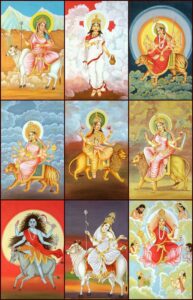
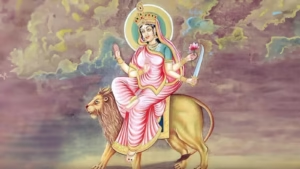
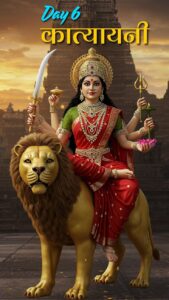
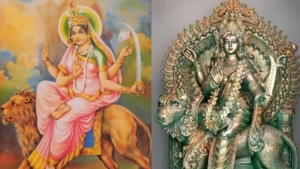
Maa Katyayani’s divine form radiates strength and valor:
- She rides a lion, symbolizing fearlessness.
- She has four arms:
- She holds a sword in one hand.
- A lotus flower in another.
- One hand is in Abhaya Mudra (blessing gesture).
- The other hand is in Varada Mudra (granting wishes).
- She has a bright, glowing complexion like gold.
- Her expression is fierce yet compassionate, showing her as both protector and destroyer of evil.
Significance of Maa Katyayani Worship
- Maa Katyayani is known as the destroyer of demons and negativity.
- She is worshipped by young unmarried girls to get a good husband (as per stories in the Bhagavata Purana).
- She blesses devotees with courage, fearlessness, and strength to overcome struggles.
- Her worship helps in removing obstacles in marriage and family life.
Maa Katyayani also represents the awakening of the Ajna (third eye) chakra, bringing intuition and wisdom.
Maa Katyayani – Day 6 of Navratri Color – Red
The auspicious color for Day 6 of Navratri is Red, symbolizing passion, strength, and action. Devotees wear red clothes and offer red flowers to Maa Katyayani during the puja.
Maa Katyayani Puja Vidhi (Step-by-Step Rituals)
Morning Preparations:
- Take a bath and wear red clothes.
- Purify the puja space and place Maa Katyayani’s idol or image.
Kalash Sthapana:
- Establish a Kalash filled with water, betel nut, and mango leaves.
- Cover it with red cloth and place a coconut on top.
Invocation of Maa Katyayani:
- Light a ghee lamp and incense sticks.
- Offer red flowers, kumkum, turmeric, and fruits.
Chanting the Mantra:
- Recite the mantra:
“Om Devi Katyayanyai Namah”
- Chant it 108 times with devotion.
Bhog (Offering):
- Offer honey, jaggery, and sweets made of gram flour (like boondi ladoo).
Aarti & Prayers:
- Perform aarti while singing devotional songs.
- Meditate on Maa Katyayani’s fierce yet protective form.
The Story of Maa Katyayani – Day 6 of Navratri
According to Hindu scriptures, there was once a powerful demon named Mahishasura who terrorized the gods and humans alike. To destroy him, the trinity of Brahma, Vishnu, and Shiva created a divine feminine energy. This energy took birth as the daughter of Sage Katyayan, who had been performing penance to receive the Goddess as his daughter.
Maa Katyayani grew into a fierce warrior goddess. She fought Mahishasura with immense strength and finally killed him, liberating the gods from his tyranny. Since then, she is worshipped as Mahishasuramardini.
Benefits of Worshipping Maa Katyayani – Day 6 of Navratri
- Grants courage and strength to overcome challenges.
- Removes obstacles in marriage and relationships.
- Protects devotees from enemies and negative forces.
- Helps unmarried women find suitable life partners.
- Awakens spiritual wisdom and inner strength.
- Provides success in career, education, and competitive exams.
Maa Katyayani – Day 6 of Navratri (Prayer)
“Chandrahasojjwal Karaa Shaardulvarvaahana,
Katyayani Shubham Dadaad Devi Daanyaa Maheshwari.”
Reciting this stotra brings divine blessings and protection from Maa Katyayani.
Offerings (Naivedya) for Maa Katyayani – Day 6 of Navratri
- Honey
- Jaggery sweets (boondi ladoo, gur halwa)
- Fruits like pomegranate and apple
- Red flowers and kumkum
Spiritual Meaning of Maa Katyayani – Day 6 of Navratri Worship
Maa Katyayani represents the fierce power of Shakti that destroys negativity and ignorance. Spiritually, her worship symbolizes the awakening of the Ajna Chakra (third eye), which enhances intuition, wisdom, and clarity of thought.
Maa Katyayani – Day 6 of Navratri Aarti
“Jai Ambe Gauri, Maiya Jai Shyama Gauri,
Tumko Nish Din Dhyavat, Har Vishnu Shivaji.”
Devotees sing aarti with devotion, seeking her blessings of protection and fearlessness.
20 FAQs on Maa Katyayani – Day 6 of Navratri
Q1. Who is Maa Katyayani?
A1. She is the sixth form of Durga, born as the daughter of Sage Katyayan, and is known as Mahishasuramardini.
Q2. Why is she called Katyayani?
A2. Because she was born to Sage Katyayan after his deep penance.
Q3. Which day of Navratri is dedicated to Maa Katyayani?
A3. The sixth day of Navratri.
Q4. What is Maa Katyayani’s vehicle?
A4. She rides a lion.
Q5. How many arms does Maa Katyayani have?
A5. She has four arms.
Q6. What does Maa Katyayani hold in her hands?
A6. She holds a sword and lotus, and her other hands are in blessing and boon-giving gestures.
Q7. What is Maa Katyayani’s complexion like?
A7. Her complexion is golden and radiant.
Q8. What is Maa Katyayani known for?
A8. She is known for killing Mahishasura and protecting devotees.
Q9. What is the color of Day 6 of Navratri?
A9. Red is the auspicious color of the day.
Q10. What is the bhog offered to Maa Katyayani?
A10. Honey, jaggery, and sweets are offered.
Q11. What is her significance for unmarried girls?
A11. Young women worship her to get a good husband.
Q12. Which mantra is chanted for Maa Katyayani?
A12. “Om Devi Katyayanyai Namah.”
Q13. Which chakra is associated with Maa Katyayani?
A13. The Ajna (third eye) chakra.
Q14. What are the benefits of worshipping Maa Katyayani?
A14. Courage, protection, marital bliss, and spiritual awakening.
Q15. Where is Maa Katyayani mentioned in scriptures?
A15. She is mentioned in the Devi Mahatmyam and Bhagavata Purana.
Q16. Who killed Mahishasura?
A16. Maa Katyayani killed Mahishasura.
Q17. Can Maa Katyayani be worshipped outside Navratri?
A17. Yes, she can be worshipped anytime with devotion.
Q18. What fruits are offered to Maa Katyayani?
A18. Pomegranate, apple, and other red fruits.
Q19. What does the lion symbolize in her form?
A19. The lion represents courage and power.
Q20. How does Maa Katyayani bless devotees?
A20. She removes negativity, protects from enemies, and grants courage and marital harmony.
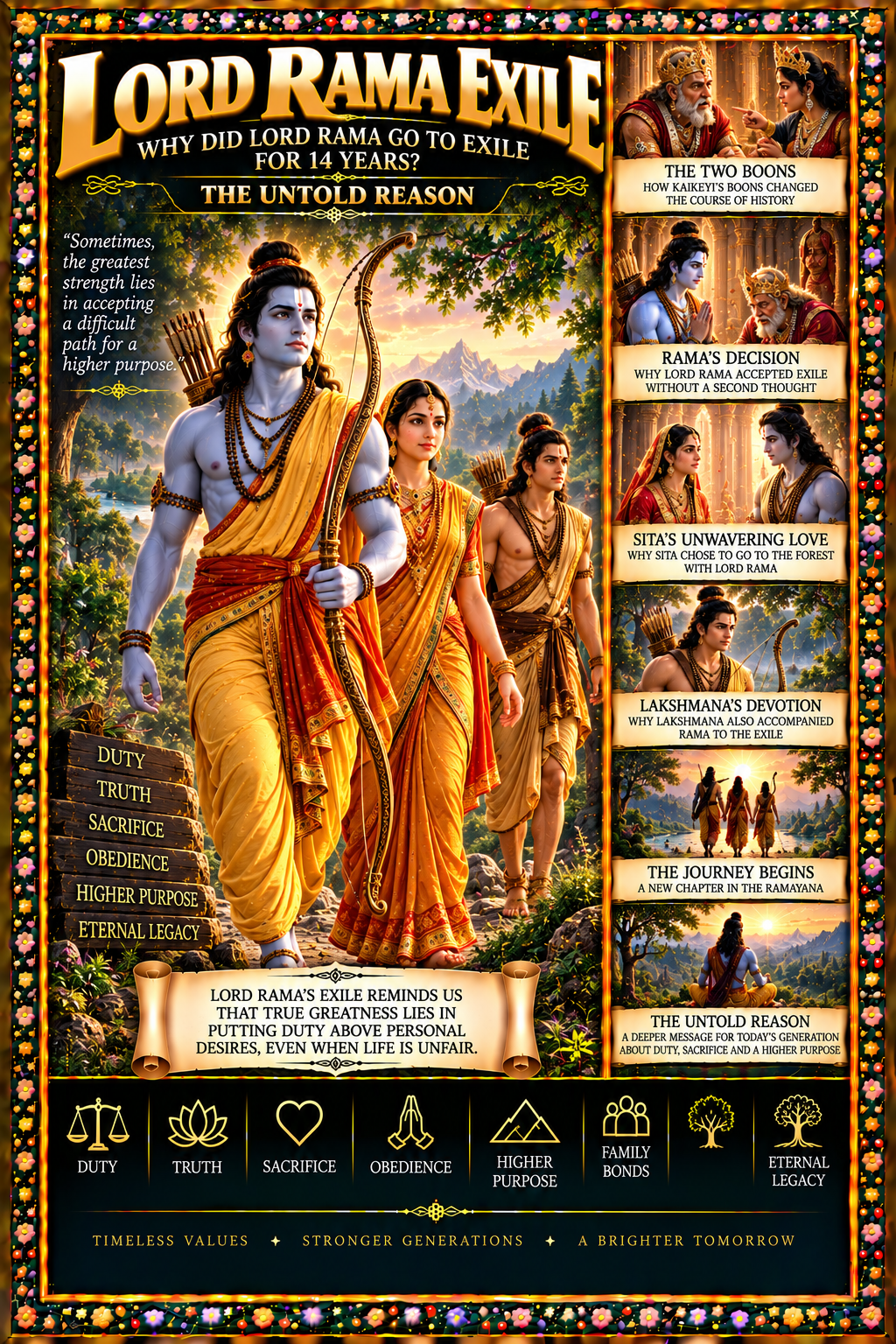
Related Sacred Topics & Cultural Heritage: For further spiritual exploration, read about Lord Rama’s ideal life story. For further spiritual exploration, read about the 14-year exile of Lord Rama.
Conclusion: Maa Katyayani – Day 6 of Navratri
Maa Katyayani, the sixth form of Goddess Durga, represents fierce courage, inner strength, and ultimate victory over negativity. Her story inspires devotees to stand fearlessly against challenges, just as she destroyed the mighty demon Mahishasura. Worshipping Maa Katyayani during the sixth day of Navratri fills one’s life with determination, confidence, and divine blessings.
For young women, especially those seeking an ideal life partner, her blessings are believed to bring harmony in relationships and marital happiness. For spiritual seekers, she represents the energy that helps dissolve ego and attachment, guiding them toward liberation.
In today’s world, Maa Katyayani’s message is deeply relevant — she teaches us to conquer inner fears, fight injustice, and embrace righteousness. By chanting her mantras, offering prayers, and observing rituals with devotion, devotees receive her divine protection and strength to walk on the path of truth.
As we honor Maa Katyayani, let us remember that she is the embodiment of divine feminine power (Shakti), reminding us that true victory lies not only in defeating external enemies but also in overcoming the darkness within.