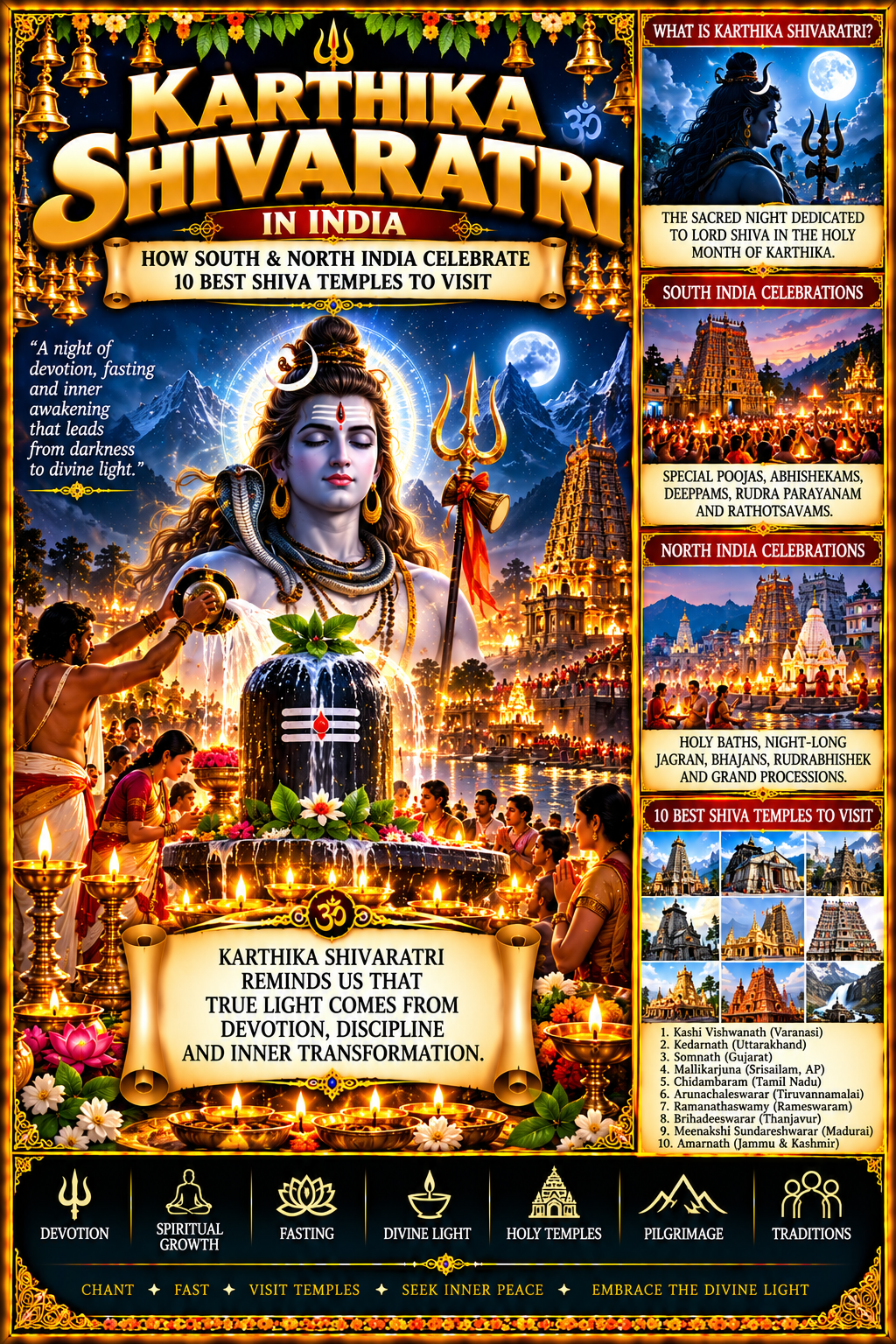
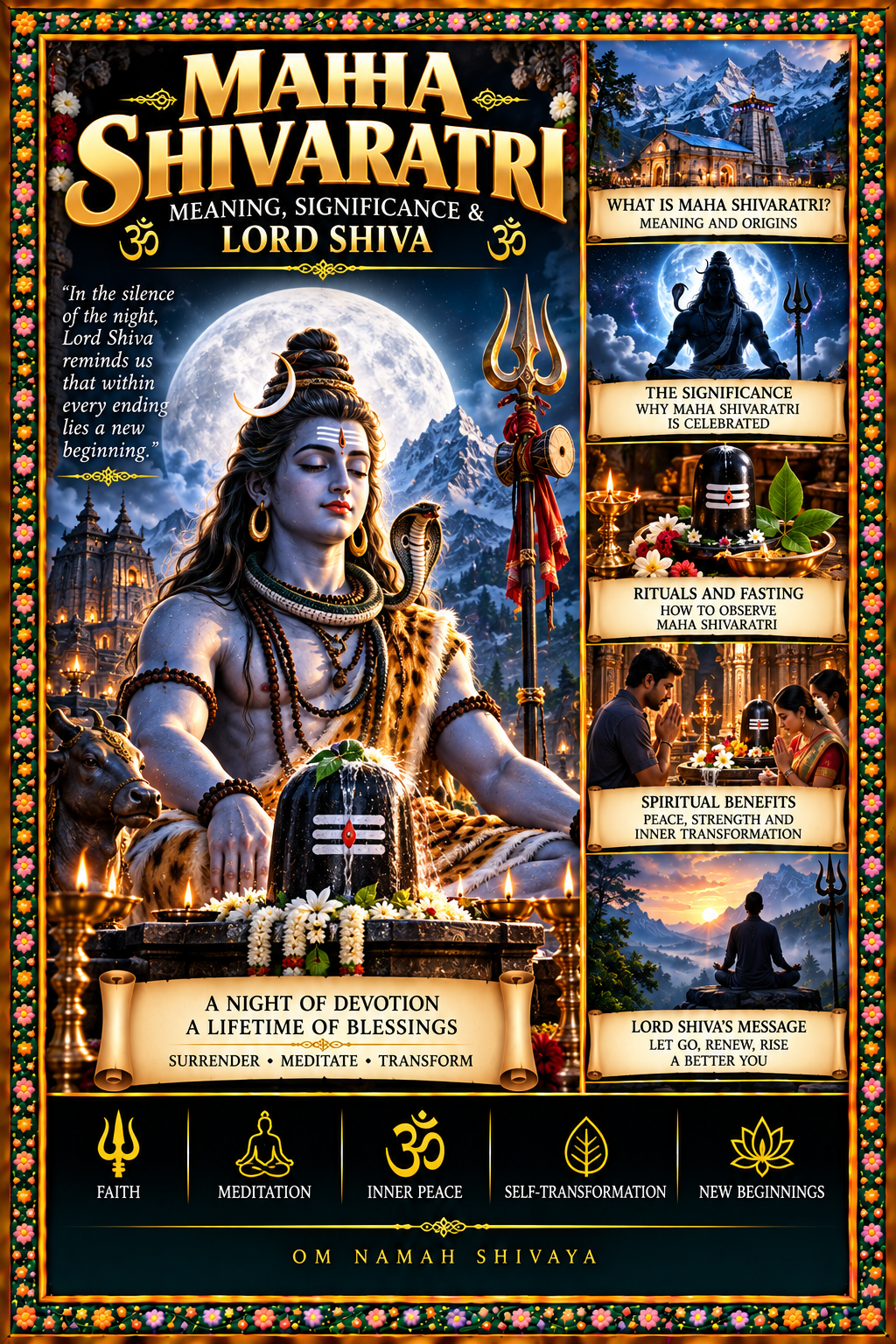
 How to Celebrate Karthika Shivaratri in South and North India: 10 Shiva Temples
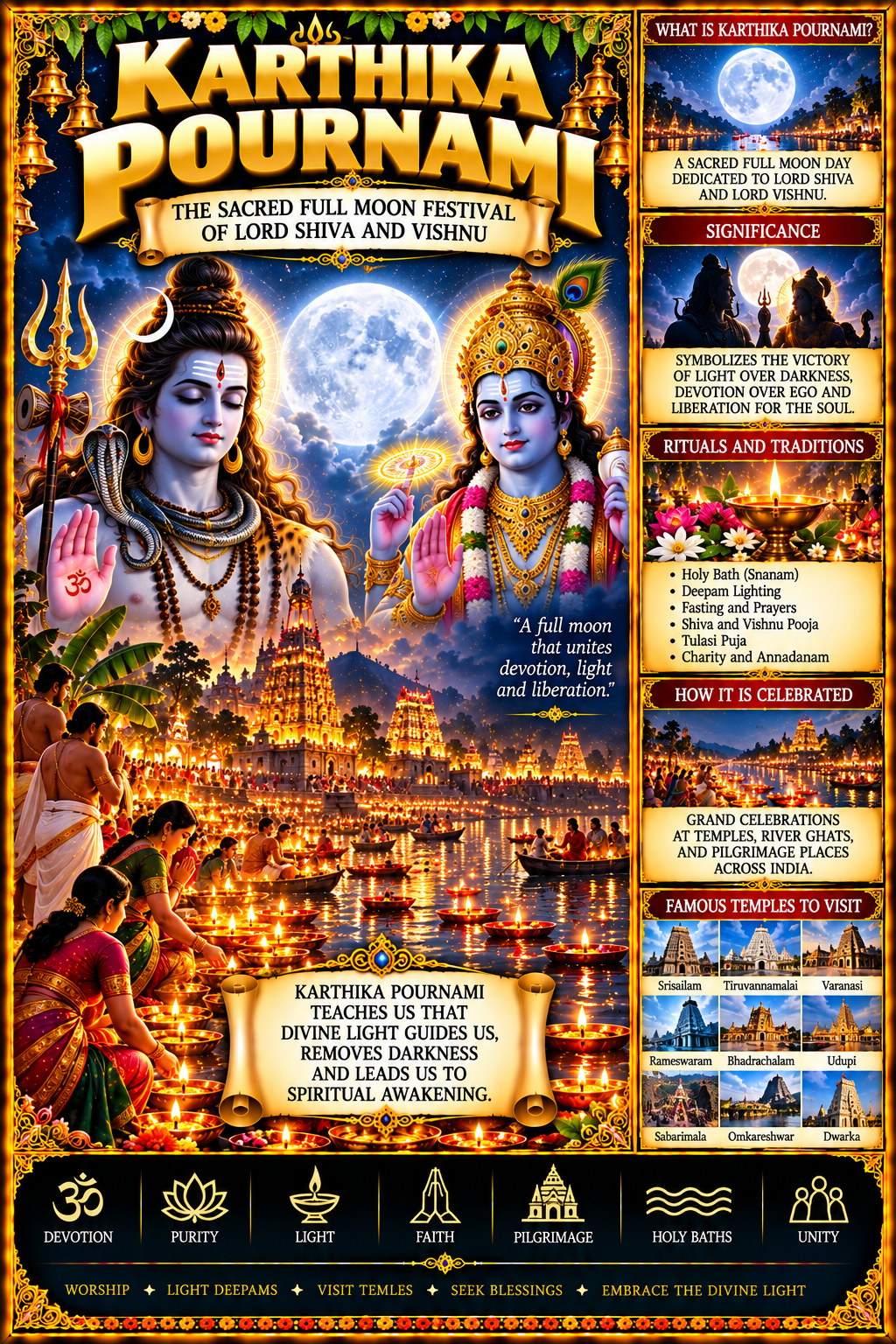 Karthika Pournami: The Sacred Full Moon Festival of Lord Shiva and Vishnu
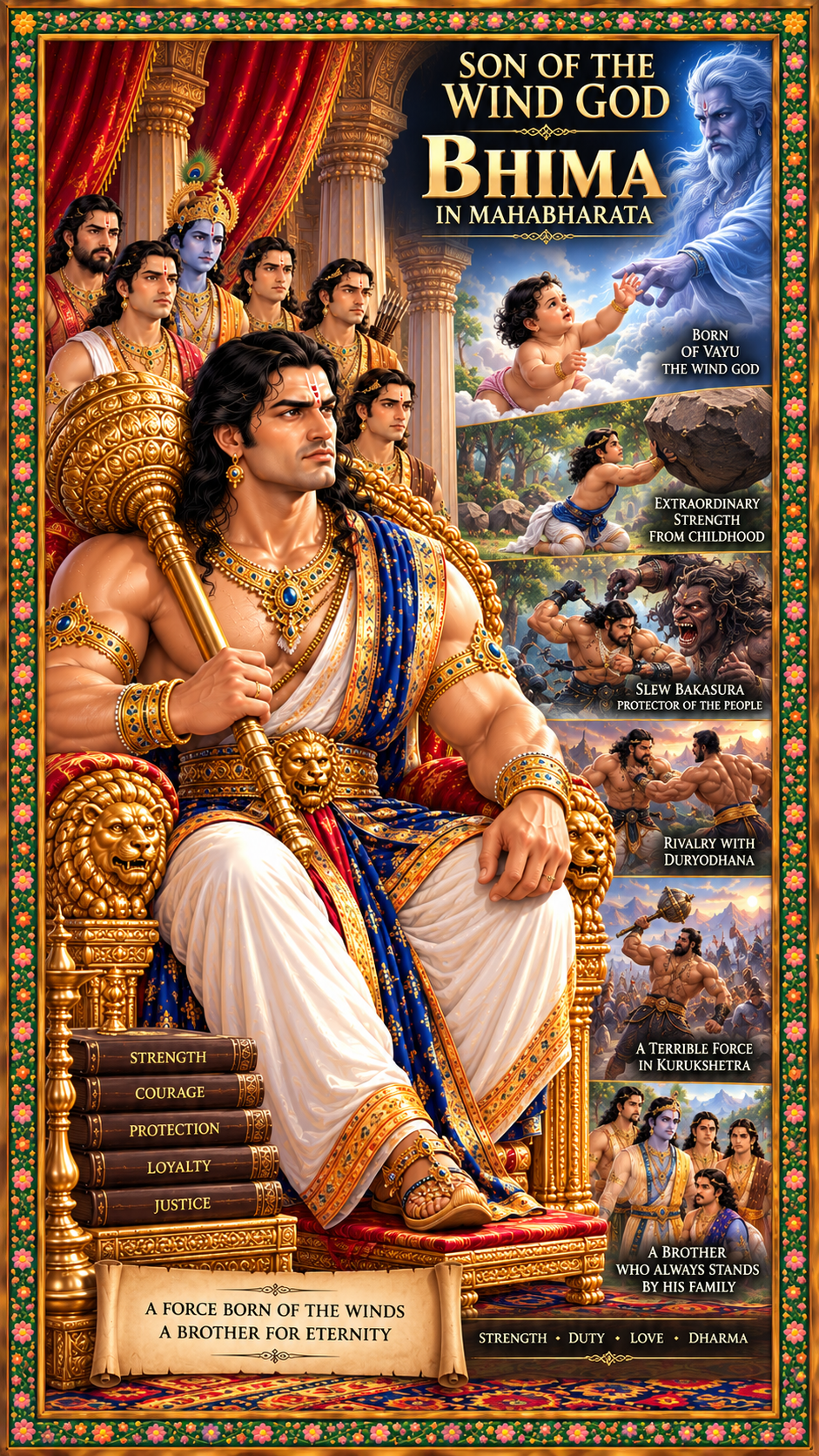
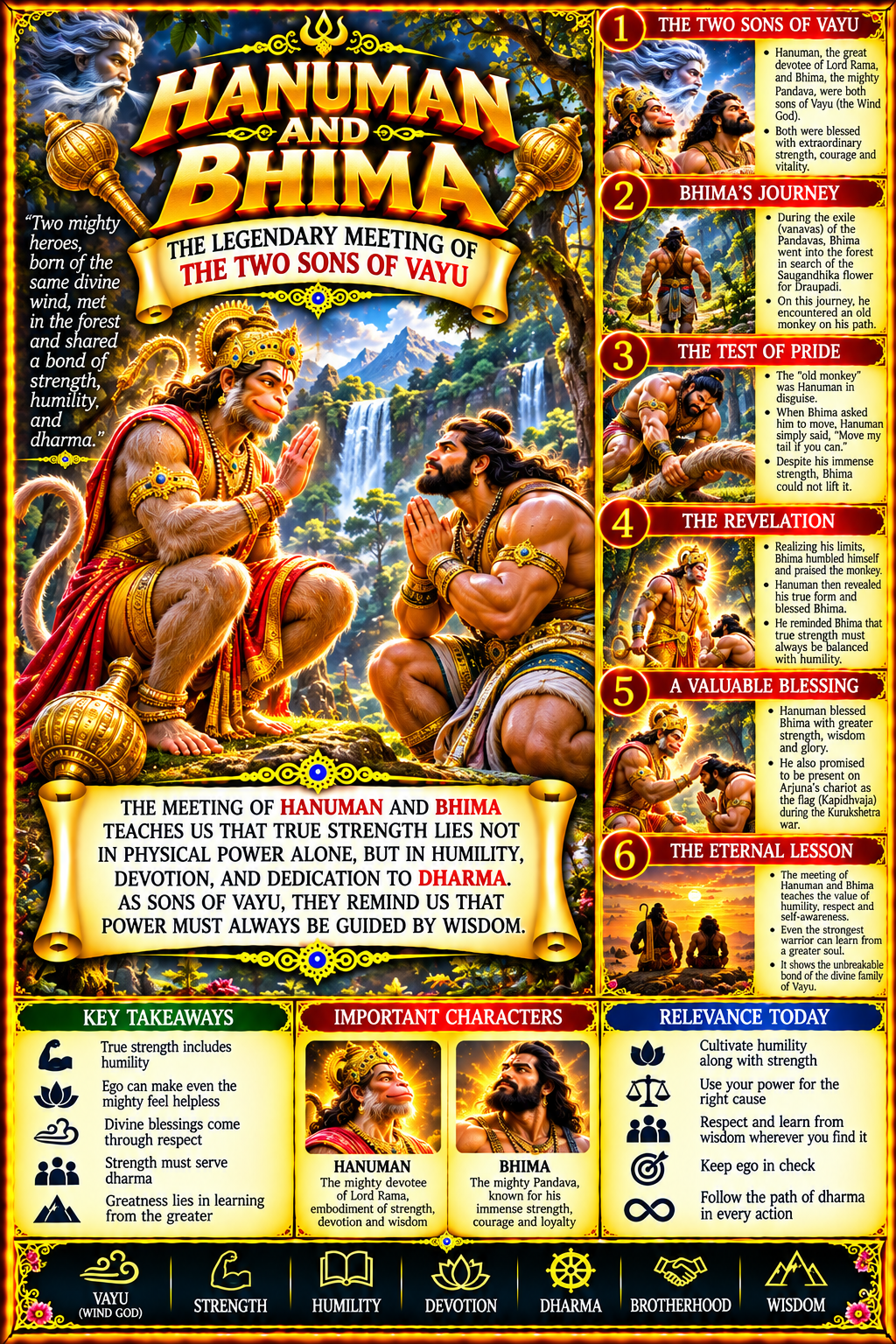 Hanuman and Bhima: The Legendary Meeting of the Two Sons of Vayu
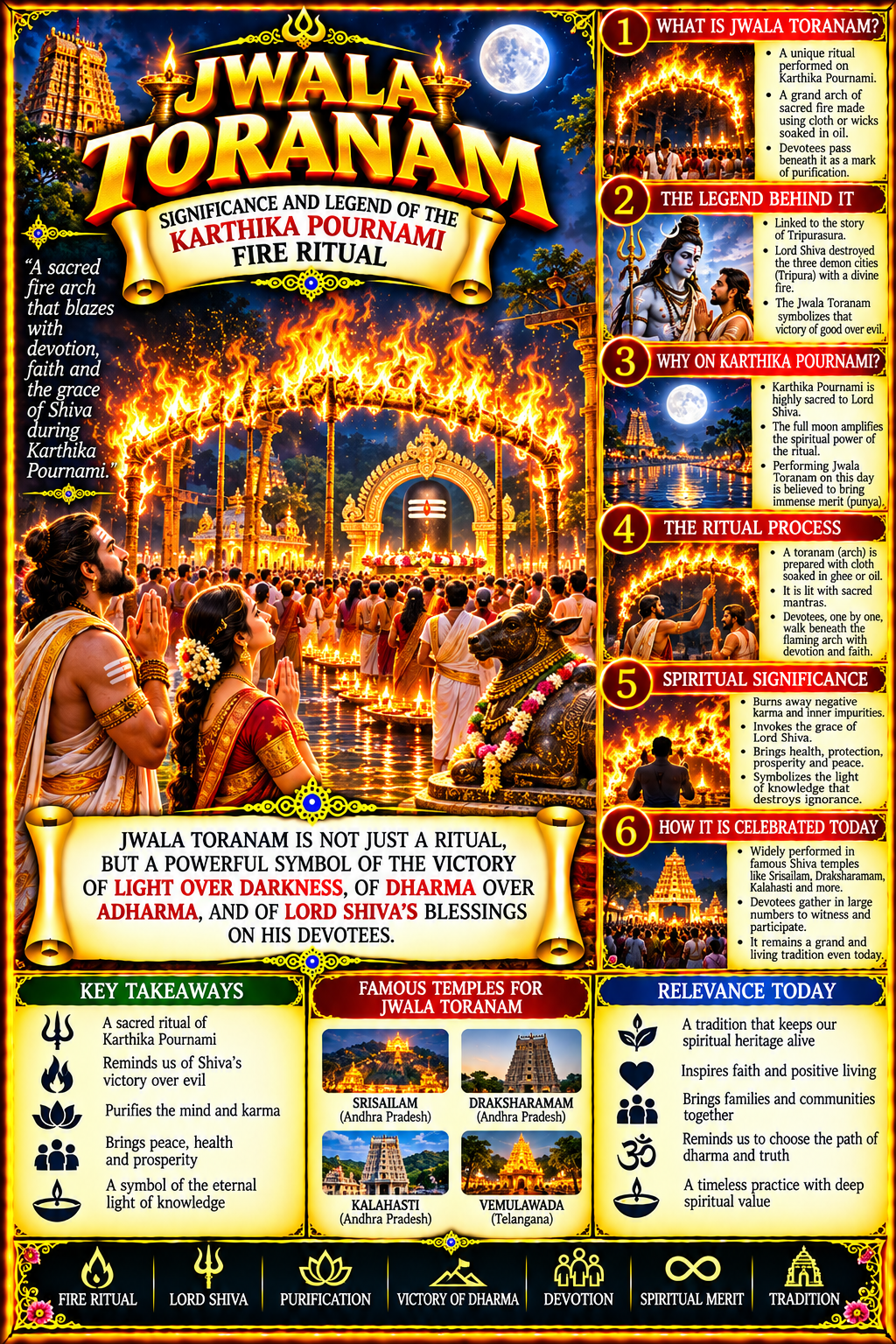 Jwala Toranam: Significance and Legend of the Karthika Pournami Fire Ritual
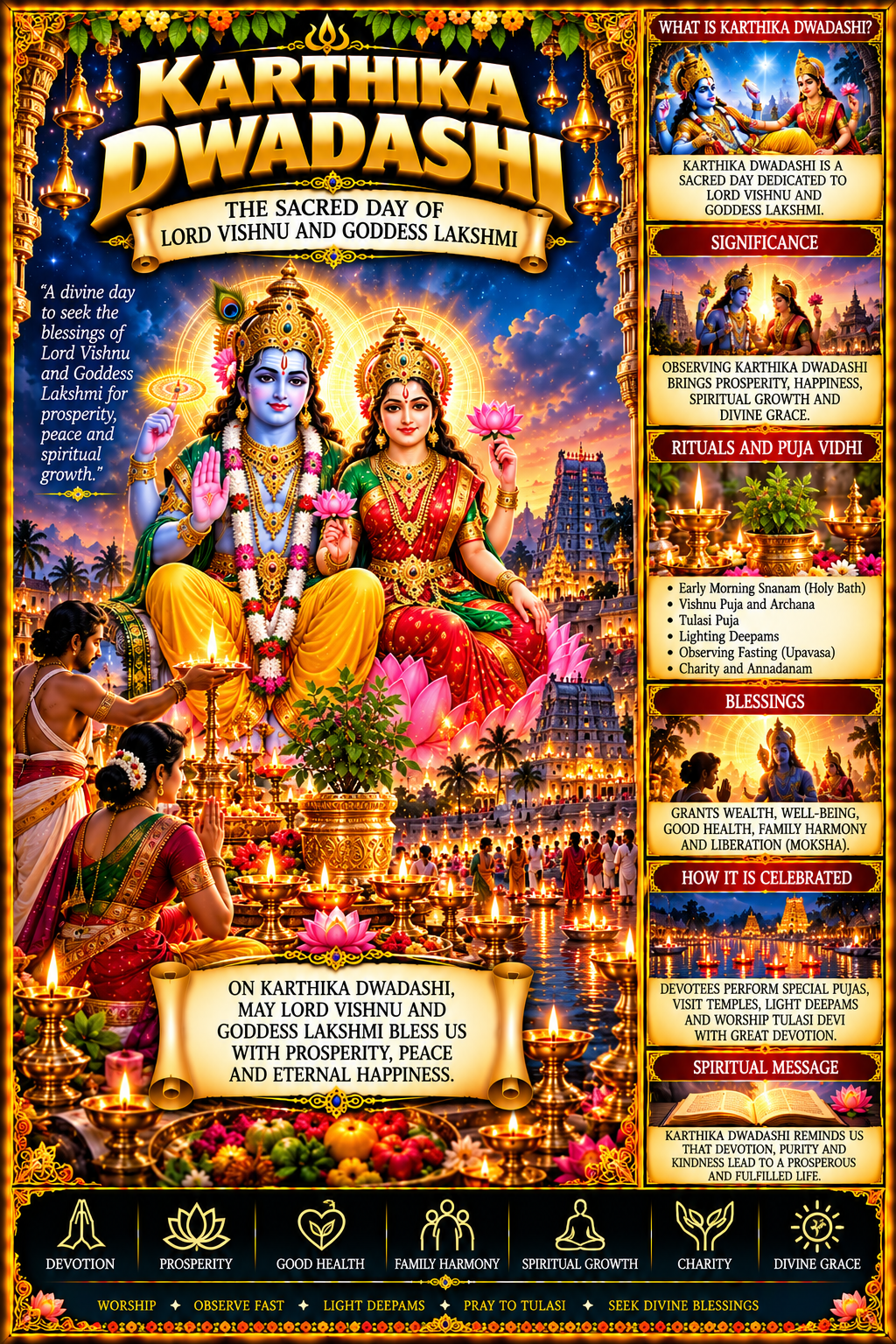 Karthika Dwadashi: The Sacred Day of Lord Vishnu and Goddess Lakshmi
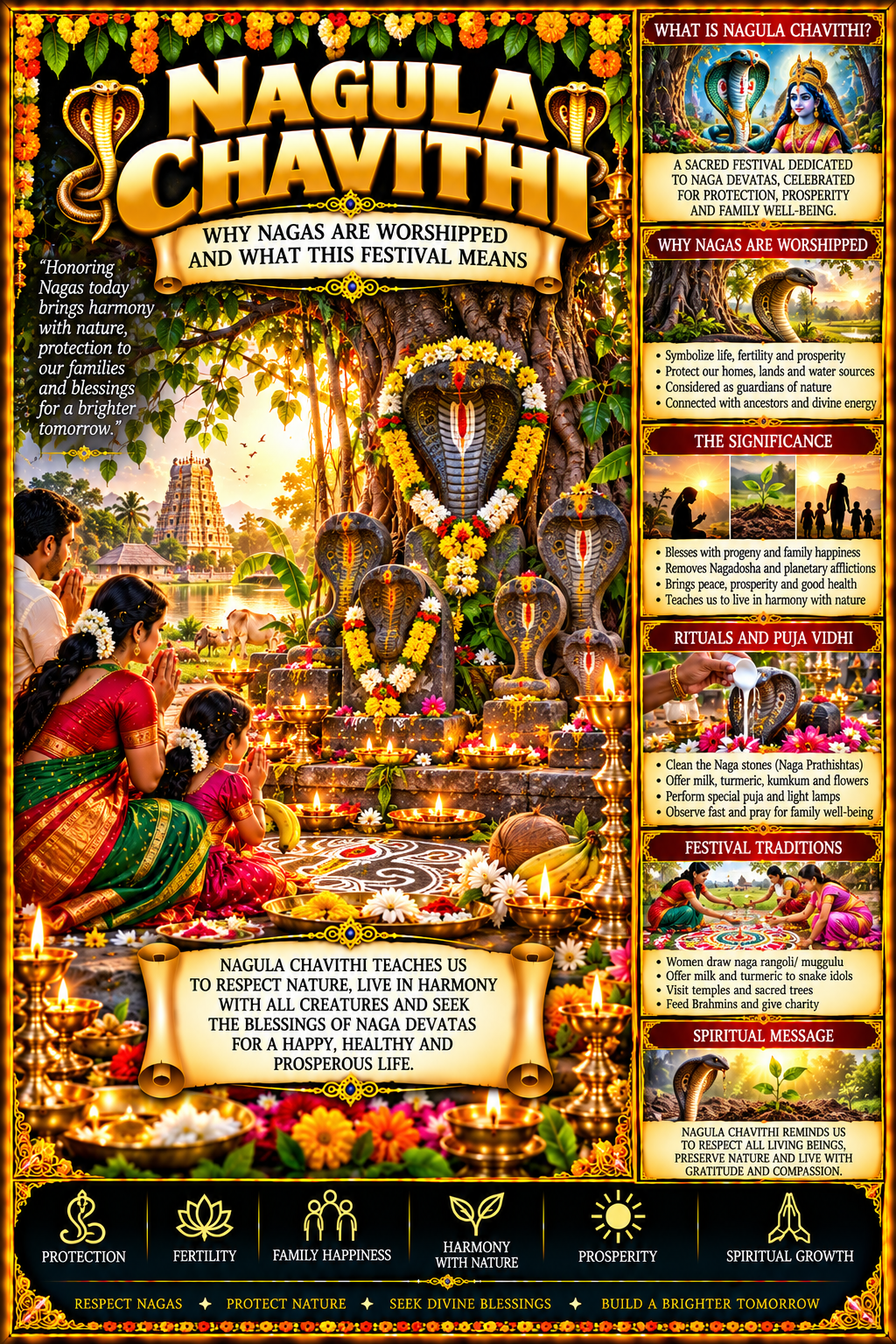 Nagula Chavithi: Why Nagas Are Worshipped and What This Festival Means
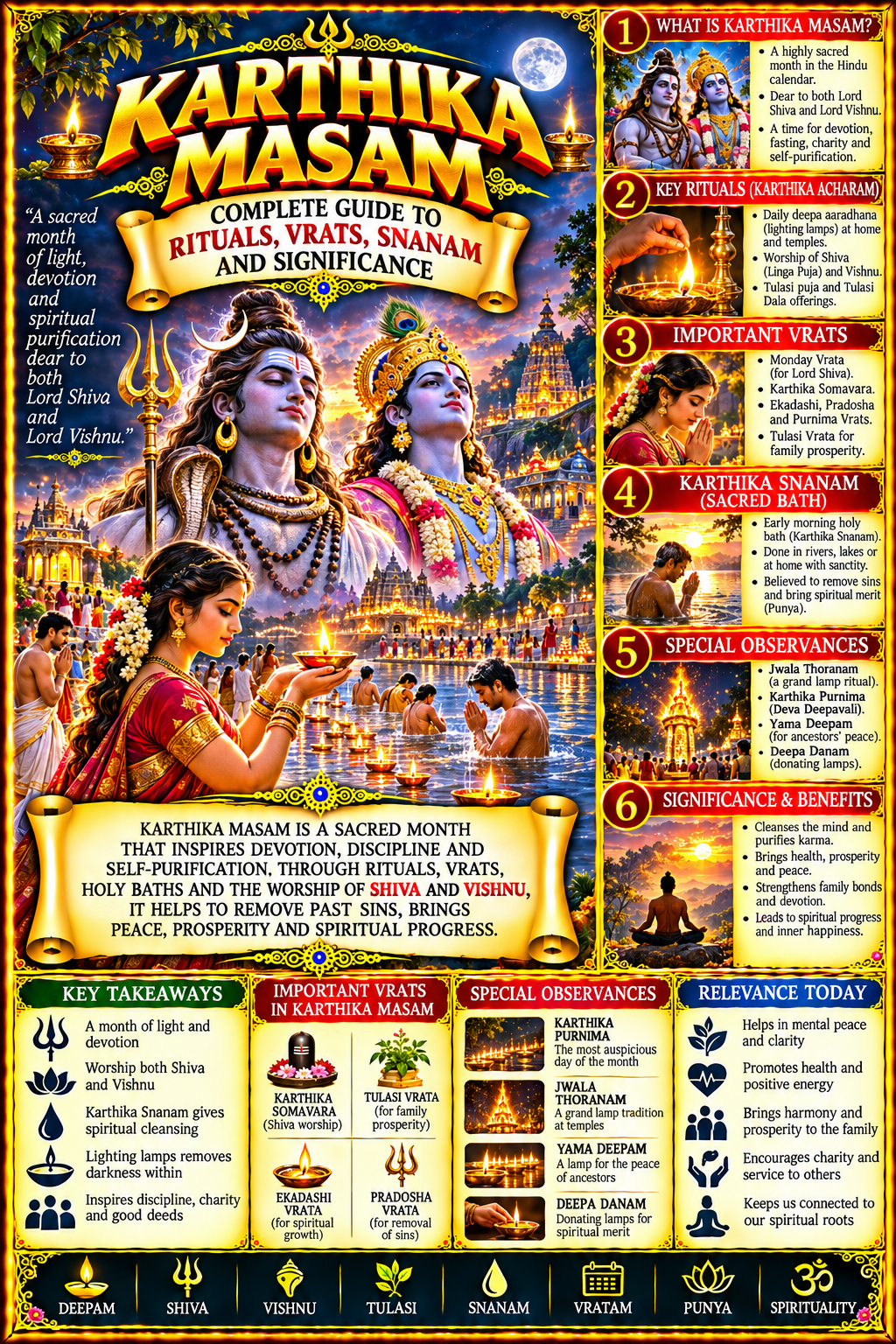 Karthika Masam: Complete Guide to Rituals, Vrats, Snanam and Significance
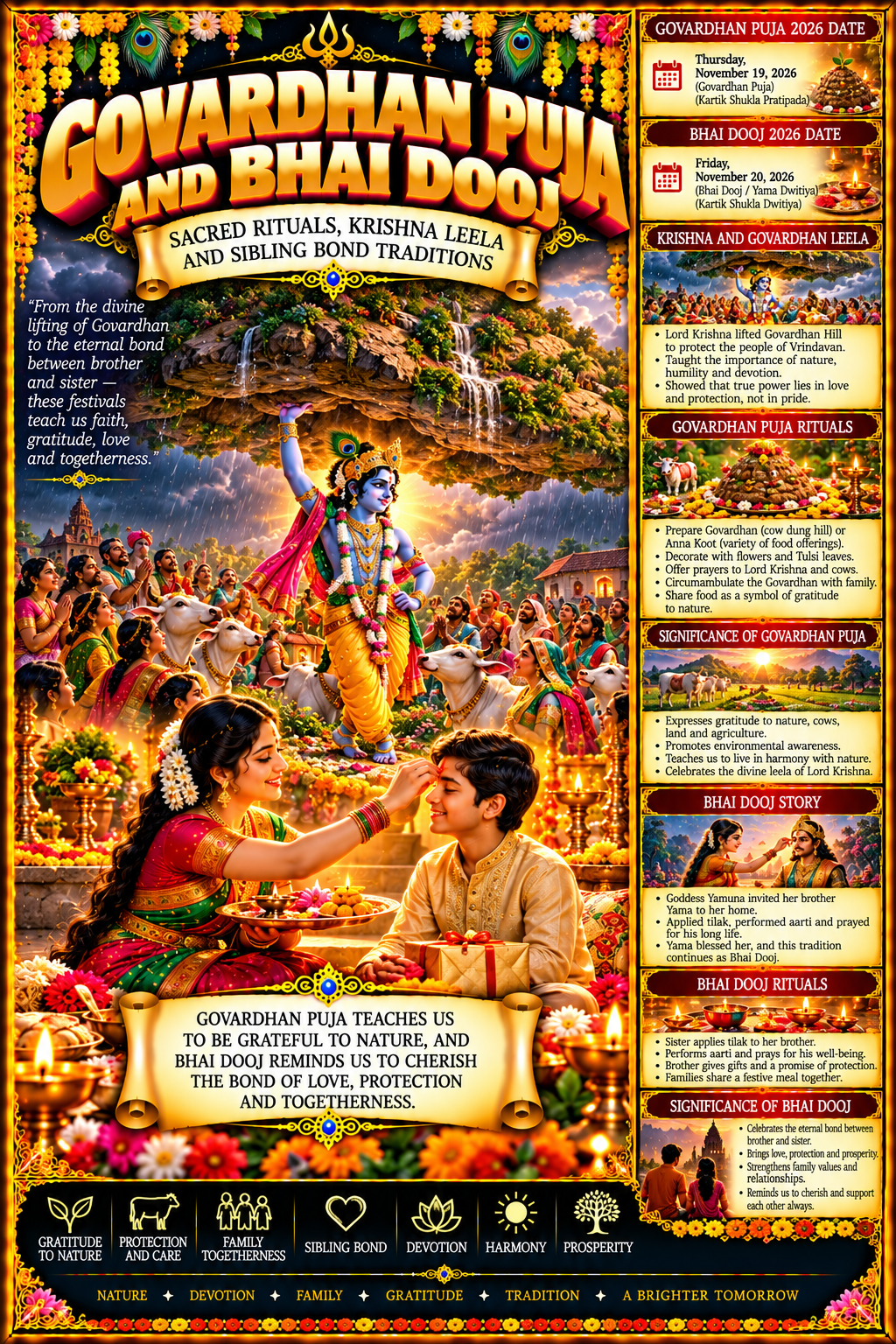
 Yama Vidiya 2026: Story of Yama & Yamuna | Bhai Dooj Significance and Rituals
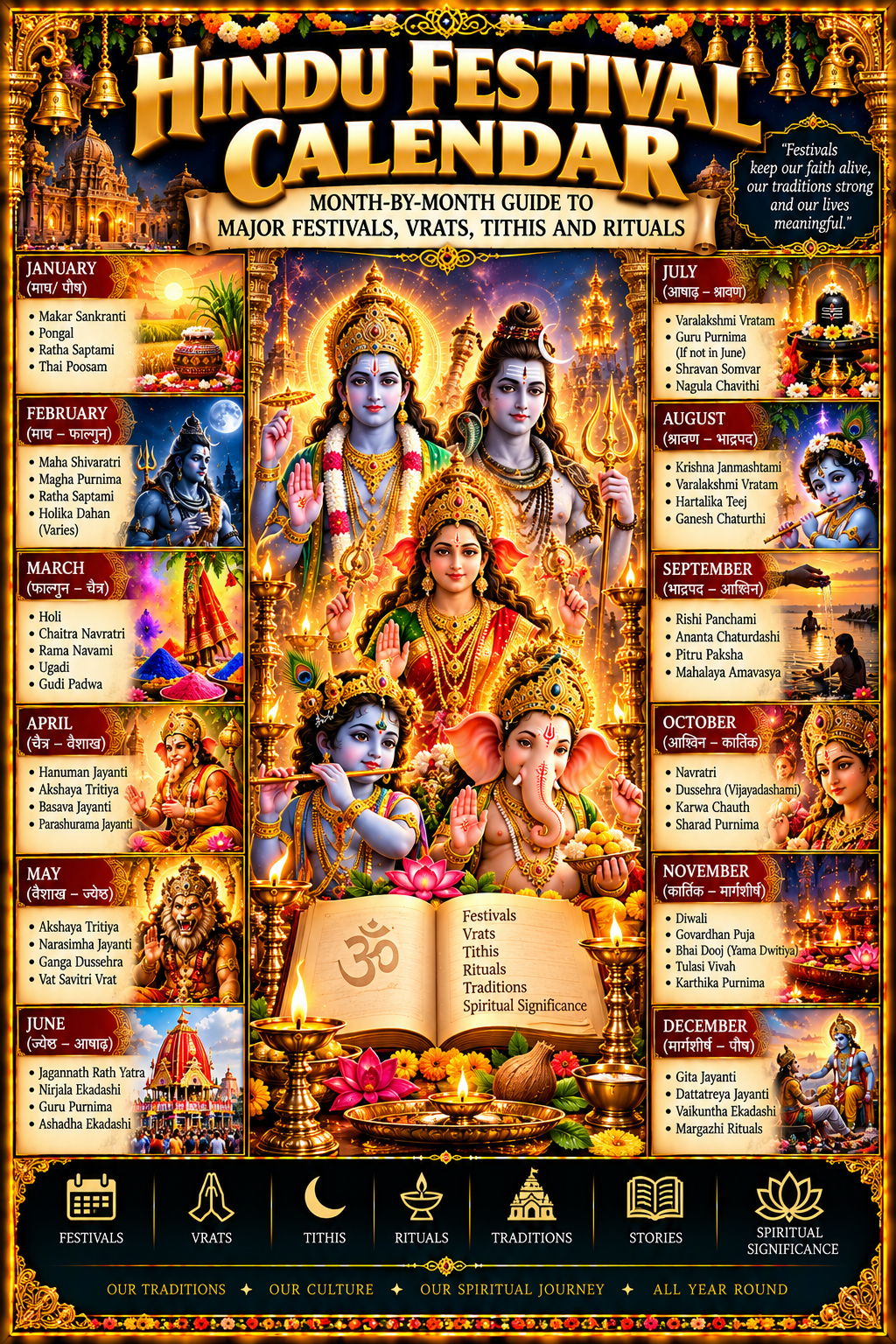
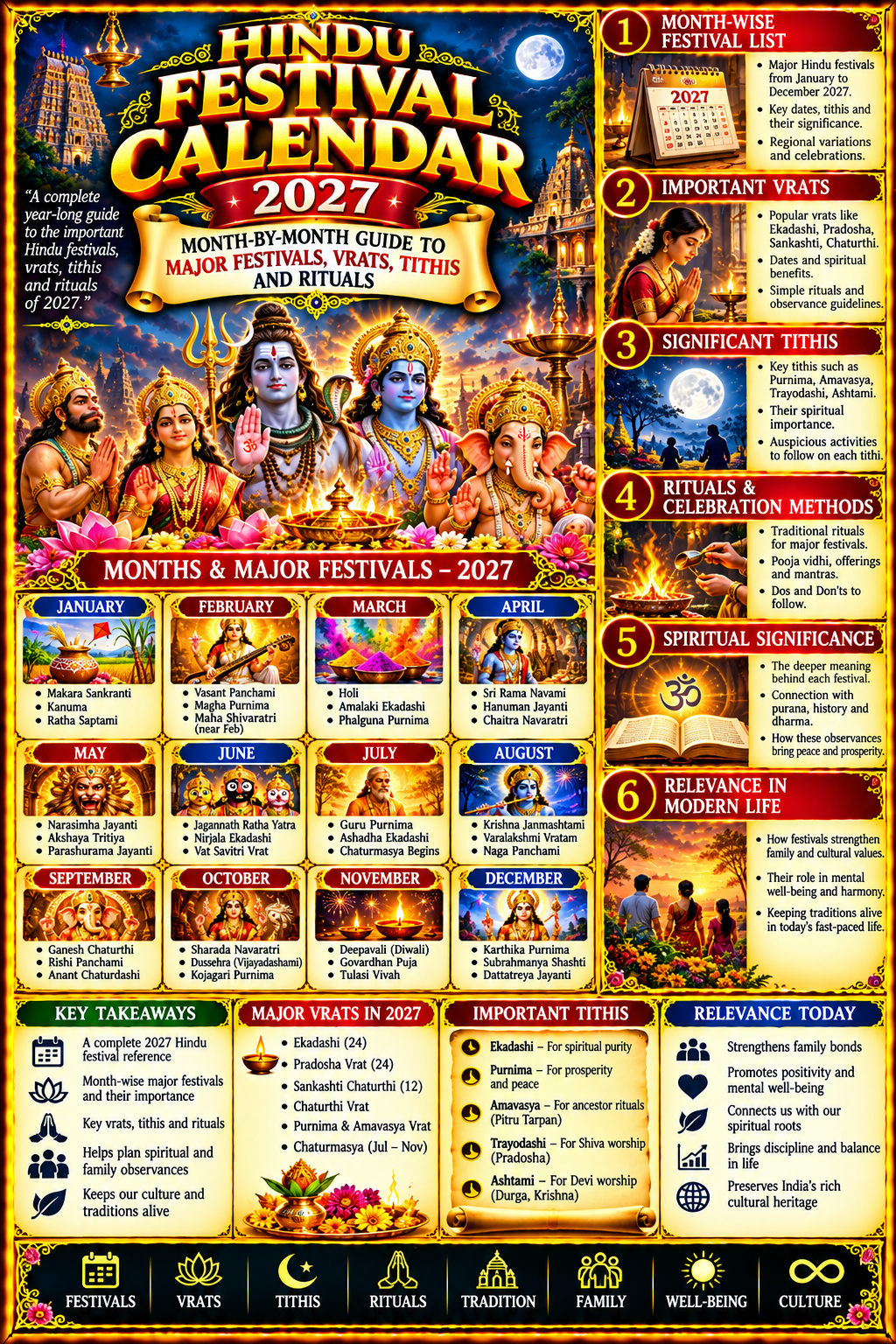 Hindu Festival Calendar: Month-by-Month Guide to Major Festivals, Vrats, Tithis and Rituals 2027
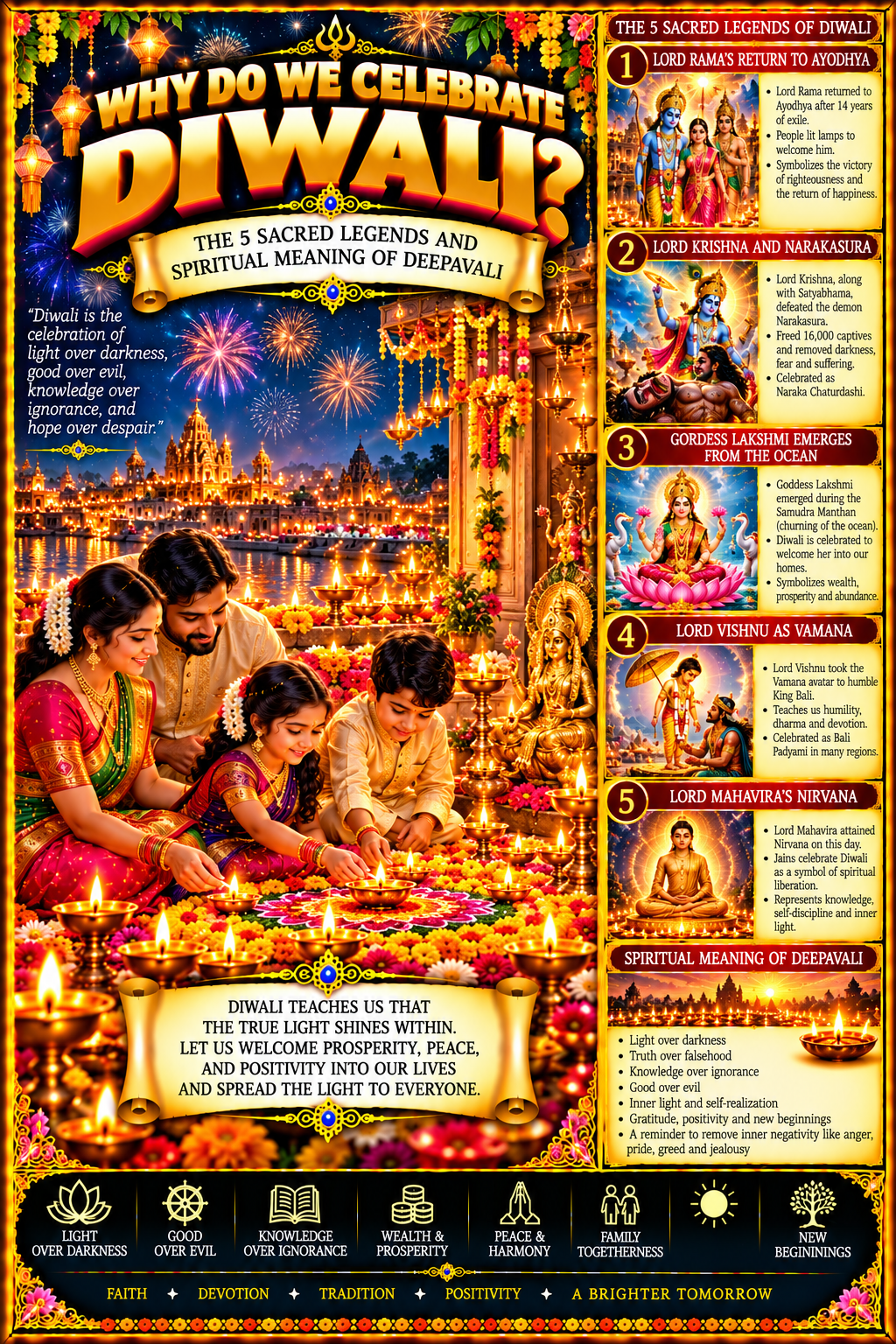
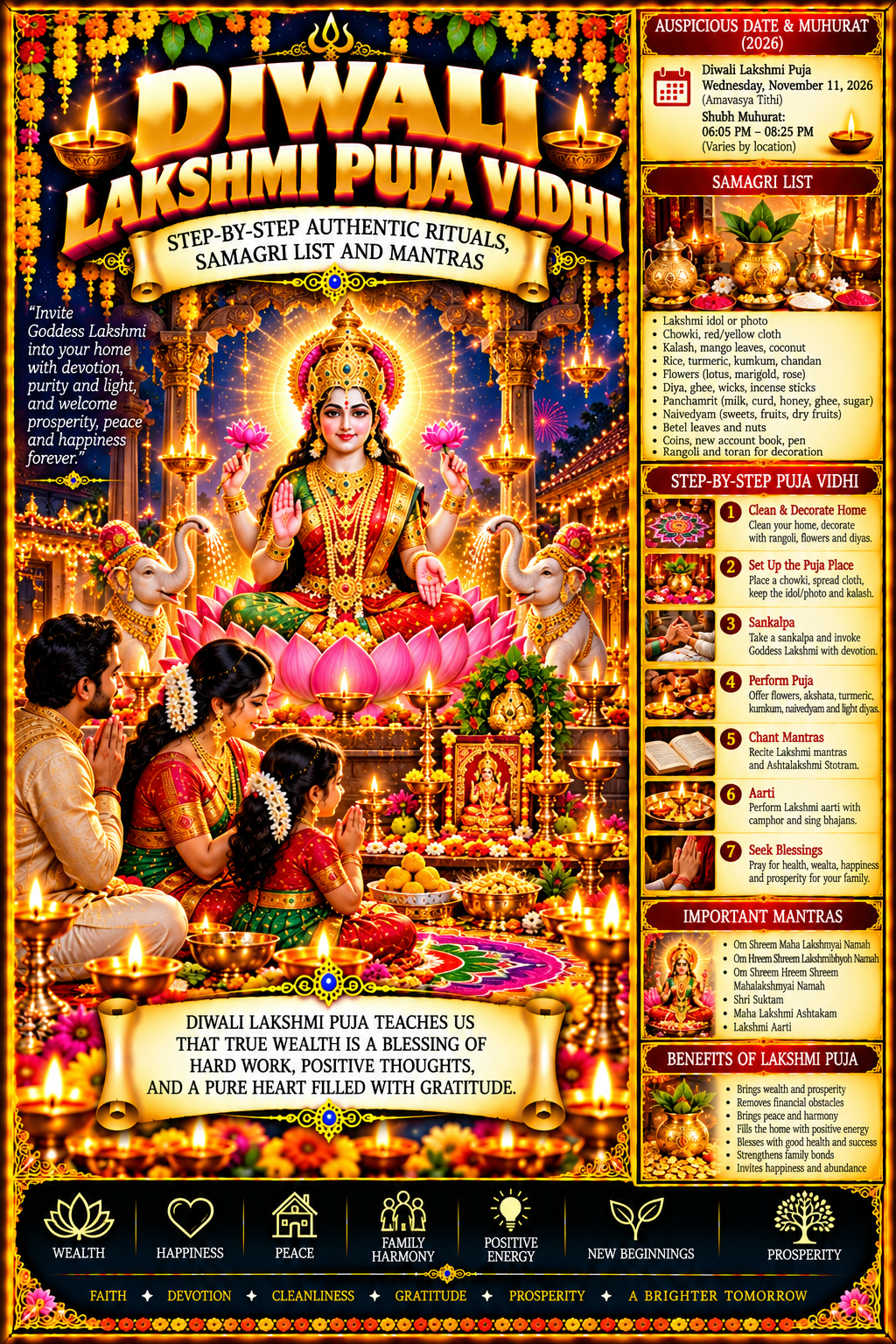
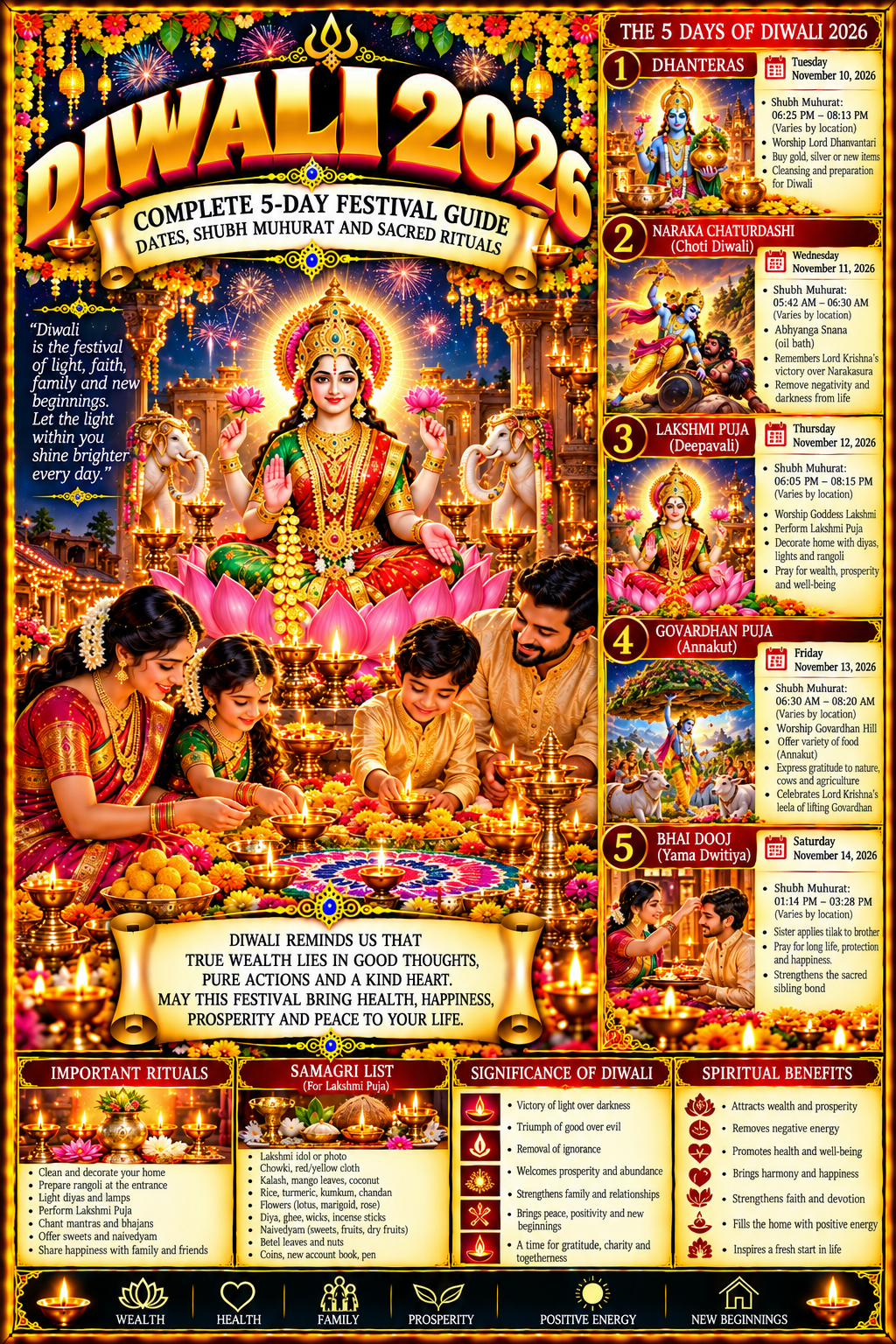 Diwali 2026: Complete 5-Day Festival Guide, Dates, Shubh Muhurat and Sacred Rituals











Raja Ratnam
- Children of King Shantanu
- January 3, 2026
- 642 views
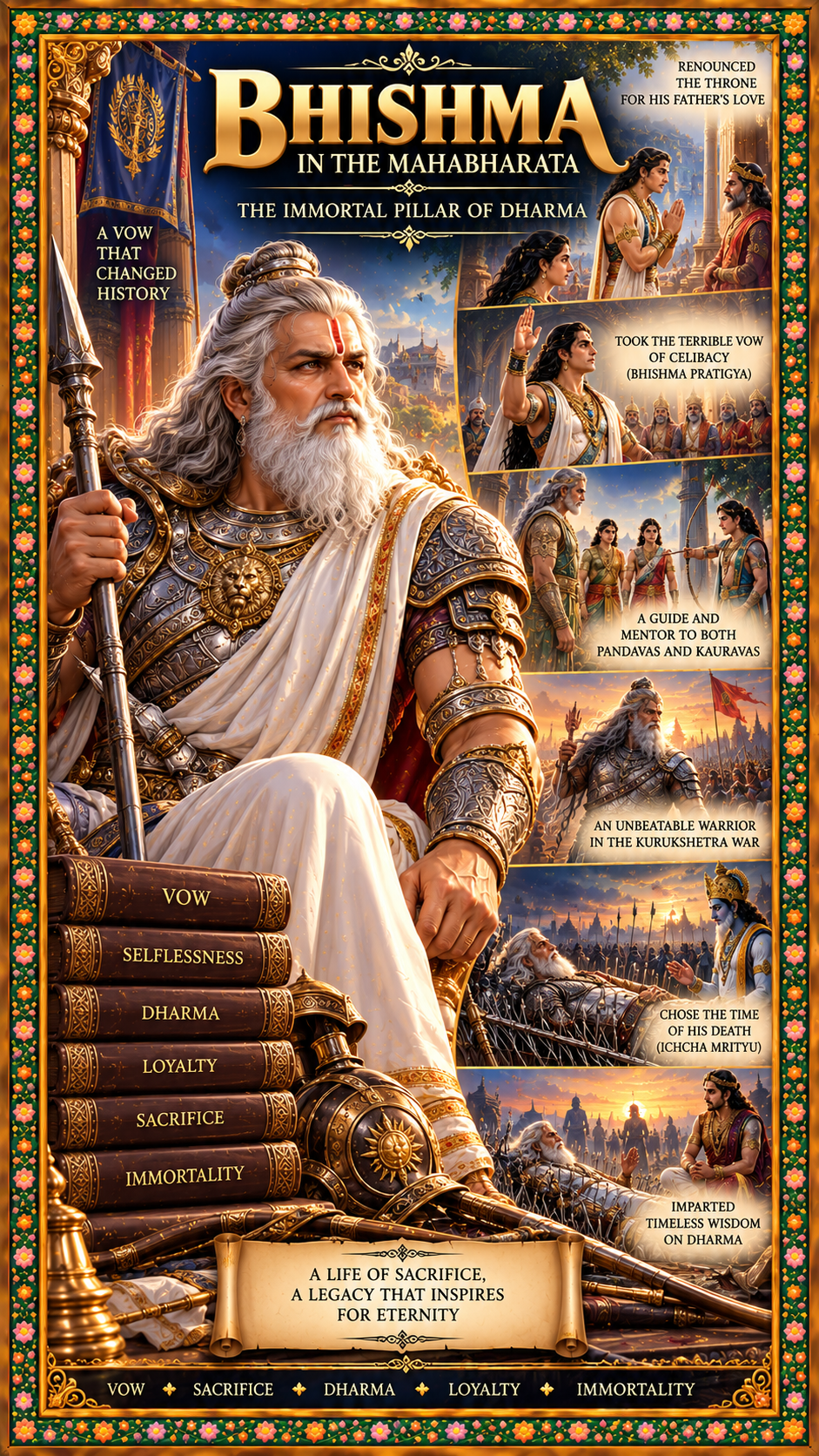
Bhishma in Mahabharata: The Terrible Vow (Pratigya), Powers & Bed of Arrows
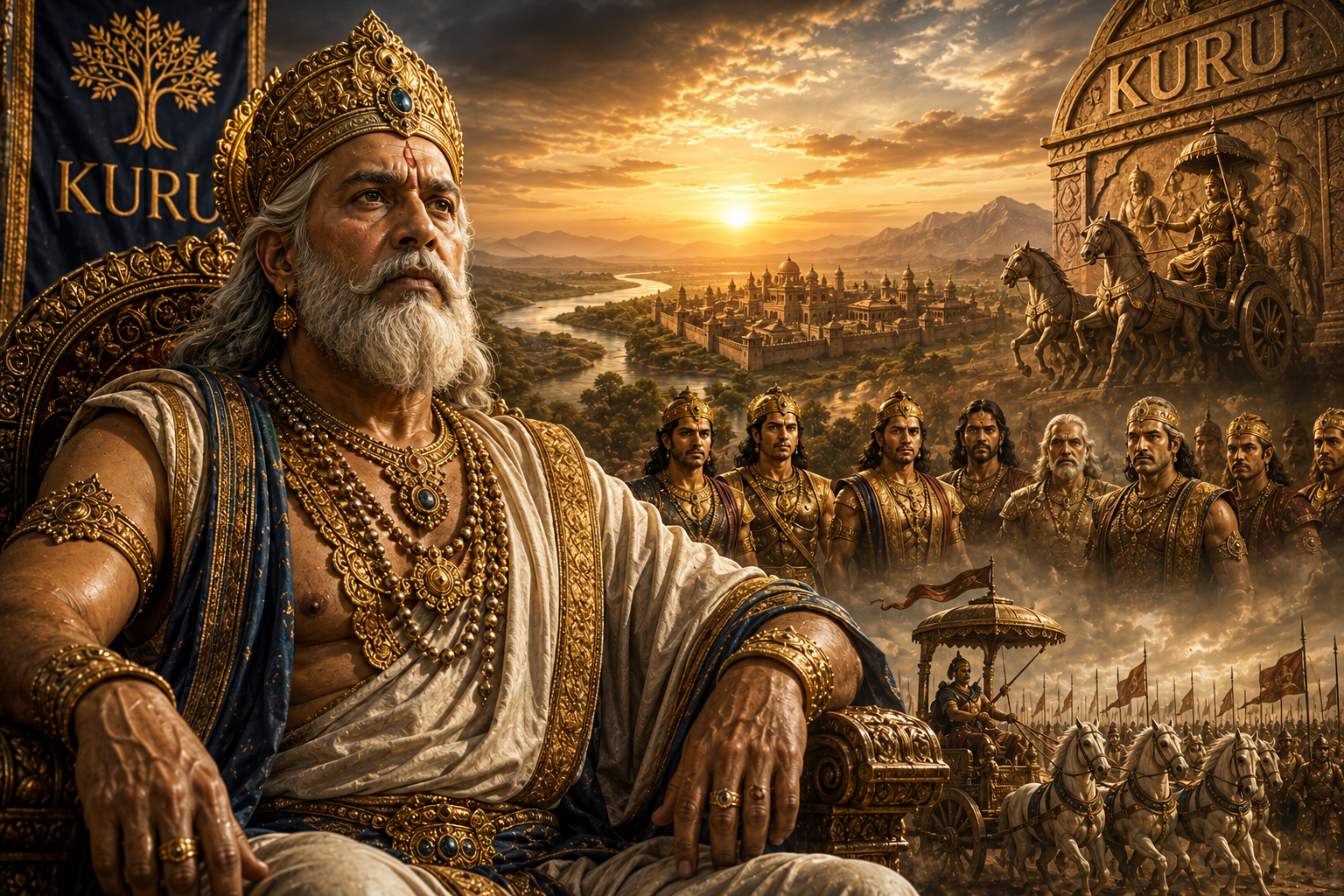
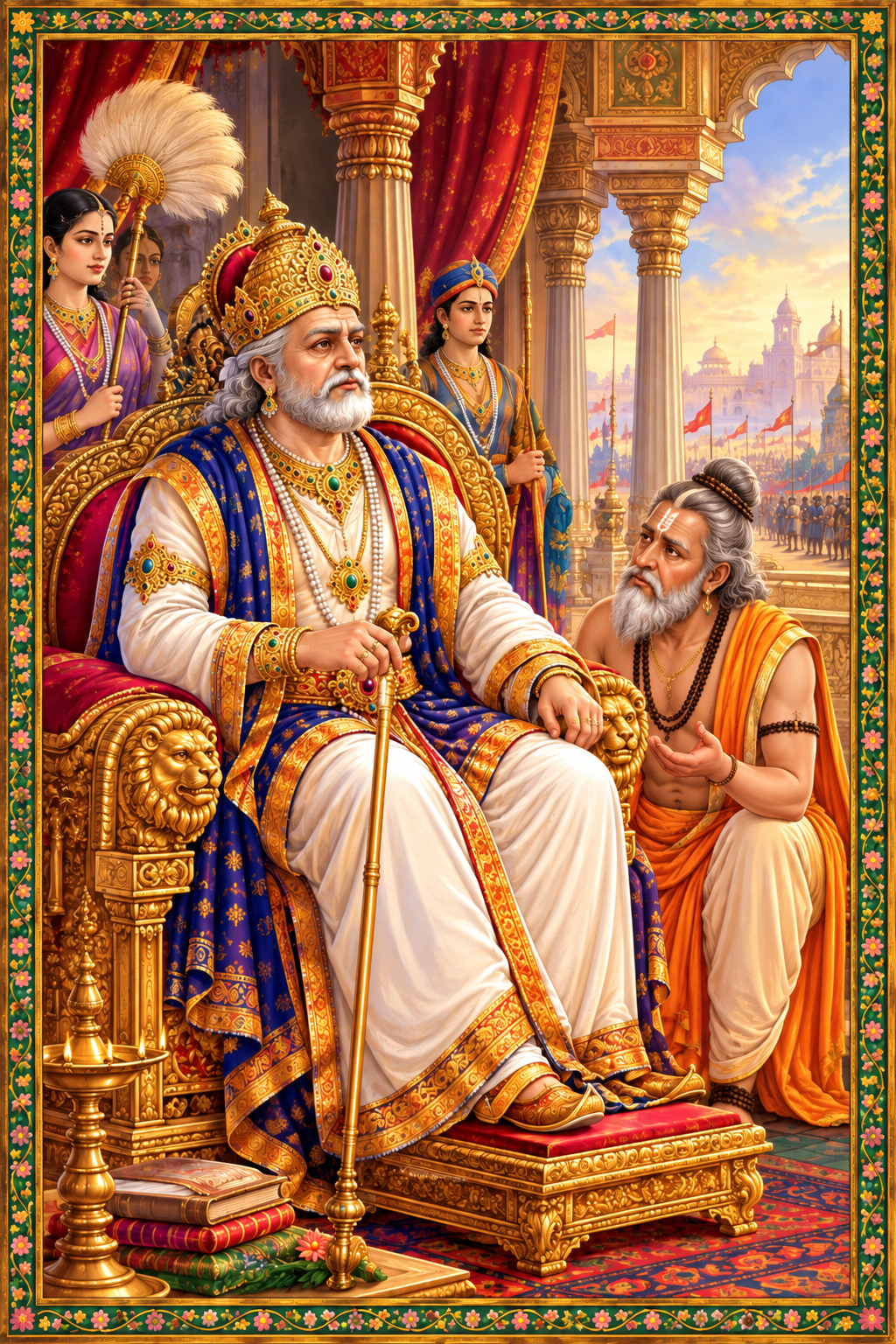
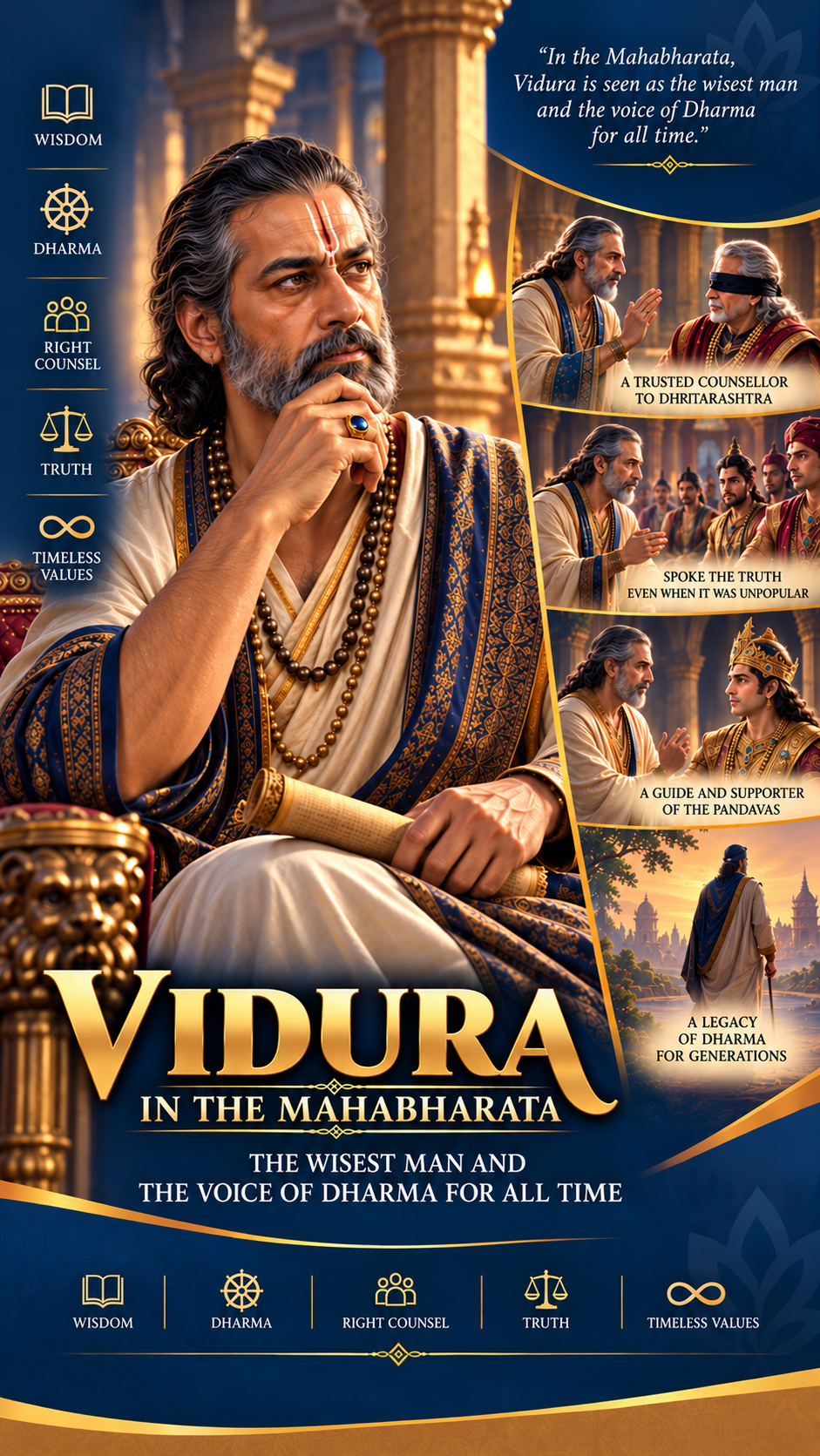
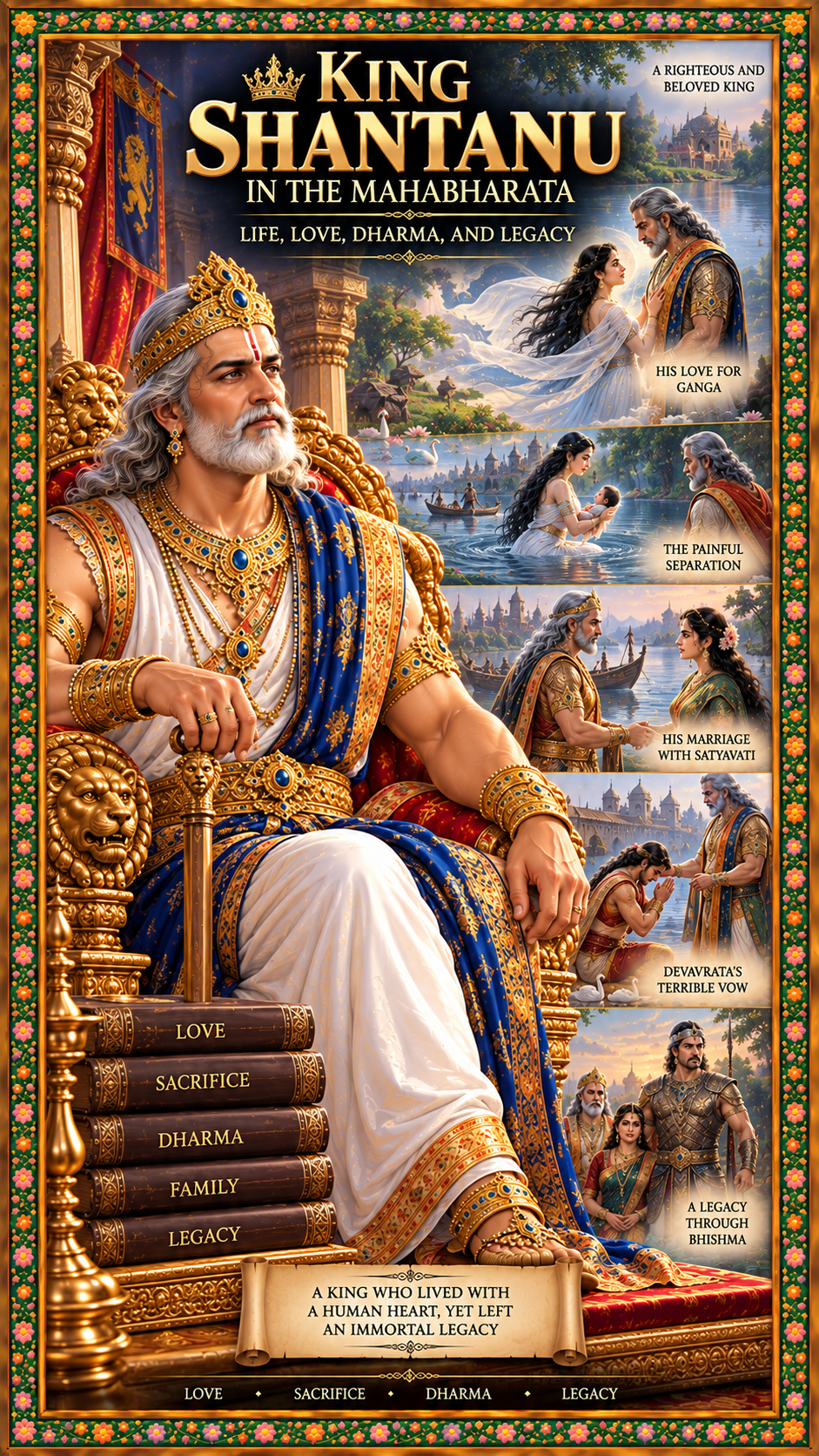
Introduction Few figures in human literature command as much respect, sorrow, and awe as Bhishma Pitamaha. Renouncing his royal birthright and taking a solemn vow of lifelong celibacy to grant his father happiness, Prince Devavrata became ‘Bhishma’ – the one of the terrible vow. Blessed with the power to choose the moment of his own death, he stood for decades as the invincible guardian of Hastinapur, enduring a tragic destiny that saw him lying on a bed of arrows as teacher to the next generation. Birth of Bhishma – Devavrata, the Son of Destiny Devavrata, the son of King Shantanu, ruler of the Kuru dynasty, and Ganga, the goddess of the River Ganga, was Bhishma’s birth name. Devavrata was no ordinary child. Trained by great sages and blessed by celestial beings, he mastered: From a young age, he was destined to become a legendary protector of the Kuru dynasty. The Terrible Vow – Why He Is Called Bhishma The turning point of Devavrata’s life came when King Shantanu wished to marry Satyavati. In order to inherit the throne, her father demanded that only her children inherit it. To fulfill his father’s happiness, Devavrata took a terrible (bhīṣaṇa) vow: The gods…
- Navagraha's
- December 29, 2025
- 574 views
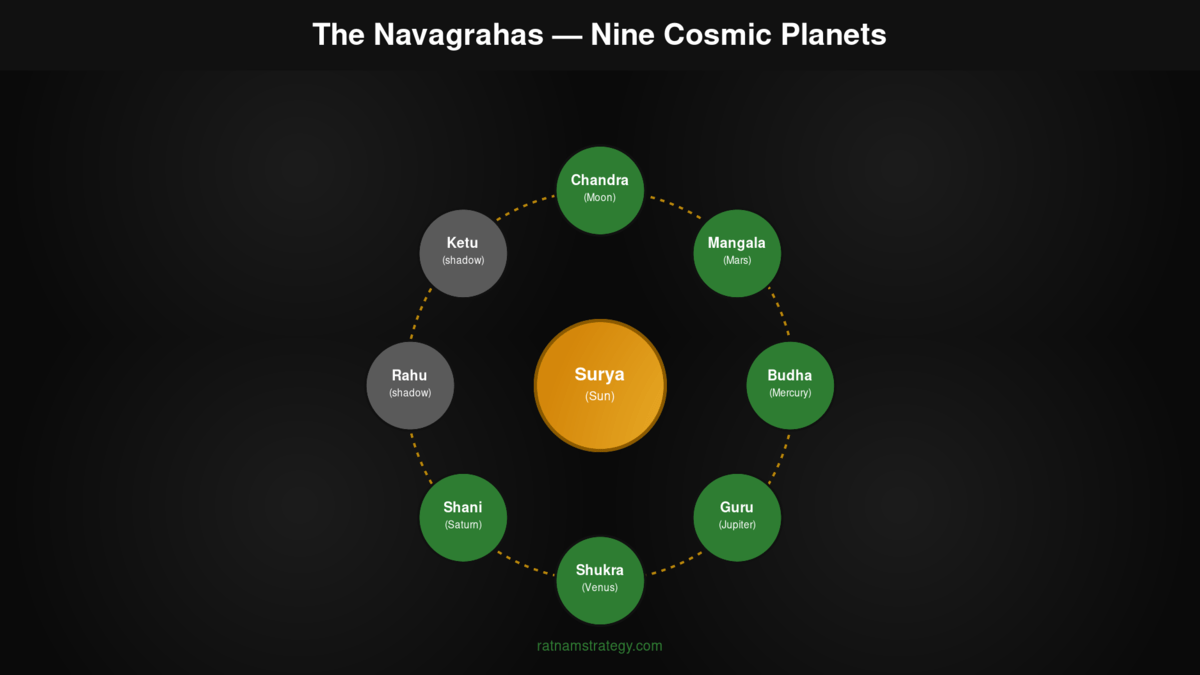
The 9 Navagrahas in Vedic Astrology: Names, Mantras, Planetary Effects & Remedies
Introduction – More Than Planets, Eternal Teachers When we look up into the deep night sky, the planets and stars appear as silent wanderers. In ancient Indian philosophy, these nine celestial forces – the Navagrahas – are far more than astronomical bodies; they are cosmic teachers guiding every soul through the cycles of karma, lessons, resilience, and spiritual awakening. Each planetary deity reflects a vital facet of human experience, from the solar light of the soul to the quiet discipline of Saturn. The purpose of each Graha is not to punish, but to teach.Transits are not accidents, but lessons timed by the universe. Together, the Navagrahas form a complete spiritual syllabus for human life – from birth and identity to desire, duty, wisdom, and finally moksha. Surya – Awakening the Soul (Atman) The source of life and consciousness is Surya Deva.He teaches: Surya awakens the Atman, reminding us to stand in our truth and shine without fear. Without Surya, there is no life.Without self-awareness, there is no growth. Chandra – Mastering the Mind Chandra governs the mind, emotions, and inner world.He teaches: The Moon reminds us that inner peace is more important than outer success.A calm mind reflects the divine…

- Navagraha's
- December 28, 2025
- 541 views
Ketu Deva: The Planet of Moksha & Detachment, Astrological Effects & Remedies
Introduction – The Silent Force of Liberation Among the nine cosmic teachers, Ketu Deva is the quiet, inward-looking presence that dissolves illusions and directs the soul toward spiritual freedom (Moksha). Born from the cosmic churning of the ocean (Samudra Manthan) as the body of the celestial serpent, Ketu does not seek wealth, material fame, or noisy applause. Instead, he guides seekers inward, teaching that true peace begins when we let go of ego and quiet our restless desires. If Rahu binds the soul to illusion and desire,Ketu frees the soul through detachment and realization. Ketu represents: Ketu does not give pleasure – he gives truth. Mythological Origin of Ketu Deva The origin of Ketu is inseparable from Rahu and the great event of Samudra Manthan. When the Asura Svarbhanu disguised himself and drank Amrita,Lord Vishnu severed his body with the Sudarshana Chakra. Unlike Rahu, who retained desire and hunger,Ketu was left without a head – symbolizing ego-less existence. Thus, Ketu became: Scriptures describe Ketu as a flag without a pole – present, powerful, but unattached. Ketu Deva in Hindu Scriptures Ketu appears in: Ancient sages describe Ketu as: Unlike other planets, Ketu does not follow worldly dharma.He follows cosmic truth.…

- Navagraha's
- December 28, 2025
- 523 views
Rahu Deva: The Shadow Planet, Kaal Sarp Dosha, Illusions & Astrological Remedies
Introduction – Rahu Deva It is the invisible force that shapes destiny Without a physical body or visible light of his own, Rahu Deva is the fascinating shadow planet of Vedic astrology that influences ambition, worldly desires, and dramatic transformations. Manifesting as the head of the cosmic serpent, Rahu drives humanity’s curiosity to explore new horizons and break old boundaries, teaching us through life’s unexpected twists that worldly attachments are fleeting shadows. Rahu represents: If Surya gives clarity and Mangala gives action,Rahu tests the soul by blurring truth – forcing growth through confusion. Rahu is not evil.He is the teacher of hidden karma. Mythological Origin of Rahu Deva The origin of Rahu comes from the legendary Samudra Manthan (Churning of the Ocean of Milk). When the Devas and Asuras churned the ocean for Amrita (nectar of immortality), Lord Vishnu appeared as Mohini to distribute it only to the Devas. An Asura named Svarbhanu disguised himself as a Deva and secretly drank the Amrita.Before the nectar could reach his stomach, Surya (Sun) and Chandra (Moon) exposed him. In anger, Lord Vishnu beheaded him with the Sudarshana Chakra. But since he had already tasted Amrita: Rahu survived – immortal, bodiless, and eternally…

- Navagraha's
- November 25, 2025
- 842 views
Shukra Deva (Venus): Guru of Asuras, Wealth & Love Influences, and Shukra Remedies
Introduction – The Radiant Energy of Love and Harmony(Shukra (Venus)) Shining like a brilliant jewel in the twilight sky, Shukra Deva (the planet Venus) has captivated skywatchers and poets for thousands of years. Known in mythology as the wise Guru of the Asuras and master of the secret Sanjivani Vidya that restores life, Shukra embodies art, grace, devotion, and beauty, reminding us that genuine love and artistic refinement are divine gifts meant to elevate the human spirit. If Brihaspati represents divine spiritual wisdom, Shukra Deva represents worldly wisdom – the art of living gracefully in the material world. In astrology, Shukra governs relationships, marriage, wealth, creativity, comfort, and attraction.In mythology, he is a master of mantras, a healer, and a compassionate guide of the Asuras. Birth of Shukra(Venus) Shukra is the son of Sage Bhrigu, one of the Saptarishis, and his wife Kavyamata. From birth, he was endowed with extraordinary intelligence, charm, and compassion.While Brihaspati guided the Devas, Shukra chose the path of guiding the Asuras (Danavas) – beings often misunderstood but filled with potential. This cosmic balance created the eternal duality: Shukra’s Tapasya to Lord Shiva The most legendary tale of Shukra describes his thousand-year penance to please Lord…

- Navagraha's
- November 25, 2025
- 591 views
Surya Deva (Sun God): Mythology, Astrological Influence, Aditya Hridaya & Remedies
Every morning as darkness dissolves into crimson and gold, Lord Surya rides his magnificent celestial chariot across the eastern horizon, awakening life across the earth. Reaching into every home and field with warmth and light, the Sun God is worshipped as the living eye of the cosmos (Pratyaksha Daivam). For millennia, students and families have greeted his first rays with the sacred Gayatri Mantra, drawing health, vitality, and intellectual clarity from his eternal energy. Related Sacred Topics & Cultural Heritage: For further spiritual exploration, read about Lord Rama’s ideal life story. For further spiritual exploration, read about the 14-year exile of Lord Rama. For further spiritual exploration, read about Ravana’s story in the Ramayana. Introduction – The Heart of the Universe Among the Navagrahas, Surya Deva stands supreme as the giver of life, light, and consciousness.He is the visible form of the divine – the eternal witness who illuminates the world every day without fail. In Vedic tradition, Surya is not merely a celestial body;He is Prana (life-force), Tejas (spiritual fire), and Chaitanya (awareness).He represents truth, clarity, discipline, and the power to rise above darkness. Without Surya, plants cannot live, Earth cannot thrive, The mind cannot awaken,andSpiritual consciousness cannot bloom.…

- Mythology , Navagraha's
- November 6, 2025
- 699 views
Shani Deva (Saturn): Lord of Karma, Sade Sati Explained, Myths & Powerful Remedies
Introduction – The Power and Mystery of Shani Deva (Saturn) Moving slowly and deliberately through the starry constellations, Shani Deva (Saturn) is often feared, yet in Vedic philosophy he is the supreme teacher of humility, patience, and justice. As the divine judge of karma (Karmaphala Daata), Lord Shani does not punish out of cruelty; he burns away false pride and teaches resilience through discipline, ensuring that honest effort and righteousness are ultimately rewarded. Shani’s influence is never meant to punish out of anger – rather, he guides souls through accountability, responsibility, restraint, and spiritual awakening. His lessons are deep, life-changing, and karmically precise. Shani’s slow movement through the zodiac symbolizes patience, endurance, maturity, and long-term results. His blessings are slow but permanent; his teachings are tough but purifying. For official cultural and historical archives, visit the Ministry of Culture, Government of India. Mythological Origins of Shani Deva 1. Birth of Shani – Son of Surya and Chhaya Shani is the son of Lord Surya (Sun) and Devi Chhaya, who was created as a shadow form of Surya’s wife Sanjana. From birth, Shani exhibited extraordinary powers. When Surya refused to accept him, Shani’s angry gaze caused Surya’s chariot horses to weaken,…

- Mythology , Navagraha's
- November 4, 2025
- 516 views
Guru Brihaspati (Jupiter): Divine Guru of Gods, Astrological Significance & Remedies
Introduction Guru (Brihaspati / Jupiter): In the grand cosmic family of the Navagrahas, Guru (Brihaspati) shines as the planet of wisdom, righteousness (dharma), knowledge, and divine counsel.Known as Devaguru – the preceptor of the Devas – he is revered not just as a planet influencing destiny, but as a living embodiment of divine wisdom and truth. Where Surya represents energy and life, and Chandra reflects emotion and mind, Guru governs knowledge, faith, and morality – the spiritual compass that guides humanity toward enlightenment. In astrology, Jupiter symbolizes expansion, prosperity, optimism, and justice. His blessings bring spiritual understanding, wealth, and harmony in life.In mythology, he stands as the Guru of the Devas, constantly guiding them against ignorance and ego. Mythological Origin of Guru (Brihaspati / Jupiter) Resplendent in radiant golden robes with a gentle, calming countenance, Guru Brihaspati (Jupiter) is revered as the divine preceptor of the Devas and the embodiment of wisdom, sacred speech, and ethical counsel. As the greatest benefactor among the planets, Brihaspati brings expansive intellect, spiritual growth, and moral clarity to all who seek genuine knowledge and noble living. Brihaspati is the son of Sage Angiras, one of the Saptarishis, and Shraddha Devi.From birth, he radiated extraordinary…

- Mythology , Navagraha's
- November 4, 2025
- 534 views
Budha Deva (Mercury): Planet of Intellect & Speech, Astrological Benefits & Remedies
Introduction Graceful, quick-witted, and endlessly curious, Budha Deva (Mercury) governs the sparkling energy of intellect, expressive speech, humor, and analytical thought. Known as the son of Chandra, Budha blesses children, scholars, and traders with clarity of thought, eloquence in communication, and the adaptability to solve complex problems with a calm and cheerful mind. Known as the celestial prince, Budha’s energy is youthful, playful, and curious. He represents the mind that loves to learn, negotiate, and express itself clearly. For official cultural and historical archives, visit the Ministry of Culture, Government of India. Mythological Origin of Budha Budha (Mercury) Birth of Budha – The Child of Chandra and Tara According to Hindu mythology, Budha was born from Chandra (the Moon) and Tara, the wife of Brihaspati (Jupiter). When Chandra became infatuated with Tara, she was drawn to his charm and brilliance. Their union resulted in the birth of a radiant child – Budha. When Brihaspati discovered the affair, a great celestial conflict erupted among the gods. The child, however, was so radiant and intelligent that the gods accepted him as divine. He was named Budha, meaning “the Wise” or “the Enlightened One.” Later, Budha performed intense penance to Lord Vishnu and…

- Mythology , Navagraha's
- November 3, 2025
- 540 views
Mangala Deva (Mars): Mythology, Manglik Dosha Meaning, Effects & Effective Remedies
Introduction – Mangala (Mars) The Red Flame of the Cosmos Glowing with a warm, fiery red hue across the night sky, Mangala Deva (Mars) represents dynamic courage, leadership, and unwavering determination. In ancient lore, he is born of the earth itself (Bhauma), channeling the focused energy needed to overcome obstacles, defend the innocent, and cultivate the physical discipline of a righteous warrior. In the cosmic order, Mangala represents Shakti (divine energy in motion). He governs action, war, vitality, and justice, ensuring that dharma is protected and courage prevails over fear. In every astrological chart, Mars determines the strength of one’s drive, determination, and self-discipline. Devotees view Mangala Deva not merely as a planet, but as a divine commander, a guardian of righteousness, and a symbol of inner strength. To those who walk the spiritual path, his energy teaches that true courage is not in aggression – but in the calm mastery of the self. For official cultural and historical archives, visit the Ministry of Culture, Government of India. Mythological Origin of Mangala The birth of Mangala Deva is one of the most powerful and symbolic episodes in Hindu cosmology. According to the Skanda Purana and Matsya Purana, he was born…