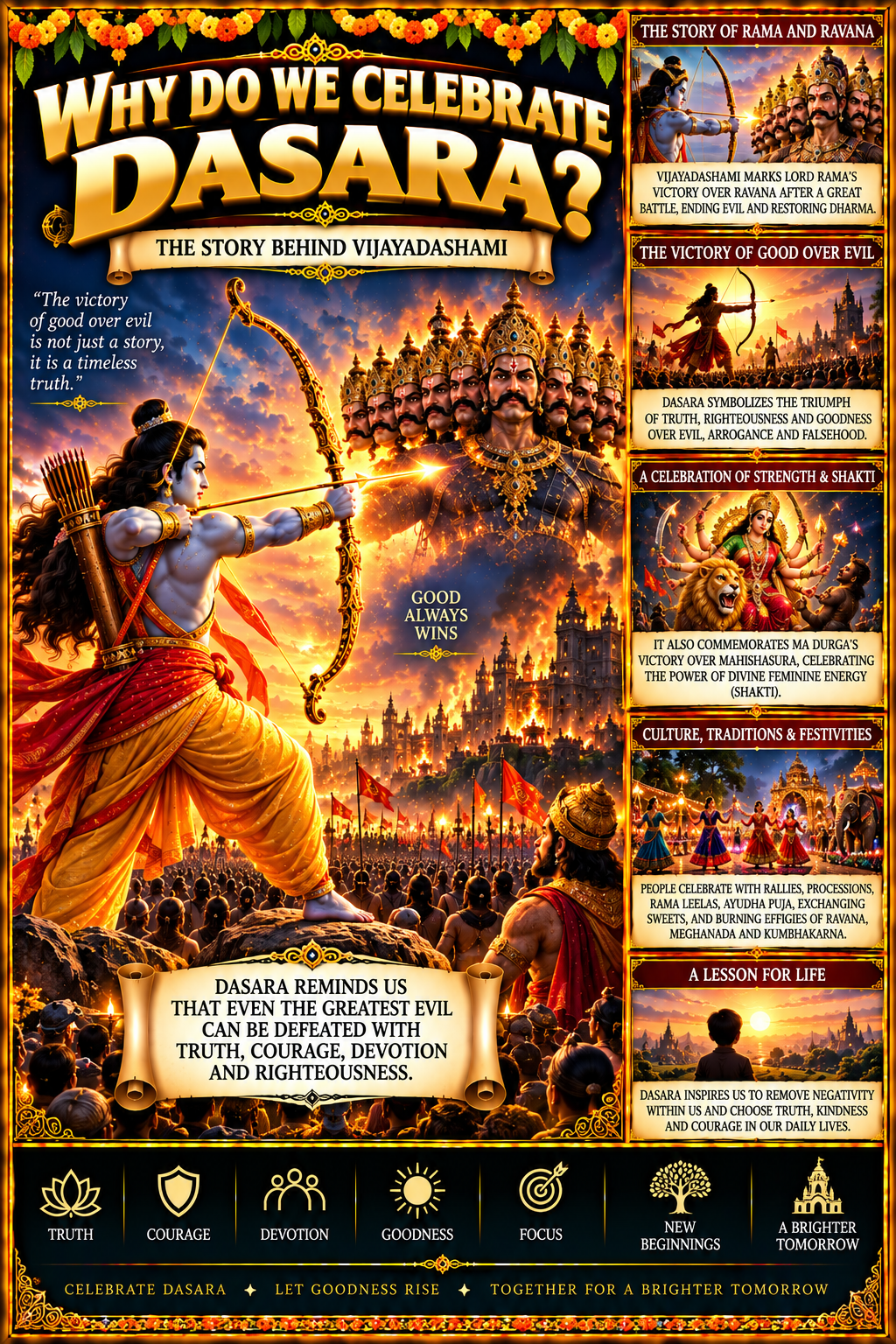
 Why Do We Celebrate Dasara? The Story Behind Vijayadashami
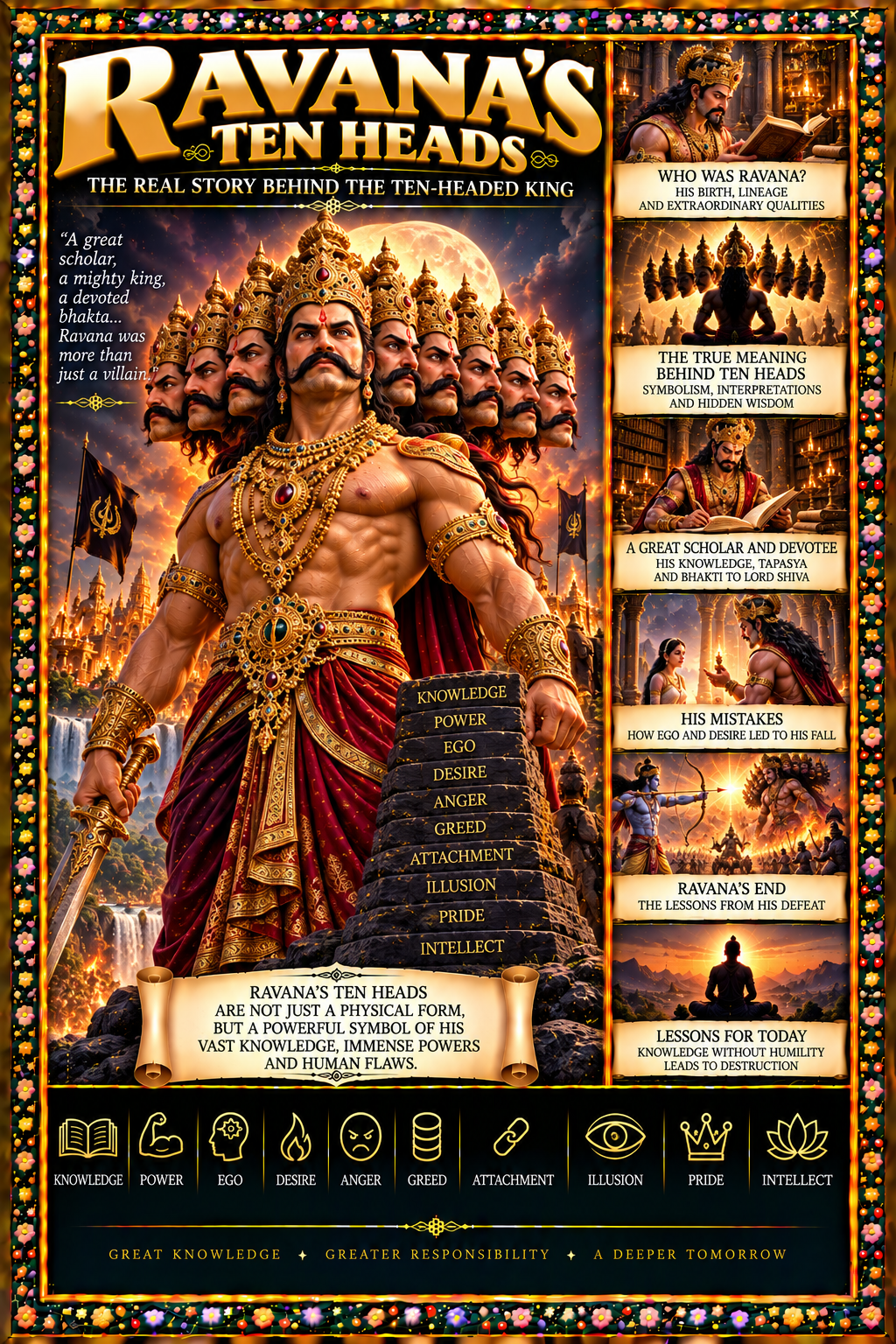 Ravana’s Ten Heads: The Real Story Behind the Ten-Headed King
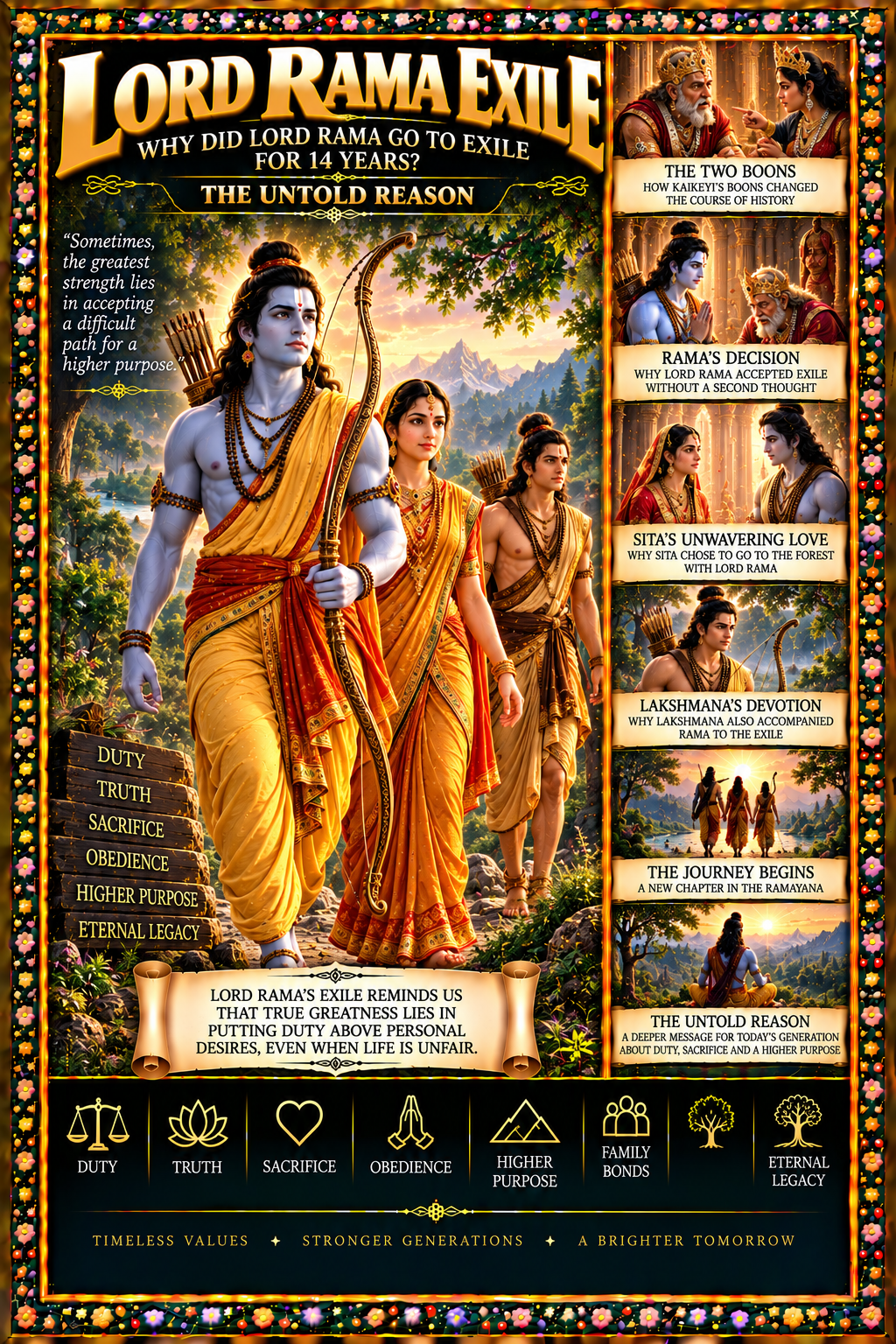 Lord Rama Exile: Why Did Lord Rama Go to Exile for 14 Years? The Untold Reason
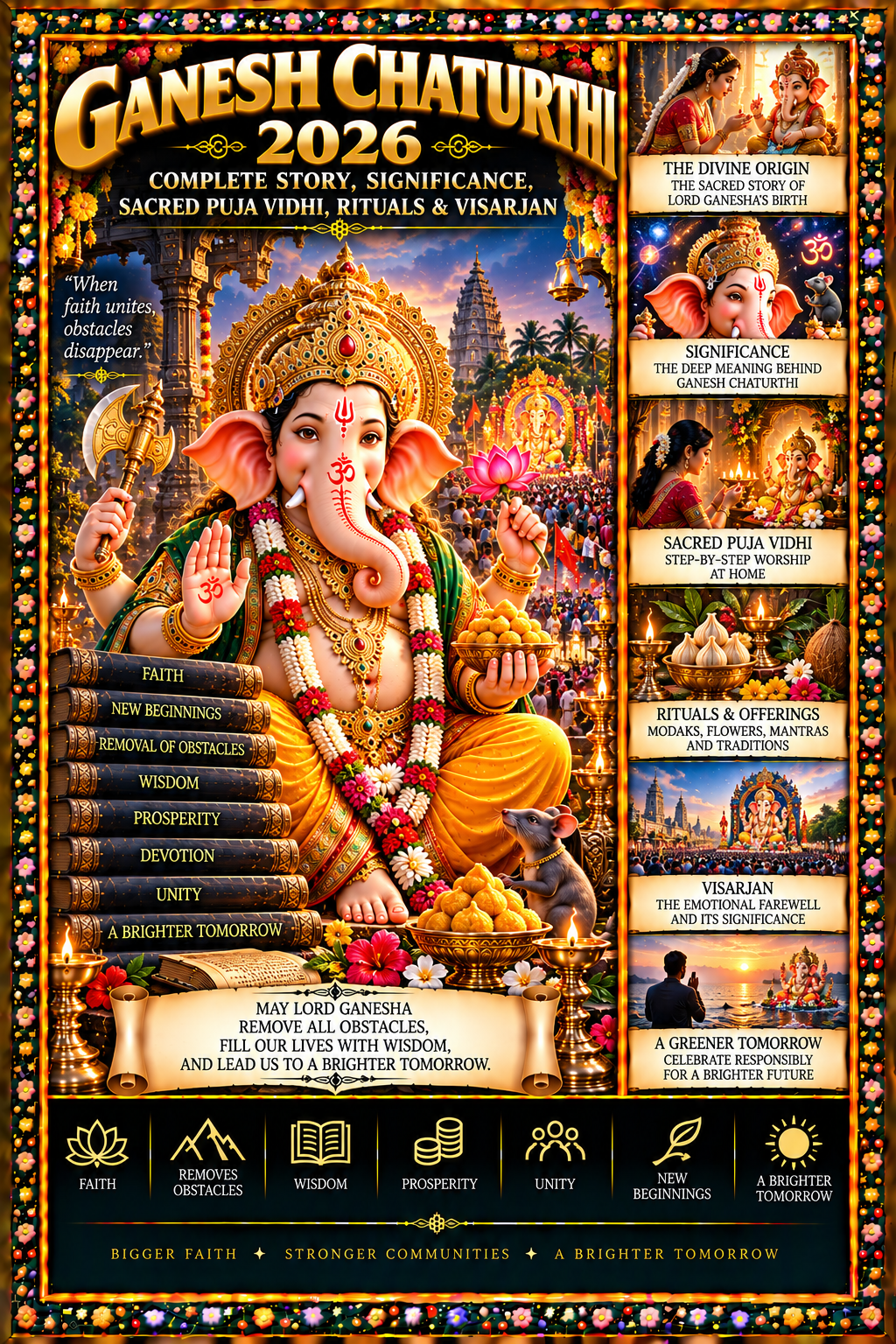 Ganesh Chaturthi 2026: Complete Story, Significance, Sacred Puja Vidhi, Rituals & Visarjan
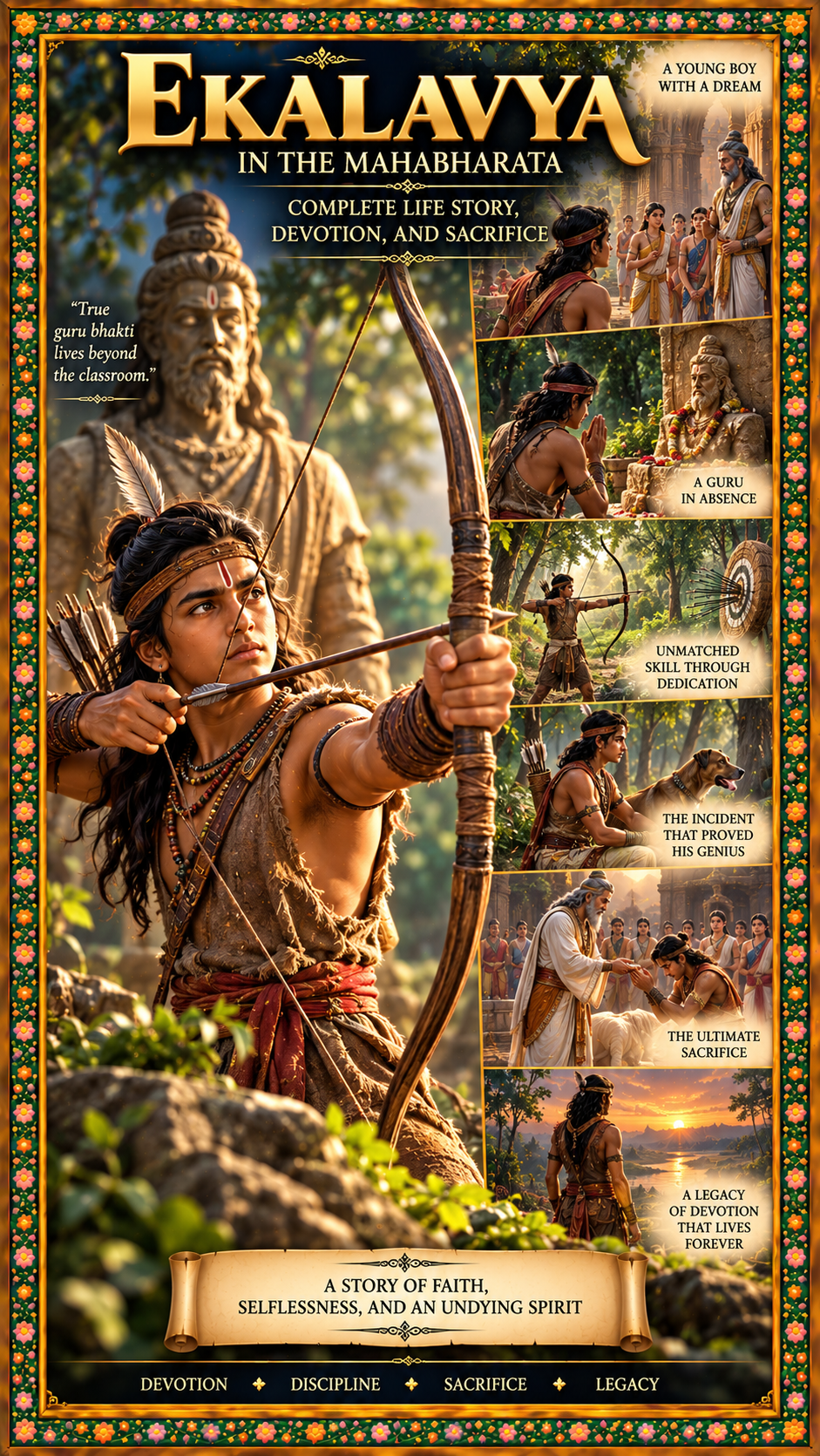 Ekalavya in the Mahabharata: Complete Life Story, Devotion, and Sacrifice
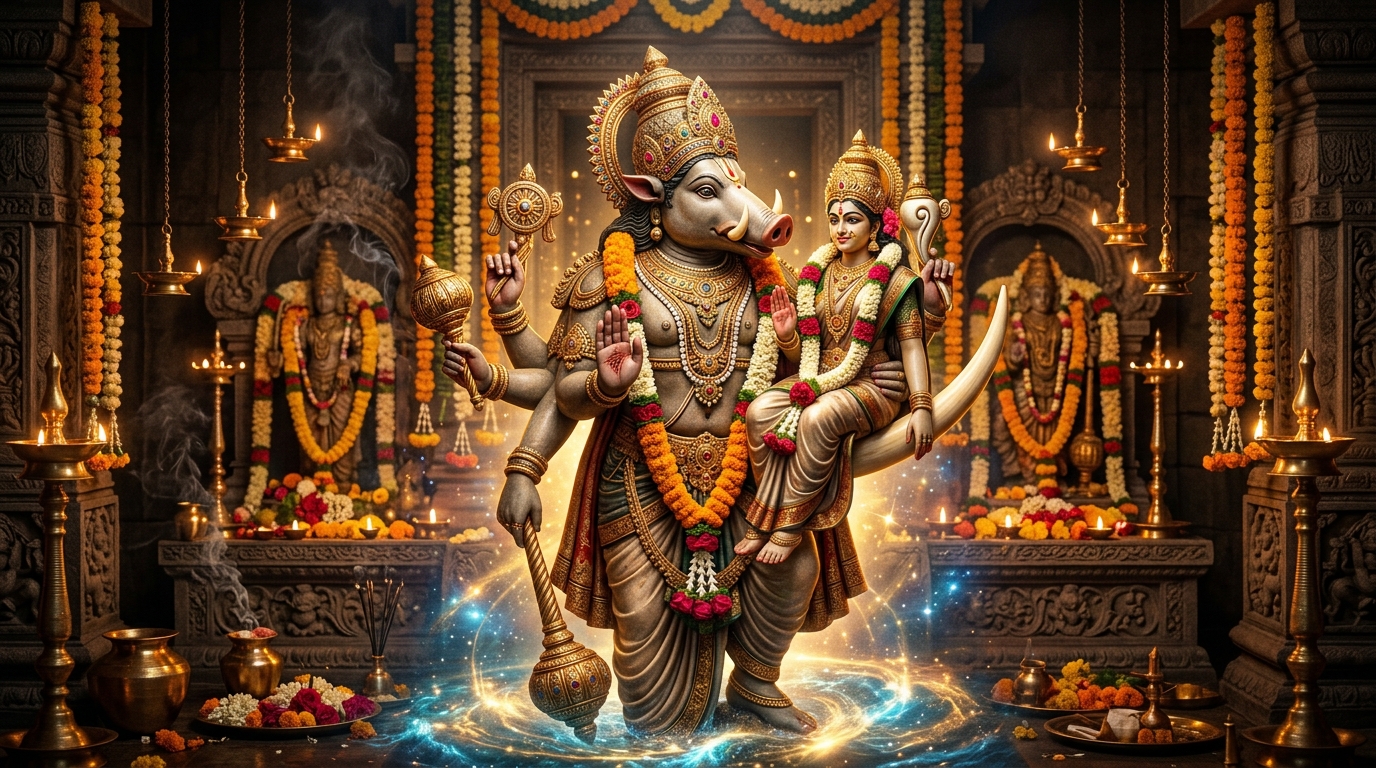 Varaha Jayanti 2026: Complete Story, Significance, Sacred Puja Vidhi & Powerful Mantras
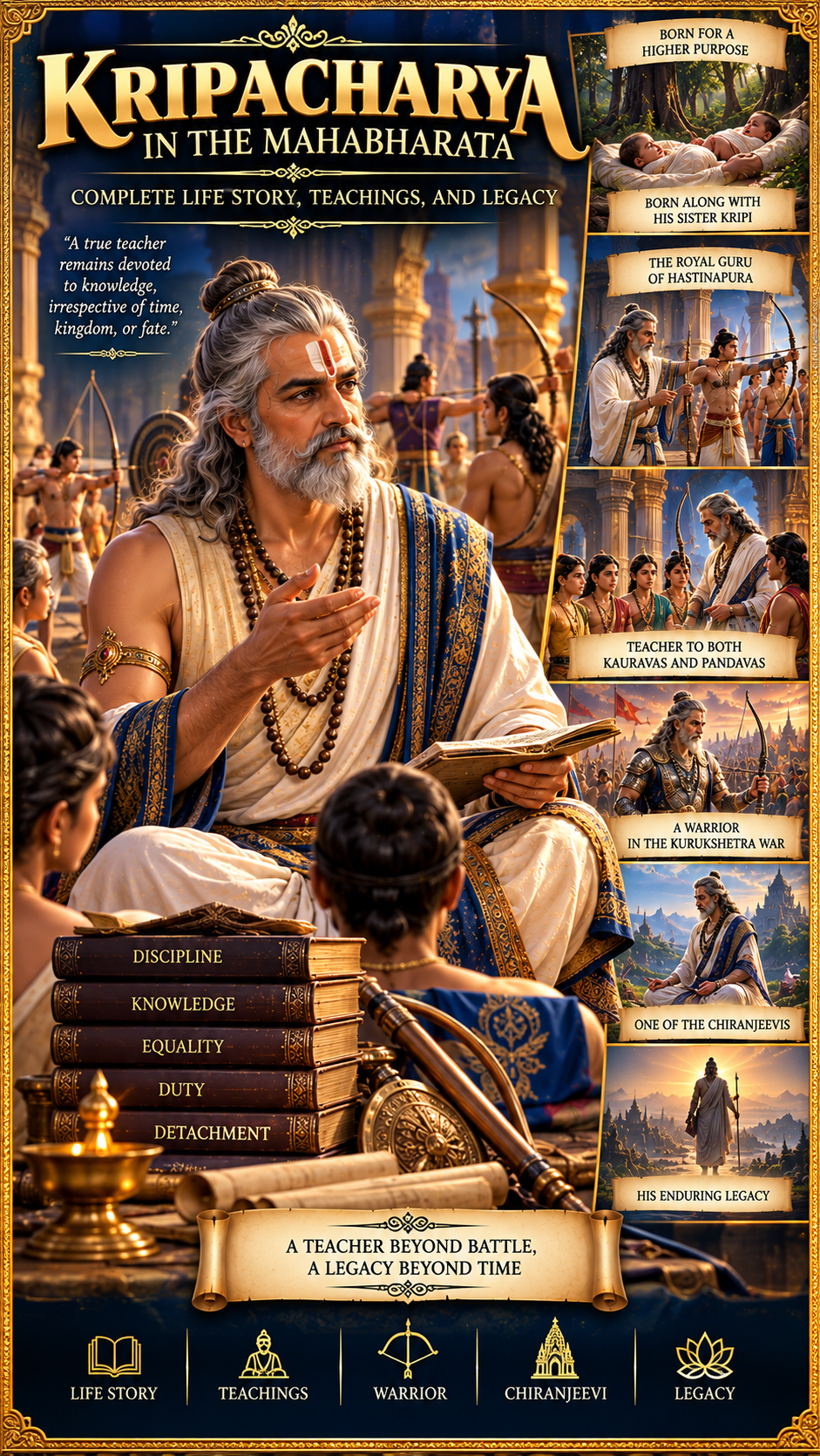 Kripacharya in the Mahabharata: Complete Life Story, Teachings, and Legacy
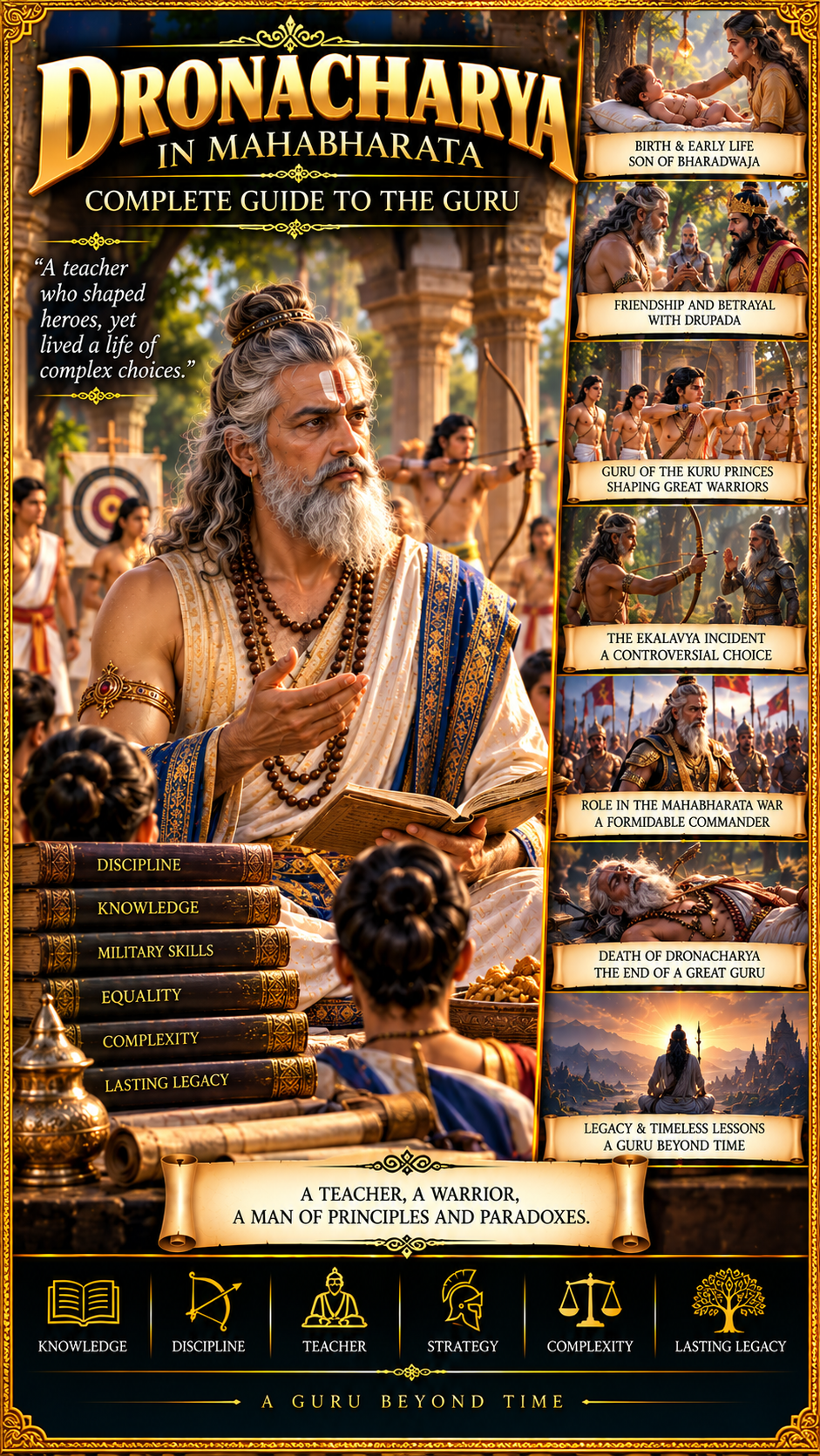
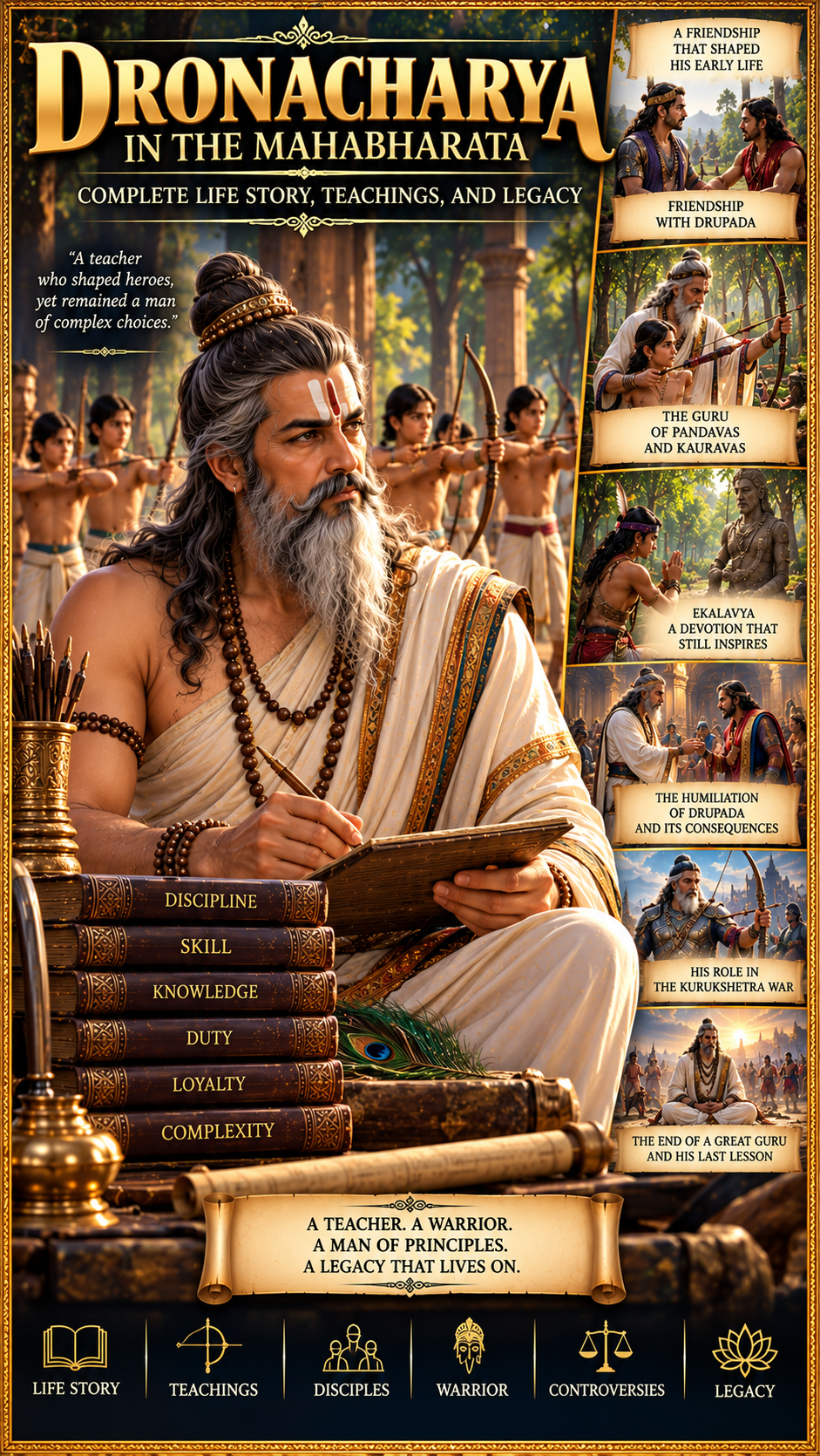 Dronacharya in the Mahabharata: Complete Life Story, Teachings, and Legacy
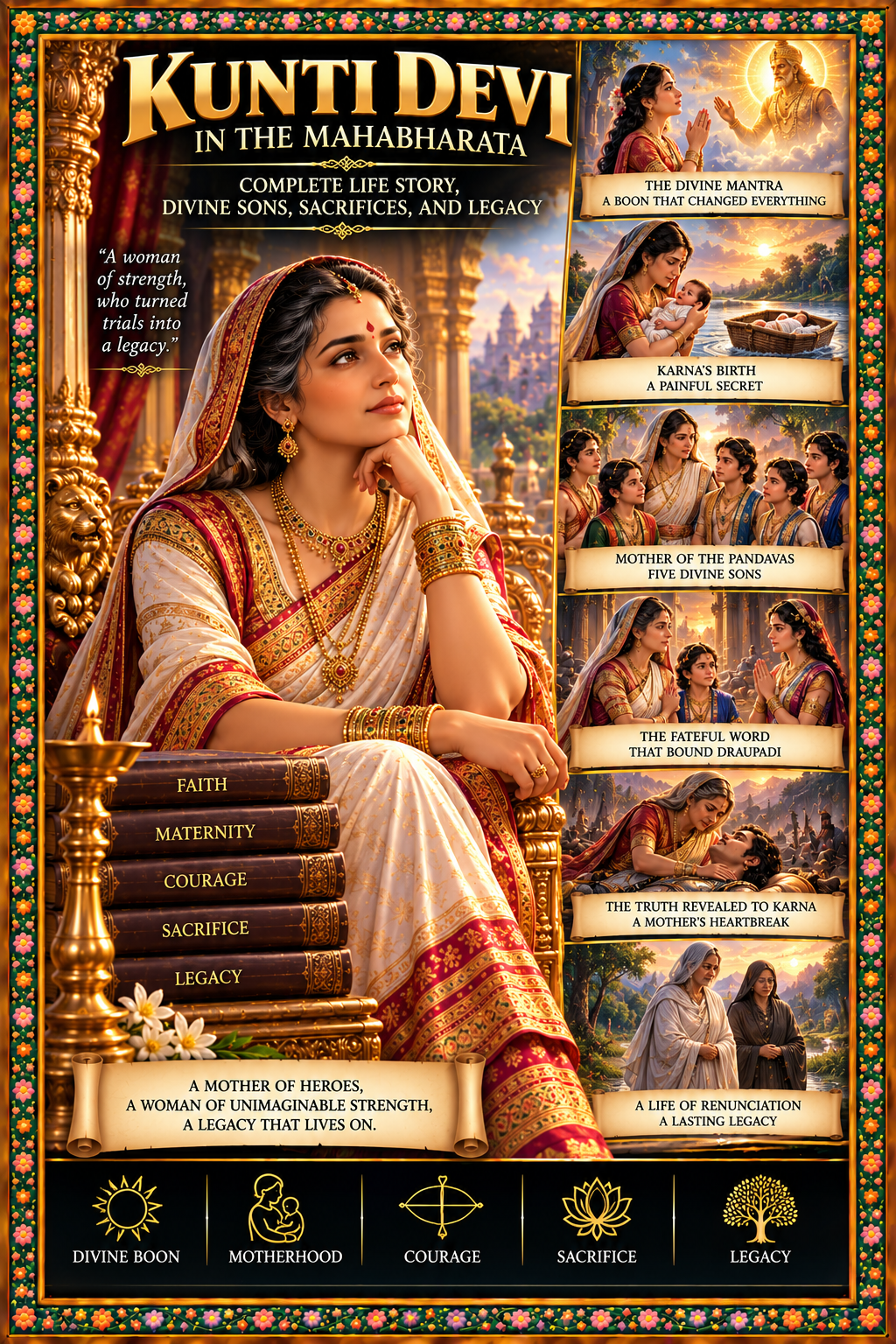
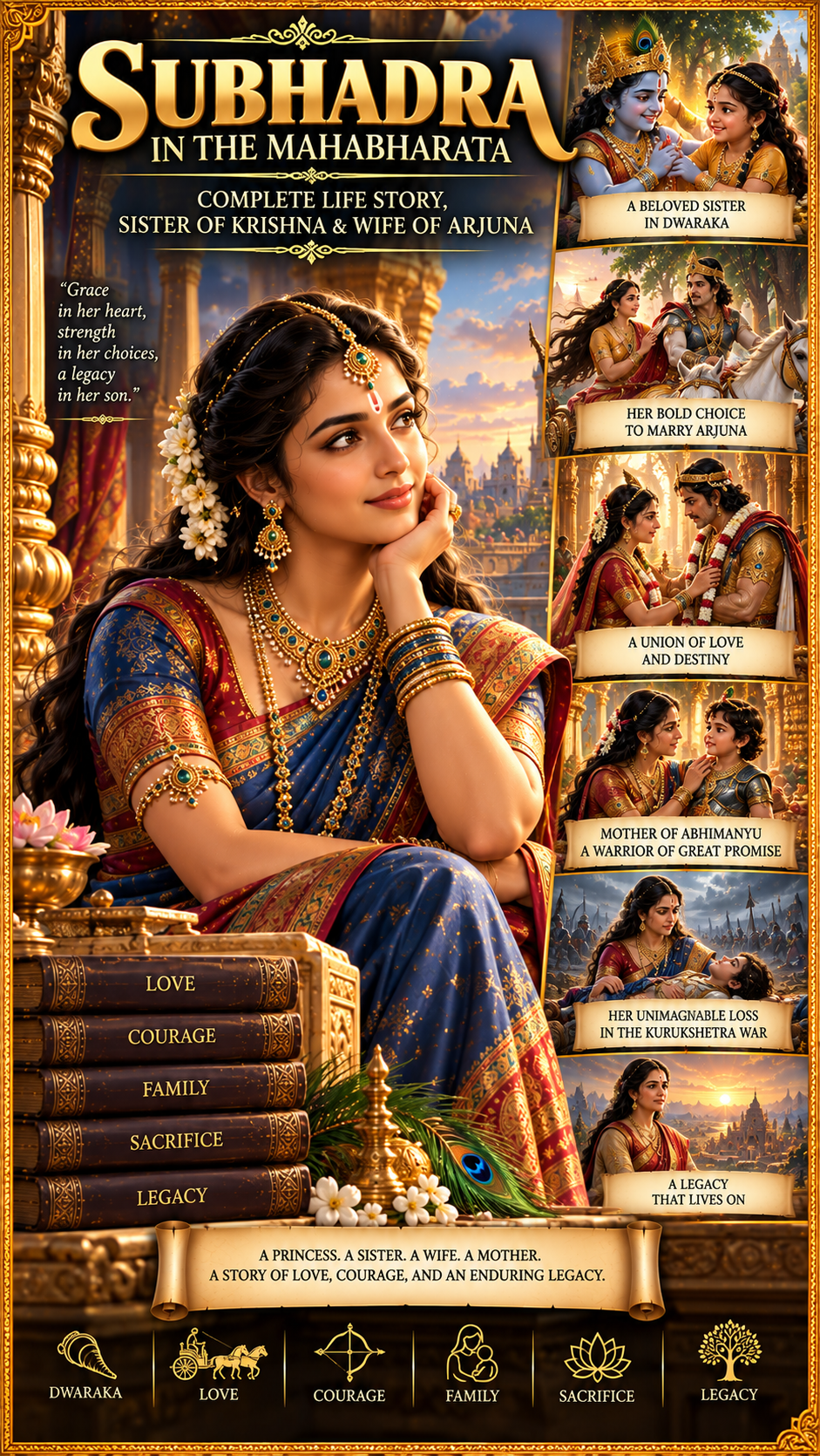 Subhadra in the Mahabharata: Complete Life Story, Sister of Krishna & Wife of Arjuna
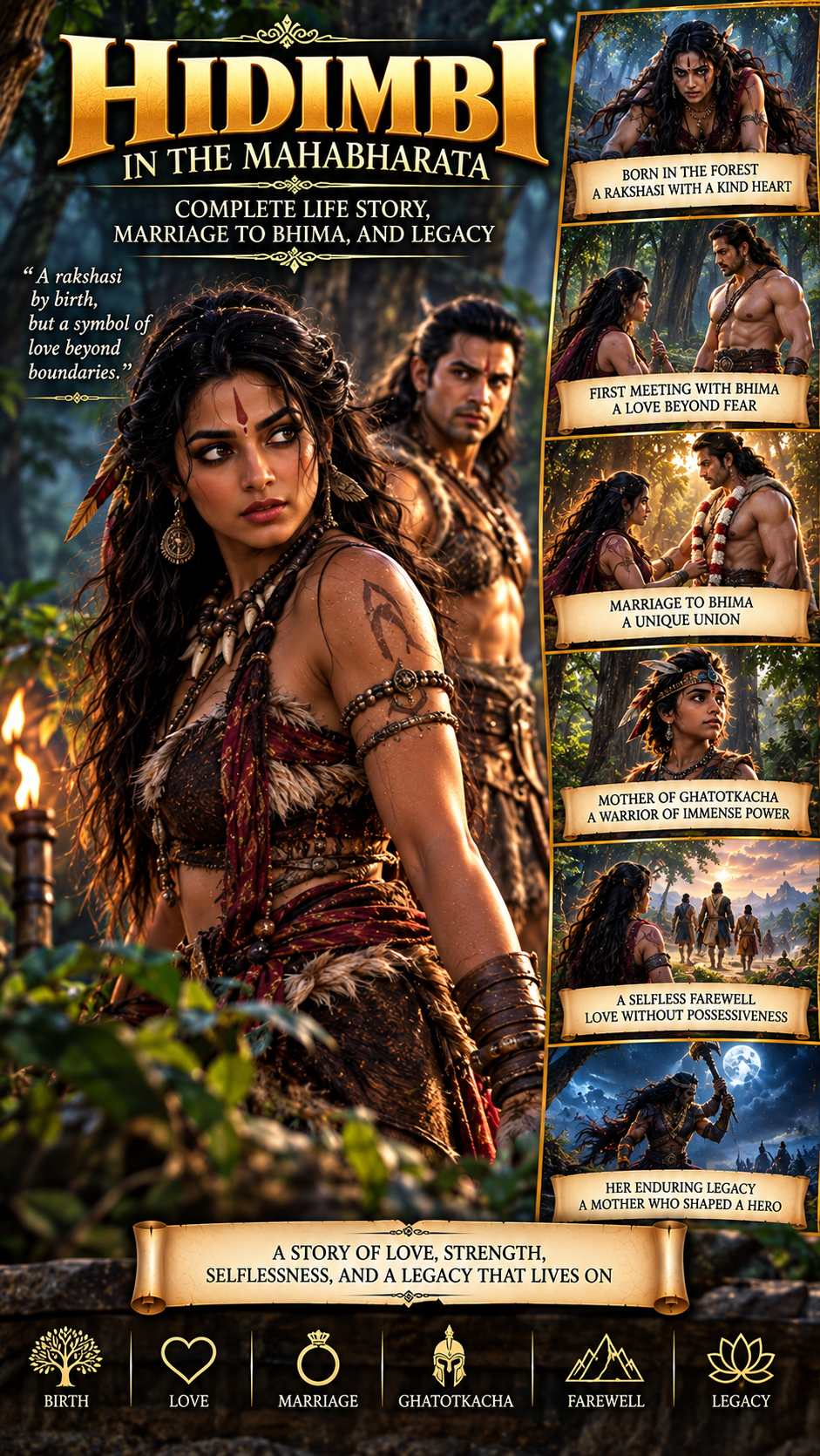 Hidimbi in the Mahabharata: Complete Life Story, Marriage to Bhima, and Legacy


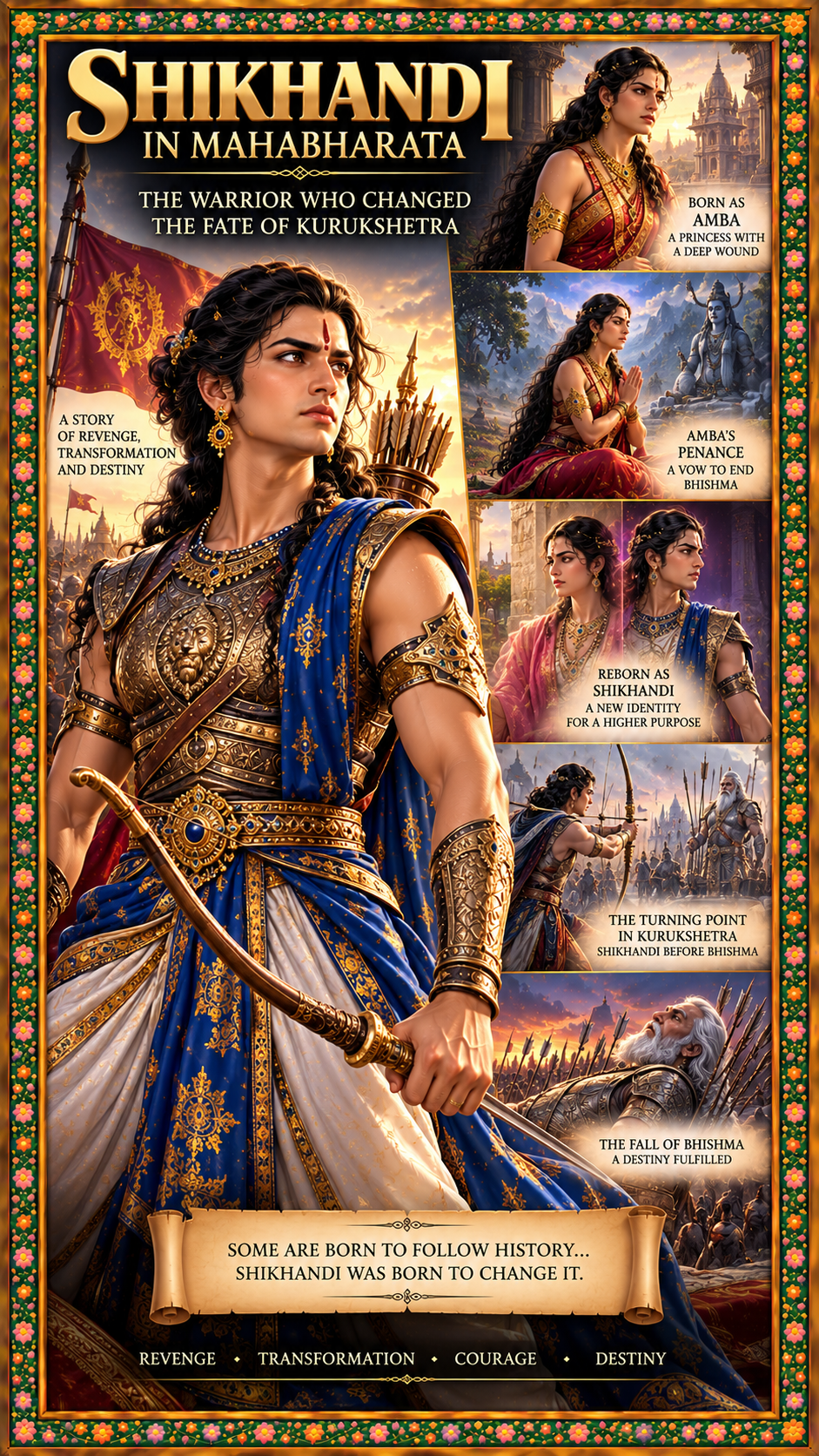
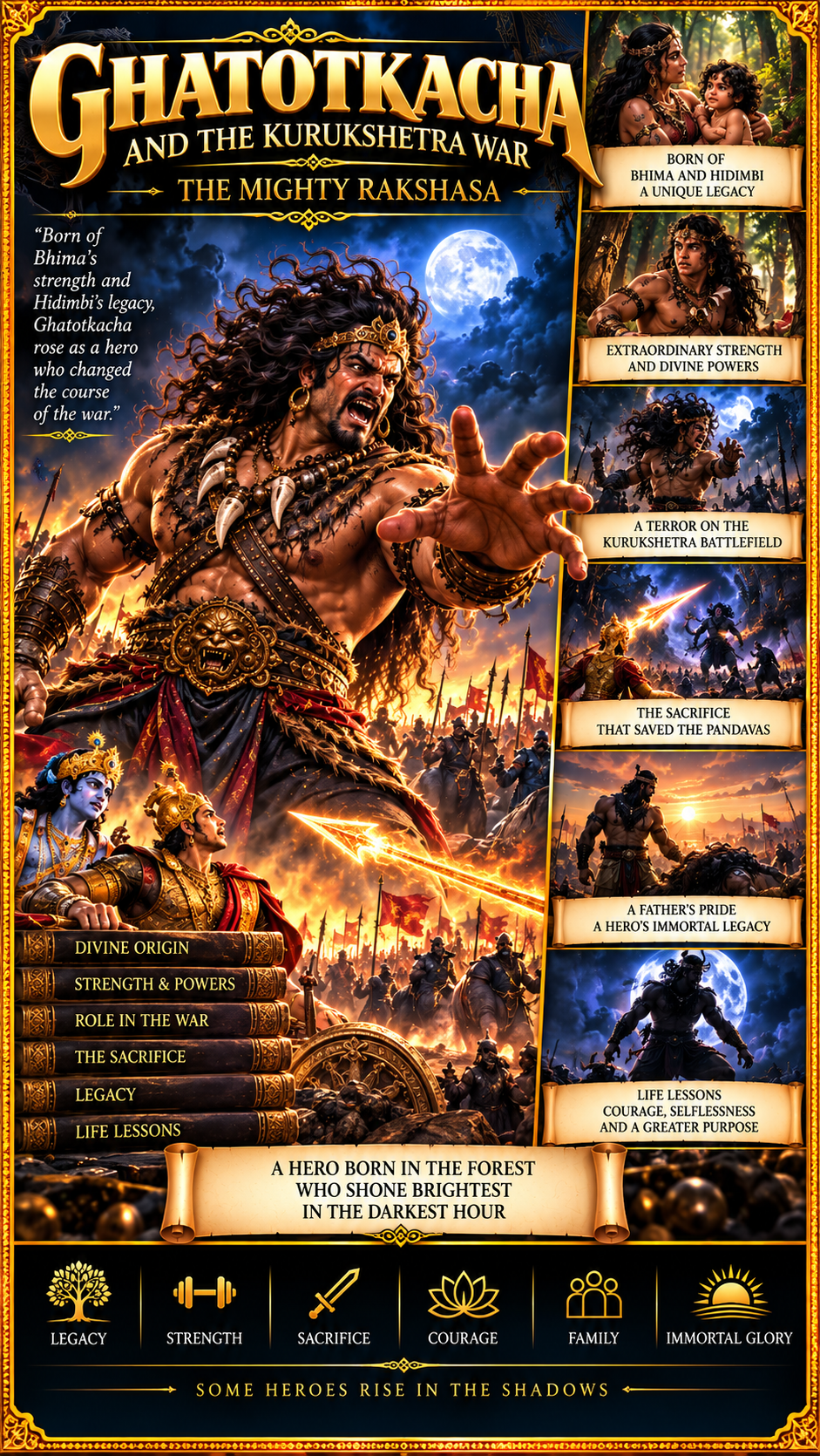


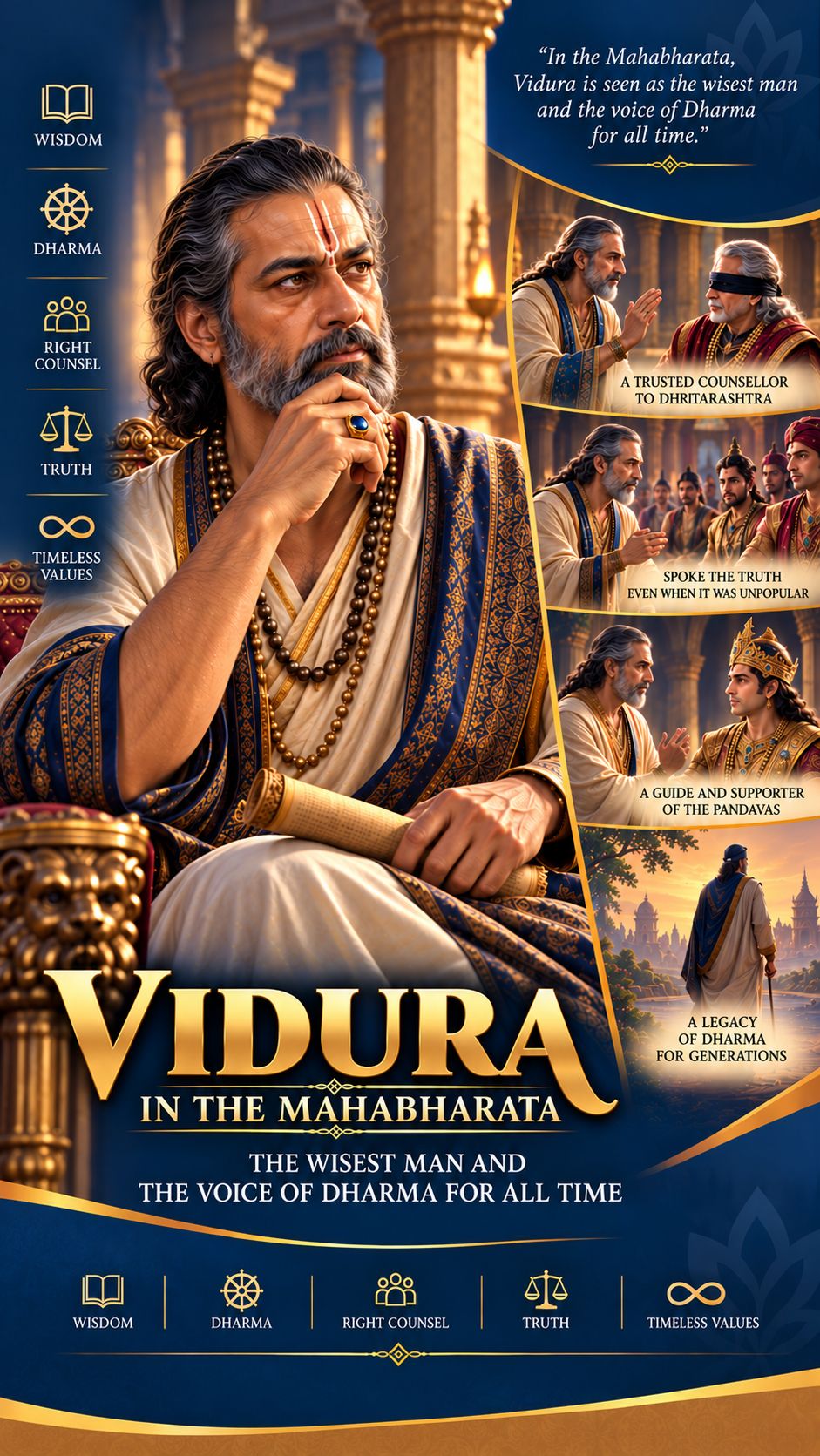





Raja Ratnam
- Mythology , Navagraha's
- November 3, 2025
- 467 views
Mangala (Mars) — The Fiery Planet of Power, Courage, and Discipline
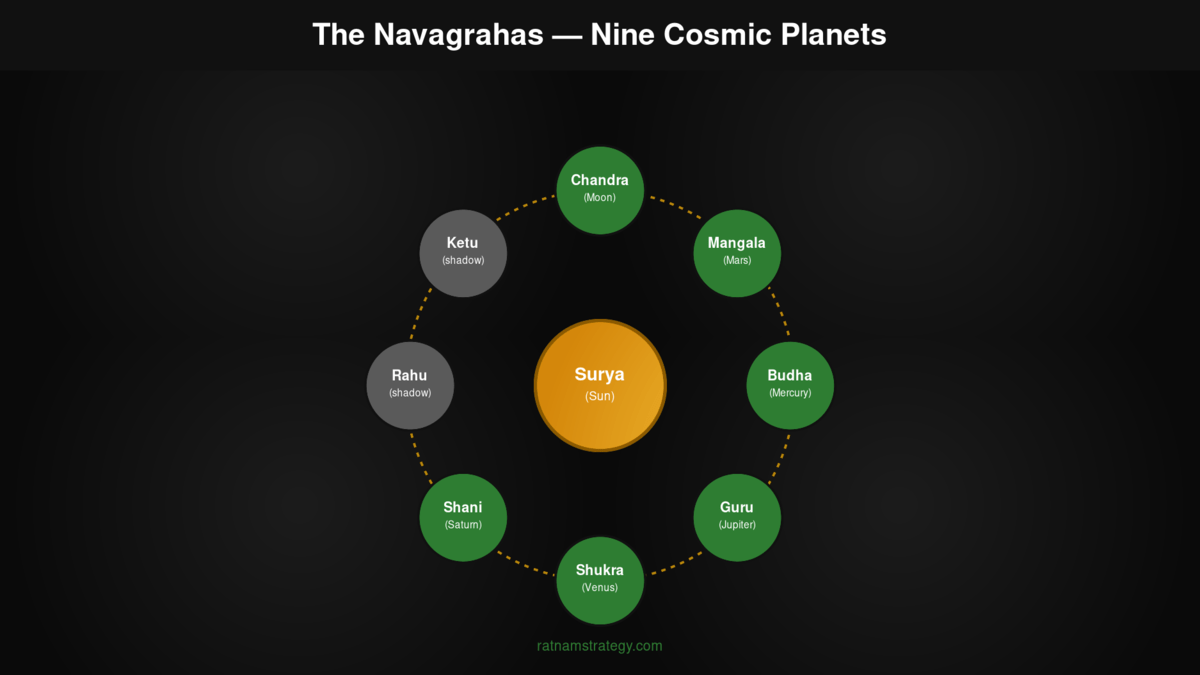
Introduction — Mangala (Mars) The Red Flame of the Cosmos Among the nine celestial forces known as the Navagrahas, Mangala (Mars) stands as the radiant embodiment of courage, discipline, and willpower. His energy burns bright like the red planet that bears his name — fierce yet purifying, fiery yet purposeful. In the cosmic order, Mangala represents Shakti (divine energy in motion). He governs action, war, vitality, and justice, ensuring that dharma is protected and courage prevails over fear. In every astrological chart, Mars determines the strength of one’s drive, determination, and self-discipline. Devotees view Mangala Deva not merely as a planet, but as a divine commander, a guardian of righteousness, and a symbol of inner strength. To those who walk the spiritual path, his energy teaches that true courage is not in aggression — but in the calm mastery of the self. For official cultural and historical archives, visit the Ministry of Culture, Government of India. Mythological Origin of Mangala The birth of Mangala Deva is one of the most powerful and symbolic episodes in Hindu cosmology. According to the Skanda Purana and Matsya Purana, he was born from the fiery energy that emanated from Lord Shiva’s third eye —…

- Mythology , Navagraha's
- November 1, 2025
- 547 views
Chandra Deva – The Radiant Moon God of Mind, Peace, and Emotion
Introduction Among the celestial beings that adorn the night sky, Chandra Deva, the Moon God, holds a special place in the hearts of devotees. His gentle radiance calms the world, nourishes life, and governs the emotional and mental balance of every being. In Hinduism, Chandra is not merely a planet (graha) but a divine deity of peace, beauty, fertility, and spiritual reflection. This article explores Chandra’s mythological origins, his divine role in astrology, his connection to Soma and Nakshatras, and how modern science complements ancient beliefs about the Moon. For official cultural and historical archives, visit the Ministry of Culture, Government of India. For official cultural and historical archives, visit the Archaeological Survey of India. Birth and Origin of Chandra Deva According to the Vedic scriptures, Chandra was born from the Samudra Manthan (churning of the ocean of milk). When the gods and demons churned the cosmic ocean to obtain Amrita (nectar of immortality), several divine treasures emerged — including Chandra, the radiant moon. His cool light was said to soothe even the fiercest flames. In some texts, he is also described as the son of Sage Atri and Anasuya, born from their intense penance. Chandra’s beauty and brilliance were…

- Festivals
- October 12, 2025
- 496 views
Karthika Poornima 2025 – Significance, Rituals, and Celebration of the Sacred Full Moon Day
Introduction Karthika Poornima 2025 : Poornima, also known as Tripuri Poornima or Deva Diwali, is one of the most sacred full moon days in the Hindu calendar. It is celebrated on the full moon (Poornima) day of the Karthika Masam — a month deeply revered for its divine energy and spiritual merit This auspicious day marks the celebration of Lord Shiva’s victory over the demon Tripurasura and also holds significance for devotees of Lord Vishnu, who celebrate it as Vaikuntha Poornima. Lighting lamps, performing deepa daanam, fasting, and bathing in sacred rivers are the core rituals of this day. In 2025, Karthika Poornima falls on November 5 (Wednesday). Mythological Significance of Karthika Poornima 2025 Karthika Poornima is associated with multiple divine events in Hindu mythology. The most well-known is the story of Lord Shiva as Tripurantaka. According to the Shiva Purana, three demon brothers—Tarakasura, Kamalaksha, and Vidyunmali—had constructed three flying cities known as Tripura. They caused great destruction in the universe. The gods prayed to Lord Shiva, who destroyed the three cities with a single arrow on Karthika Poornima day, symbolizing the destruction of arrogance, ignorance, and evil. Hence, this day is known as Tripuri Poornima and signifies the victory…

- Festivals , Navratri [ Day 1 To Day 9 }
- September 29, 2025
- 343 views
Maa Mahagauri (Day 8 of Navratri): The Goddess of Purity and Serenity
Introduction Maa Mahagauri (Day 8 of Navratri) :The eighth day of Navratri (Ashtami) is dedicated to Maa Mahagauri, the eighth manifestation of Goddess Durga. She represents purity, serenity, compassion, and forgiveness. Her name “Mahagauri” translates to “extremely fair and radiant,” symbolizing spiritual enlightenment and divine energy. Maa Mahagauri blesses her devotees with inner peace, wisdom, and prosperity while removing sins and past karmic debts. She is worshipped widely on Durga Ashtami, which is considered one of the most sacred days of Navratri. This day also holds special significance because many devotees perform Kanya Puja (Kumari Puja), where young girls are worshipped as embodiments of the Goddess herself. For official cultural and historical archives, visit the Incredible India Official Tourism Authority. The Story of Maa Mahagauri (Day 8 of Navratri) According to legend, Maa Parvati undertook severe penance to please Lord Shiva. She performed intense tapasya in the forests, enduring harsh conditions, dust, and hardships. Due to this, her skin became dark. Pleased by her devotion, Lord Shiva accepted her as his consort and washed away her dark complexion with the holy waters of the Ganga River. As a result, she regained her original divine radiance and came to be known…

- Festivals , Navratri [ Day 1 To Day 9 }
- September 27, 2025
- 348 views
Maa Katyayani – Day 6 of Navratri | Story, Puja Vidhi, Significance & Mantra
Introduction Maa Katyayani – Day 6 of Navratri: On the sixth day of Navratri, devotees worship Maa Katyayani, one of the fiercest and most powerful forms of Goddess Durga. She is known as the warrior goddess who embodies courage, victory, and the destruction of evil forces. She was born as the daughter of Sage Katyayan, and hence she came to be called Katyayani. Maa Katyayani is particularly revered because she was the one who defeated and killed the mighty demon Mahishasura, earning her the title of Mahishasuramardini (the slayer of Mahishasura). Devotees worship her for courage, protection, and marital bliss. Appearance of Maa Katyayani – Day 6 of Navratri Maa Katyayani’s divine form radiates strength and valor: Significance of Maa Katyayani Worship Maa Katyayani also represents the awakening of the Ajna (third eye) chakra, bringing intuition and wisdom. Maa Katyayani – Day 6 of Navratri Color – Red The auspicious color for Day 6 of Navratri is Red, symbolizing passion, strength, and action. Devotees wear red clothes and offer red flowers to Maa Katyayani during the puja. Maa Katyayani Puja Vidhi (Step-by-Step Rituals) Morning Preparations: Kalash Sthapana: Invocation of Maa Katyayani: Chanting the Mantra: “Om Devi Katyayanyai Namah” Bhog (Offering):…

- Festivals , Navratri [ Day 1 To Day 9 }
- September 24, 2025
- 353 views
Maa Chandraghanta – Navratri Day 3 Puja Vidhi, Mantra & Significance
Introduction Maa Chandraghanta – Navratri Day 3 .On the third day of Navratri, devotees worship Maa Chandraghanta, the warrior goddess who represents courage, strength, and grace. Her name comes from the crescent moon (Chandra) that adorns her forehead in the shape of a bell (Ghanta). She is believed to ride a tiger, symbolising bravery, and carries weapons in her ten hands. Worshipping Maa Chandraghanta removes fear, grants courage, and fills life with peace and harmony. Who is Maa Chandraghanta – Navratri Day 3? Maa Chandraghanta is the married form of Goddess Parvati, after she wed Lord Shiva. With a crescent moon on her forehead resembling a bell, she is both compassionate to her devotees and fierce toward evil forces. She is often described as a goddess who can bring tranquility in her calm form and immense destruction in her warrior form. Thus, she is the perfect balance of serenity and strength. Iconography of Maa Chandraghanta Maa Chandraghanta Puja Vidhi (Step-by-Step) Morning Preparation Ghatasthapana Continuation Invocation Significance of Maa Chandraghanta Worship Benefits of Worshipping Maa Chandraghanta Legends of Maa Chandraghanta – Navratri Day 3 Regional Traditions : Maa Chandraghanta – Navratri Day 3 Maa Chandraghanta Mantra & Stotra :Maa Chandraghanta –…

- Festivals , Navratri [ Day 1 To Day 9 }
- September 23, 2025
- 397 views
Maa Brahmacharini – Navratri Day 2 Puja, Mantra & Significance
Introduction Maa Brahmacharini (Navratri Day 2 ) : The second day of Navratri is dedicated to Maa Brahmacharini, the goddess of penance, austerity, and devotion. She represents Tapas (spiritual practice) and symbolizes patience, wisdom, and inner strength. Her worship on Navratri Day 2 inspires devotees to embrace discipline and devotion in their lives. The word Brahmacharini is a combination of Brahma (supreme knowledge or tapas) and Charini (one who practices). Thus, she is the goddess who practiced deep penance to please Lord Shiva. Worshipping her brings courage, self-control, and prosperity. Who is Maa Brahmacharini (Navratri Day 2 )? According to Hindu scriptures, Maa Brahmacharini is the unmarried form of Goddess Parvati. After her rebirth as the daughter of Himavan, she performed severe penance for thousands of years to win Lord Shiva as her husband. She accepted an ascetic lifestyle, living on fruits, flowers, and later surviving only on air and water. Her dedication and penance earned her the name Brahmacharini, the goddess who embodies devotion and austerity. Iconography of Maa Brahmacharini (Navratri Day 2 ) Maa Brahmacharini (Navratri Day 2 )Puja Vidhi (Step-by-Step) Morning Rituals Kalash and Idol Installation Invocation Mantra ChantingRecite:“Om Devi Brahmacharinyai Namah” (108 times if possible). Offerings…

- Festivals , Navratri [ Day 1 To Day 9 }
- September 20, 2025
- 1766 views
Maa Shailaputri – Navratri Day 1 Puja Vidhi, Mantra & Significance
Introduction Maa Shailaputri (Day 1 of Navratri):Maa Shailaputri symbolizes fresh starts and helps for your spiritual journey. Praying to her is believed to clear obstacles and bring peace and stability into life. She boosts mental strength, purity, and devotion and she protects the devotees from illnesses and bad luck. Her name explains that —Shaila means “mountain,” and Putri means “daughter.” She is for purity, strength, and staying grounded. Praying to this goddess on the first day is considered very important because she sets the spiritual tone for the rest of the days. Who is Maa Shailaputri (Day 1 of Navratri)? Maa Shailaputri (Day 1 of Navratri) :Maa Shailputri is the first manifestation of Goddess Durga. According to Hindu scriptures, she is the rebirth of Goddess Sati, who immolated herself during Daksha’s yajna (sacrifice). In her new life, she was born as the daughter of King Himavan, the lord of the Himalayas, and thus came to be called “Shailputri.” She is also identified with Goddess Parvati, who later marries Lord Shiva. As a result, Maa Shailputri represents divine motherhood, endurance, and strength. Iconography of Maa Shailaputri (Day 1 of Navratri) Maa Shailaputri Puja Vidhi (Step-by-Step) Significance of Worshipping Maa Shailaputri Benefits…

- Lord Ganesha
- September 6, 2025
- 513 views
Gajanana Avatar of Lord Ganesha – Story, Symbolism & Significance
Gajanana Avatar of Ganesha: In Hinduism, Lord Ganesha is revered as the remover of obstacles, the patron of wisdom, and the bringer of prosperity. Across traditions, Ganesha is venerated in nine unique forms, known as the Navavatars of Ganesha. Perhaps the most iconic and instantly recognizable is the Gajanana Avatar, the one with the elephant face. The name Gajanana comes from two Sanskrit words: Gaja (elephant) and Anana (face), meaning “the one with the elephant face.” This avatar is deeply symbolic, representing wisdom, strength, and the ability to overcome life’s greatest challenges with intelligence and patience. The Story of Gajanana During the cosmic struggle with Lobhasura, the Gajanana avatar appeared, according to the Mudgala Purana. Lobhasura was born out of greed (lobha) and spread his influence across the worlds by making humans and even gods crave material possessions beyond measure. His reign brought disharmony and suffering, as even noble beings became obsessed with wealth and desire. The gods turned to Lord Ganesha for help. Taking on the Gajanana form, with his mighty elephant face radiating divine brilliance, he confronted Lobhasura. But instead of destroying him outright, Gajanana used wisdom and compassion to defeat the demon. Lobhasura, realizing his mistake in…

- Lord Ganesha
- August 31, 2025
- 460 views
Mahodara Avatar of Lord Ganesha – Story, Symbolism & Significance
Mahodara Avatar of Ganesha: lord Ganesha, the remover of obstacles, is worshipped in nine divine forms known as the Navavatars of Ganesha. Each avatar manifests to defeat a particular evil force and teach humanity a higher spiritual lesson. Among them, the Mahodara Avatar is especially revered for symbolizing wisdom, prosperity, and the balance of human desires. The word Mahodara combines Maha (great) and Udara (belly), meaning “the one with the great belly.” Far from being a symbol of gluttony, the big belly carries profound spiritual meaning—it represents the entire universe and the ability to absorb both good and bad energies without disturbance. Mahodara Avatar of Ganesha: The Story of Mahodara Avatar The Mudgala Purana, a sacred text dedicated to Lord Ganesha, narrates the story of Mahodara. Once, a powerful asura (demon) named Mochaka began terrorizing the three worlds. He was extremely cunning and thrived on feeding people’s greed, anger, and endless desires. The gods were troubled by his influence, as humans were drifting away from dharma (righteousness). The devas prayed to Lord Ganesha for help. Responding to their call, Ganesha appeared in his Mahodara form—a mighty figure with an enormous belly, radiant like a thousand suns, and unmatched wisdom. Instead…