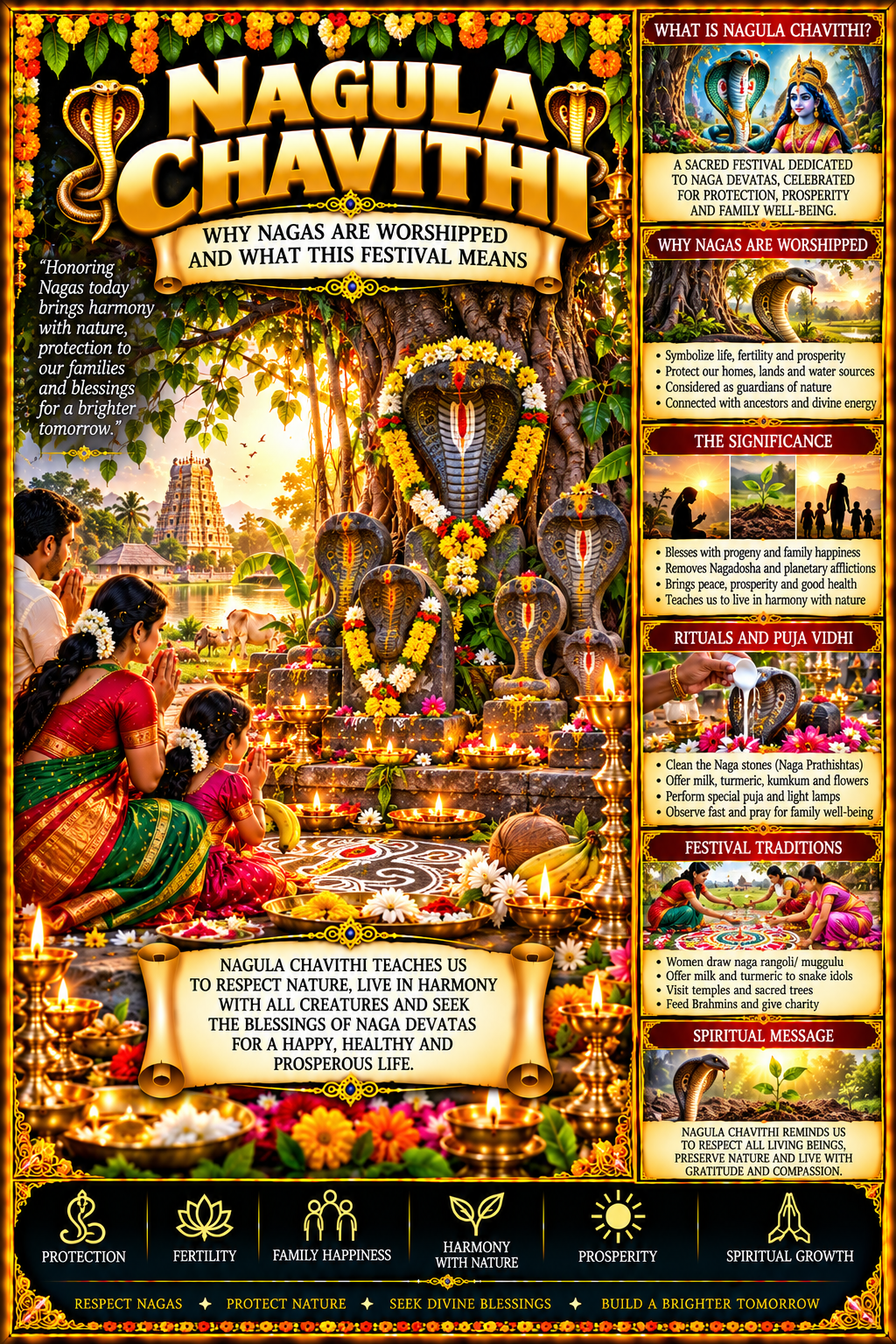
 Nagula Chavithi: Why Nagas Are Worshipped and What This Festival Means
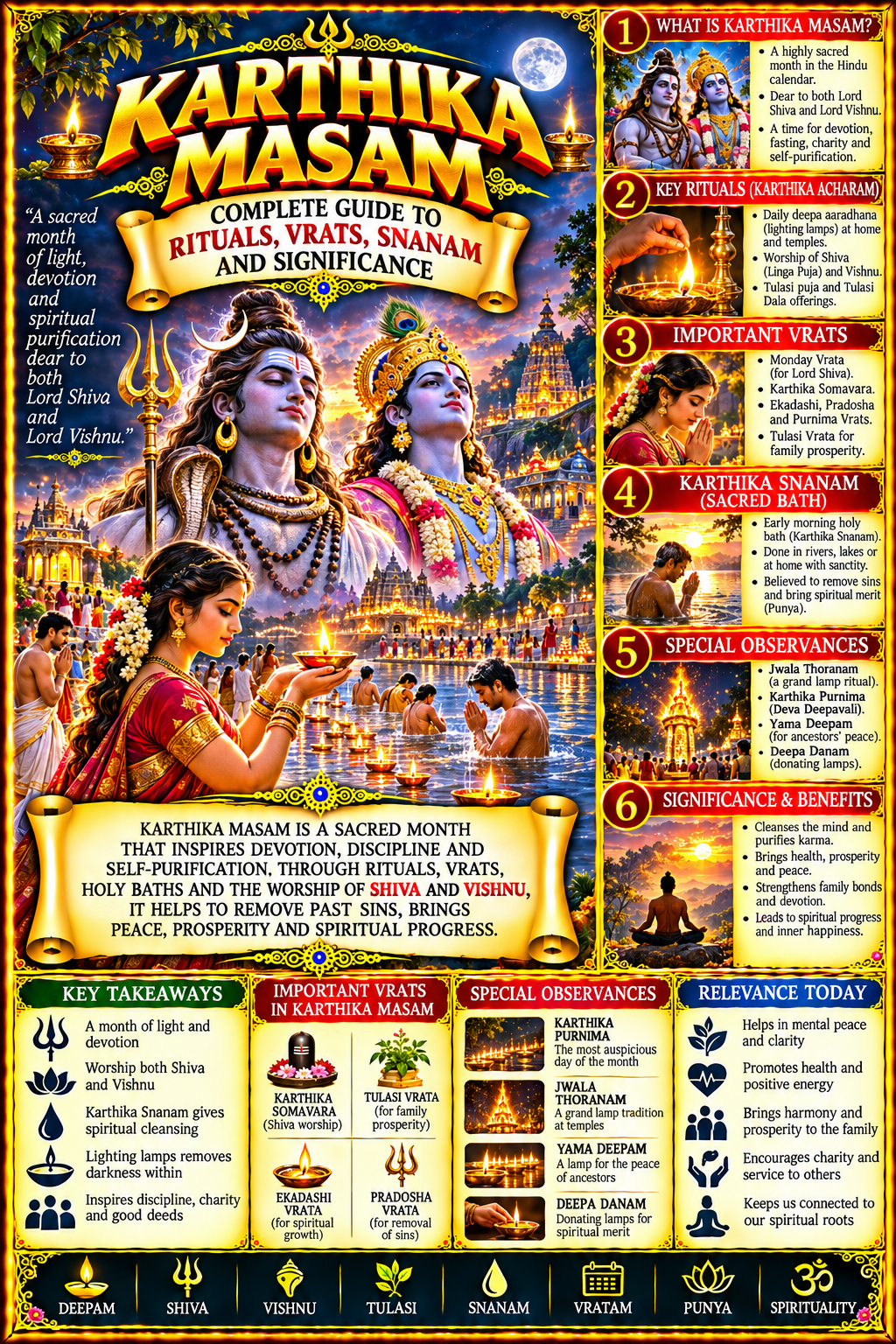 Karthika Masam: Complete Guide to Rituals, Vrats, Snanam and Significance
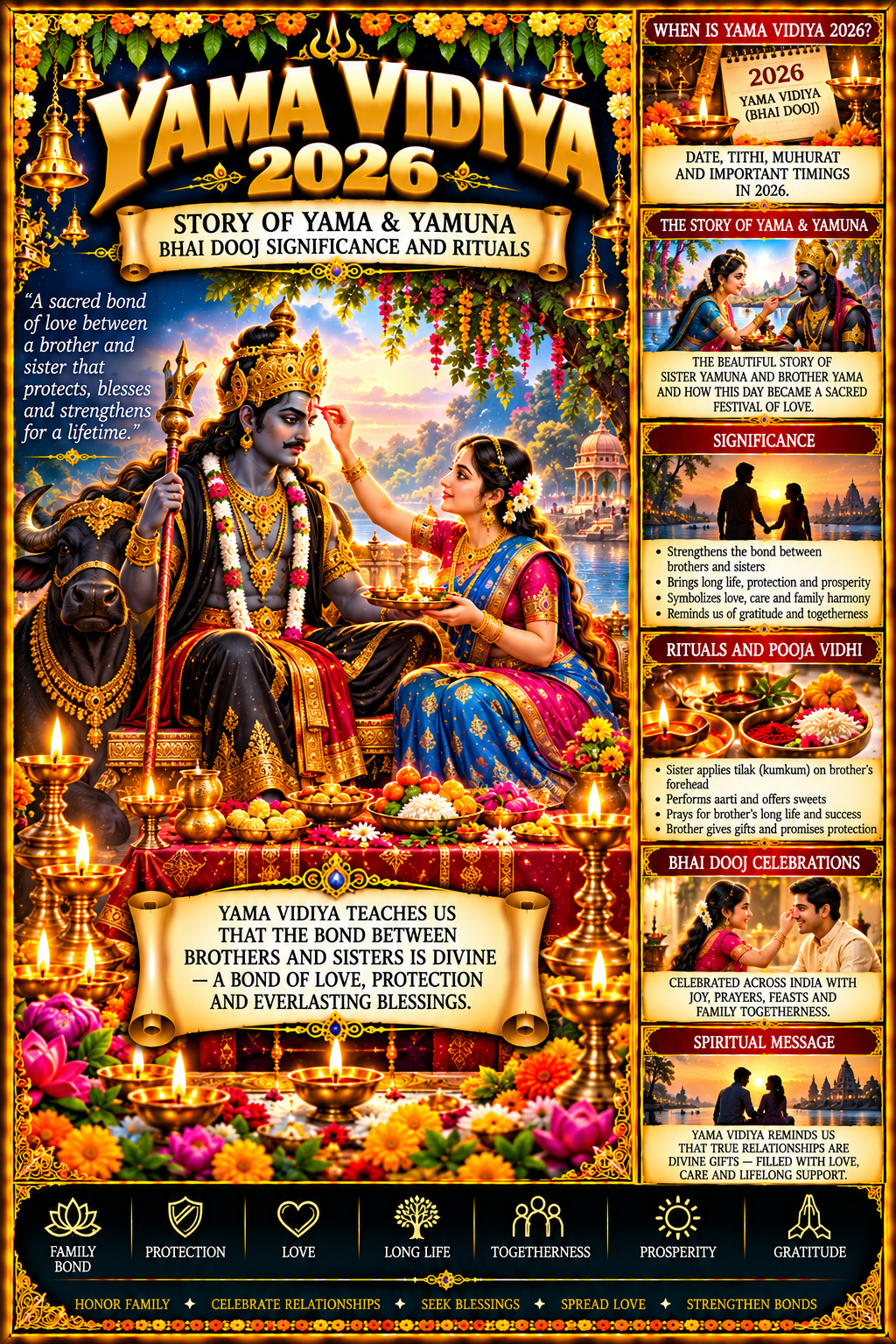 Yama Vidiya 2026: Story of Yama & Yamuna | Bhai Dooj Significance and Rituals
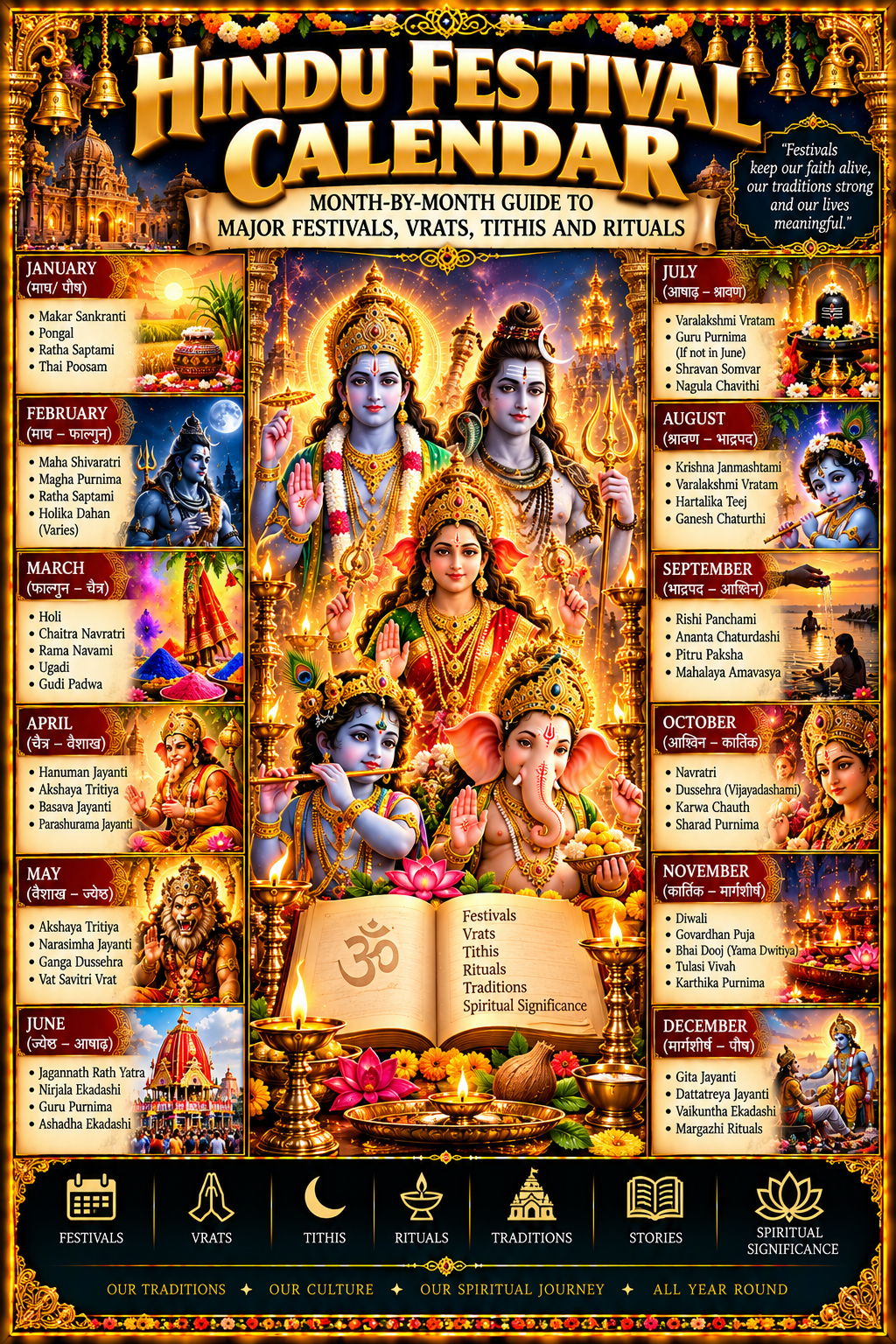
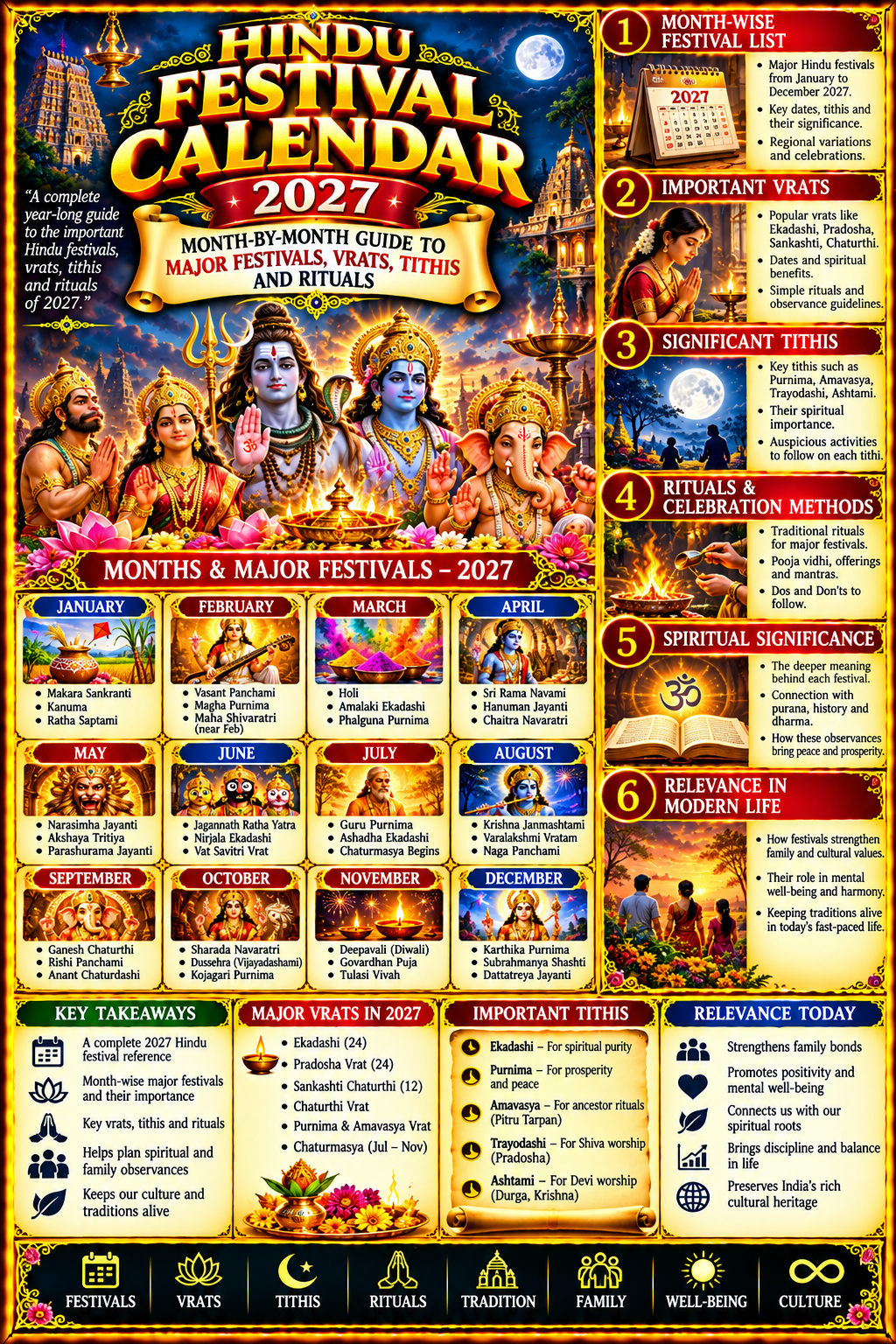 Hindu Festival Calendar: Month-by-Month Guide to Major Festivals, Vrats, Tithis and Rituals 2027
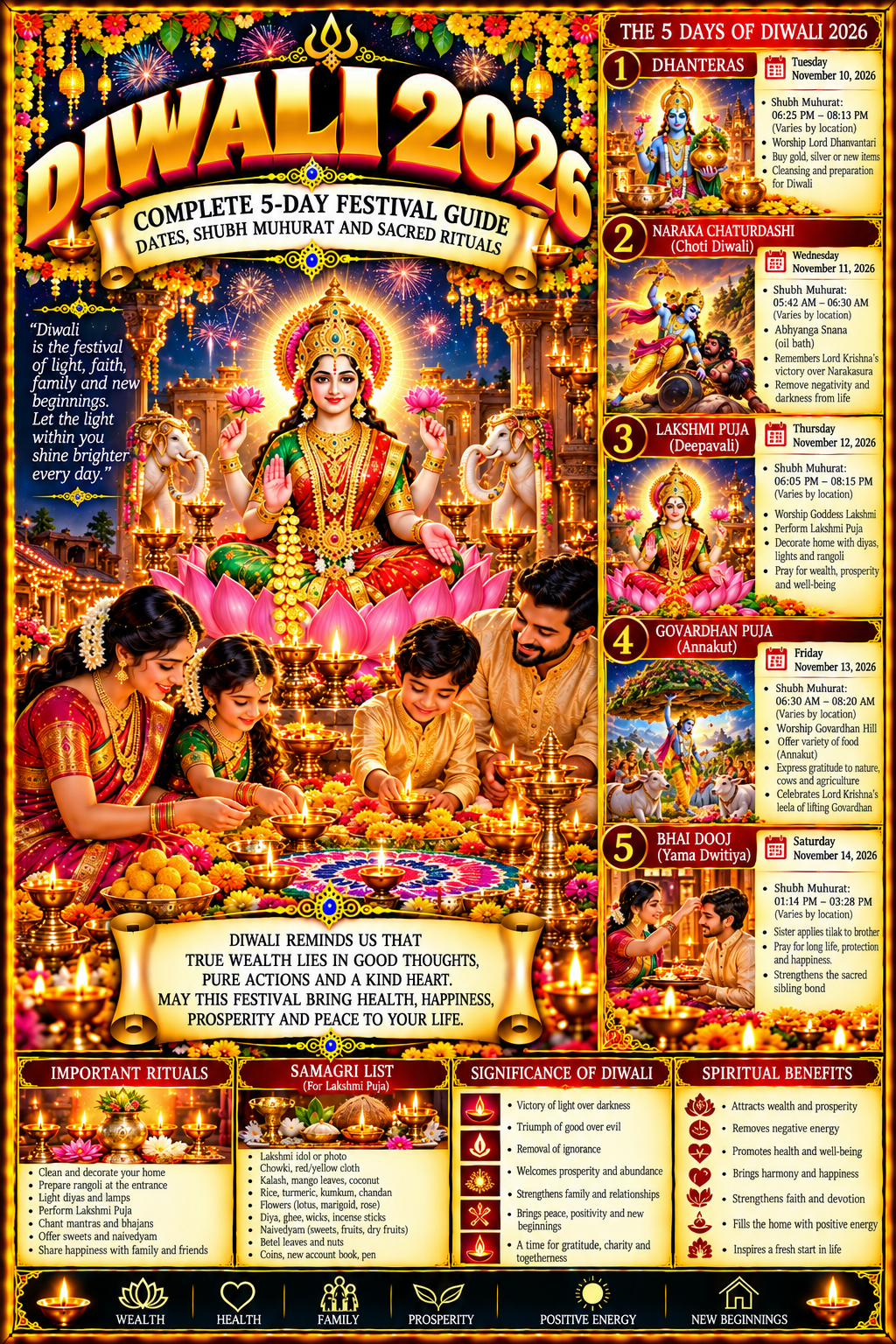 Diwali 2026: Complete 5-Day Festival Guide, Dates, Shubh Muhurat and Sacred Rituals
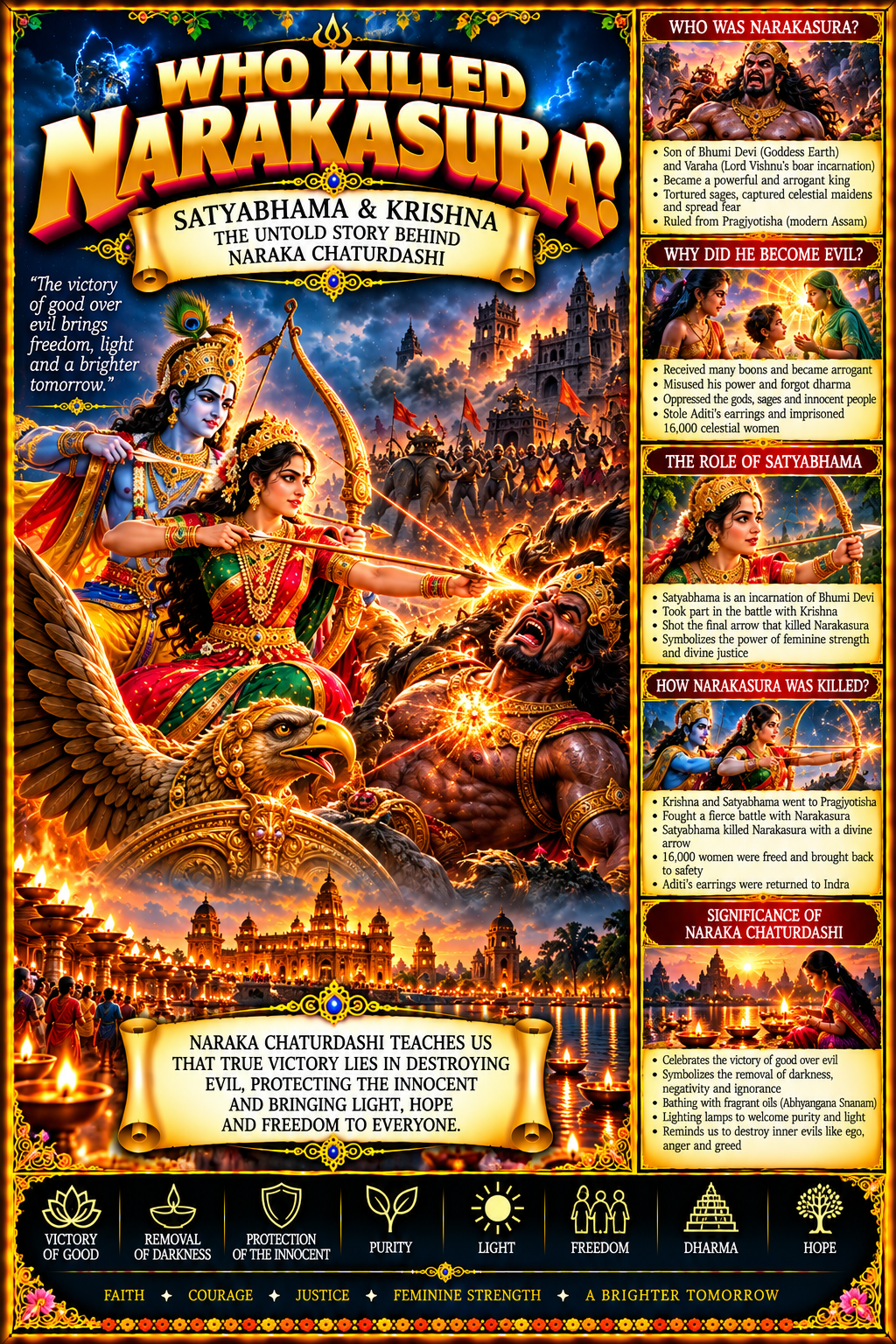 Who Killed Narakasura? Satyabhama & Krishna | The Untold Story Behind Naraka Chaturdashi
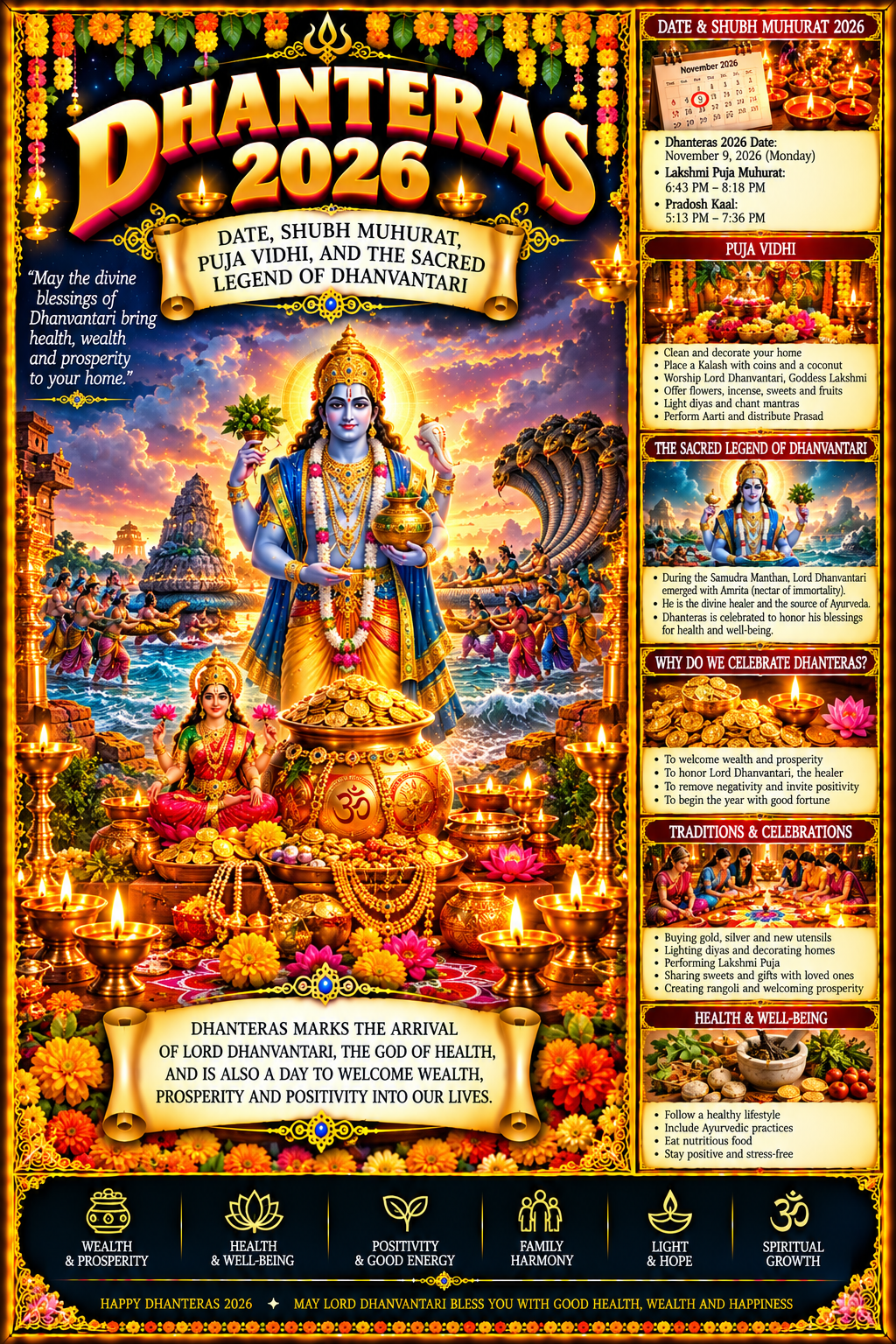 Dhanteras 2026: Date, Shubh Muhurat, Puja Vidhi, and the Sacred Legend of Dhanvantari
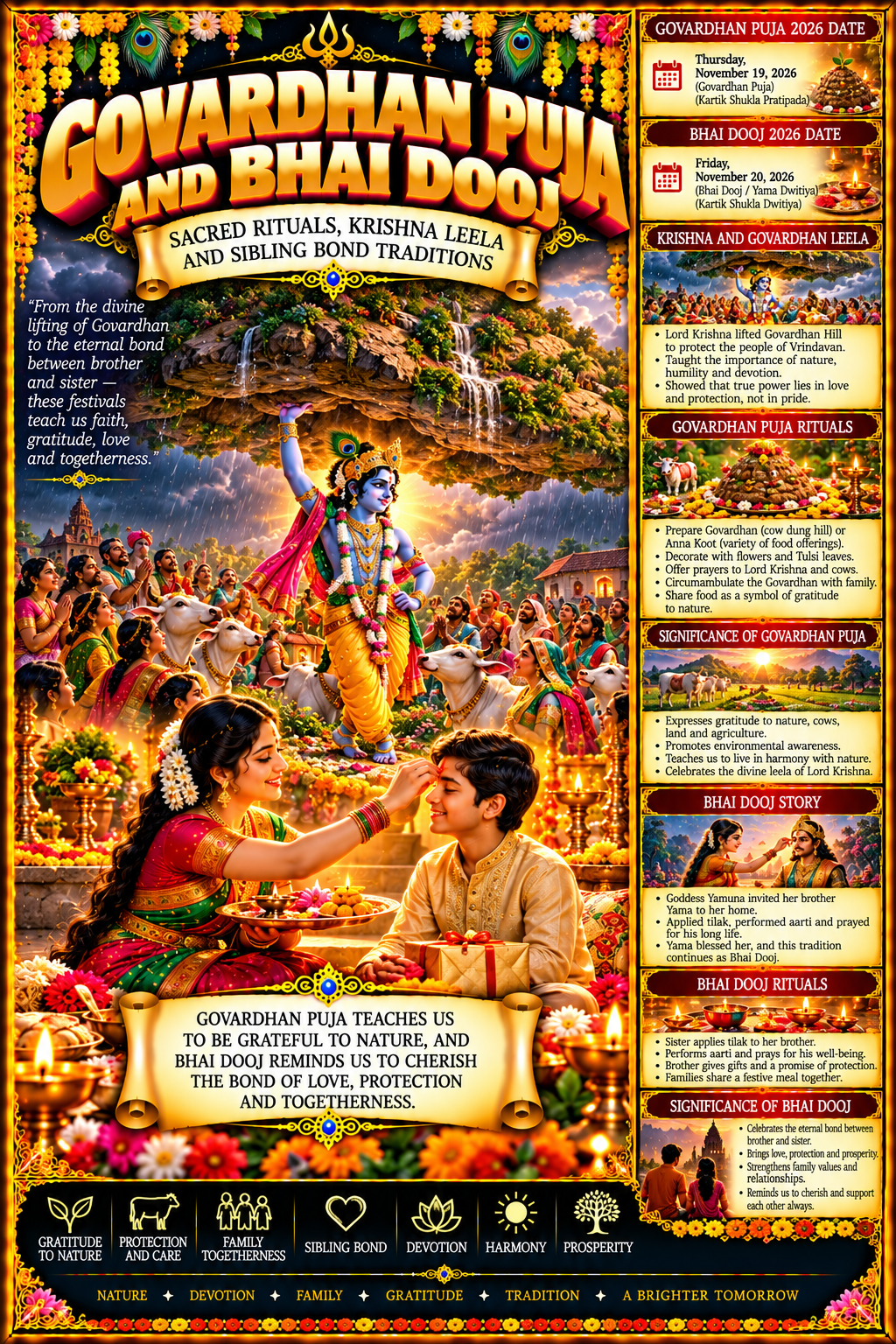 Govardhan Puja and Bhai Dooj: Sacred Rituals, Krishna Leela and Sibling Bond Traditions
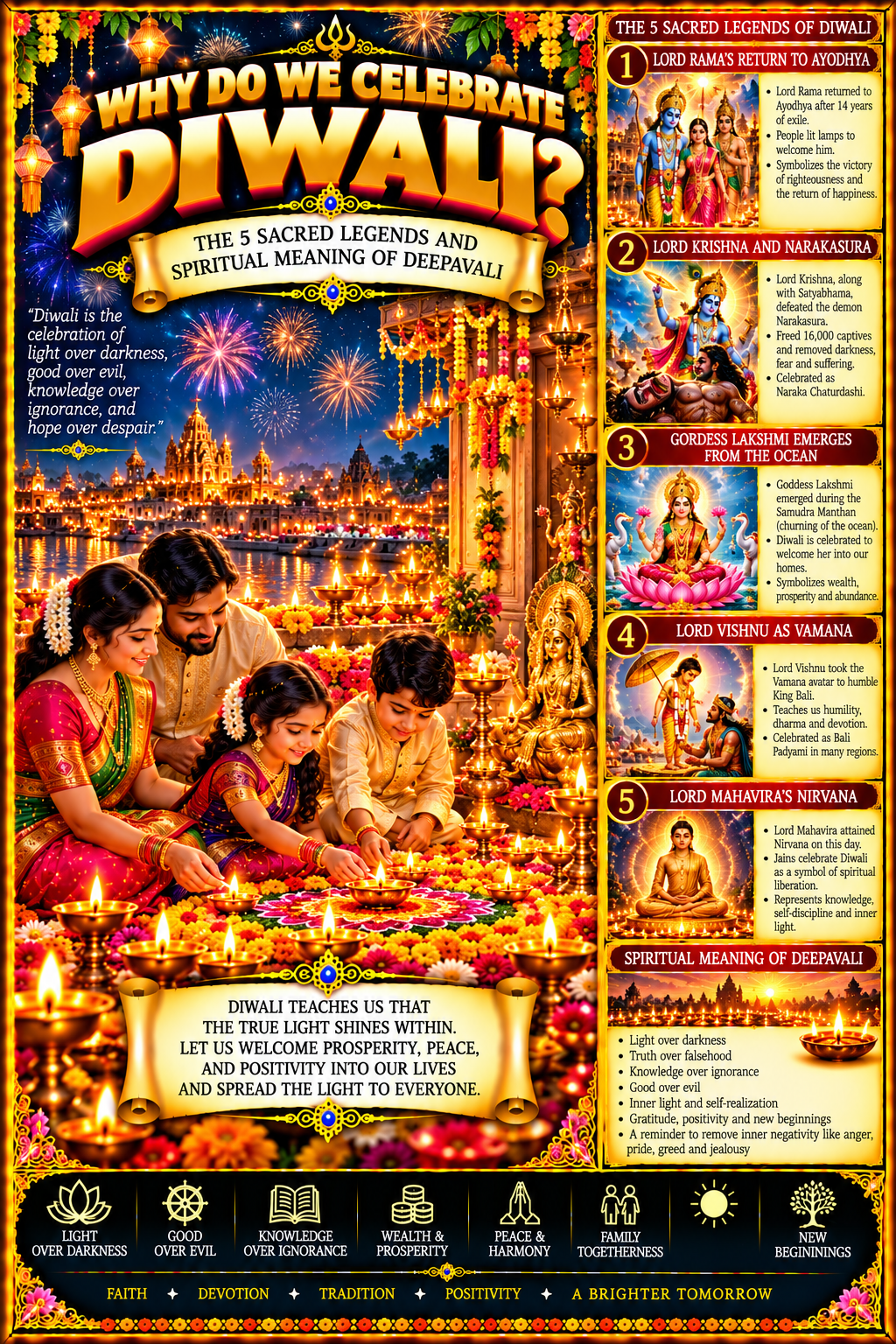 Why Do We Celebrate Diwali: The 5 Sacred Legends and Spiritual Meaning of Deepavali
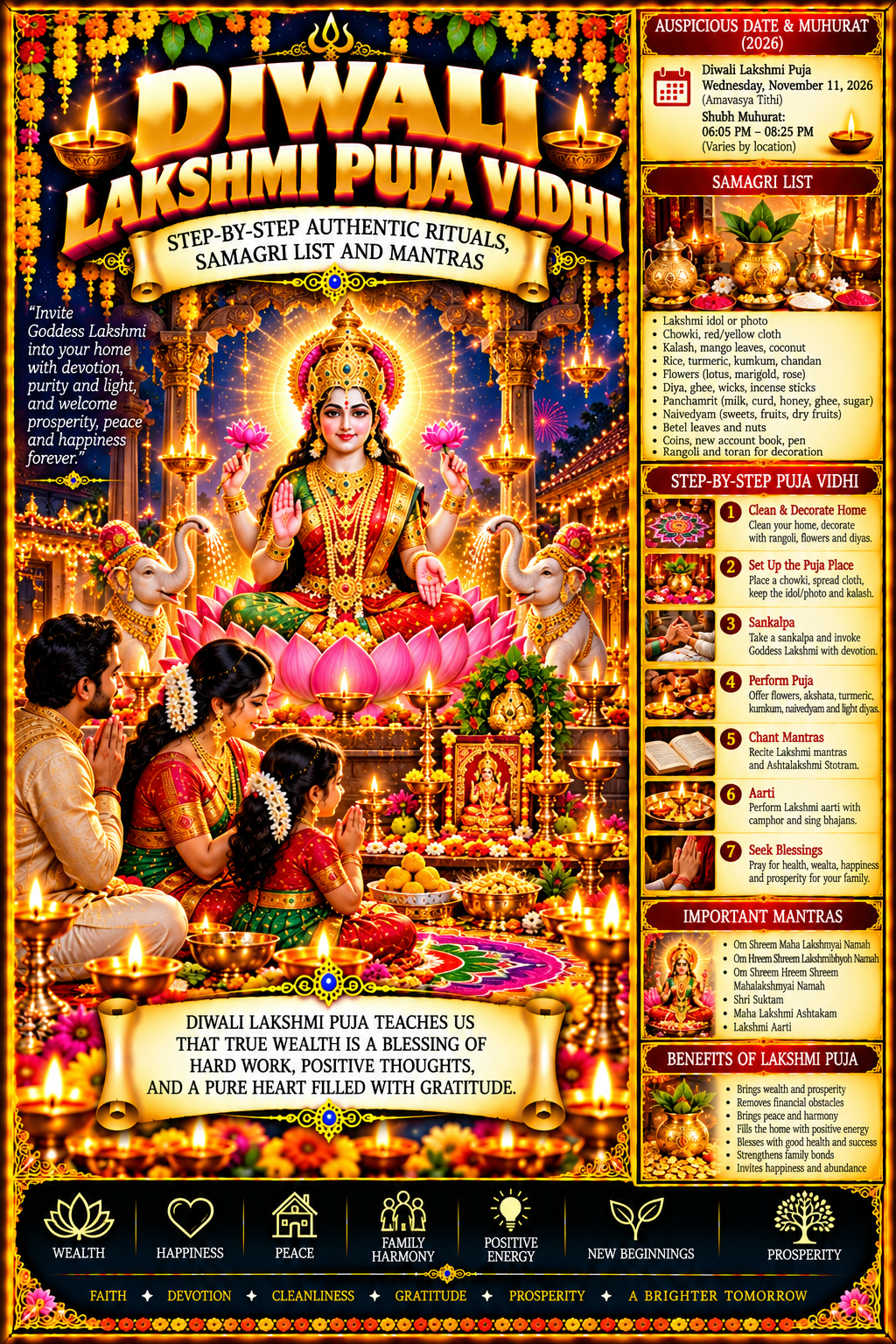 Diwali Lakshmi Puja Vidhi: Step-by-Step Authentic Rituals, Samagri List and Mantras








Raja Ratnam
- Navagraha's
- November 25, 2025
- 573 views
Surya Deva (Sun God): Mythology, Astrological Influence, Aditya Hridaya & Remedies
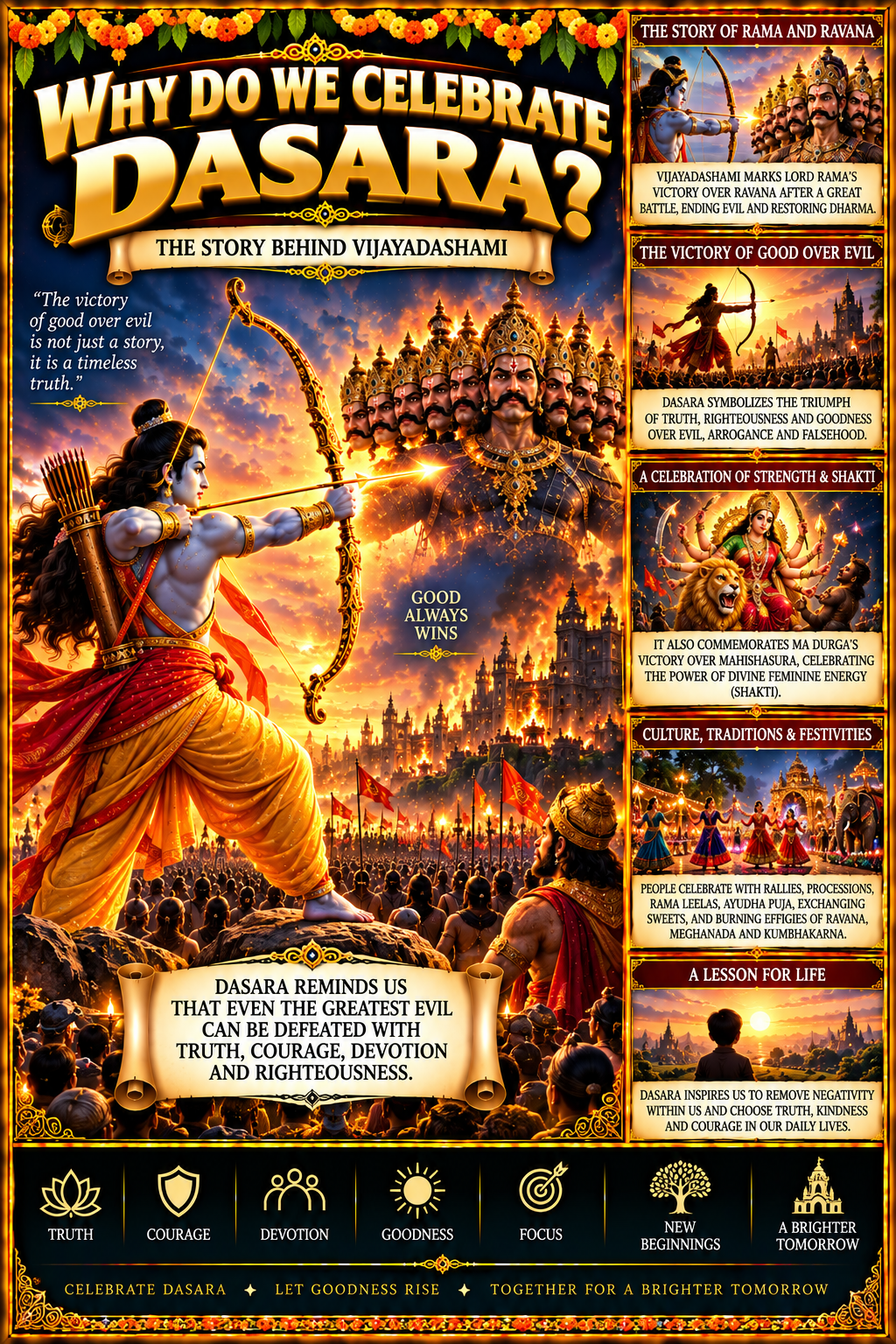
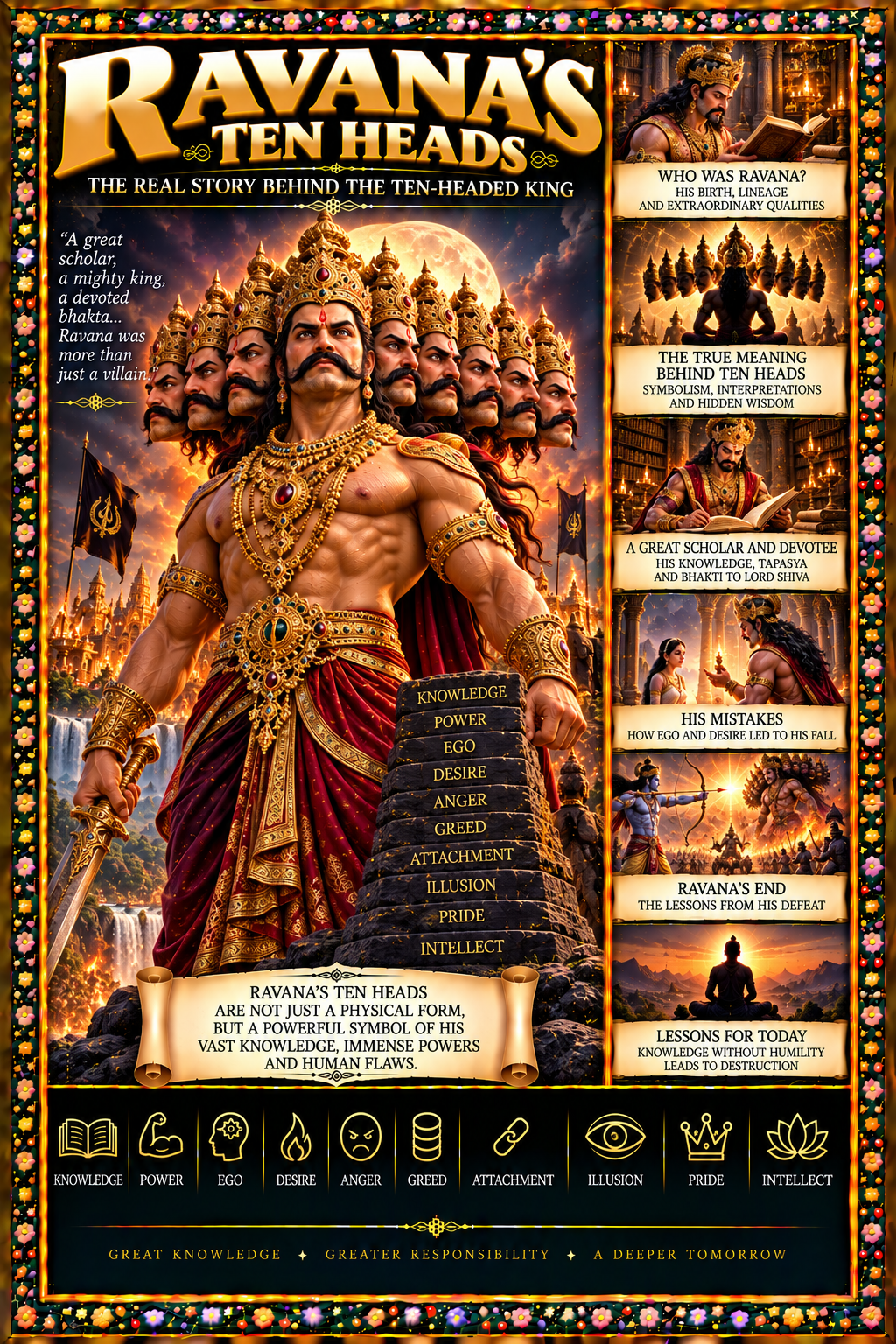
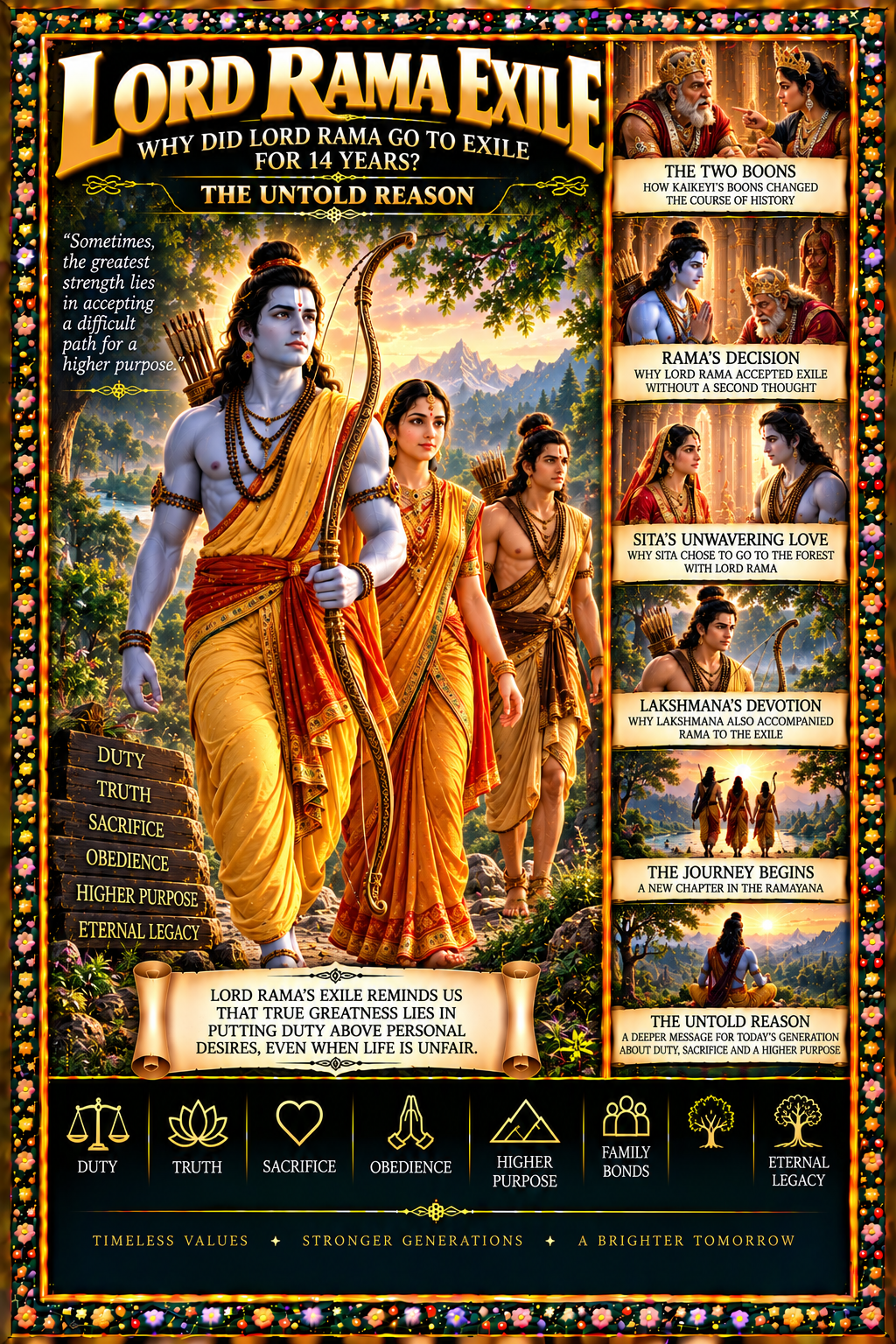
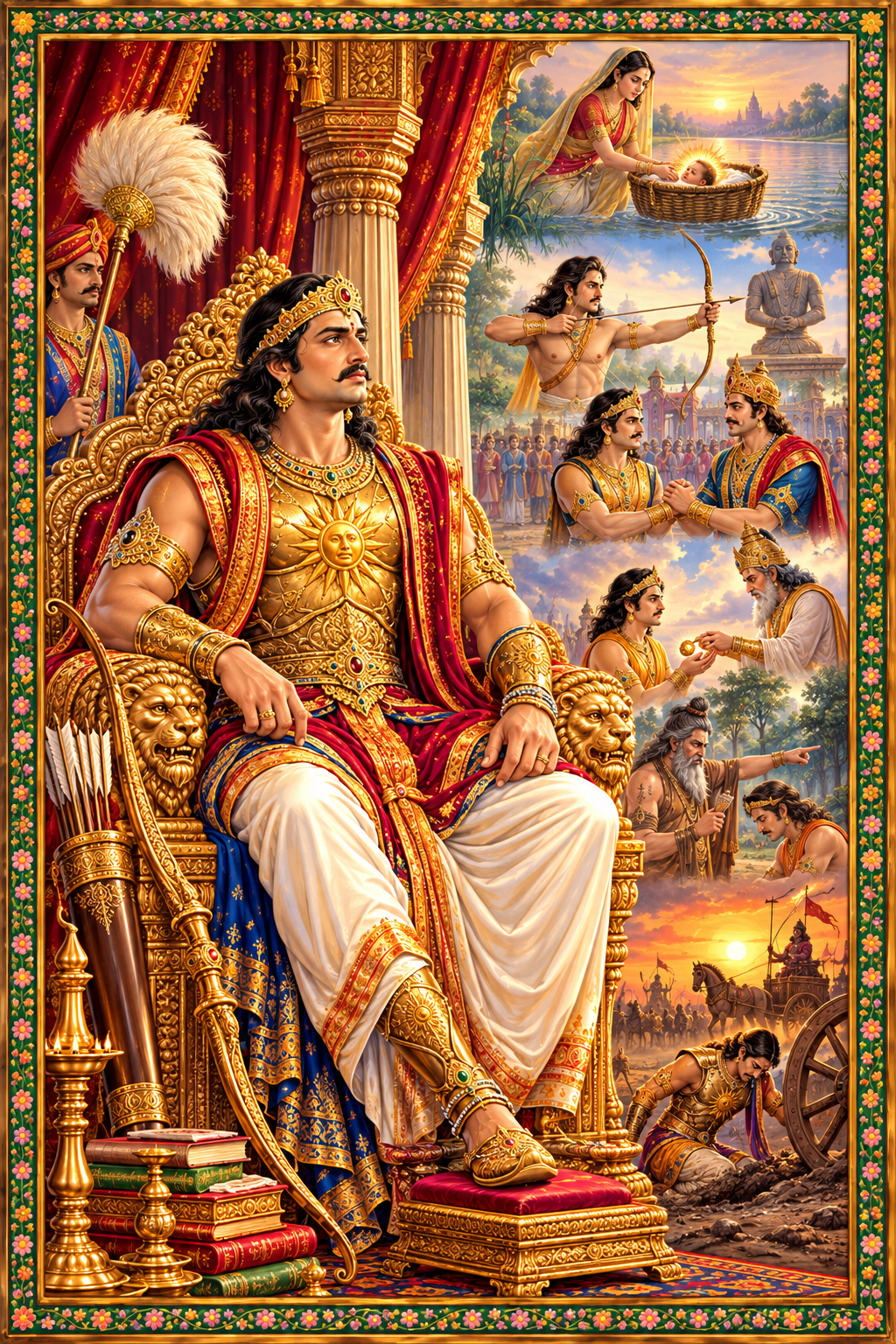
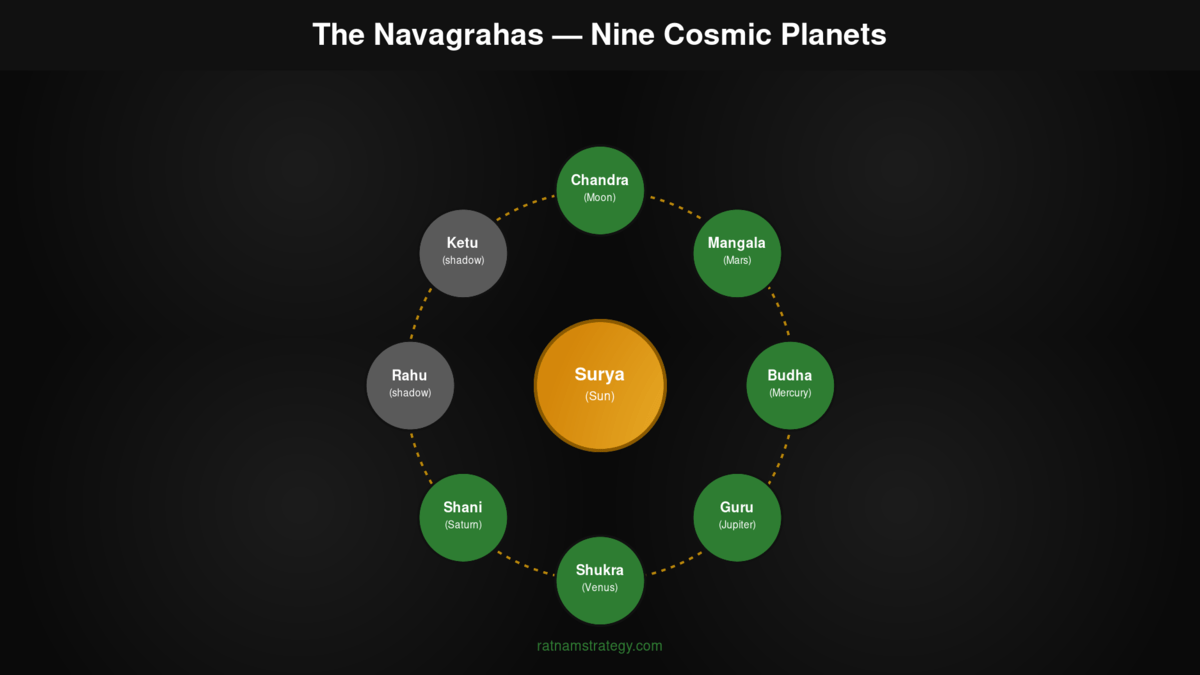
Every morning as darkness dissolves into crimson and gold, Lord Surya rides his magnificent celestial chariot across the eastern horizon, awakening life across the earth. Reaching into every home and field with warmth and light, the Sun God is worshipped as the living eye of the cosmos (Pratyaksha Daivam). For millennia, students and families have greeted his first rays with the sacred Gayatri Mantra, drawing health, vitality, and intellectual clarity from his eternal energy. Related Sacred Topics & Cultural Heritage: For further spiritual exploration, read about Lord Rama’s ideal life story. For further spiritual exploration, read about the 14-year exile of Lord Rama. For further spiritual exploration, read about Ravana’s story in the Ramayana. Introduction – The Heart of the Universe Among the Navagrahas, Surya Deva stands supreme as the giver of life, light, and consciousness.He is the visible form of the divine – the eternal witness who illuminates the world every day without fail. In Vedic tradition, Surya is not merely a celestial body;He is Prana (life-force), Tejas (spiritual fire), and Chaitanya (awareness).He represents truth, clarity, discipline, and the power to rise above darkness. Without Surya, plants cannot live, Earth cannot thrive, The mind cannot awaken,andSpiritual consciousness cannot bloom.…

- Mythology , Navagraha's
- November 6, 2025
- 670 views
Shani Deva (Saturn): Lord of Karma, Sade Sati Explained, Myths & Powerful Remedies
Introduction – The Power and Mystery of Shani Deva (Saturn) Moving slowly and deliberately through the starry constellations, Shani Deva (Saturn) is often feared, yet in Vedic philosophy he is the supreme teacher of humility, patience, and justice. As the divine judge of karma (Karmaphala Daata), Lord Shani does not punish out of cruelty; he burns away false pride and teaches resilience through discipline, ensuring that honest effort and righteousness are ultimately rewarded. Shani’s influence is never meant to punish out of anger – rather, he guides souls through accountability, responsibility, restraint, and spiritual awakening. His lessons are deep, life-changing, and karmically precise. Shani’s slow movement through the zodiac symbolizes patience, endurance, maturity, and long-term results. His blessings are slow but permanent; his teachings are tough but purifying. For official cultural and historical archives, visit the Ministry of Culture, Government of India. Mythological Origins of Shani Deva 1. Birth of Shani – Son of Surya and Chhaya Shani is the son of Lord Surya (Sun) and Devi Chhaya, who was created as a shadow form of Surya’s wife Sanjana. From birth, Shani exhibited extraordinary powers. When Surya refused to accept him, Shani’s angry gaze caused Surya’s chariot horses to weaken,…

- Mythology , Navagraha's
- November 4, 2025
- 496 views
Guru Brihaspati (Jupiter): Divine Guru of Gods, Astrological Significance & Remedies
Introduction Guru (Brihaspati / Jupiter): In the grand cosmic family of the Navagrahas, Guru (Brihaspati) shines as the planet of wisdom, righteousness (dharma), knowledge, and divine counsel.Known as Devaguru – the preceptor of the Devas – he is revered not just as a planet influencing destiny, but as a living embodiment of divine wisdom and truth. Where Surya represents energy and life, and Chandra reflects emotion and mind, Guru governs knowledge, faith, and morality – the spiritual compass that guides humanity toward enlightenment. In astrology, Jupiter symbolizes expansion, prosperity, optimism, and justice. His blessings bring spiritual understanding, wealth, and harmony in life.In mythology, he stands as the Guru of the Devas, constantly guiding them against ignorance and ego. Mythological Origin of Guru (Brihaspati / Jupiter) Resplendent in radiant golden robes with a gentle, calming countenance, Guru Brihaspati (Jupiter) is revered as the divine preceptor of the Devas and the embodiment of wisdom, sacred speech, and ethical counsel. As the greatest benefactor among the planets, Brihaspati brings expansive intellect, spiritual growth, and moral clarity to all who seek genuine knowledge and noble living. Brihaspati is the son of Sage Angiras, one of the Saptarishis, and Shraddha Devi.From birth, he radiated extraordinary…

- Mythology , Navagraha's
- November 4, 2025
- 519 views
Budha Deva (Mercury): Planet of Intellect & Speech, Astrological Benefits & Remedies
Introduction Graceful, quick-witted, and endlessly curious, Budha Deva (Mercury) governs the sparkling energy of intellect, expressive speech, humor, and analytical thought. Known as the son of Chandra, Budha blesses children, scholars, and traders with clarity of thought, eloquence in communication, and the adaptability to solve complex problems with a calm and cheerful mind. Known as the celestial prince, Budha’s energy is youthful, playful, and curious. He represents the mind that loves to learn, negotiate, and express itself clearly. For official cultural and historical archives, visit the Ministry of Culture, Government of India. Mythological Origin of Budha Budha (Mercury) Birth of Budha – The Child of Chandra and Tara According to Hindu mythology, Budha was born from Chandra (the Moon) and Tara, the wife of Brihaspati (Jupiter). When Chandra became infatuated with Tara, she was drawn to his charm and brilliance. Their union resulted in the birth of a radiant child – Budha. When Brihaspati discovered the affair, a great celestial conflict erupted among the gods. The child, however, was so radiant and intelligent that the gods accepted him as divine. He was named Budha, meaning “the Wise” or “the Enlightened One.” Later, Budha performed intense penance to Lord Vishnu and…

- Mythology , Navagraha's
- November 3, 2025
- 518 views
Mangala Deva (Mars): Mythology, Manglik Dosha Meaning, Effects & Effective Remedies
Introduction – Mangala (Mars) The Red Flame of the Cosmos Glowing with a warm, fiery red hue across the night sky, Mangala Deva (Mars) represents dynamic courage, leadership, and unwavering determination. In ancient lore, he is born of the earth itself (Bhauma), channeling the focused energy needed to overcome obstacles, defend the innocent, and cultivate the physical discipline of a righteous warrior. In the cosmic order, Mangala represents Shakti (divine energy in motion). He governs action, war, vitality, and justice, ensuring that dharma is protected and courage prevails over fear. In every astrological chart, Mars determines the strength of one’s drive, determination, and self-discipline. Devotees view Mangala Deva not merely as a planet, but as a divine commander, a guardian of righteousness, and a symbol of inner strength. To those who walk the spiritual path, his energy teaches that true courage is not in aggression – but in the calm mastery of the self. For official cultural and historical archives, visit the Ministry of Culture, Government of India. Mythological Origin of Mangala The birth of Mangala Deva is one of the most powerful and symbolic episodes in Hindu cosmology. According to the Skanda Purana and Matsya Purana, he was born…

- Mythology , Navagraha's
- November 1, 2025
- 618 views
Chandra Deva (Moon God): Story, Effects on Mind, Astrological Placement & Remedies
Introduction Pouring a cooling, silvery light across sleeping forests, rivers, and cities, Chandra Deva, the Moon God, brings calm and nourishment to all living beings. In Indian thought, the moon governs the waters of the earth and the emotions of the mind. Associated with the gentle nectar of life (Soma), Chandra reminds us that in a world of burning heat and busyness, peaceful reflection, kindness, and emotional harmony are vital for the soul. This article explores Chandra’s mythological origins, his divine role in astrology, his connection to Soma and Nakshatras, and how modern science complements ancient beliefs about the Moon. For official cultural and historical archives, visit the Ministry of Culture, Government of India. For official cultural and historical archives, visit the Archaeological Survey of India. Birth and Origin of Chandra Deva According to the Vedic scriptures, Chandra was born from the Samudra Manthan (churning of the ocean of milk). When the gods and demons churned the cosmic ocean to obtain Amrita (nectar of immortality), several divine treasures emerged – including Chandra, the radiant moon. His cool light was said to soothe even the fiercest flames. In some texts, he is also described as the son of Sage Atri and…

- Festivals
- October 12, 2025
- 549 views
Karthika Poornima: Sacred 365-Wick Deepam, River Snanam, Dev Deepawali & Rituals
Introduction On the full moon night of Karthika Masam, riverbanks and temple courtyards across India shimmer with thousands of tiny, glowing earthen lamps. Known as Karthika Poornima, Tripuri Poornima, or Dev Deepavali, this sacred evening celebrates Lord Shiva’s victory over the demon Tripurasura and Lord Vishnu’s emergence in his Matsya avatar. Families float oil lamps on sacred waters, offering 365 wicks to illuminate their lives with health and gratitude. This auspicious day marks the celebration of Lord Shiva’s victory over the demon Tripurasura and also holds significance for devotees of Lord Vishnu, who celebrate it as Vaikuntha Poornima. Lighting lamps, performing deepa daanam, fasting, and bathing in sacred rivers are the core rituals of this day. In 2025, Karthika Poornima falls on November 5 (Wednesday). Mythological Significance of Karthika Poornima 2025 Karthika Poornima is associated with multiple divine events in Hindu mythology. The most well-known is the story of Lord Shiva as Tripurantaka. According to the Shiva Purana, three demon brothers – Tarakasura, Kamalaksha, and Vidyunmali – had constructed three flying cities known as Tripura. They caused great destruction in the universe. The gods prayed to Lord Shiva, who destroyed the three cities with a single arrow on Karthika Poornima…

- Festivals , Navratri [ Day 1 To Day 9 }
- September 29, 2025
- 402 views
Maa Mahagauri (Navratri Day 8): Kanya Puja Vidhi, Mantras, Color & Sacred Story
Introduction Dressed in spotless white robes, riding a gentle white bull with a trident and damaru in her hands, Maa Mahagauri graces the eighth day of Navratri (Durgashtami). Having undergone severe Himalayan penances until her dark skin was washed radiant by the waters of the holy Ganga, she is the gentle mother of unconditional forgiveness, compassion, and inner serenity. Maa Mahagauri blesses her devotees with inner peace, wisdom, and prosperity while removing sins and past karmic debts. She is worshipped widely on Durga Ashtami, which is considered one of the most sacred days of Navratri. This day also holds special significance because many devotees perform Kanya Puja (Kumari Puja), where young girls are worshipped as embodiments of the Goddess herself. For official cultural and historical archives, visit the Incredible India Official Tourism Authority. The Story of Maa Mahagauri (Day 8 of Navratri) According to legend, Maa Parvati undertook severe penance to please Lord Shiva. She performed intense tapasya in the forests, enduring harsh conditions, dust, and hardships. Due to this, her skin became dark. Pleased by her devotion, Lord Shiva accepted her as his consort and washed away her dark complexion with the holy waters of the Ganga River. As…

- Festivals , Navratri [ Day 1 To Day 9 }
- September 27, 2025
- 414 views
Maa Katyayani (Navratri Day 6): Story of Slaying Mahishasura, Puja Vidhi & Mantra
Introduction Born from the fiery collective energy of the gods in the hermitage of Sage Katyayana, Maa Katyayani rises on the sixth day of Navratri as a glorious, lion-riding warrior goddess. Armed with a flashing golden sword and lotus blossom, she fearlessly confronted and defeated the buffalo-demon Mahishasura, demonstrating that when righteousness is threatened, feminine courage rises to protect the cosmos. Maa Katyayani is particularly revered because she was the one who defeated and killed the mighty demon Mahishasura, earning her the title of Mahishasuramardini (the slayer of Mahishasura). Devotees worship her for courage, protection, and marital bliss. Appearance of Maa Katyayani – Day 6 of Navratri Maa Katyayani’s divine form radiates strength and valor: Significance of Maa Katyayani Worship Maa Katyayani also represents the awakening of the Ajna (third eye) chakra, bringing intuition and wisdom. Maa Katyayani – Day 6 of Navratri Color – Red The auspicious color for Day 6 of Navratri is Red, symbolizing passion, strength, and action. Devotees wear red clothes and offer red flowers to Maa Katyayani during the puja. Maa Katyayani Puja Vidhi (Step-by-Step Rituals) Morning Preparations: Kalash Sthapana: Invocation of Maa Katyayani: Chanting the Mantra: “Om Devi Katyayanyai Namah” Bhog (Offering): Aarti &…

- Festivals , Navratri [ Day 1 To Day 9 }
- September 24, 2025
- 410 views
Maa Chandraghanta (Navratri Day 3): The Fierce Grace, Puja Vidhi, Color & Mantra
Introduction Adorned with a golden crescent moon shaped like a temple bell upon her forehead, Maa Chandraghanta is worshipped on the third day of Navratri. Riding a roaring tigress with ten hands carrying weapons of valor, the gentle sound of her bell purifies negative vibrations and instills calm courage in the hearts of devotees, showing that true grace and protective bravery live together. She is believed to ride a tiger, symbolising bravery, and carries weapons in her ten hands. Worshipping Maa Chandraghanta removes fear, grants courage, and fills life with peace and harmony. Who is Maa Chandraghanta – Navratri Day 3? Maa Chandraghanta is the married form of Goddess Parvati, after she wed Lord Shiva. With a crescent moon on her forehead resembling a bell, she is both compassionate to her devotees and fierce toward evil forces. She is often described as a goddess who can bring tranquility in her calm form and immense destruction in her warrior form. Thus, she is the perfect balance of serenity and strength. Iconography of Maa Chandraghanta Maa Chandraghanta Puja Vidhi (Step-by-Step) Morning Preparation Ghatasthapana Continuation Invocation Significance of Maa Chandraghanta Worship Benefits of Worshipping Maa Chandraghanta Legends of Maa Chandraghanta – Navratri Day…