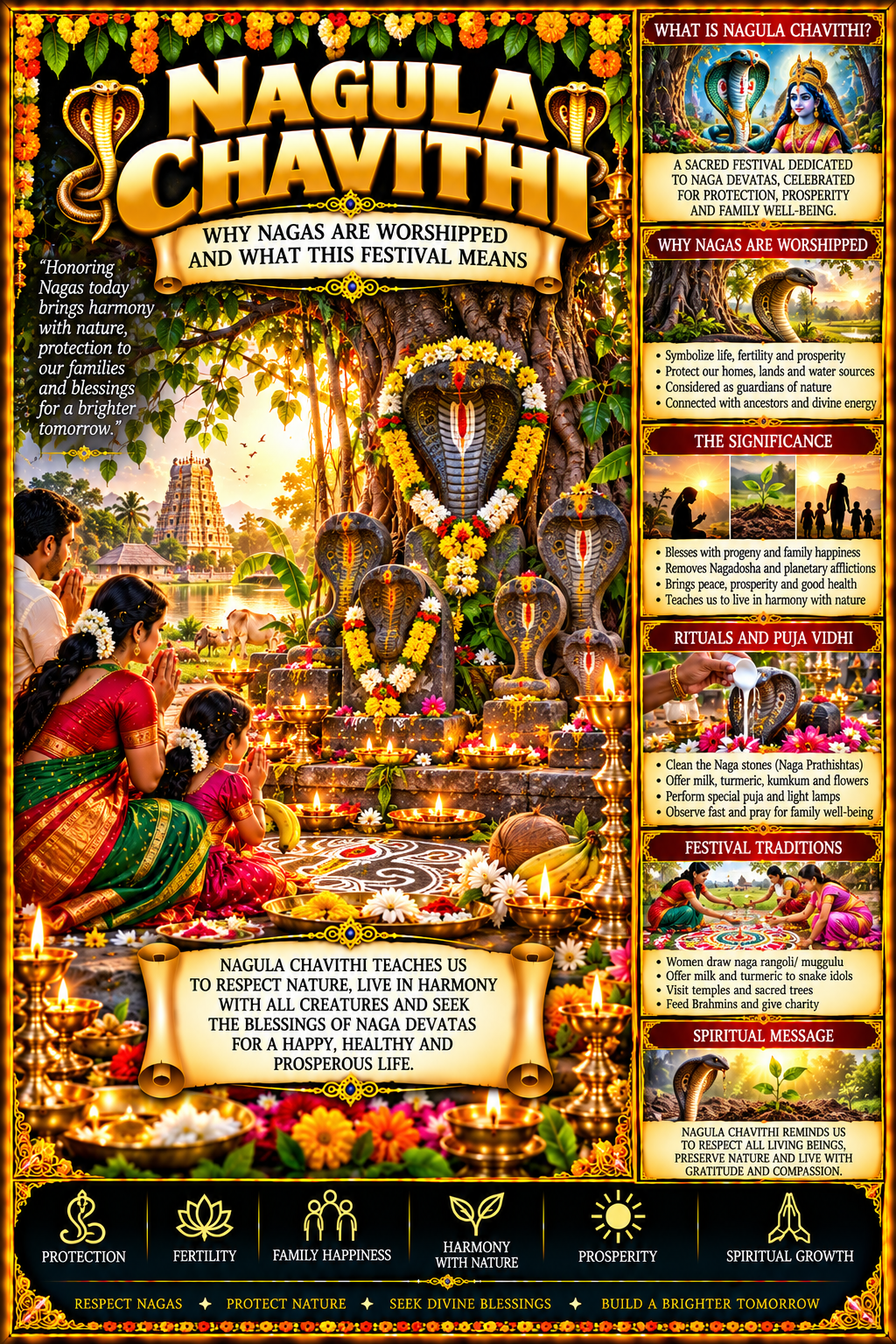
 Nagula Chavithi: Why Nagas Are Worshipped and What This Festival Means
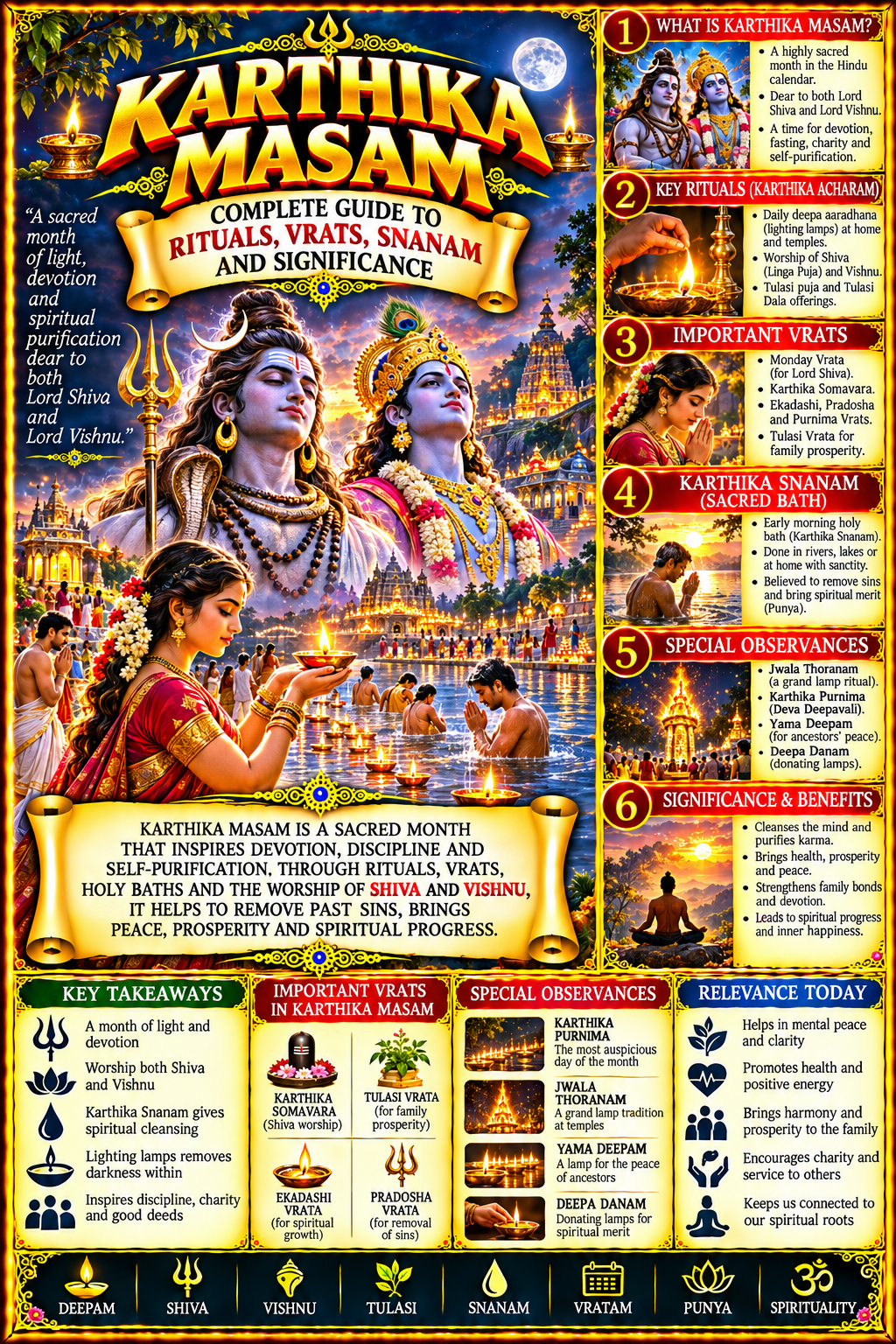 Karthika Masam: Complete Guide to Rituals, Vrats, Snanam and Significance
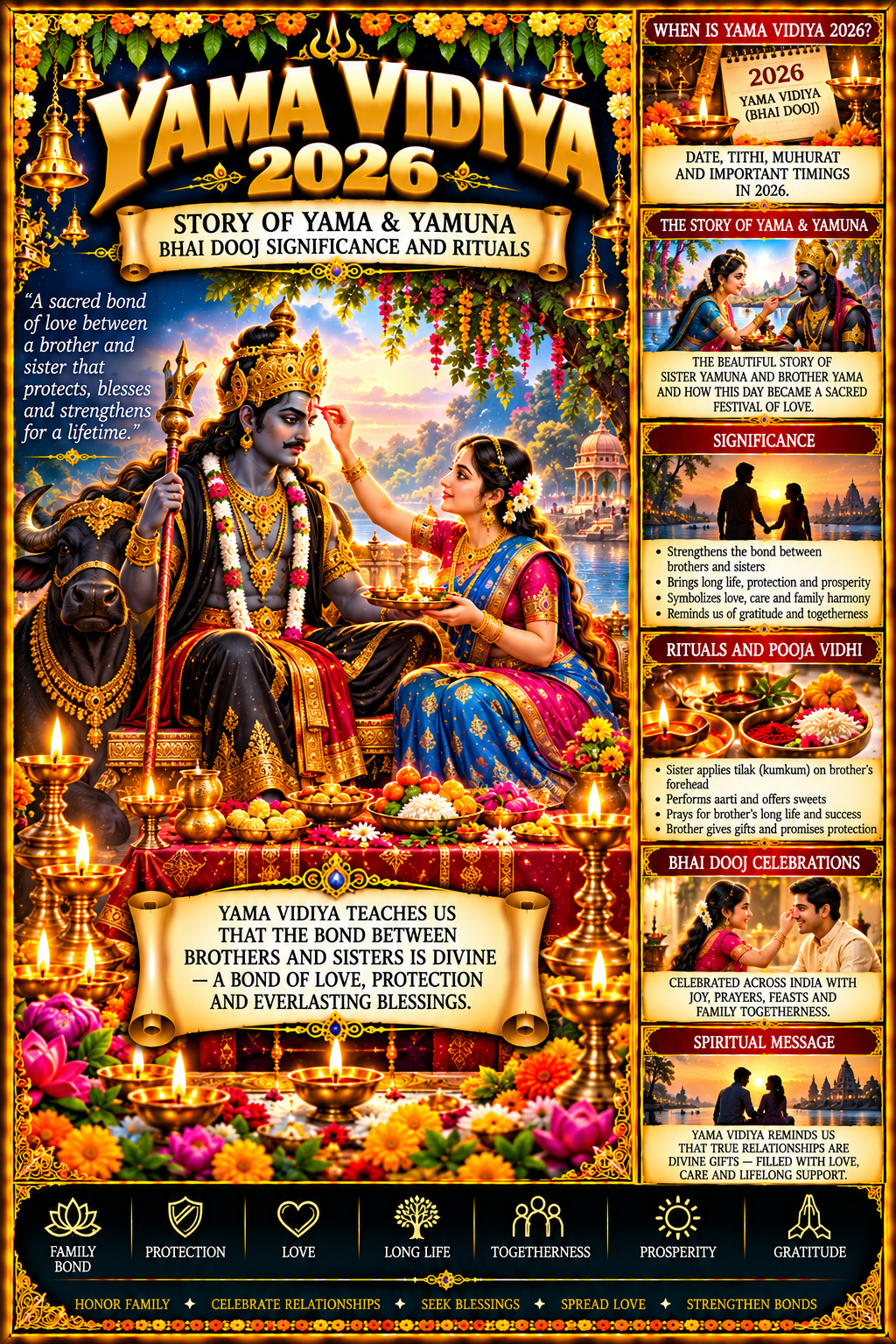 Yama Vidiya 2026: Story of Yama & Yamuna | Bhai Dooj Significance and Rituals
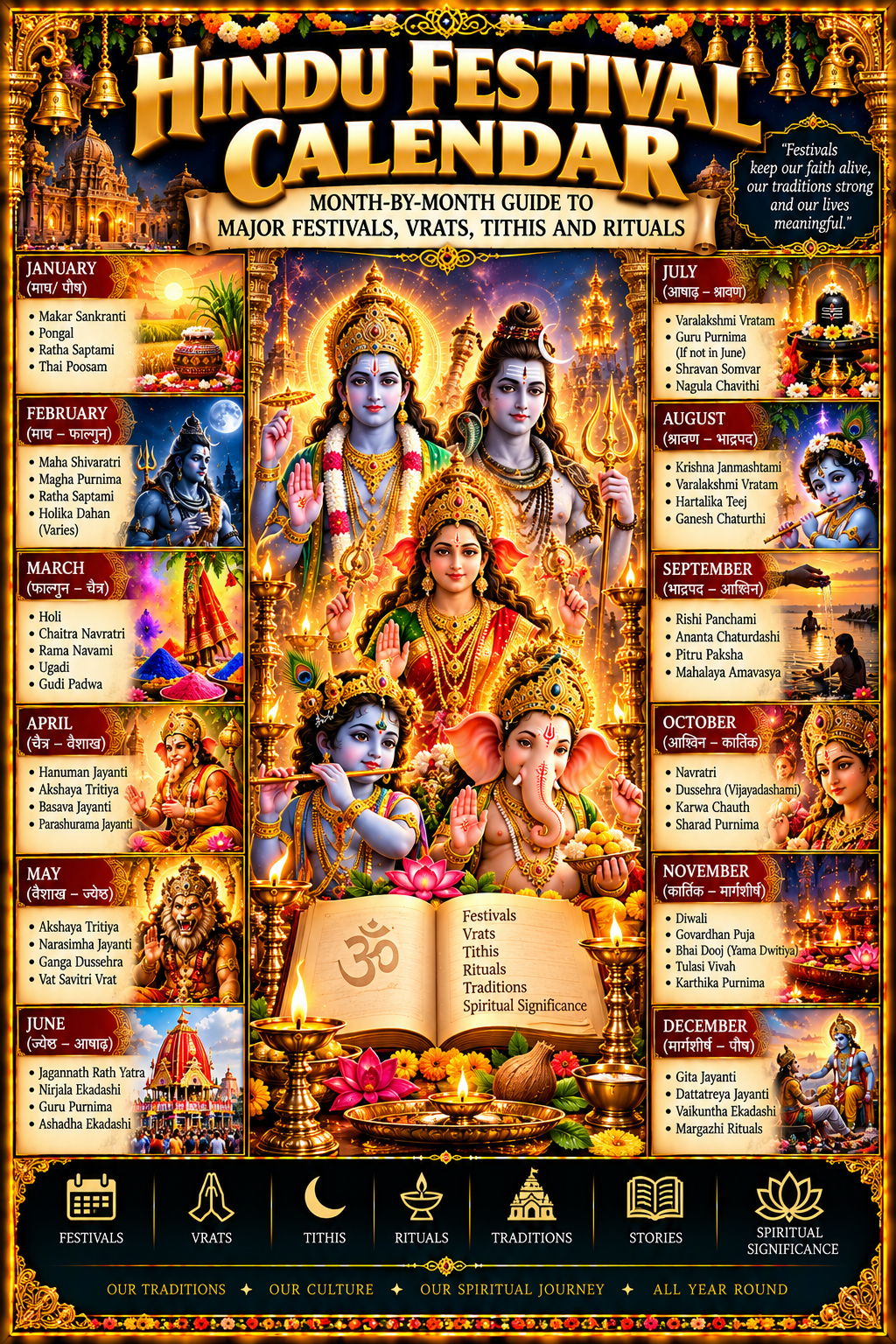
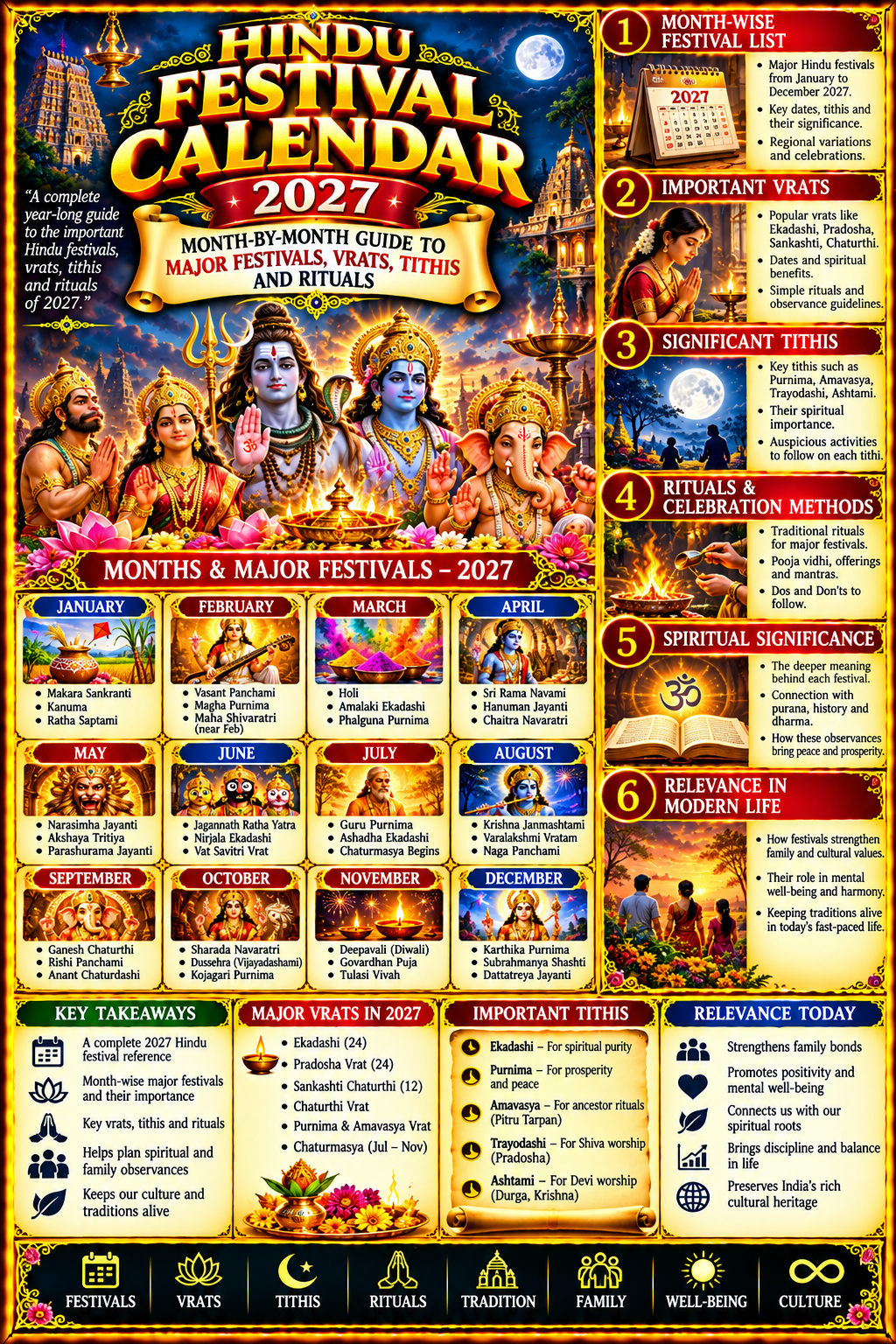 Hindu Festival Calendar: Month-by-Month Guide to Major Festivals, Vrats, Tithis and Rituals 2027
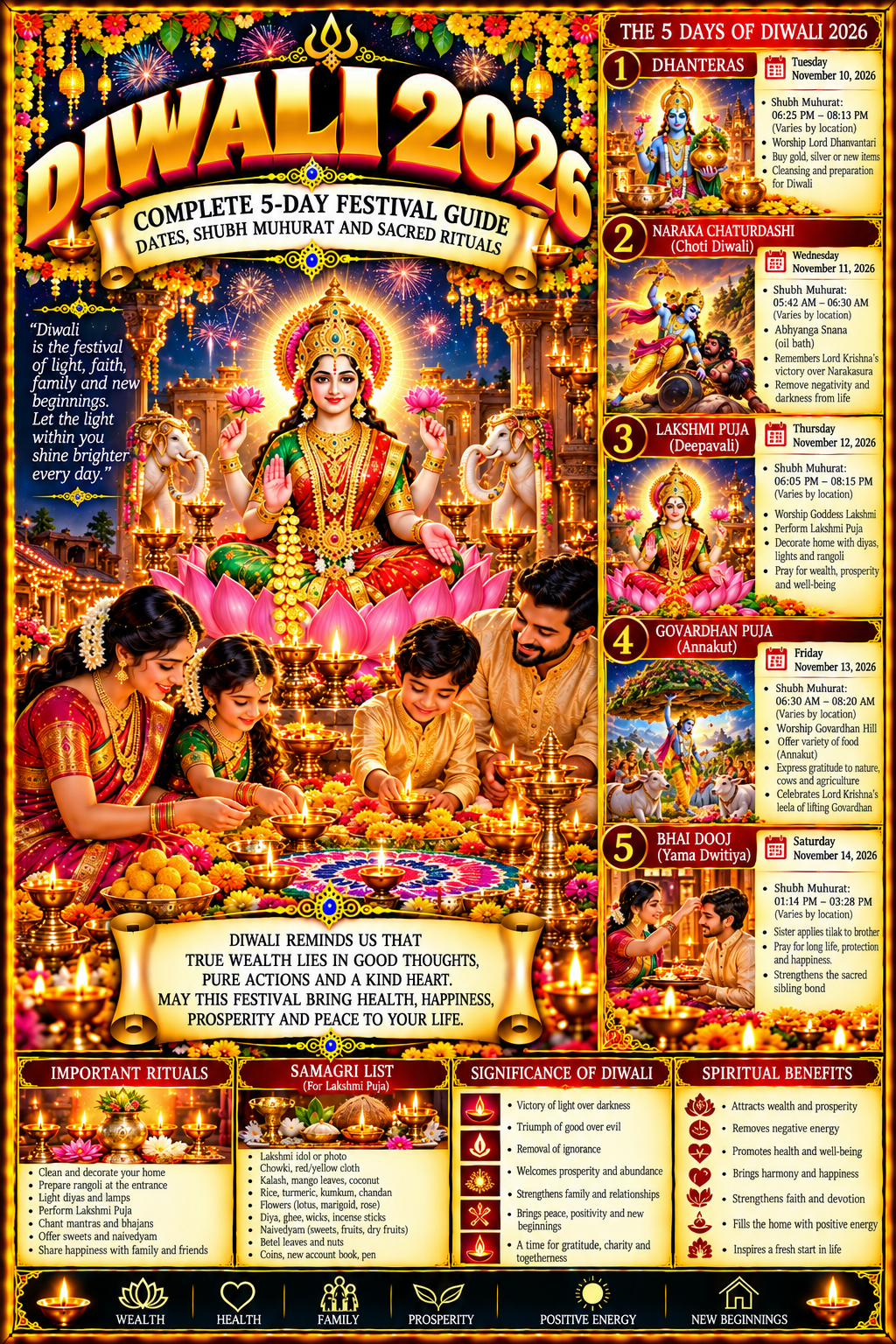 Diwali 2026: Complete 5-Day Festival Guide, Dates, Shubh Muhurat and Sacred Rituals
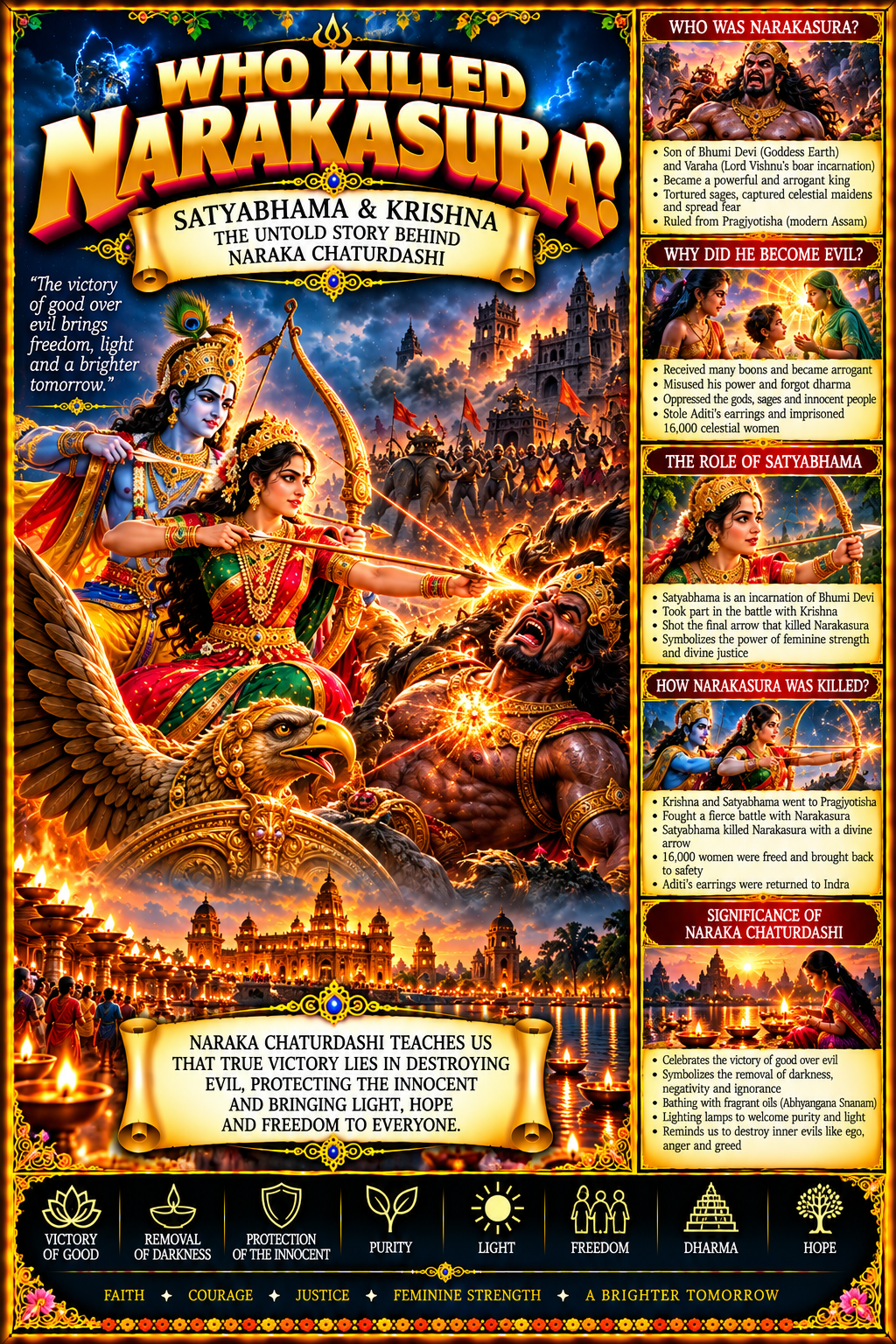 Who Killed Narakasura? Satyabhama & Krishna | The Untold Story Behind Naraka Chaturdashi
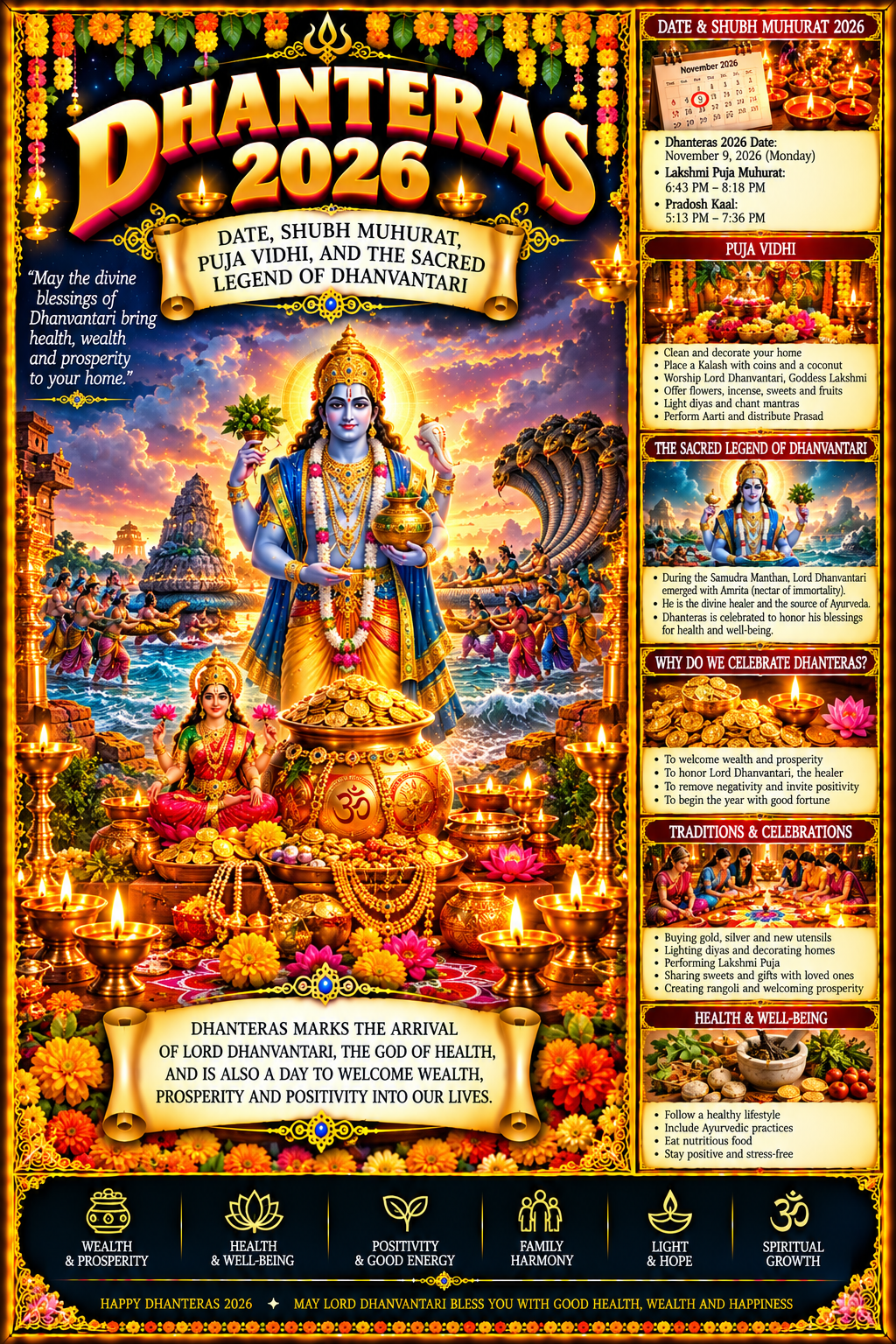 Dhanteras 2026: Date, Shubh Muhurat, Puja Vidhi, and the Sacred Legend of Dhanvantari
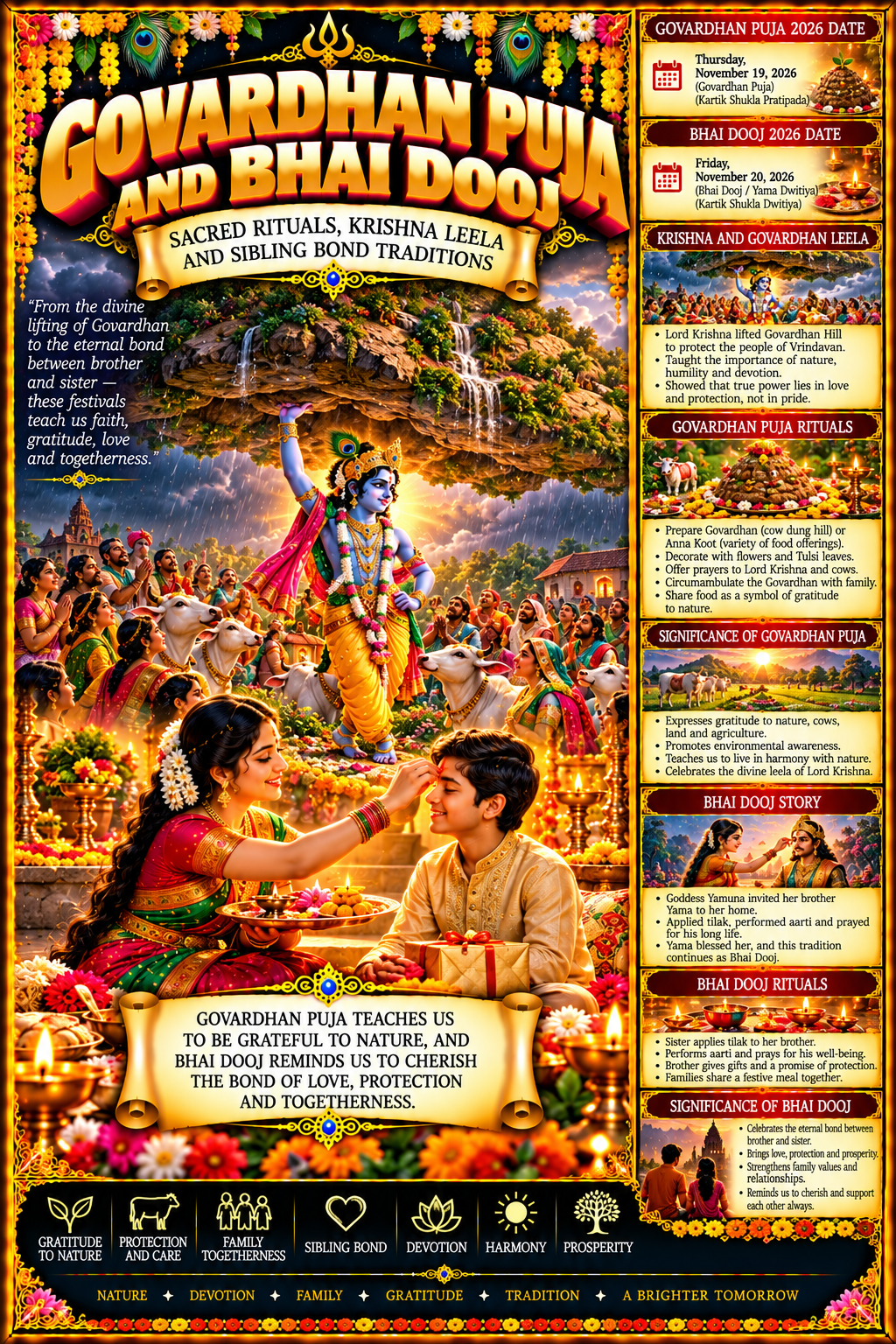 Govardhan Puja and Bhai Dooj: Sacred Rituals, Krishna Leela and Sibling Bond Traditions
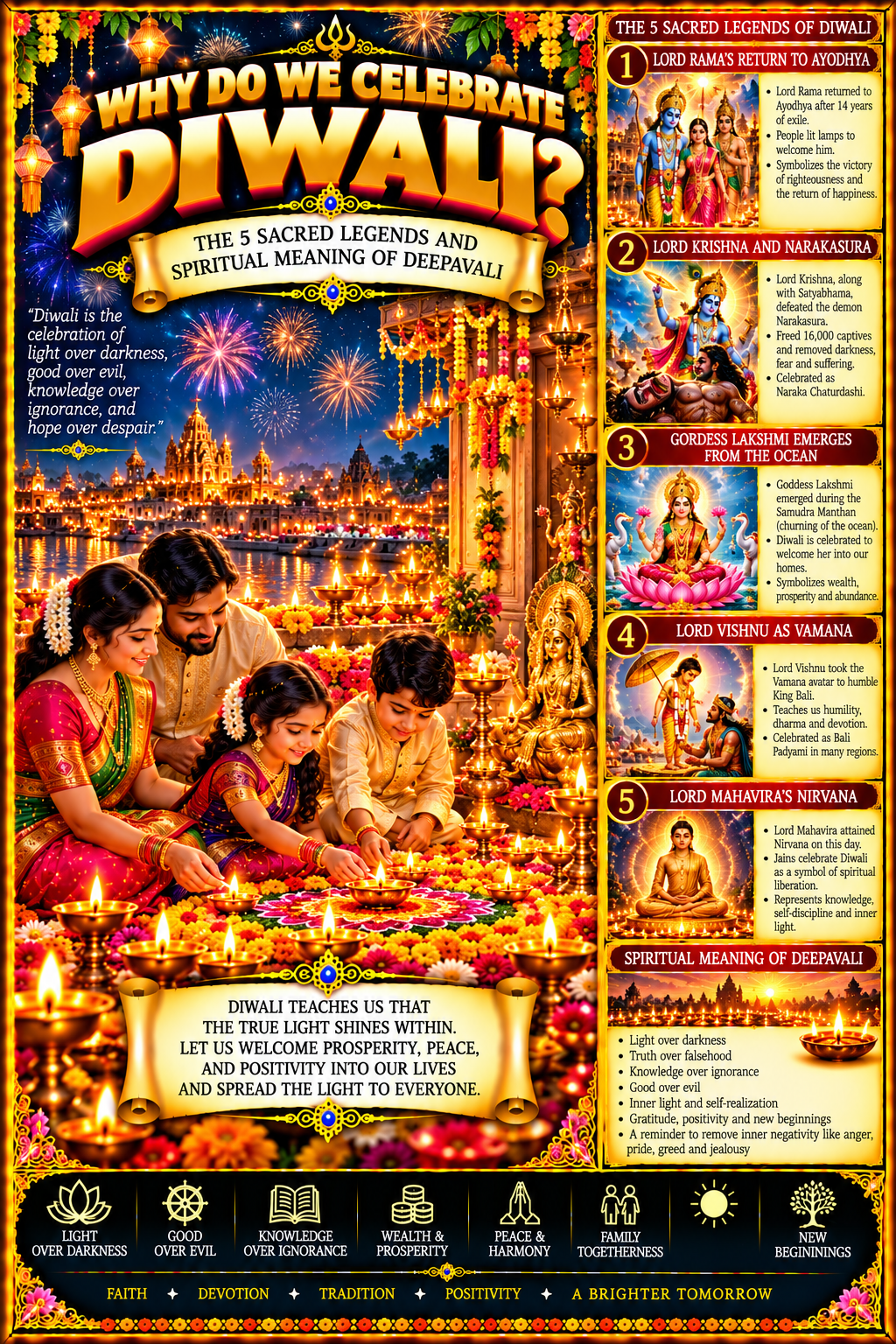 Why Do We Celebrate Diwali: The 5 Sacred Legends and Spiritual Meaning of Deepavali
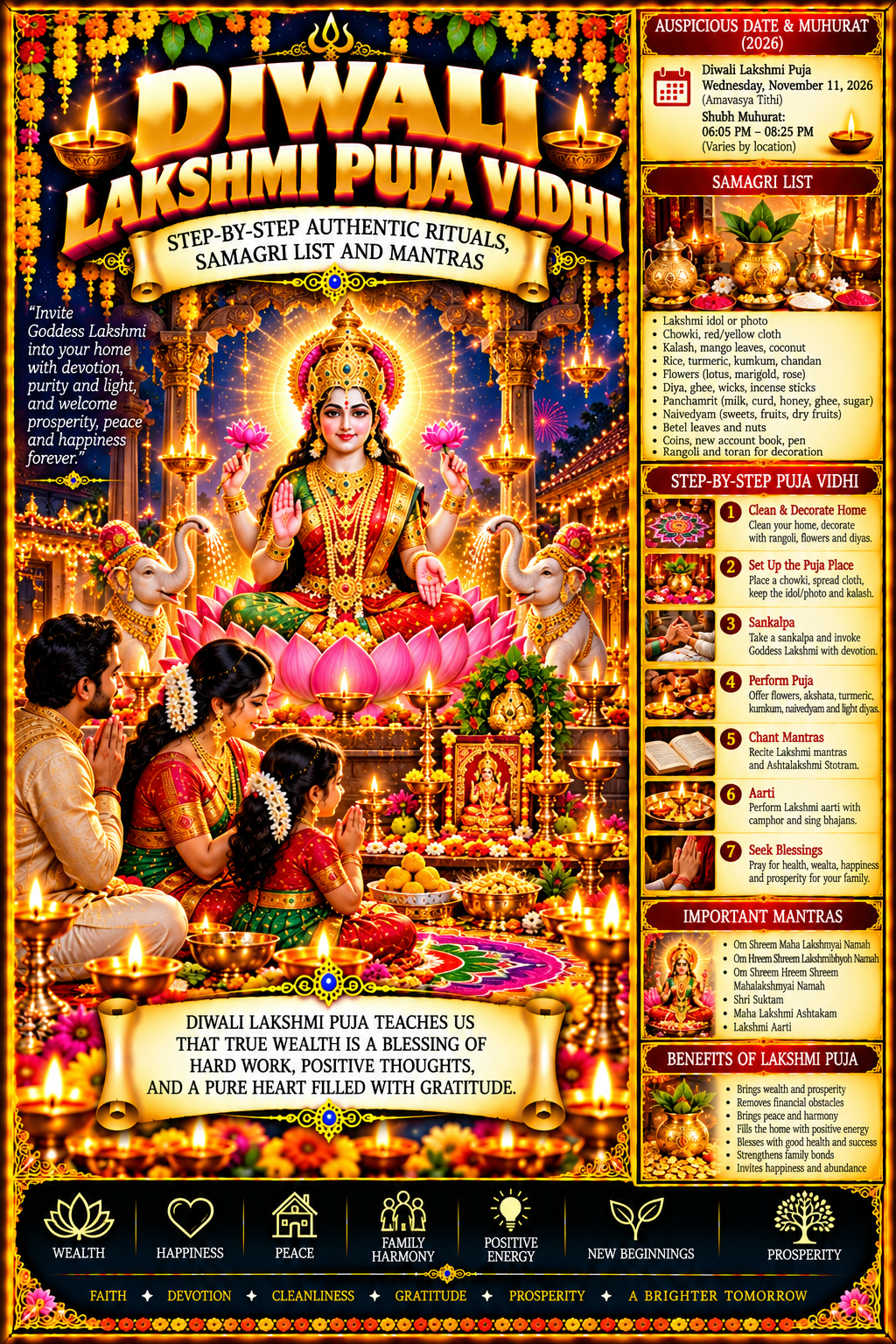 Diwali Lakshmi Puja Vidhi: Step-by-Step Authentic Rituals, Samagri List and Mantras
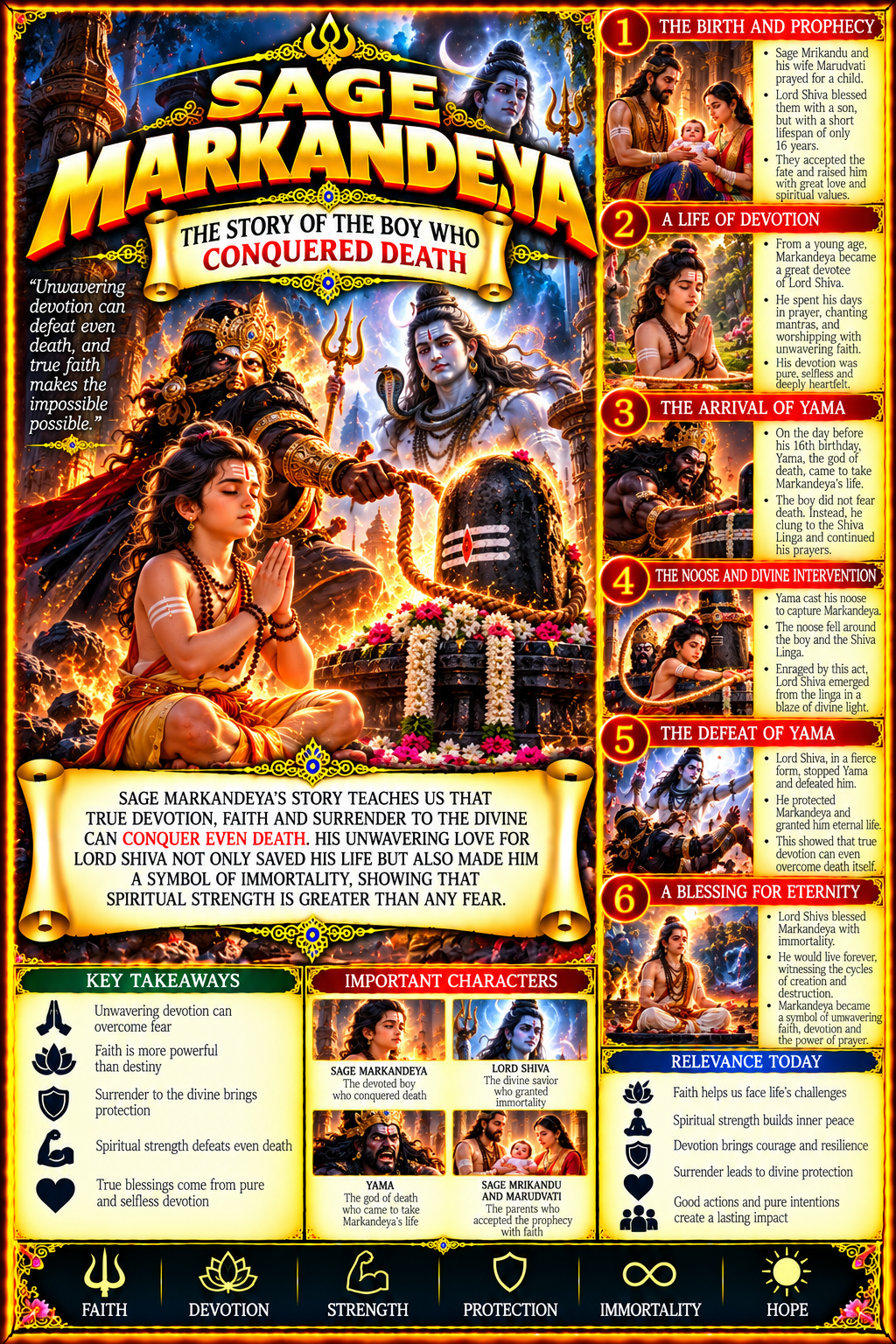
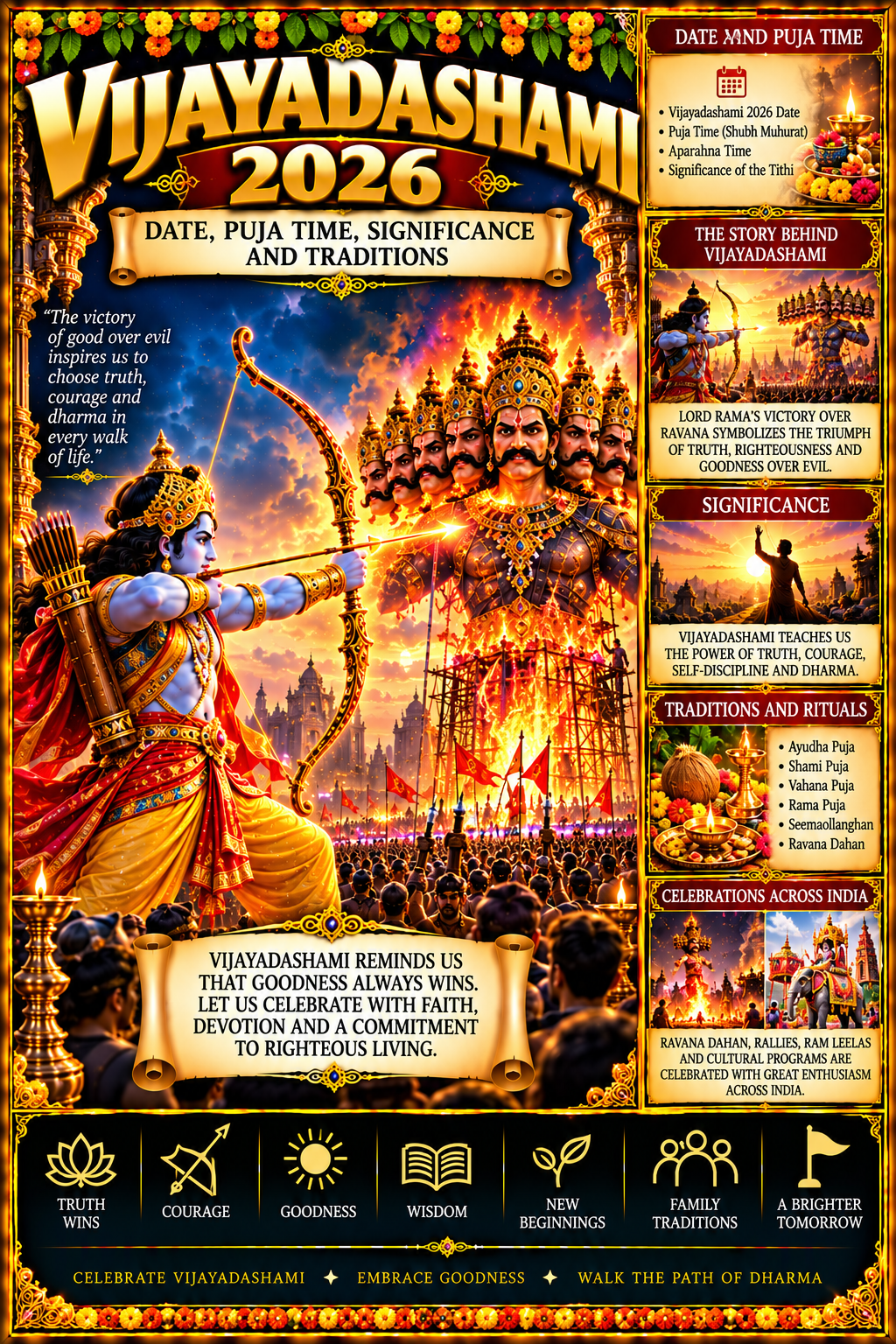








Raja Ratnam
- Festivals , Navratri [ Day 1 To Day 9 }
- September 23, 2025
- 456 views
Maa Brahmacharini (Navratri Day 2): Penance Story, Puja Vidhi, Color & Mantras
Introduction Walking barefoot through mountain snows with a prayer rosary in her right hand and a sacred water pot in her left, Maa Brahmacharini graces the second day of Navratri. Her name celebrates pure spiritual dedication (Tapas). Spending centuries in quiet forest meditation to win the heart of Lord Shiva, she teaches children and seekers the value of patience, focus, and quiet perseverance. The word Brahmacharini is a combination of Brahma (supreme knowledge or tapas) and Charini (one who practices). Thus, she is the goddess who practiced deep penance to please Lord Shiva. Worshipping her brings courage, self-control, and prosperity. Who is Maa Brahmacharini (Navratri Day 2 )? According to Hindu scriptures, Maa Brahmacharini is the unmarried form of Goddess Parvati. After her rebirth as the daughter of Himavan, she performed severe penance for thousands of years to win Lord Shiva as her husband. She accepted an ascetic lifestyle, living on fruits, flowers, and later surviving only on air and water. Her dedication and penance earned her the name Brahmacharini, the goddess who embodies devotion and austerity. Iconography of Maa Brahmacharini (Navratri Day 2 ) Maa Brahmacharini (Navratri Day 2 )Puja Vidhi (Step-by-Step) Morning Rituals Kalash and Idol Installation Invocation…

- Festivals , Navratri [ Day 1 To Day 9 }
- September 20, 2025
- 1908 views
Maa Shailaputri (Navratri Day 1): Story, Puja Vidhi, Favorite Color, Bhog & Mantra
Introduction As the daughter of the mighty Himalayas (Himavat), Maa Shailaputri marks the joyous first day of Navratri. Crowned with a crescent moon and riding the sacred bull Nandi with a trident in hand, she represents the deep, unshakable foundation of the earth itself, blessing every household with stability, fresh beginnings, and courage as the festive season begins. Her name explains that – Shaila means “mountain,” and Putri means “daughter.” She is for purity, strength, and staying grounded. Praying to this goddess on the first day is considered very important because she sets the spiritual tone for the rest of the days. Who is Maa Shailaputri (Day 1 of Navratri)? Maa Shailaputri (Day 1 of Navratri) :Maa Shailputri is the first manifestation of Goddess Durga. According to Hindu scriptures, she is the rebirth of Goddess Sati, who immolated herself during Daksha’s yajna (sacrifice). In her new life, she was born as the daughter of King Himavan, the lord of the Himalayas, and thus came to be called “Shailputri.” She is also identified with Goddess Parvati, who later marries Lord Shiva. As a result, Maa Shailputri represents divine motherhood, endurance, and strength. Iconography of Maa Shailaputri (Day 1 of Navratri) Maa…

- Lord Ganesha
- September 6, 2025
- 580 views
Gajanana Avatar of Ganesha: Legend, Destruction of Lobhasura (Greed) & Lessons
With large fan-like ears tuned to the quietest prayers and an elephant head symbolizing boundless intellect, the Gajanana avatar of Lord Ganesha is celebrated across Indian homes as the bringer of wisdom. In ancient legends, this beloved form manifested to overcome Lobhasura – the demon of greed – reminding us that true wealth lies not in hoarding possessions, but in sharing generously and nurturing a peaceful heart. The name Gajanana comes from two Sanskrit words: Gaja (elephant) and Anana (face), meaning “the one with the elephant face.” This avatar is deeply symbolic, representing wisdom, strength, and the ability to overcome life’s greatest challenges with intelligence and patience. The Story of Gajanana During the cosmic struggle with Lobhasura, the Gajanana avatar appeared, according to the Mudgala Purana. Lobhasura was born out of greed (lobha) and spread his influence across the worlds by making humans and even gods crave material possessions beyond measure. His reign brought disharmony and suffering, as even noble beings became obsessed with wealth and desire. The gods turned to Lord Ganesha for help. Taking on the Gajanana form, with his mighty elephant face radiating divine brilliance, he confronted Lobhasura. But instead of destroying him outright, Gajanana used wisdom…

- Lord Ganesha
- August 31, 2025
- 529 views
Mahodara Avatar of Ganesha: Story, Conquest of Moha (Delusion) & Significance
Known as Mahodara – the big-bellied lord who holds the entire universe within himself – this divine form of Lord Ganesha rode a mouse into battle to conquer Mohasura, the demon of delusion and stubborn infatuation. Mahodara teaches that when confusion clouds our judgment, wisdom and calm contemplation help us see life clearly. The word Mahodara combines Maha (great) and Udara (belly), meaning “the one with the great belly.” Far from being a symbol of gluttony, the big belly carries profound spiritual meaning – it represents the entire universe and the ability to absorb both good and bad energies without disturbance. Mahodara Avatar of Ganesha: The Story of Mahodara Avatar The Mudgala Purana, a sacred text dedicated to Lord Ganesha, narrates the story of Mahodara. Once, a powerful asura (demon) named Mochaka began terrorizing the three worlds. He was extremely cunning and thrived on feeding people’s greed, anger, and endless desires. The gods were troubled by his influence, as humans were drifting away from dharma (righteousness). The devas prayed to Lord Ganesha for help. Responding to their call, Ganesha appeared in his Mahodara form – a mighty figure with an enormous belly, radiant like a thousand suns, and unmatched wisdom.…

- Lord Ganesha
- August 25, 2025
- 543 views
Khairatabad Ganesh (Hyderabad): History, Grand Idol Height, Themes & Darshan Guide
Introduction to Khairatabad Ganesh 2025 Rising high above the bustling streets of Hyderabad, the Khairatabad Ganesh idol is an iconic festival landmark that has drawn millions of families for decades. Sculpted from natural clay and organic paints, the towering eco-friendly idol combines ancient craftsmanship with environmental care, serving as a beacon of unity, artistry, and community devotion during Ganesh Chaturthi. There are millions of devotees and visitors at this Ganesh pandal every year, making it one of the most popular pandals in the country. Known for its gigantic idols, intricate themes, and spiritual aura, Khairatabad Ganesh continues to set benchmarks in devotion and artistry. Khairatabad Ganesh 2025:The Significance of Khairatabad Ganesh Pandal The Khairatabad Ganesh pandal has been a part of Hyderabad’s festive legacy since 1954, founded by Shree Shankaraiya. What started as a small 12-foot idol has now grown into one of the largest Ganesh idols in the world. Each year, the idol is sculpted with a new theme that draws inspiration from Hindu mythology, scriptures, and divine symbolism. The 2025 theme, Sri Vishwashanthi Maha Shakthi Ganapathy, symbolizes global peace, universal strength, and spiritual unity. The idol will depict Lord Ganesha in a powerful yet serene form, radiating an…

- Lord Ganesha , Mythology
- August 19, 2025
- 574 views
Ekadanta Avatar: Why Ganesha Has a Single Tusk, Legend of Parashurama & Meaning
Introduction to Ekadanta – The Sacred Form of Lord Ganesha When Sage Veda Vyasa set out to compose the monumental epic Mahabharata, he needed a scribe whose hand would never pause. Lord Ganesha accepted the challenge, but when his quill suddenly snapped during the dictation, he did not hesitate: breaking off his own sacred ivory tusk, he used it to continue writing without missing a single word. Known as Ekadanta – the one with a single tusk – Ganesha showed that no personal sacrifice is too great when committed to learning and wisdom. The Spiritual Meaning of Ekadanta In Hindu tradition, Lord Ganesha is revered as the remover of obstacles, the patron of beginnings, and the embodiment of wisdom. Among his many divine manifestations, Ekadanta holds a cherished place, symbolizing focus, patience, and the courage to give up something precious for the greater good of humanity. The Literal Meaning of “Ekadanta”The name Ekadanta comes from two Sanskrit words: Eka – meaning one Danta – meaning tusk or tooth Together, they form “One Tusked,” a direct reference to Lord Ganesha’s unique appearance. Sanskrit Roots and Etymology When Sage Veda Vyasa set out to compose the monumental epic Mahabharata, he needed a…

- Lord Ganesha , Mythology
- August 10, 2025
- 478 views
Vakratunda Avatar of Ganesha: Story, Demon Matsarya & Symbol of Overcoming Obstacles
With his gracefully curved trunk navigating life’s unexpected twists and turns, Vakratunda Ganapathi is the beloved guardian of new beginnings. In ancient Puranic lore, he manifested to conquer Matsarasura, the demon of jealousy and rivalry. His curved trunk reminds us that even when life’s path takes surprising bends, patience, kindness, and steady perseverance will guide us through every obstacle. In this form, Ganesha holds an ankusha to guide us in the right direction and a pasha (noose) to pull away negativity. His calm, peaceful expression shows pure strength and inner balance. Praying to Vakratunda Ganapathi is believed to clear big hurdles from our path and fill us with courage, focus, and determination to succeed in whatever we aim for. For official cultural and historical archives, visit the Ministry of Culture, Government of India. Related Sacred Topics & Cultural Heritage: For further spiritual exploration, read about Lord Rama’s ideal life story. For further spiritual exploration, read about the 14-year exile of Lord Rama. For further spiritual exploration, read about Ravana’s story in the Ramayana. Origin and Significance of Vakratunda Ganapathi The origins of Vakratunda Ganapathi are deeply rooted in Ganapati Atharvashirsha and ancient Puranic stories. According to legend, this form appeared…

- Mythology , Ramayanam
- August 5, 2025
- 732 views
Hanuman in Ramayana: Life Story, Immense Powers, Sundara Kanda & Lanka Dahan
Standing on the edge of the southern shore looking out across the vast ocean, the monkey-prince Hanuman had forgotten his own colossal powers until wise elders reminded him of who he was. Leaping into the sky with a roar that shook the clouds, he crossed the sea to bring hope to Goddess Sita in the gardens of Lanka. Beloved by children and elders alike as Bajrangbali and Pavanputra, Hanuman is the ultimate embodiment of humble strength, selfless courage, and unshakeable devotion. Hanuman: The Ramayana – In this comprehensive article, we explore Hanuman’s origins, key exploits, symbolism, and spiritual significance, uncovering why he remains a timeless symbol of devotion and heroism. Hanuman: The Ramayana in Modern Devotion The Hindu deity Hanuman is one of the most widely venerated in modern Hinduism. It is considered auspicious to perform special prayers and recite the Hanuman Chalisa on Tuesdays and Saturdays. Beyond religious rituals, Hanuman also inspires popular culture, from temple festivals to television adaptations of the Ramayana. His image carrying the mountain with Sanjeevani herb or leaping across the ocean continues to symbolize perseverance, service, and unwavering faith. Hanuman: The Ramayana Lessons from the Life Hanuman’s life imparts timeless lessons that resonate beyond…

- Lord Ganesha , Mythology
- July 31, 2025
- 735 views
Lord Ganesha: Birth Story, Symbolism, 108 Names, Powers & Spiritual Significance
With a gentle smile, twinkling eyes, and a sweet modak resting in his hand, Lord Ganesha is the most dearly loved deity across Indian homes. Before starting a journey, taking an exam, or entering a new home, families first bow to Ganapati. With his large elephant head symbolizing expansive wisdom and his tiny mouse vehicle reminding us that humility accompanies true greatness, Ganesha welcomes every beginner with blessings of joy and good fortune. From bustling Indian temples to quiet home shrines, from art galleries to school books, Ganesha’s presence is felt deeply in Hindu culture and beyond. But what makes him so special? Let’s explore the origins, symbolism, stories, and significance of this iconic deity. For official cultural and historical archives, visit the Incredible India Official Tourism Authority. Related Sacred Topics & Cultural Heritage: For further spiritual exploration, read about Lord Rama’s ideal life story. For further spiritual exploration, read about the 14-year exile of Lord Rama. For further spiritual exploration, read about Ravana’s story in the Ramayana. For further spiritual exploration, read about the Vijayadashami and Dasara festival. The Divine Birth of About lord Ganesh According to popular Hindu mythology, Lord Ganesha was created by Goddess Parvati, the consort…

- Festivals
- July 24, 2025
- 601 views
Varalakshmi Vratam: Complete Puja Vidhanam, Samagri List, Vrat Katha & Rules
Date: Friday, August 8, 2025Occasion: Friday before Shravan PurnimaFestival Significance: A sacred day to worship Goddess Varalakshmi – the bestower of wealth, health, and prosperity. What is Varalakshmi Vratam? On the Friday preceding the full moon in the month of Shravana, homes are filled with the sweet fragrance of lotus flowers, sandalwood, and fresh turmeric. Women and families rise at dawn to welcome Goddess Varalakshmi – the giver of boons and abundance – into their homes. Adorning the sacred kalasham like a radiant bride, this festival celebrates family unity, maternal prayers, and the enduring grace of peace and contentment. The Ashta Lakshmis are considered divine forms of Lakshmi, and this vrat invokes their blessings. Dhana (Wealth) Dhanya (Grain & Food) Veera (Courage) Vijaya (Victory) Santana (Progeny) Gaja (Strength) Arogya (Health) Vidya (Knowledge) Goddess Lakshmi is more interested in sincerity, discipline, and devotion than she is in her grandeur. May Varalakshmi Devi bless your home with everlasting joy, health, and prosperity.