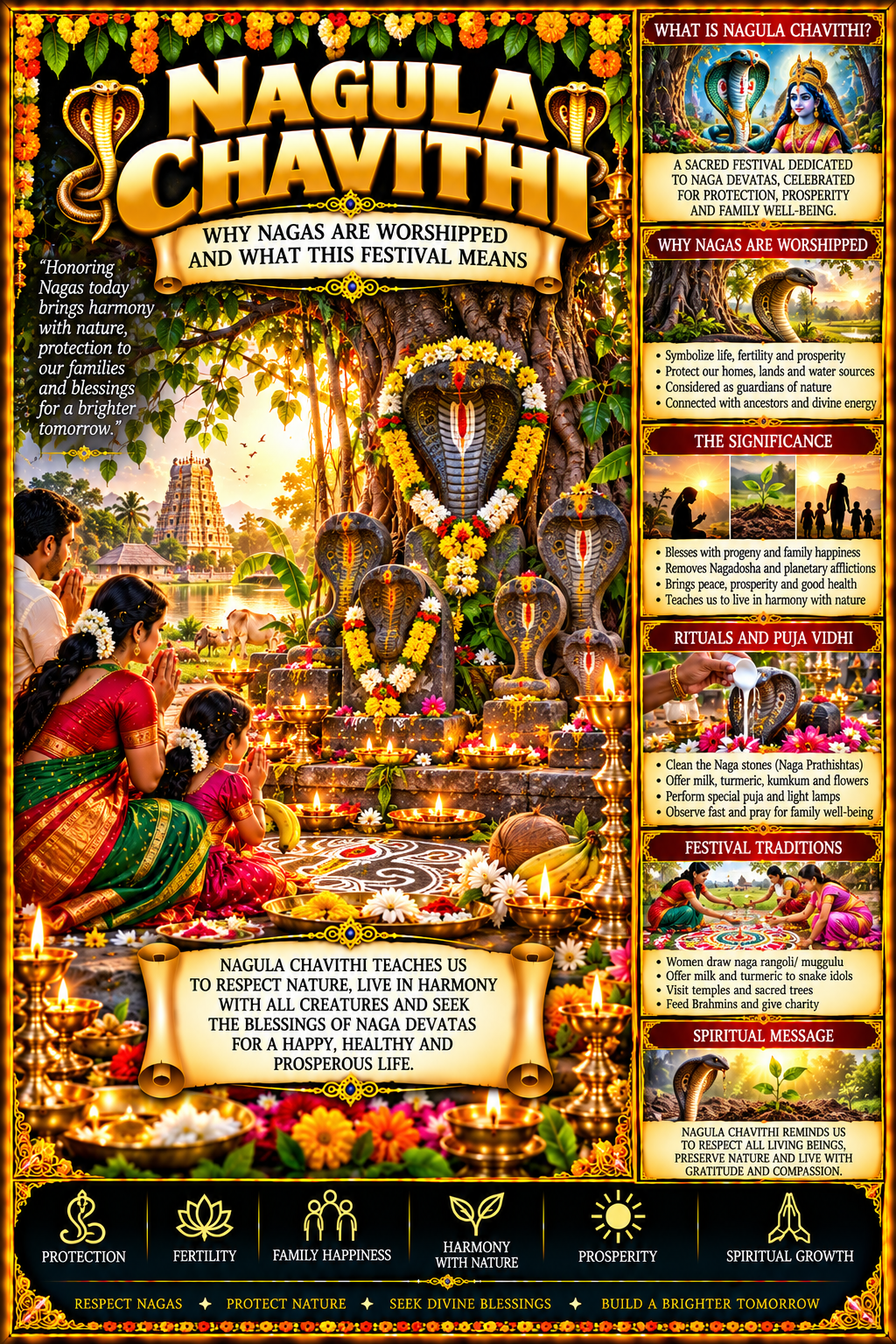
 Nagula Chavithi: Why Nagas Are Worshipped and What This Festival Means
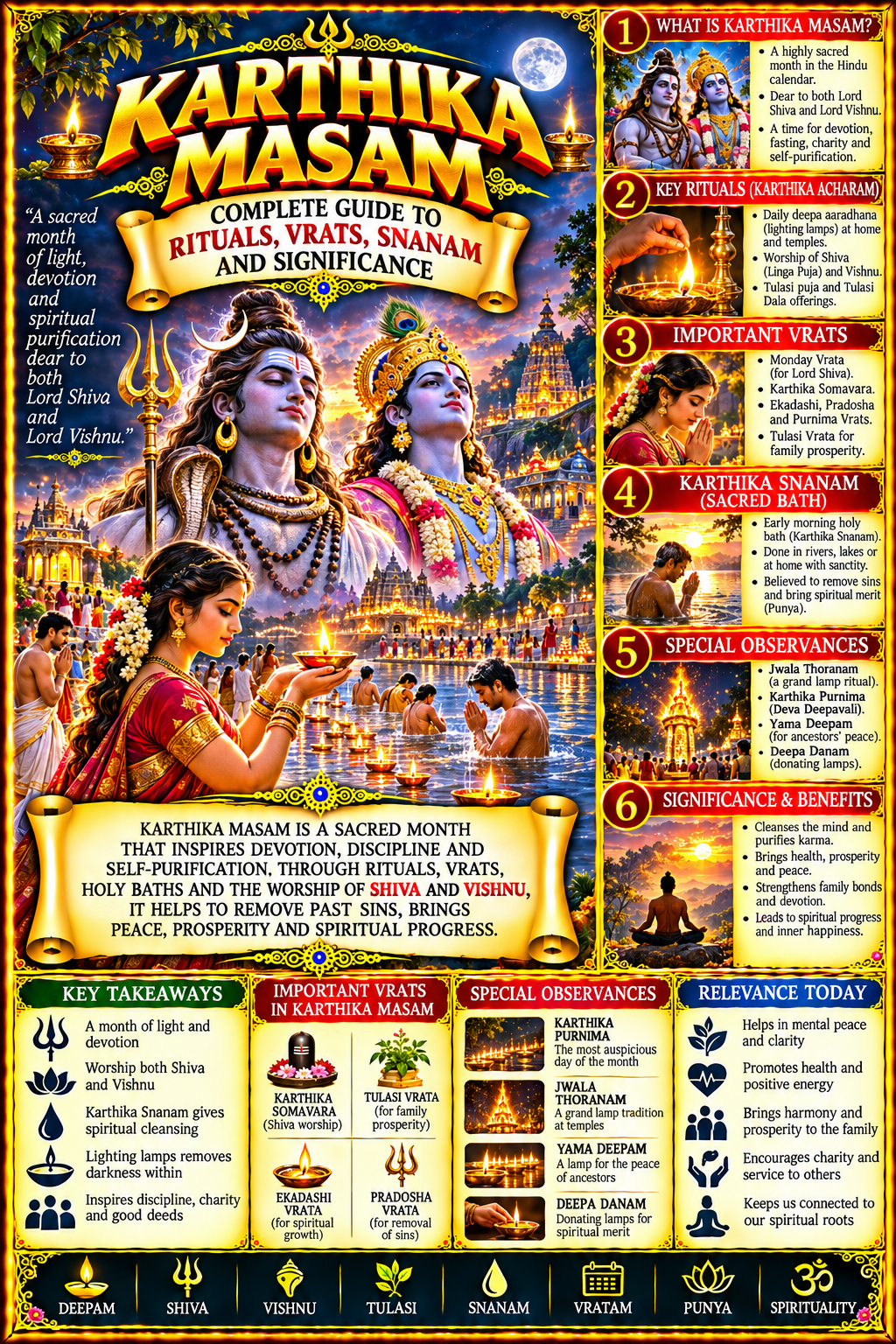 Karthika Masam: Complete Guide to Rituals, Vrats, Snanam and Significance
 Yama Vidiya 2026: Story of Yama & Yamuna | Bhai Dooj Significance and Rituals
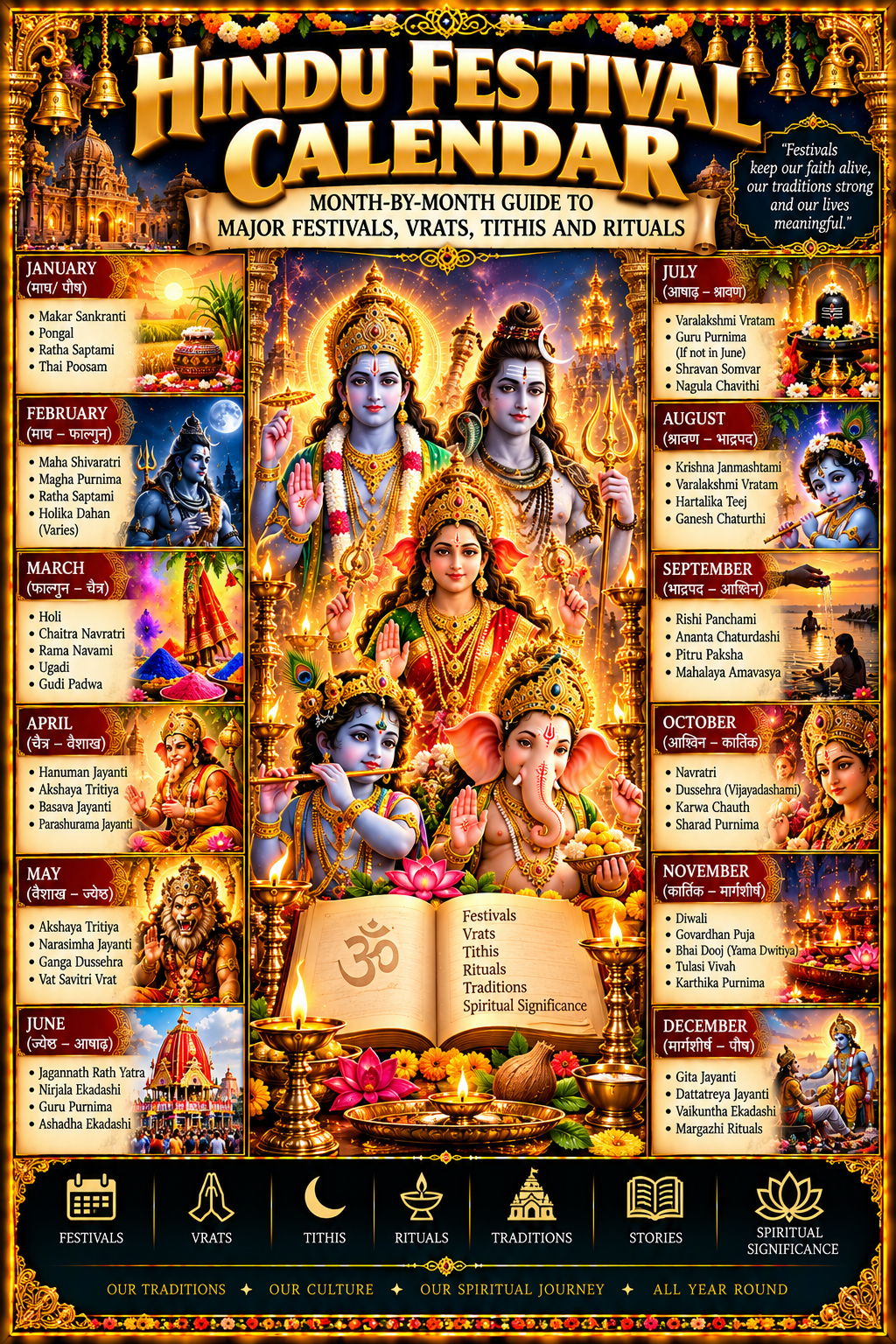
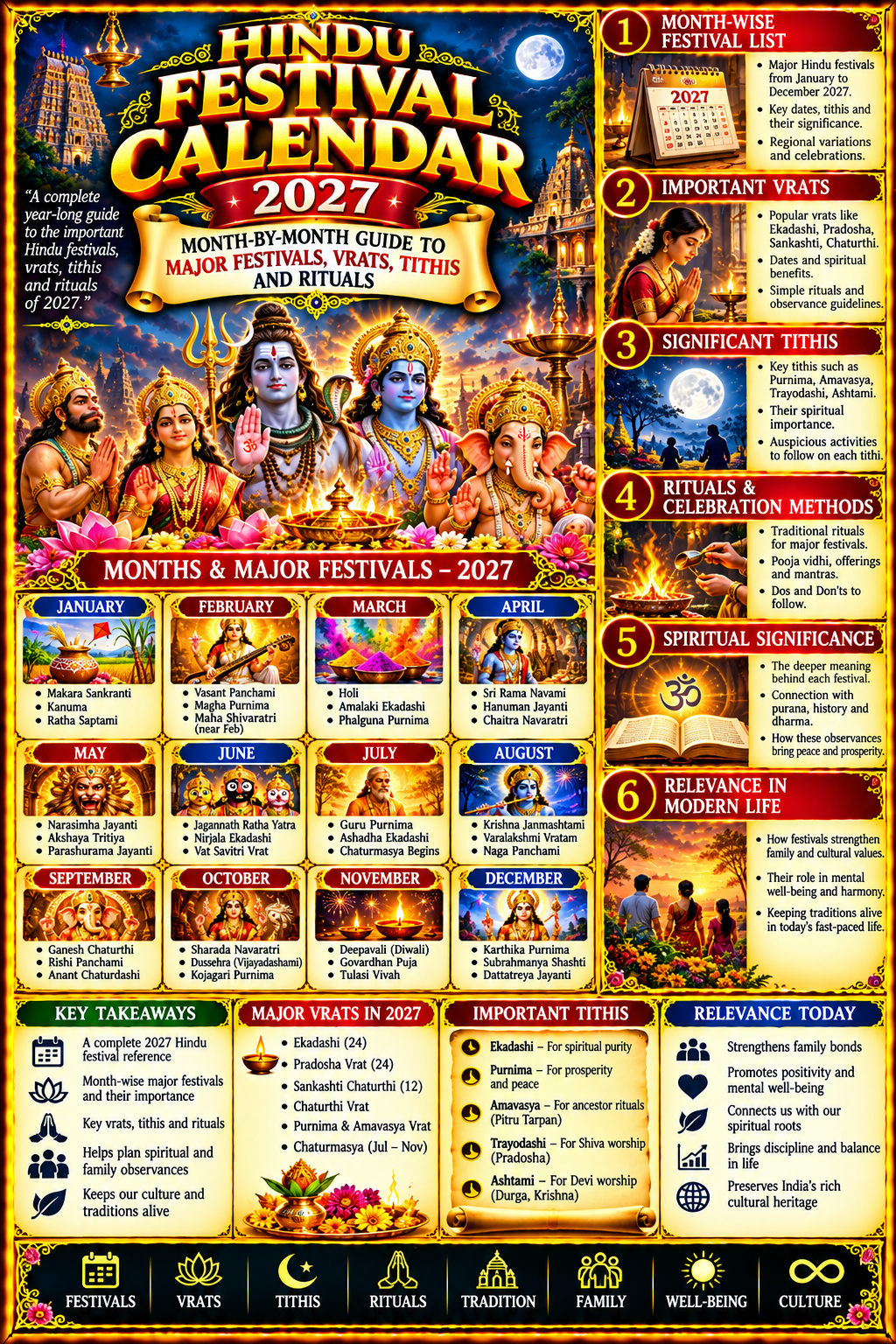 Hindu Festival Calendar: Month-by-Month Guide to Major Festivals, Vrats, Tithis and Rituals 2027
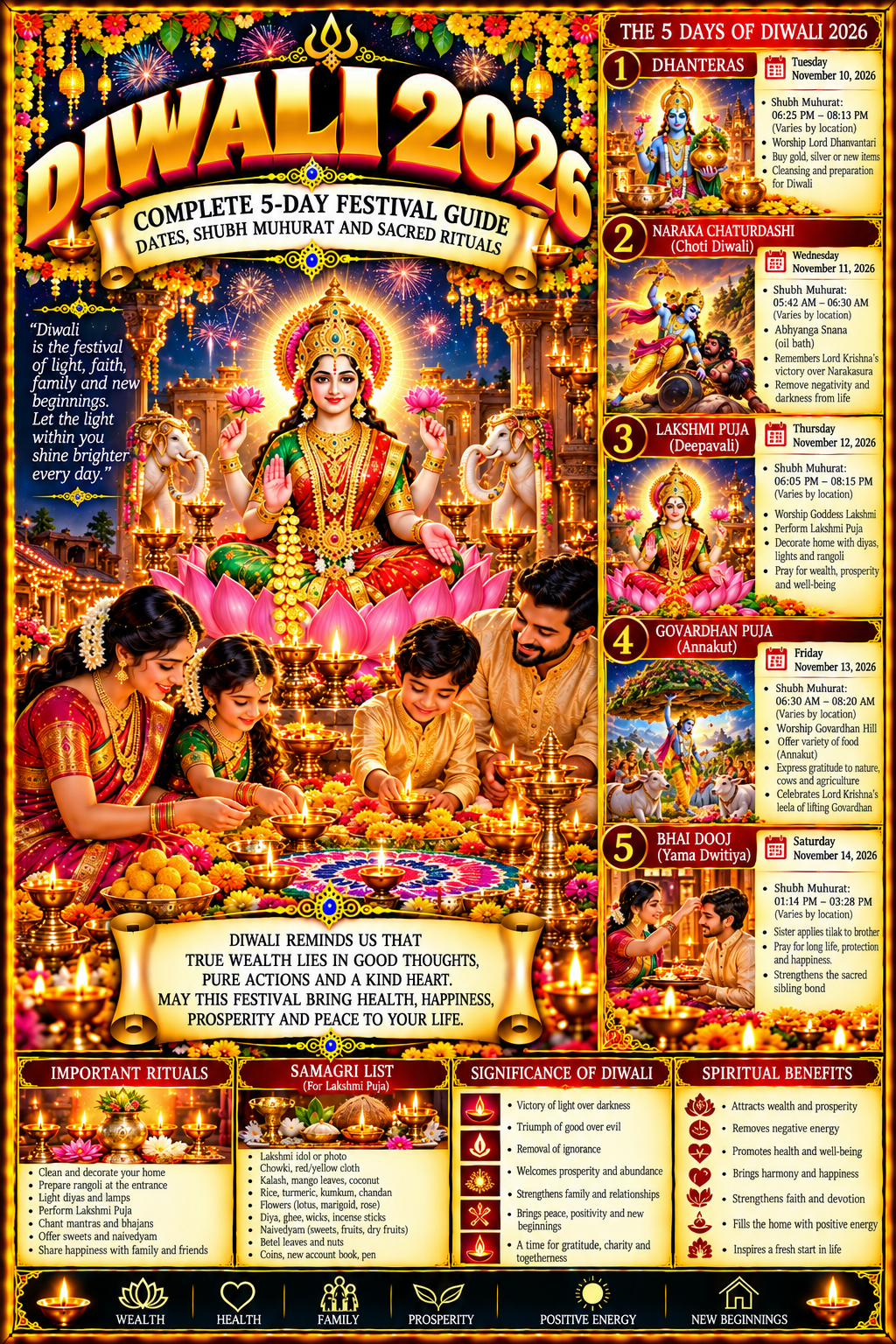 Diwali 2026: Complete 5-Day Festival Guide, Dates, Shubh Muhurat and Sacred Rituals
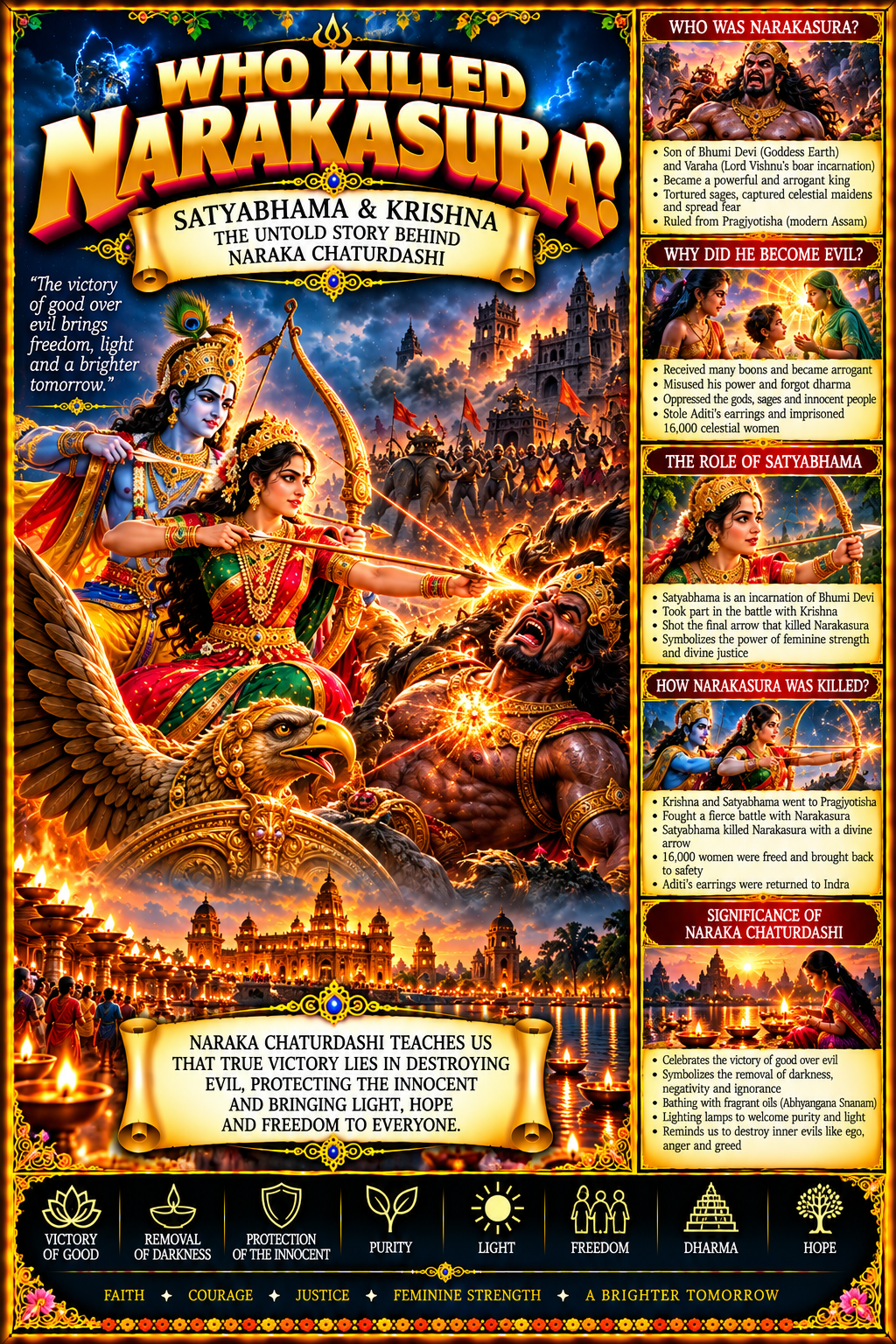 Who Killed Narakasura? Satyabhama & Krishna | The Untold Story Behind Naraka Chaturdashi
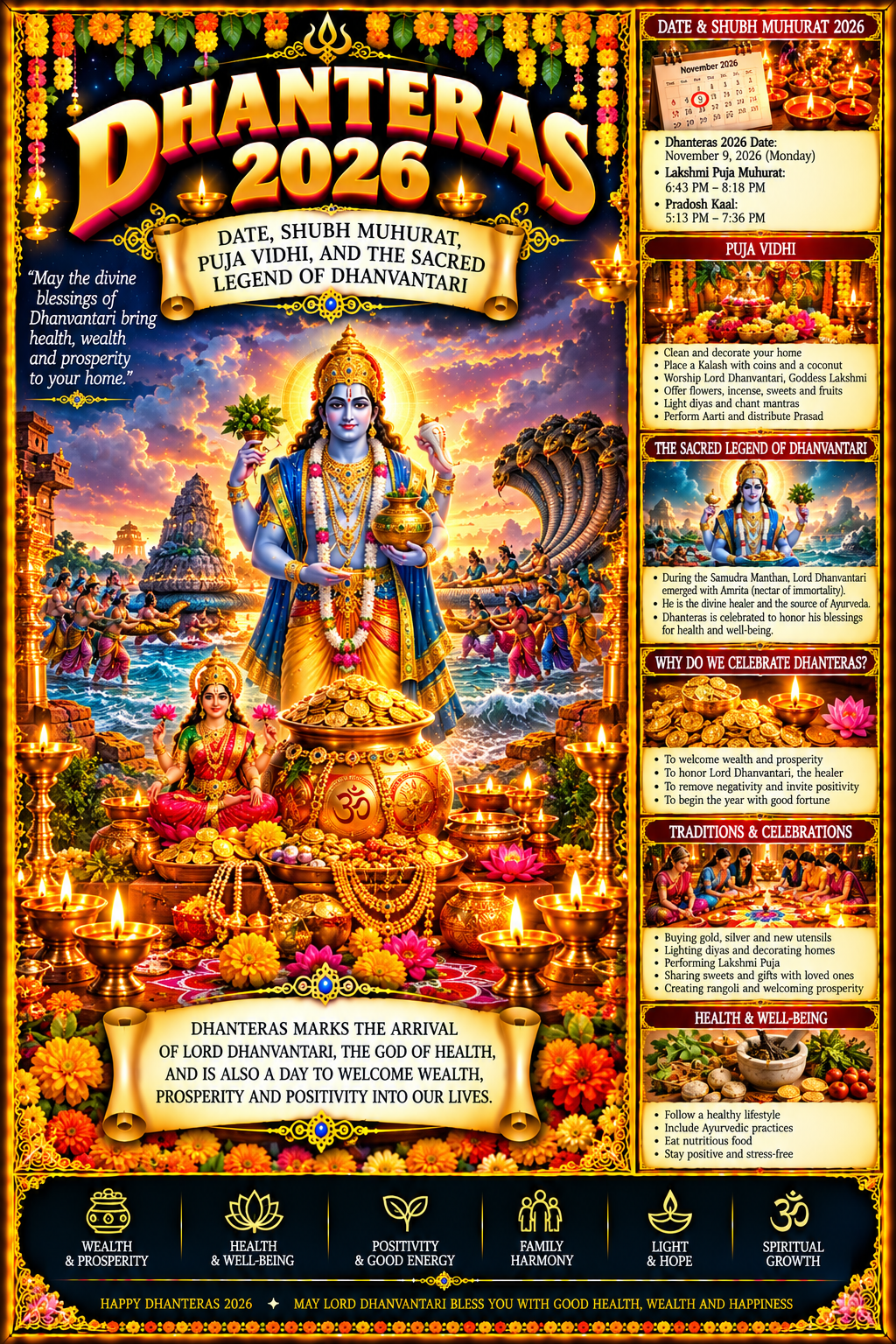 Dhanteras 2026: Date, Shubh Muhurat, Puja Vidhi, and the Sacred Legend of Dhanvantari
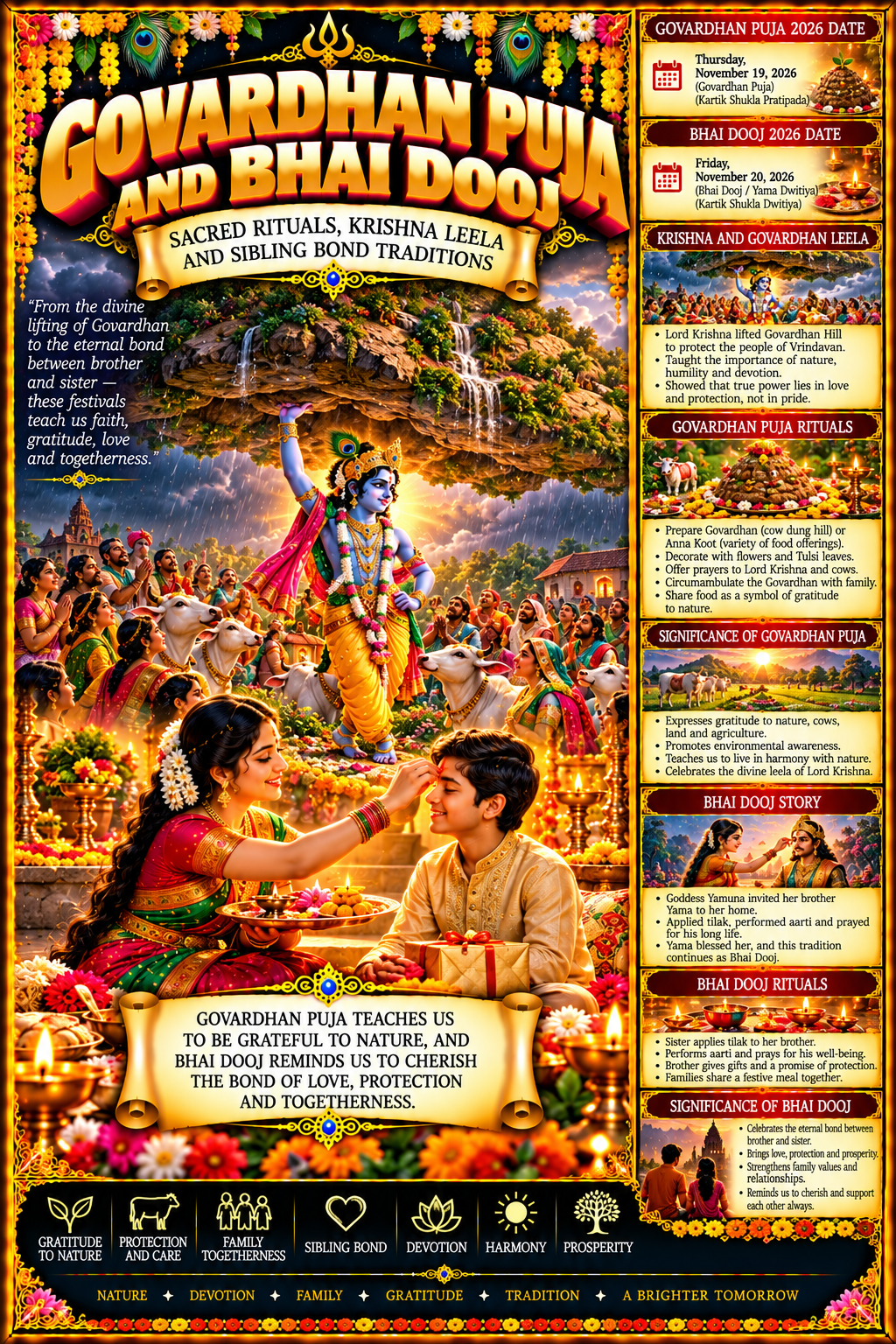 Govardhan Puja and Bhai Dooj: Sacred Rituals, Krishna Leela and Sibling Bond Traditions
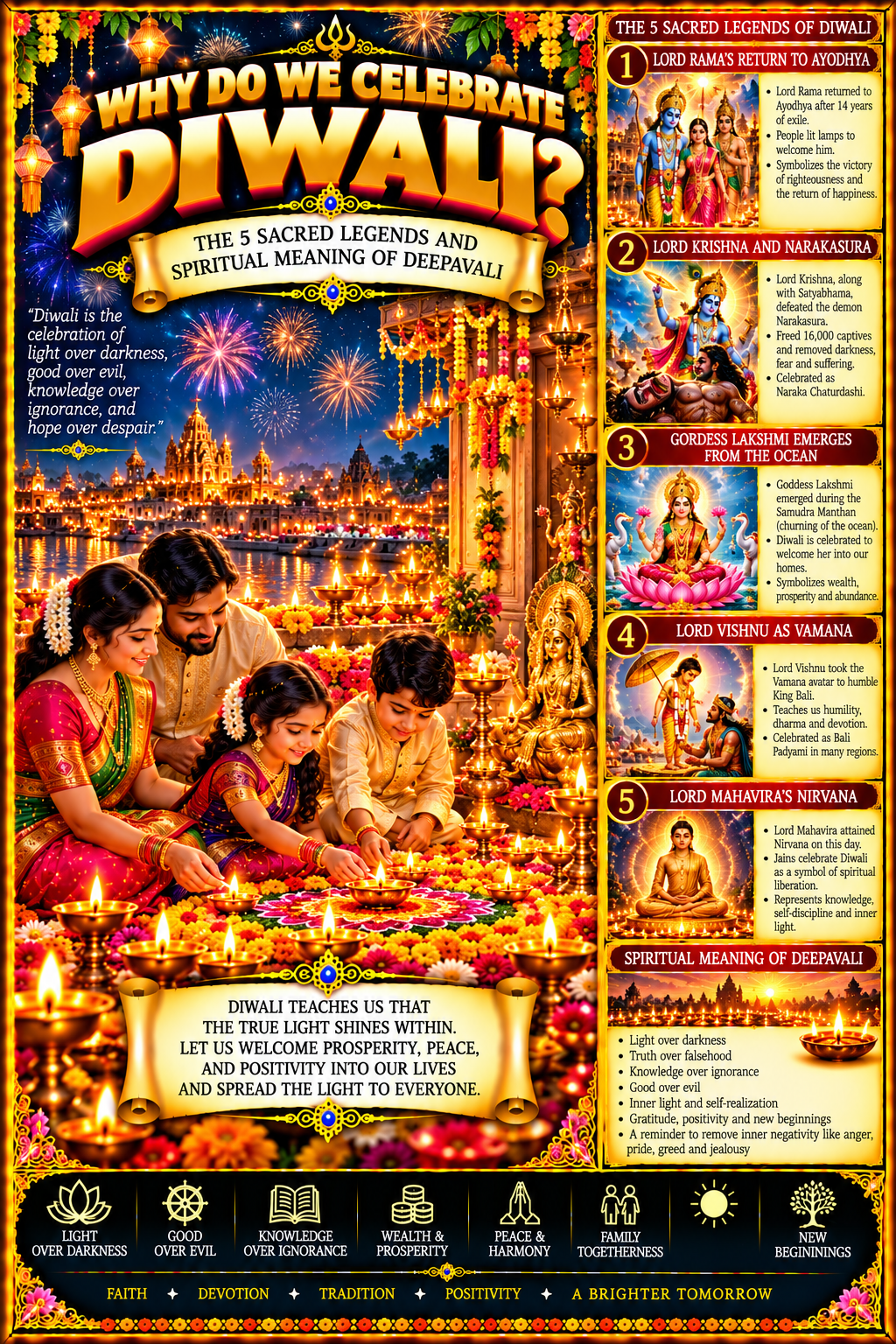 Why Do We Celebrate Diwali: The 5 Sacred Legends and Spiritual Meaning of Deepavali
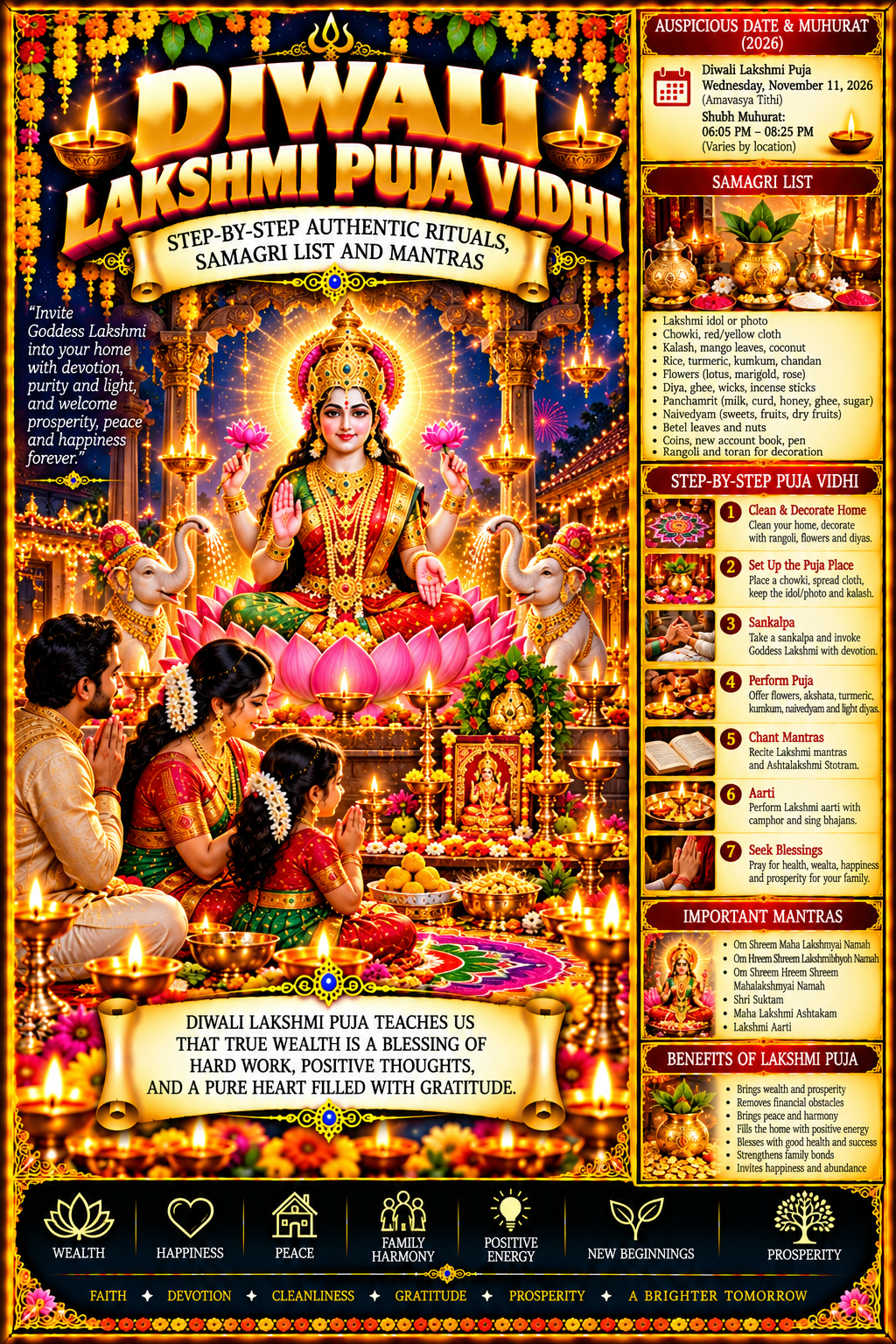 Diwali Lakshmi Puja Vidhi: Step-by-Step Authentic Rituals, Samagri List and Mantras





Raja Ratnam
- Festivals
- January 9, 2026
- 426 views
Makar Sankranti: Date, Surya Transit Meaning, Sacred Rituals & Celebrations in India
Introduction of Makar Sankranti Every January, as the cold winter winds begin to soften into warm spring sunshine, rooftops across India fill with children and families looking up at thousands of vibrant kites soaring into the sky. Makar Sankranti marks the astronomical moment when the Sun journeys north into the zodiac sign of Capricorn (Makara). From sweet sesame-jaggery laddoos in Maharashtra to bonfires in Punjab and joyful harvest feasts in the South, this festival brings families together to celebrate agricultural abundance and renewal. Across the country, Makar Sankranti is celebrated with immense joy under different regional names and customs. At its heart, the festival expresses gratitude to nature, honours farmers and the harvest, and welcomes longer, brighter days. Astronomical & Spiritual Significance of Makar Sankranti On Makar Sankranti, the Sun begins its northward journey, Uttarayan.In Hindu philosophy, Uttarayan is considered highly auspicious and spiritually elevating. It is believed that deeds performed during this period yield positive outcomes and spiritual merit. Ancient scriptures describe the Sun as the visible form of the divine – an eternal source of life and energy. Worshipping the Sun on Sankranti symbolises enlightenment, discipline, and inner strength. This transition also signifies the gradual end of winter…
- Mahabharatam , Mythology , Sons of Vichitravirya (via Sage Vyasa)
- January 8, 2026
- 489 views
Vidura in Mahabharata: Life Story, Vidura Niti, Wisdom & Teachings
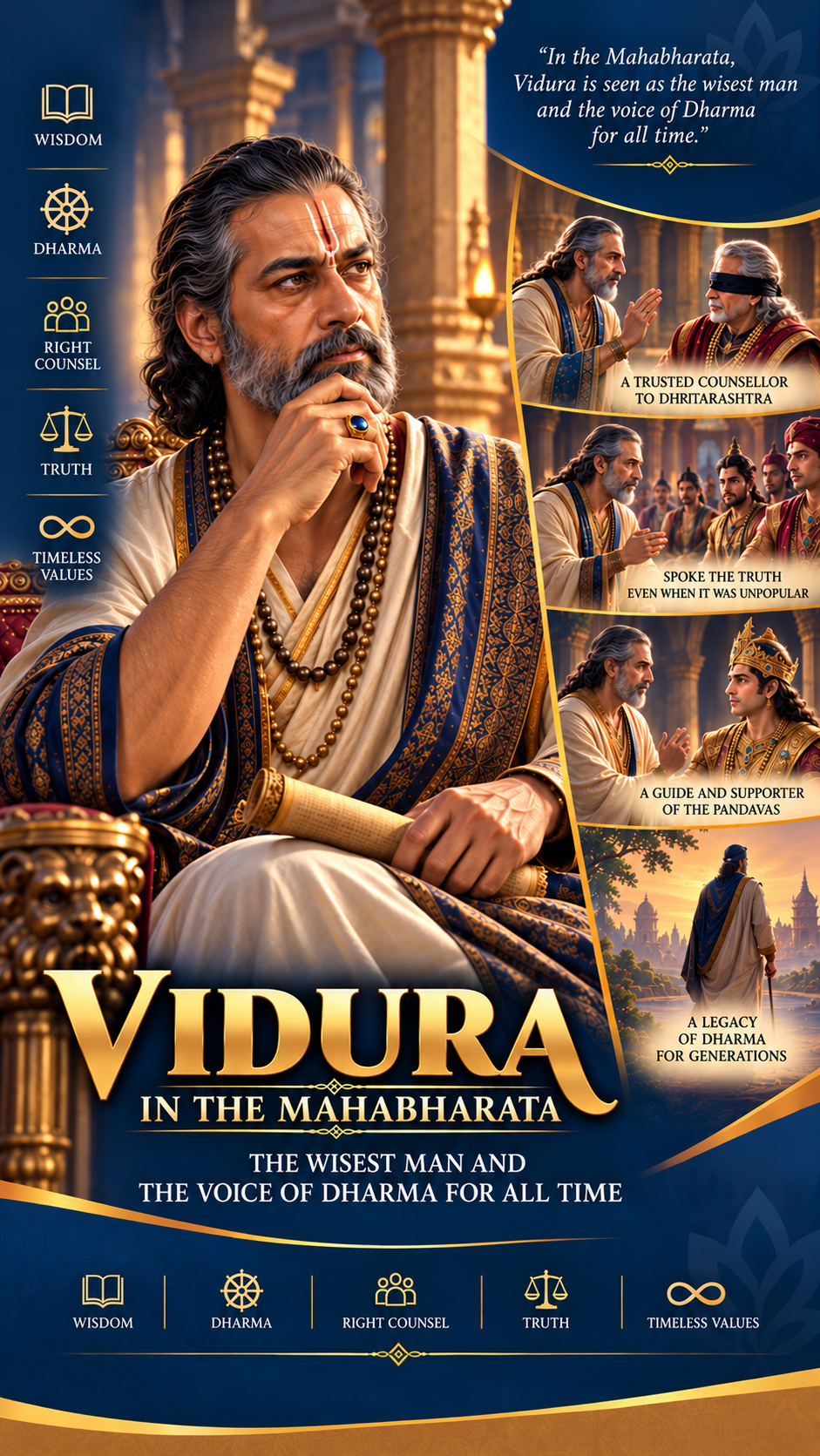
Introduction In the glittering royal palace of Hastinapur, while kings and warriors argued over territories and weapons, one man spoke with the quiet, fearless clarity of pure truth: Vidura. Born of Sage Vyasa and a royal maid, he served as the royal prime minister whose moral counsel, known as Vidura Niti, guided King Dhritarashtra. When Lord Krishna arrived as a peace envoy and refused Duryodhana’s lavish feast, it was to Vidura’s humble home that the Lord walked, happily sharing a simple meal of greens in the company of a true devotee. Widely regarded as the wisest man in the epic, Vidura served as the chief advisor to King Dhritarashtra and the moral compass of the Kuru kingdom. Time and again, he warned against injustice, greed, and the catastrophic war of Kurukshetra. Yet, his wise counsel often fell on deaf ears. This blog explores Vidura’s life, wisdom, role in the Mahabharata, and timeless relevance in leadership, governance, and ethics. Who Was Vidura? Vidura was born to Vyasa, the great sage and author of the Mahabharata, and a maidservant of the Kuru palace. Despite his humble maternal origin, Vidura was endowed with extraordinary intelligence, integrity, and spiritual insight. According to tradition, Vidura…

- Kuru Dynasty , Mahabharatam , Mythology , Women Characters
- January 6, 2026
- 611 views
Satyavati in Mahabharata: Matsyagandha, Queen Mother & Architect of Kuru Destiny
Introduction Gliding her wooden ferry across the gentle waves of the Yamuna river with the fragrance of musk floating on the breeze, the young fisher-maiden Satyavati lived a humble life until destiny intervened. Becoming the queen of King Shantanu, she was a mother whose fierce determination to safeguard the royal throne guided Hastinapur through crisis after crisis. Satyavati’s pragmatic decisions laid the genealogical foundations for the entire epic of the Mahabharata. Her life is a remarkable journey – from a humble fisherwoman to the Queen of Hastinapura, from a young girl cursed with a foul smell to the revered Queen Mother of one of India’s greatest epics. Birth and Early Life of Satyavati She was born to Uparichara Vasu, the king of Chedi, and a celestial nymph (apsara). Due to circumstances, she was abandoned at birth and later adopted by a fisherman chief named Dasharaja. In her early years, she was known as Matsyagandha, meaning “one who smells of fish”, because of her association with the fishing community. Despite her humble upbringing, possessed: These traits would later transform her destiny. Meeting Sage Parashara and the Birth of Vyasa One of the most crucial events in the Mahabharatam occurs when Satyavati…

- Mahabharatam , Mythology , Women Characters
- January 5, 2026
- 554 views
Goddess Ganga in Mahabharata: The Celestial River, Mother of Bhishma & Moksha Symbol
Introduction Descending from the heavens through the tangled matted locks of Lord Shiva to nourish the scorched plains of India, Goddess Ganga is far more than a sacred river; she is a divine mother and the embodiment of spiritual purification. Entering the human realm as the radiant queen of King Shantanu, she bore the eight Vasus and nurtured Prince Devavrata, the peerless warrior who would later be known to history as Bhishma Pitamaha. Origin of Goddess Ganga Ganga is described in Hindu scriptures as a celestial river (Akasha Ganga) flowing in the heavens. She descends to Earth to cleanse humanity of sins and grant moksha (liberation). In the Mahabharata, she is both a goddess and a queen, assuming a human form to fulfill divine purposes. Ganga is known for her purity, compassion, and power – capable of washing away even the gravest sins. Her descent itself symbolizes divine grace entering the mortal realm. Goddess Ganga and King Shantanu One of the most touching episodes involving Ganga in the Mahabharata is her marriage to Shantanu, the king of Hastinapura. Their union was destined, yet bound by a mysterious condition: Shantanu must never question Ganga’s actions. Ganga gave birth to seven sons…
- Kuru Dynasty
- January 4, 2026
- 604 views
King Shantanu in Mahabharata: Love for Ganga, Satyavati’s Vow & Legacy
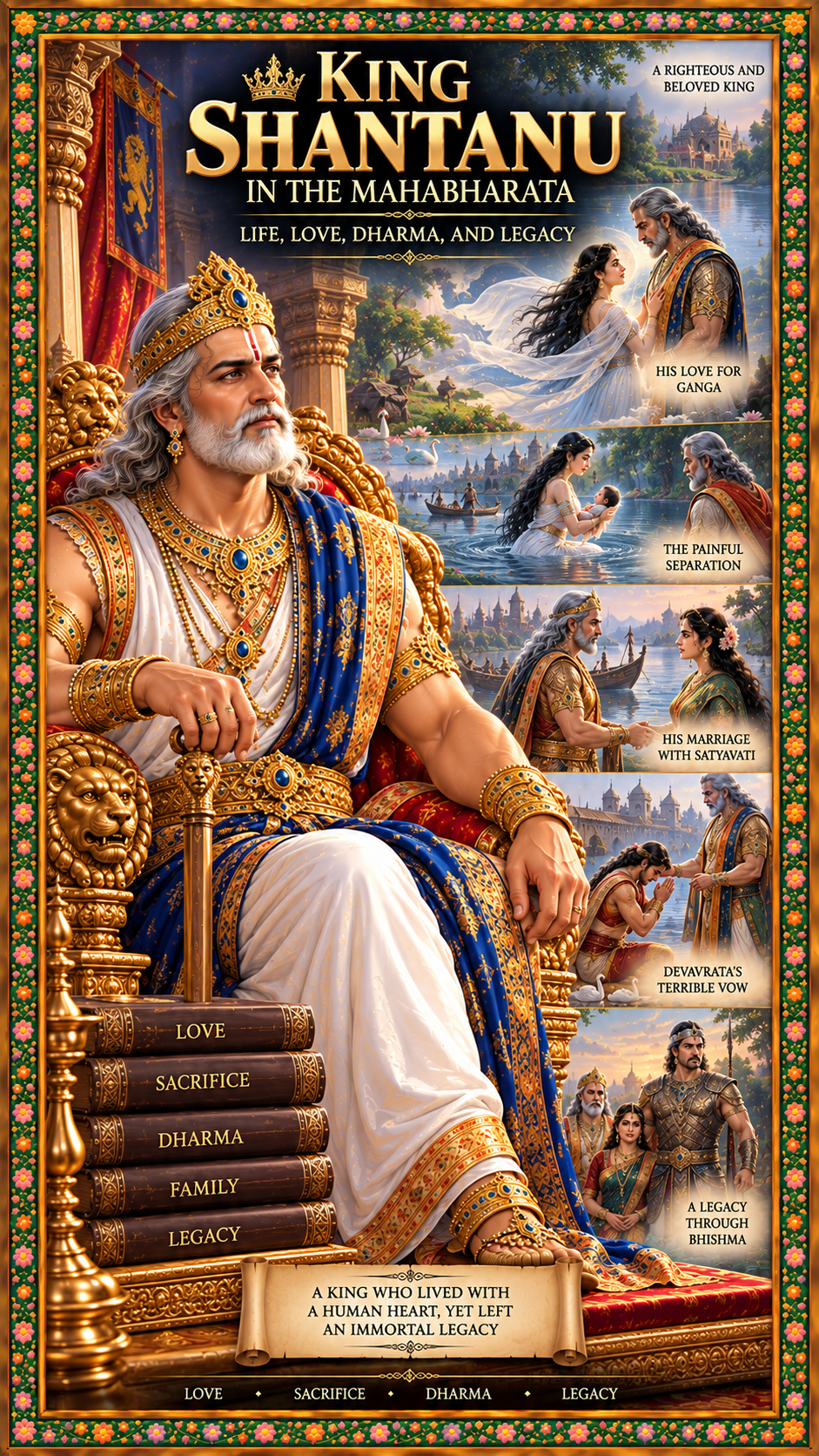
Introduction Strolling along the fragrant banks of the holy river Ganga, King Shantanu of Hastinapur was a noble, just ruler whose heart beat with deep devotion and chivalry. His love for Goddess Ganga and the mysterious conditions she set tested his patience, while his later longing for Queen Satyavati led his eldest son Devavrata to make the terrible vow of lifelong celibacy. Shantanu’s emotional choices set into motion the complex family lineage of the Mahabharata. This full-length blog explores King Shantanu’s life, character, marriages, moral dilemmas, and lasting impact on the Mahabharata. Who Was King Shantanu? King Shantanu was the ruler of Hastinapura, descending from the illustrious Kuru lineage. Renowned for his compassion, righteousness, and humility, Shantanu was beloved by his subjects. His reign symbolized peace and prosperity, yet his personal life was marked by divine trials and emotionally difficult choices. Shantanu’s greatness lies not only in his kingship but also in how his personal vows and relationships shaped the future of Bharata’s greatest epic. King Shantanu and Goddess Ganga: A Divine Union While hunting near the river Ganga, Shantanu encountered a celestial woman of extraordinary beauty – Ganga Devi, the river goddess. He fell deeply in love, and she…
- Children of King Shantanu
- January 3, 2026
- 619 views
Bhishma in Mahabharata: The Terrible Vow (Pratigya), Powers & Bed of Arrows
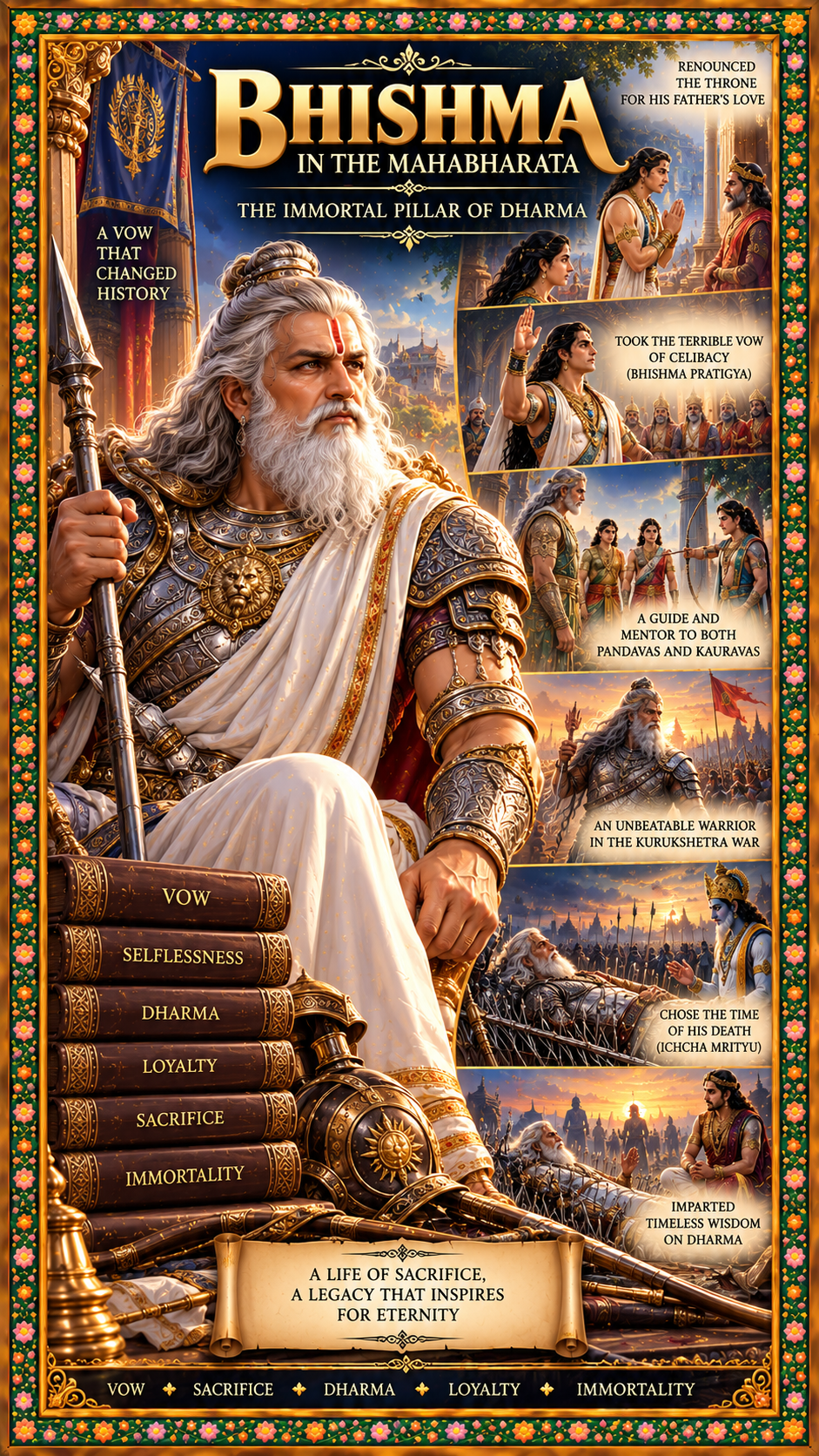
Introduction Few figures in human literature command as much respect, sorrow, and awe as Bhishma Pitamaha. Renouncing his royal birthright and taking a solemn vow of lifelong celibacy to grant his father happiness, Prince Devavrata became ‘Bhishma’ – the one of the terrible vow. Blessed with the power to choose the moment of his own death, he stood for decades as the invincible guardian of Hastinapur, enduring a tragic destiny that saw him lying on a bed of arrows as teacher to the next generation. Birth of Bhishma – Devavrata, the Son of Destiny Devavrata, the son of King Shantanu, ruler of the Kuru dynasty, and Ganga, the goddess of the River Ganga, was Bhishma’s birth name. Devavrata was no ordinary child. Trained by great sages and blessed by celestial beings, he mastered: From a young age, he was destined to become a legendary protector of the Kuru dynasty. The Terrible Vow – Why He Is Called Bhishma The turning point of Devavrata’s life came when King Shantanu wished to marry Satyavati. In order to inherit the throne, her father demanded that only her children inherit it. To fulfill his father’s happiness, Devavrata took a terrible (bhīṣaṇa) vow: The gods…
- Navagraha's
- December 29, 2025
- 552 views
The 9 Navagrahas in Vedic Astrology: Names, Mantras, Planetary Effects & Remedies
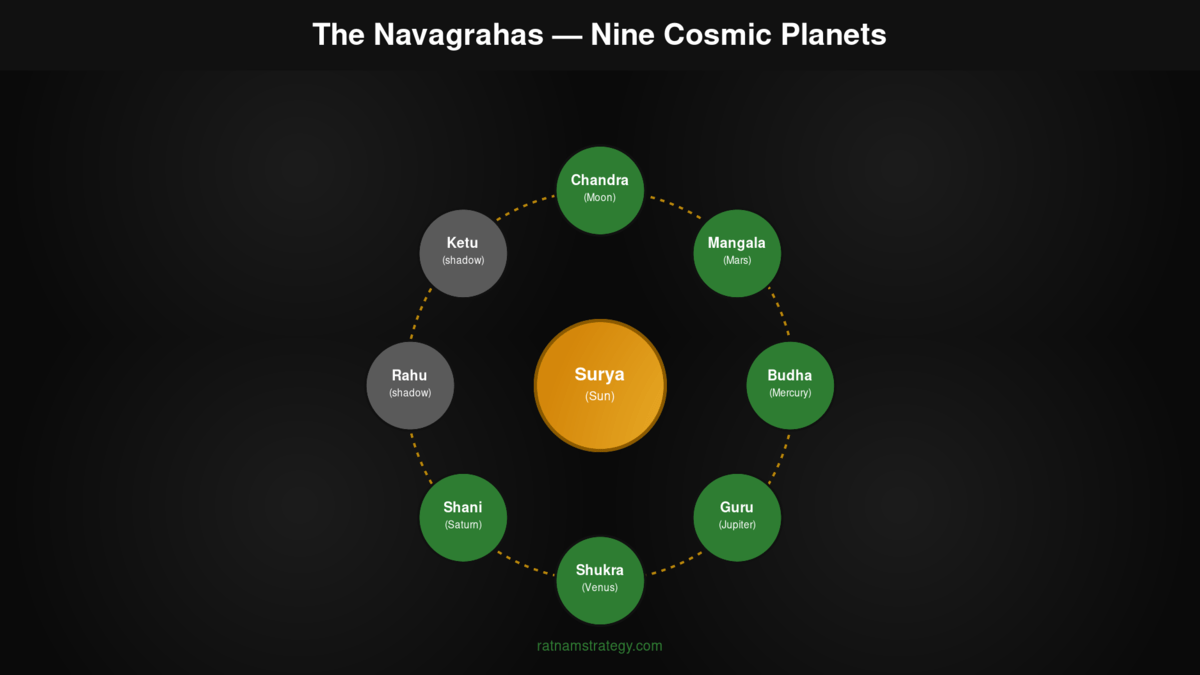
Introduction – More Than Planets, Eternal Teachers When we look up into the deep night sky, the planets and stars appear as silent wanderers. In ancient Indian philosophy, these nine celestial forces – the Navagrahas – are far more than astronomical bodies; they are cosmic teachers guiding every soul through the cycles of karma, lessons, resilience, and spiritual awakening. Each planetary deity reflects a vital facet of human experience, from the solar light of the soul to the quiet discipline of Saturn. The purpose of each Graha is not to punish, but to teach.Transits are not accidents, but lessons timed by the universe. Together, the Navagrahas form a complete spiritual syllabus for human life – from birth and identity to desire, duty, wisdom, and finally moksha. Surya – Awakening the Soul (Atman) The source of life and consciousness is Surya Deva.He teaches: Surya awakens the Atman, reminding us to stand in our truth and shine without fear. Without Surya, there is no life.Without self-awareness, there is no growth. Chandra – Mastering the Mind Chandra governs the mind, emotions, and inner world.He teaches: The Moon reminds us that inner peace is more important than outer success.A calm mind reflects the divine…

- Navagraha's
- December 28, 2025
- 519 views
Ketu Deva: The Planet of Moksha & Detachment, Astrological Effects & Remedies
Introduction – The Silent Force of Liberation Among the nine cosmic teachers, Ketu Deva is the quiet, inward-looking presence that dissolves illusions and directs the soul toward spiritual freedom (Moksha). Born from the cosmic churning of the ocean (Samudra Manthan) as the body of the celestial serpent, Ketu does not seek wealth, material fame, or noisy applause. Instead, he guides seekers inward, teaching that true peace begins when we let go of ego and quiet our restless desires. If Rahu binds the soul to illusion and desire,Ketu frees the soul through detachment and realization. Ketu represents: Ketu does not give pleasure – he gives truth. Mythological Origin of Ketu Deva The origin of Ketu is inseparable from Rahu and the great event of Samudra Manthan. When the Asura Svarbhanu disguised himself and drank Amrita,Lord Vishnu severed his body with the Sudarshana Chakra. Unlike Rahu, who retained desire and hunger,Ketu was left without a head – symbolizing ego-less existence. Thus, Ketu became: Scriptures describe Ketu as a flag without a pole – present, powerful, but unattached. Ketu Deva in Hindu Scriptures Ketu appears in: Ancient sages describe Ketu as: Unlike other planets, Ketu does not follow worldly dharma.He follows cosmic truth.…

- Navagraha's
- December 28, 2025
- 507 views
Rahu Deva: The Shadow Planet, Kaal Sarp Dosha, Illusions & Astrological Remedies
Introduction – Rahu Deva It is the invisible force that shapes destiny Without a physical body or visible light of his own, Rahu Deva is the fascinating shadow planet of Vedic astrology that influences ambition, worldly desires, and dramatic transformations. Manifesting as the head of the cosmic serpent, Rahu drives humanity’s curiosity to explore new horizons and break old boundaries, teaching us through life’s unexpected twists that worldly attachments are fleeting shadows. Rahu represents: If Surya gives clarity and Mangala gives action,Rahu tests the soul by blurring truth – forcing growth through confusion. Rahu is not evil.He is the teacher of hidden karma. Mythological Origin of Rahu Deva The origin of Rahu comes from the legendary Samudra Manthan (Churning of the Ocean of Milk). When the Devas and Asuras churned the ocean for Amrita (nectar of immortality), Lord Vishnu appeared as Mohini to distribute it only to the Devas. An Asura named Svarbhanu disguised himself as a Deva and secretly drank the Amrita.Before the nectar could reach his stomach, Surya (Sun) and Chandra (Moon) exposed him. In anger, Lord Vishnu beheaded him with the Sudarshana Chakra. But since he had already tasted Amrita: Rahu survived – immortal, bodiless, and eternally…

- Navagraha's
- November 25, 2025
- 819 views
Shukra Deva (Venus): Guru of Asuras, Wealth & Love Influences, and Shukra Remedies
Introduction – The Radiant Energy of Love and Harmony(Shukra (Venus)) Shining like a brilliant jewel in the twilight sky, Shukra Deva (the planet Venus) has captivated skywatchers and poets for thousands of years. Known in mythology as the wise Guru of the Asuras and master of the secret Sanjivani Vidya that restores life, Shukra embodies art, grace, devotion, and beauty, reminding us that genuine love and artistic refinement are divine gifts meant to elevate the human spirit. If Brihaspati represents divine spiritual wisdom, Shukra Deva represents worldly wisdom – the art of living gracefully in the material world. In astrology, Shukra governs relationships, marriage, wealth, creativity, comfort, and attraction.In mythology, he is a master of mantras, a healer, and a compassionate guide of the Asuras. Birth of Shukra(Venus) Shukra is the son of Sage Bhrigu, one of the Saptarishis, and his wife Kavyamata. From birth, he was endowed with extraordinary intelligence, charm, and compassion.While Brihaspati guided the Devas, Shukra chose the path of guiding the Asuras (Danavas) – beings often misunderstood but filled with potential. This cosmic balance created the eternal duality: Shukra’s Tapasya to Lord Shiva The most legendary tale of Shukra describes his thousand-year penance to please Lord…