 Raja Ratnam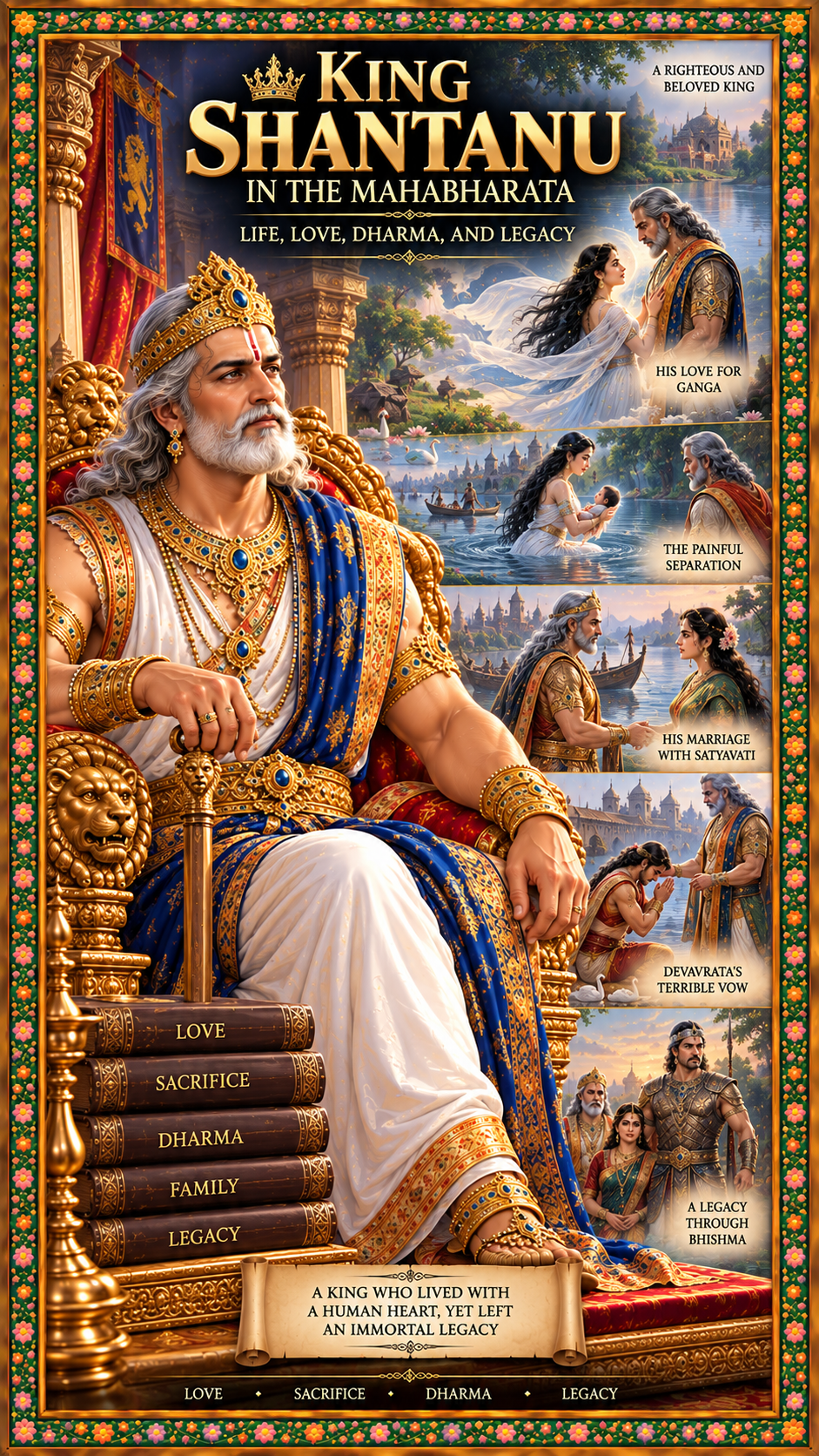
Introduction
King Shantanu is one of the most pivotal ancestral figures in the epic Mahabharata. Though he does not fight in the Kurukshetra war, his life decisions—rooted in love, fate, and dharma—shape the destiny of the Kuru dynasty. From his divine marriage with Goddess Ganga to his later union with Satyavati, Shantanu’s story explains the origins of Bhishma, the Kauravas, and the Pandavas.
This full-length blog explores King Shantanu’s life, character, marriages, moral dilemmas, and lasting impact on the Mahabharata.
Who Was King Shantanu?
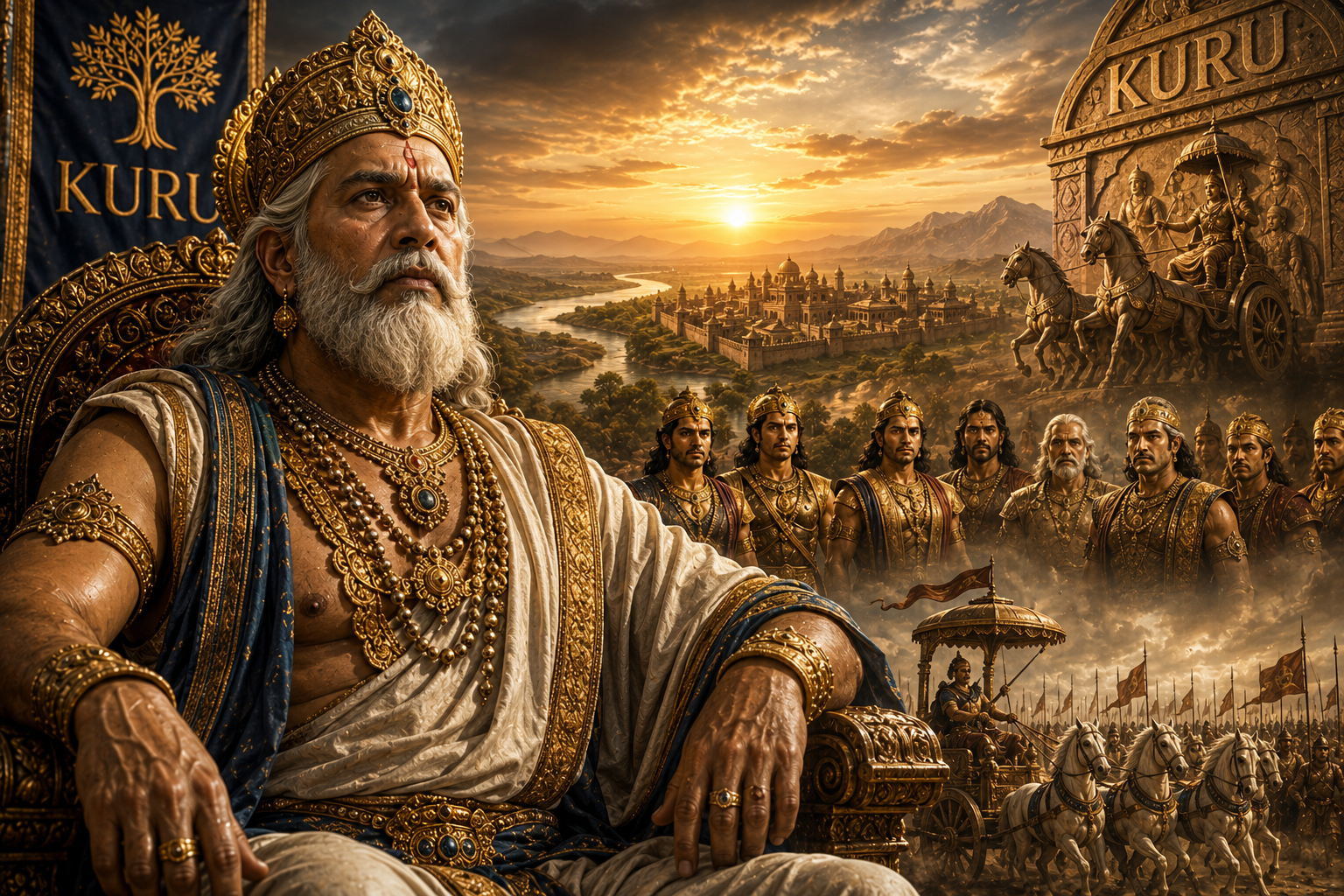
King Shantanu was the ruler of Hastinapura, descending from the illustrious Kuru lineage. Renowned for his compassion, righteousness, and humility, Shantanu was beloved by his subjects. His reign symbolized peace and prosperity, yet his personal life was marked by divine trials and emotionally difficult choices.
Shantanu’s greatness lies not only in his kingship but also in how his personal vows and relationships shaped the future of Bharata’s greatest epic.
King Shantanu and Goddess Ganga: A Divine Union
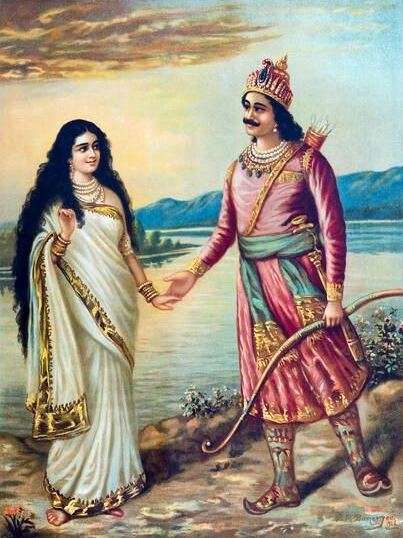
While hunting near the river Ganga, Shantanu encountered a celestial woman of extraordinary beauty—Ganga Devi, the river goddess. He fell deeply in love, and she agreed to marry him on one strict condition:
He must never question her actions.
The Tragic Mystery of the Seven Sons
After marriage, Ganga gave birth to seven sons, each of whom she drowned in the river shortly after birth. Bound by his promise, Shantanu remained silent, enduring immense grief.
When their eighth child was born, Shantanu could no longer restrain himself and questioned her. At that moment, Ganga revealed the truth.
The Vasus’ Curse
The seven drowned children were celestial beings—the Vasus, cursed to be born as mortals. Ganga liberated them early to minimize their suffering. The eighth child, Devavrata, had to live a full human life due to a greater offense.
Ganga then returned Devavrata to Shantanu years later—educated in warfare, scriptures, and royal duties.
Devavrata Becomes Bhishma
Devavrata grew into a peerless warrior and an ideal prince. Shantanu declared him the crown prince of Hastinapura, confident that his kingdom’s future was secure.
But destiny had other plans.
King Shantanu and Satyavati: Love Versus Duty
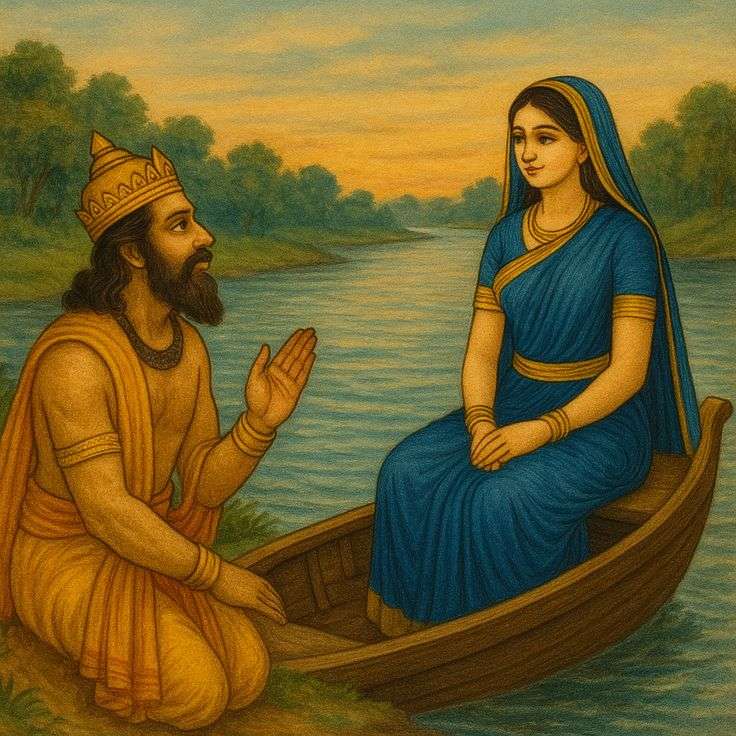
Years later, Shantanu met Satyavati, the adopted daughter of a fisherman. Though deeply in love, Shantanu faced a condition set by her father:
Only Satyavati’s sons could inherit the throne.
Unable to break his word to Devavrata or deny his love, Shantanu fell into despair.
Bhishma’s Terrible Vow
Sensing his father’s pain, Devavrata made a historic sacrifice. He vowed:
- Lifelong celibacy
- Renunciation of the throne
This vow shook the heavens. Shantanu granted him the boon of Ichha Mrityu—the power to choose the time of his death. From that moment, Devavrata was known as Bhishma, the one of terrible resolve.
Marriage to Satyavati and Later Years
Shantanu married Satyavati and had two sons:
- Chitrangada
- Vichitravirya
After ensuring the kingdom’s succession, Shantanu gradually withdrew from worldly affairs. His reign ended peacefully, but the seeds of future conflict—succession struggles and dynastic tension—had already been sown.
Character Analysis of King Shantanu
Strengths
- Compassionate and just ruler
- Deep respect for vows and promises
- Humble and humane
Flaws
- Excessive emotional attachment
- Silence in moments demanding intervention
- Dependence on others to resolve moral conflicts
Shantanu represents a king torn between personal desire and royal duty, making him profoundly human.
For official cultural and historical archives, visit the Ministry of Culture, Government of India.
Importance of King Shantanu in the Mahabharata
Though not a central battlefield hero, Shantanu’s choices:
- Gave rise to Bhishma’s vow
- Determined the Kuru lineage
- Directly influenced the causes of the Kurukshetra war
Without Shantanu, the Mahabharata’s core conflict would not exist.
Moral Lessons from King Shantanu’s Life
- Promises must be made wisely
- Silence can sometimes be as impactful as action
- Personal desires can shape generations
- True sacrifice often comes from the next generation
Conclusion
King Shantanu stands as a quiet architect of destiny in the Mahabharata. His life reminds us that even well-intentioned decisions can have far-reaching consequences. Through love, restraint, and moral struggle, Shantanu shaped an epic that continues to guide humanity on dharma, sacrifice, and responsibility.
Related Sacred Topics & Cultural Heritage: For further spiritual exploration, read about Lord Rama’s ideal life story. For further spiritual exploration, read about the 14-year exile of Lord Rama.
FAQs on King Shantanu in the Mahabharata
1. Who was King Shantanu in the Mahabharata?
King Shantanu was a noble ruler of Hastinapura and a key ancestor of the Kuru dynasty.
2. Which dynasty did King Shantanu belong to?
He belonged to the Kuru dynasty, one of the most powerful royal lineages in ancient India.
3. Who were King Shantanu’s parents?
Shantanu was the son of King Pratipa, a righteous ruler of Hastinapura.
4. Who was Shantanu’s first wife?
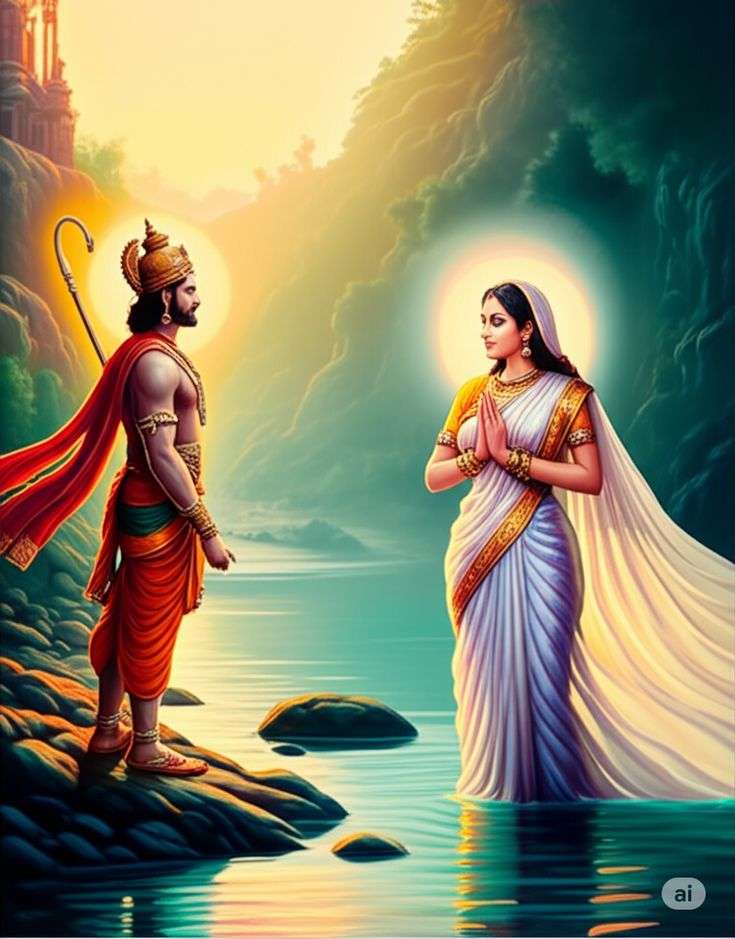
His first wife was Goddess Ganga, the divine river deity.
5. Why did Shantanu agree not to question Ganga?
Ganga agreed to marry Shantanu only if he promised never to question her actions.
6. Why did Ganga drown Shantanu’s seven sons?
The seven sons were the Vasus, cursed to be born as mortals. Drowning freed them early from their curse.
7. Who was the eighth son of Shantanu and Ganga?
The eighth son was Devavrata, who later became Bhishma.
8. Why did Ganga leave Shantanu?
She left after Shantanu questioned her act of drowning their eighth child, breaking his promise.
9. Who was Devavrata in the Mahabharata?
Devavrata was Shantanu’s son who later became Bhishma, one of the greatest warriors of the epic.
10. Who was Shantanu’s second wife?
Shantanu’s second wife was Satyavati, the daughter of a fisherman.
11. Why was Shantanu sad before marrying Satyavati?
Satyavati’s father demanded that only her sons inherit the throne, creating a conflict with Devavrata’s rights.
12. What vow did Bhishma take for Shantanu?
Bhishma vowed lifelong celibacy and renounced the throne to fulfill his father’s happiness.
13. What boon did Shantanu grant Bhishma?
Shantanu granted Bhishma Ichha Mrityu, the power to choose the time of his death.
14. How many children did Shantanu have in total?
Shantanu had ten children—eight with Ganga and two with Satyavati.
15. Who were Shantanu’s sons from Satyavati?
His sons from Satyavati were Chitrangada and Vichitravirya.
16. Was King Shantanu involved in the Kurukshetra war?
No, Shantanu died long before the Kurukshetra war took place.
17. How did Shantanu’s decisions affect the Mahabharata?
His marriages and acceptance of Bhishma’s vow shaped the Kuru lineage and led to future conflicts.
18. What qualities made Shantanu a good king?
He was compassionate, just, humble, and deeply respected dharma.
19. What were Shantanu’s weaknesses?
His emotional attachments and silence during critical moments influenced tragic outcomes.
20. What is the symbolic importance of King Shantanu?
Shantanu represents the human struggle between love, duty, promises, and destiny.

“…Why is Ganga important in the Mahabharata? She connects divine will with human destiny, serving as a bridge between the celestial and mortal worlds. As the mother of Bhishma, she plays a crucial role in shaping the future of the Kuru dynasty. Her presence symbolizes purity, sacrifice, and the unstoppable flow of fate that guides the events of the epic.”
Thanks for sharing your thoughts. I truly appreciate your efforts and I am waiting for your next write ups thank you once again.
You can reply like this:
Thank you so much for your kind words and encouragement! 😊
I truly appreciate your support and I’m very happy to know that you enjoy the content and efforts behind these posts.
Your feedback motivates me to continue creating more useful and interesting write-ups. I look forward to sharing more content with you soon.
Thanks once again for your valuable support!