Admin
- Mythology , Navagraha's
- November 4, 2025
- 376 views
Budha (Mercury) — The Planet of Intelligence, Communication & Wit
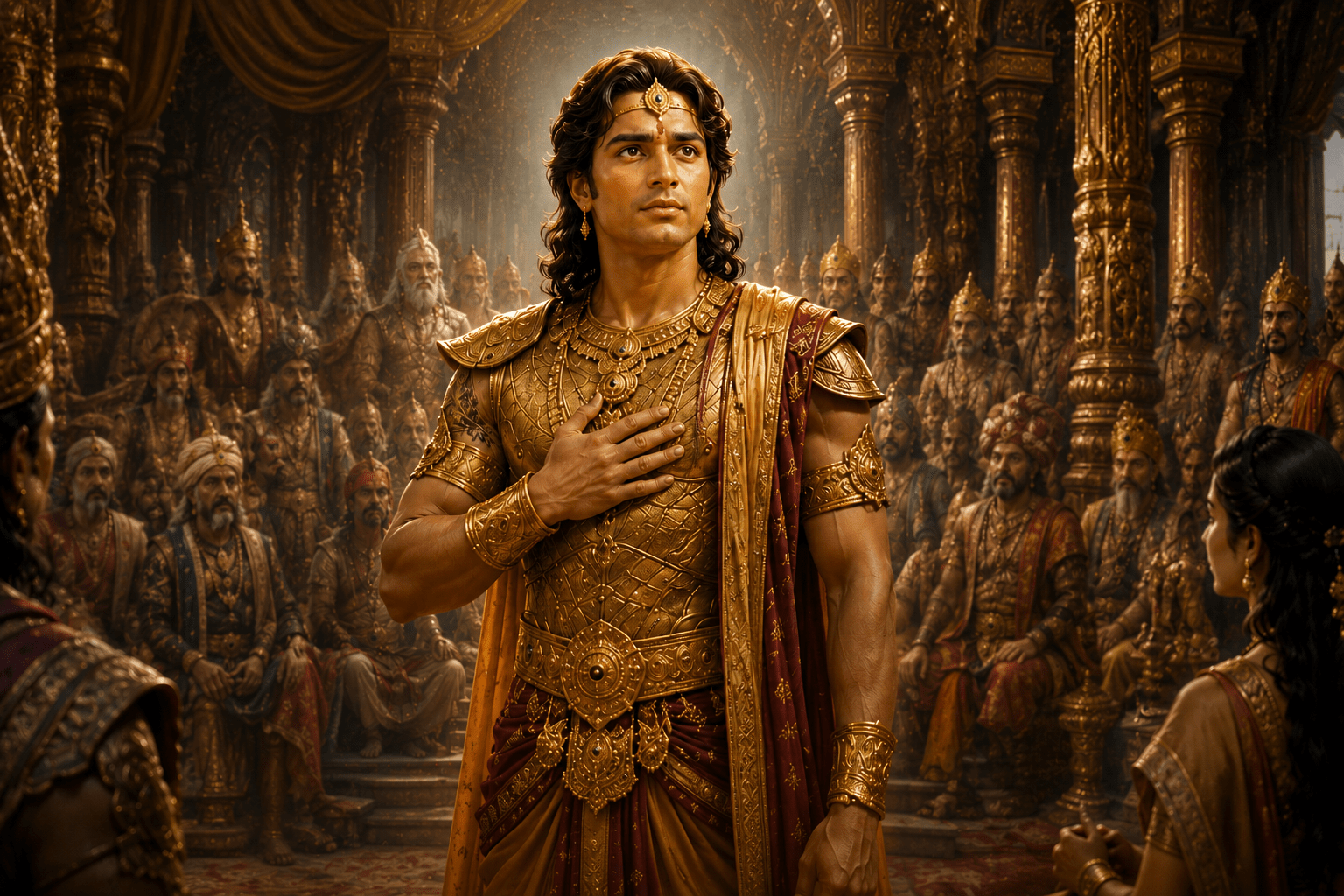
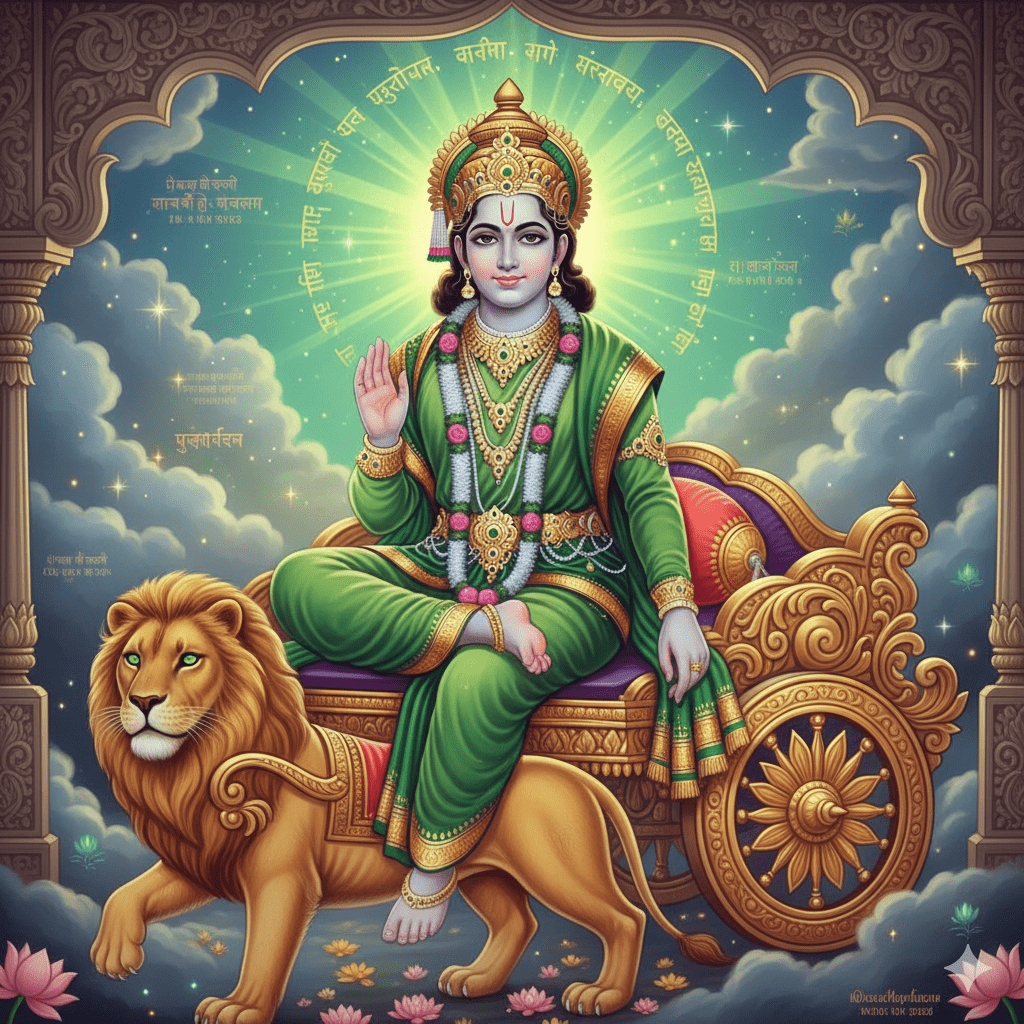
About the Author Raja Ratnam is a passionate researcher and writer specializing in Indian mythology and epic stories.With years of experience studying texts like Ramayana, Mahabharata, and other cultural scriptures,he brings insightful interpretations and practical lessons from these timeless stories. Raja Ratnam believes in making mythology accessible and meaningful for modern readers,helping them understand the moral, ethical, and cultural significance behind characters likeRamudu, Laxman, Shani Deva, and many more. Connect with the author: info@ratnamstrategy.com Introduction Among the Navagrahas, Budha (Mercury) stands out as the planet of intellect, speech, learning, and trade. Representing the quicksilver quality of the mind, Budha governs our ability to analyze, communicate, and connect. In astrology, he rules logic, language, business acumen, and adaptability — the very traits that make humans the thinking species. Known as the celestial prince, Budha’s energy is youthful, playful, and curious. He represents the mind that loves to learn, negotiate, and express itself clearly. Mythological Origin of Budha Budha (Mercury) Birth of Budha — The Child of Chandra and Tara According to Hindu mythology, Budha was born from Chandra (the Moon) and Tara, the wife of Brihaspati (Jupiter). When Chandra became infatuated with Tara, she was drawn to his charm and brilliance.…

- Mythology , Navagraha's
- November 3, 2025
- 361 views
Mangala (Mars) — The Fiery Planet of Power, Courage, and Discipline
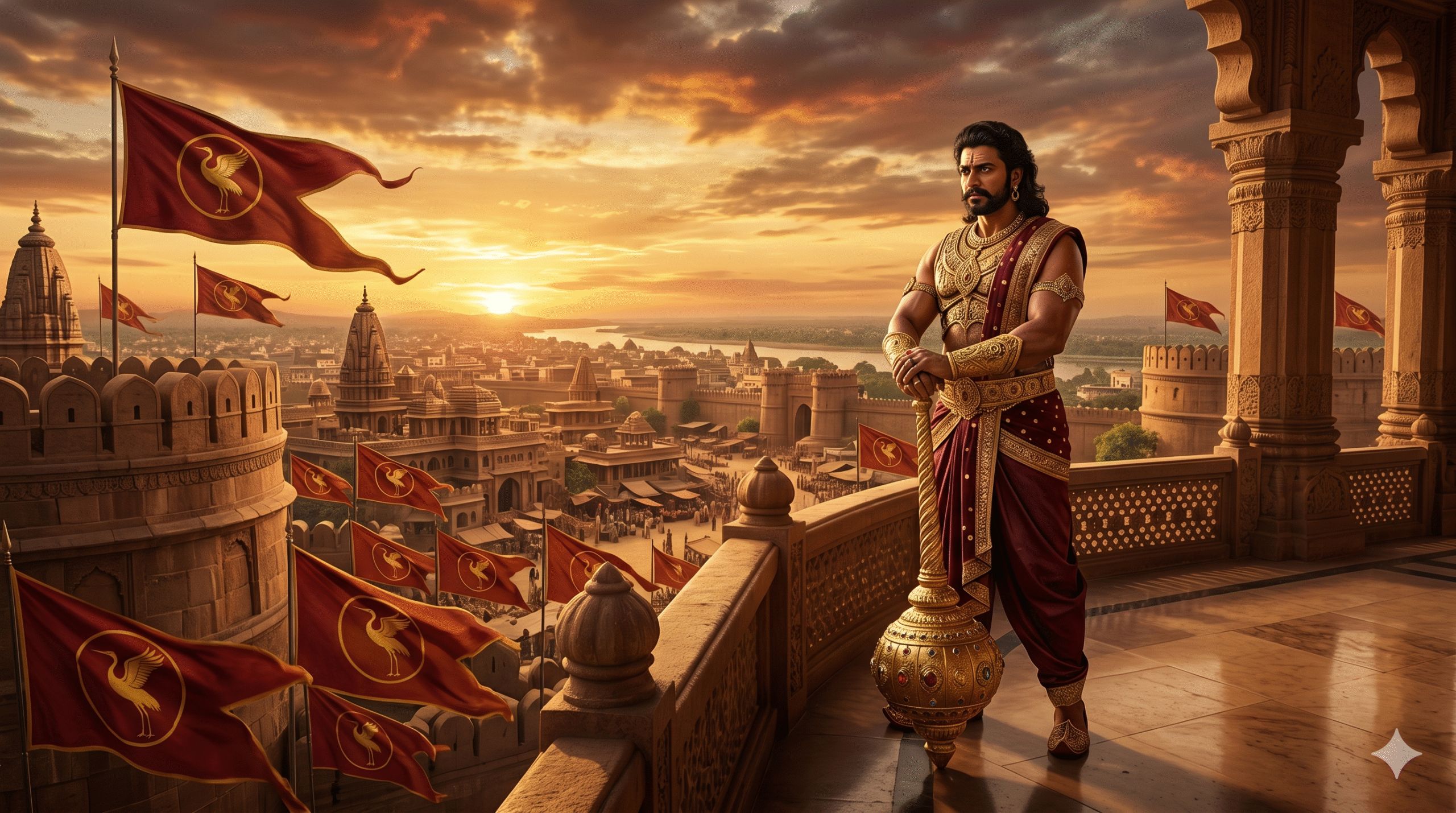
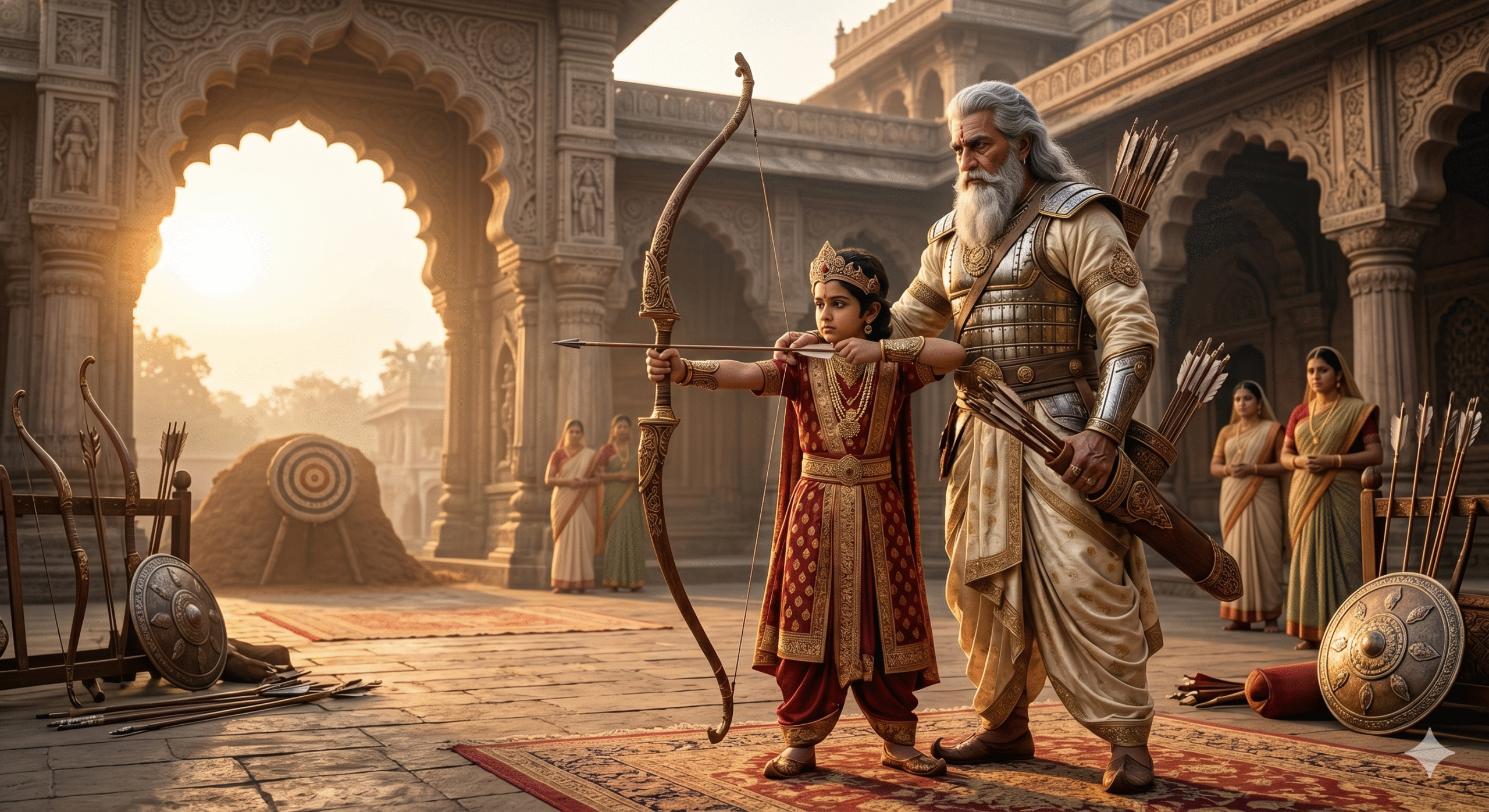
About the Author Raja Ratnam is a passionate researcher and writer specializing in Indian mythology and epic stories.With years of experience studying texts like Ramayana, Mahabharata, and other cultural scriptures,he brings insightful interpretations and practical lessons from these timeless stories. Raja Ratnam believes in making mythology accessible and meaningful for modern readers,helping them understand the moral, ethical, and cultural significance behind characters likeRamudu, Laxman, Shani Deva, and many more. Connect with the author: info@ratnamstrategy.com Introduction — Mangala (Mars) The Red Flame of the Cosmos Among the nine celestial forces known as the Navagrahas, Mangala (Mars) stands as the radiant embodiment of courage, discipline, and willpower. His energy burns bright like the red planet that bears his name — fierce yet purifying, fiery yet purposeful. In the cosmic order, Mangala represents Shakti (divine energy in motion). He governs action, war, vitality, and justice, ensuring that dharma is protected and courage prevails over fear. In every astrological chart, Mars determines the strength of one’s drive, determination, and self-discipline. Devotees view Mangala Deva not merely as a planet, but as a divine commander, a guardian of righteousness, and a symbol of inner strength. To those who walk the spiritual path, his energy teaches…
- Lord Ganesha , Mythology
- August 19, 2025
- 394 views
Ekadanta (The One with a Single Tusk): Meaning, Symbolism & Benefits
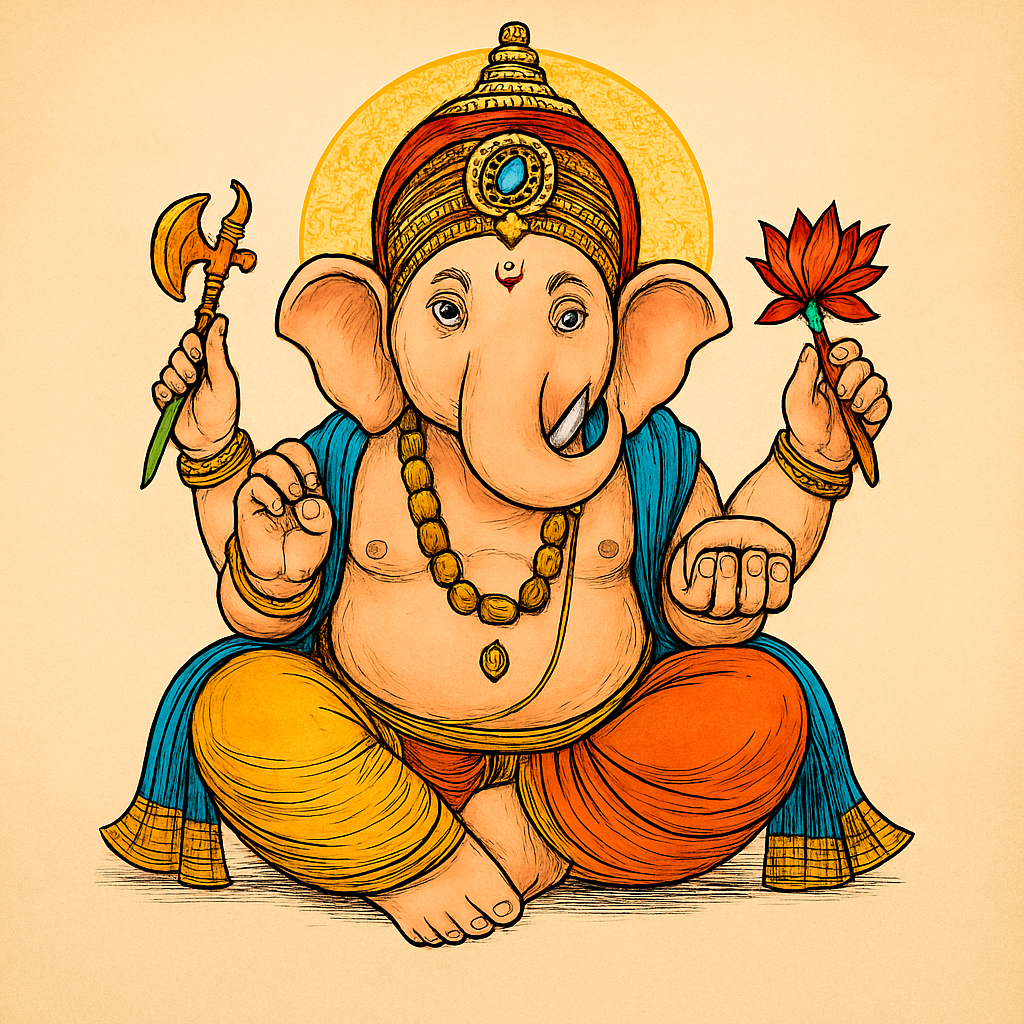
About the Author Raja Ratnam is a passionate researcher and writer specialising in Indian mythology and epic stories.With years of experience studying texts like Ramayana, Mahabharata, Ekadanta (The One with a Single Tusk) and other cultural scriptures,He brings insightful interpretations and practical lessons from these timeless stories. Raja Ratnam believes in making mythology accessible and meaningful for modern readers,helping them understand the moral, ethical, and cultural significance behind characters likeRamudu, Laxman, Shani Deva, and many more. Connect with the author: info@ratnamstrategy.com Introduction to Ekadanta (The One with a Single Tusk) – The Sacred Form of Lord Ganesha Ekadanta (The One with a Single Tusk):The Hindu god Ganesha is revered as the remover of obstacles, the god of beginnings, and the embodiment of wisdom. Among his many forms, Ekadanta, meaning “The One with a Single Tusk,” holds a special place. Worshipping Ekadanta is believed to enhance focus, patience, and self-control, qualities essential for both spiritual and worldly success.As a symbol of sacrifice and discernment, it represents keeping what is good and discarding what is bad. The Literal Meaning of “Ekadanta”The name Ekadanta comes from two Sanskrit words: Eka – meaning one Danta – meaning tusk or tooth Together, they form “One…
- Lord Ganesha , Mythology
- August 10, 2025
- 337 views
Vakratunda Ganapathi – The Symbol of Overcoming All Challenges
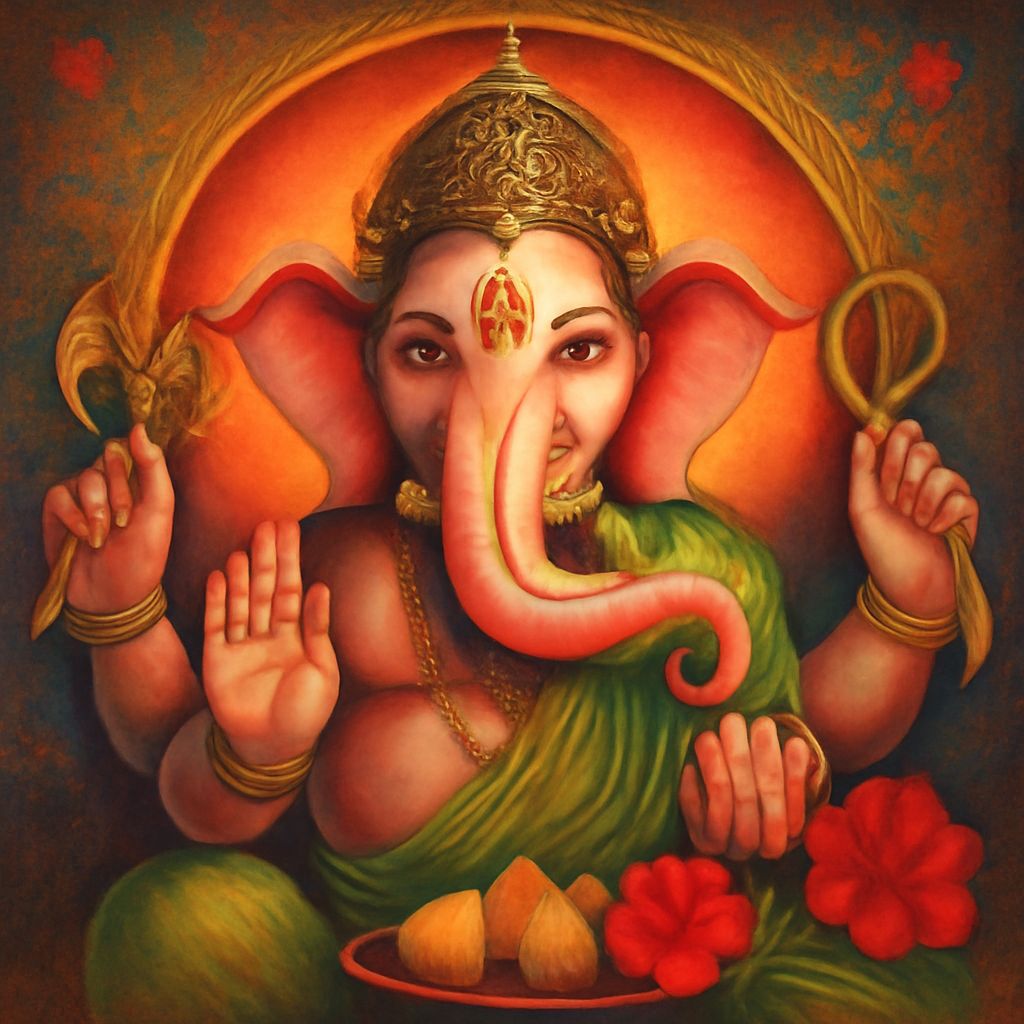
About the Author Raja Ratnam is a passionate researcher and writer specializing in Indian mythology and epic stories.With years of experience studying texts like Ramayana, Mahabharata, Vakratunda Ganapathi and other cultural scriptures,He brings insightful interpretations and practical lessons from these timeless stories. Raja Ratnam believes in making mythology accessible and meaningful for modern readers,helping them understand the moral, ethical, and cultural significance behind characters likeRamudu, Laxman, Shani Deva, and many more. Connect with the author: info@ratnamstrategy.com Vakratunda Ganapathi is a special form of Lord Ganesha that reminds us that no obstacle is too complicated for us to handle. Even his name says it all — Vakra means “curved” and Tunda means “trunk,” symbolizing life’s twists and turns. His bent trunk is like a message that the road may not always be straight, but if we keep going, we’ll win in the end. In this form, Ganesha holds an ankusha to guide us in the right direction and a pasha (noose) to pull away negativity. His calm, peaceful expression shows pure strength and inner balance. Praying to Vakratunda Ganapathi is believed to clear big hurdles from our path and fill us with courage, focus, and determination to succeed in whatever we…
- Lord Ganesha , Mythology
- July 31, 2025
- 530 views
About Lord Ganesh – The Beloved Remover of Obstacles and God of Wisdom
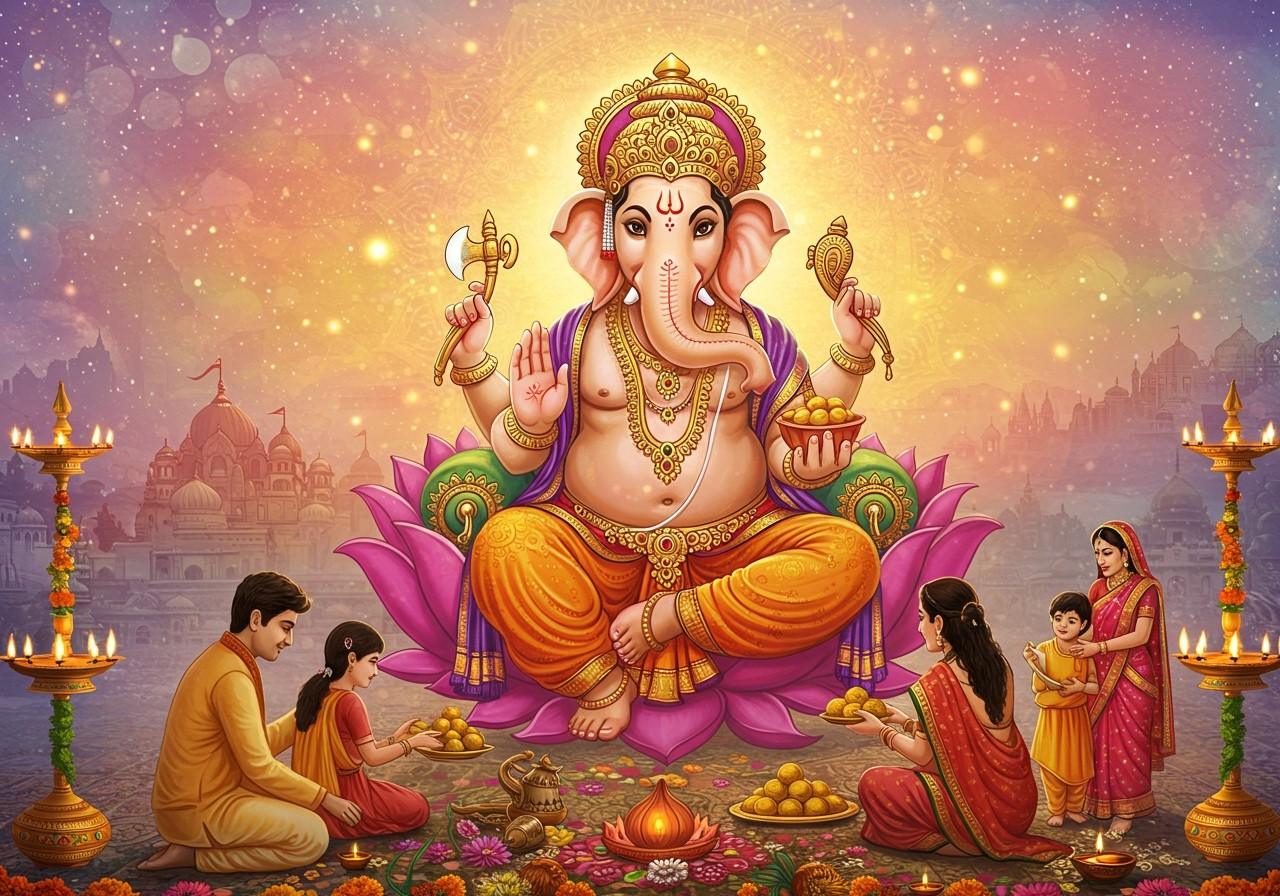
About the Author Raja Ratnam is a passionate researcher and writer specialising in Indian mythology and epic stories.With years of experience studying texts like Ramayana, Mahabharata, about lord Ganesh and other cultural scriptures,He brings insightful interpretations and practical lessons from these timeless stories. Raja Ratnam believes in making mythology accessible and meaningful for modern readers,helping them understand the moral, ethical, and cultural significance behind characters likeRamudu, Laxman, Shani Deva, and many more. Connect with the author: info@ratnamstrategy.com About lord Ganesh. There are several names for Lord Ganesha, including Ganapati, Vinayaka, and simply Ganesha, but he is one of the most revered and loved Hindu gods. Instantly recognizable by his elephant head, Ganesha is more than just a divine figure—he is a powerful symbol of wisdom, new beginnings, intellect, prosperity, and the removal of obstacles. From bustling Indian temples to quiet home shrines, from art galleries to school books, Ganesha’s presence is felt deeply in Hindu culture and beyond. But what makes him so special? Let’s explore the origins, symbolism, stories, and significance of this iconic deity. The Divine Birth of About lord Ganesh According to popular Hindu mythology, Lord Ganesha was created by Goddess Parvati, the consort of Lord Shiva.…