Admin
- Lord Ganesha
- August 31, 2025
- 231 views
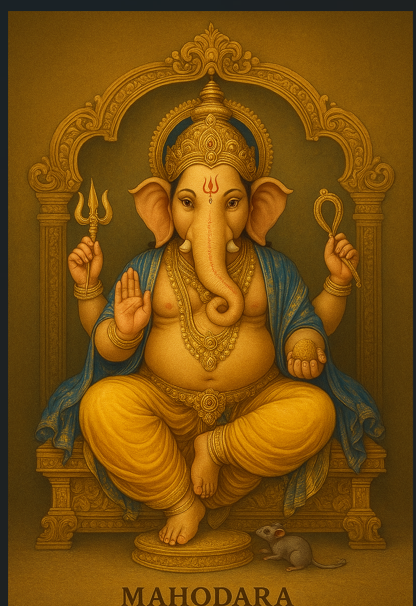
Mahodara Avatar of Lord Ganesha – Story, Symbolism & Significance
About the Author Raja Ratnam is a passionate researcher and writer specialising in Indian mythology and epic stories.With years of experience studying texts like Ramayana, Mahabharata, Mahodara Avatar of Ganesha and other cultural scriptures,he brings insightful interpretations and practical lessons from these timeless stories. Raja Ratnam believes in making mythology accessible and meaningful for modern readers,helping them understand the moral, ethical, and cultural significance behind characters likeRamudu, Laxman, Shani Deva, and many more. Connect with the author: info@ratnamstrategy.com Mahodara Avatar of Ganesha: lord Ganesha, the remover of obstacles, is worshipped in nine divine forms known as the Navavatars of Ganesha. Each avatar manifests to defeat a particular evil force and teach humanity a higher spiritual lesson. Among them, the Mahodara Avatar is especially revered for symbolizing wisdom, prosperity, and the balance of human desires. The word Mahodara combines Maha (great) and Udara (belly), meaning “the one with the great belly.” Far from being a symbol of gluttony, the big belly carries profound spiritual meaning—it represents the entire universe and the ability to absorb both good and bad energies without disturbance. Mahodara Avatar of Ganesha: The Story of Mahodara Avatar The Mudgala Purana, a sacred text dedicated to Lord Ganesha, narrates…
- Lord Ganesha
- August 25, 2025
- 266 views
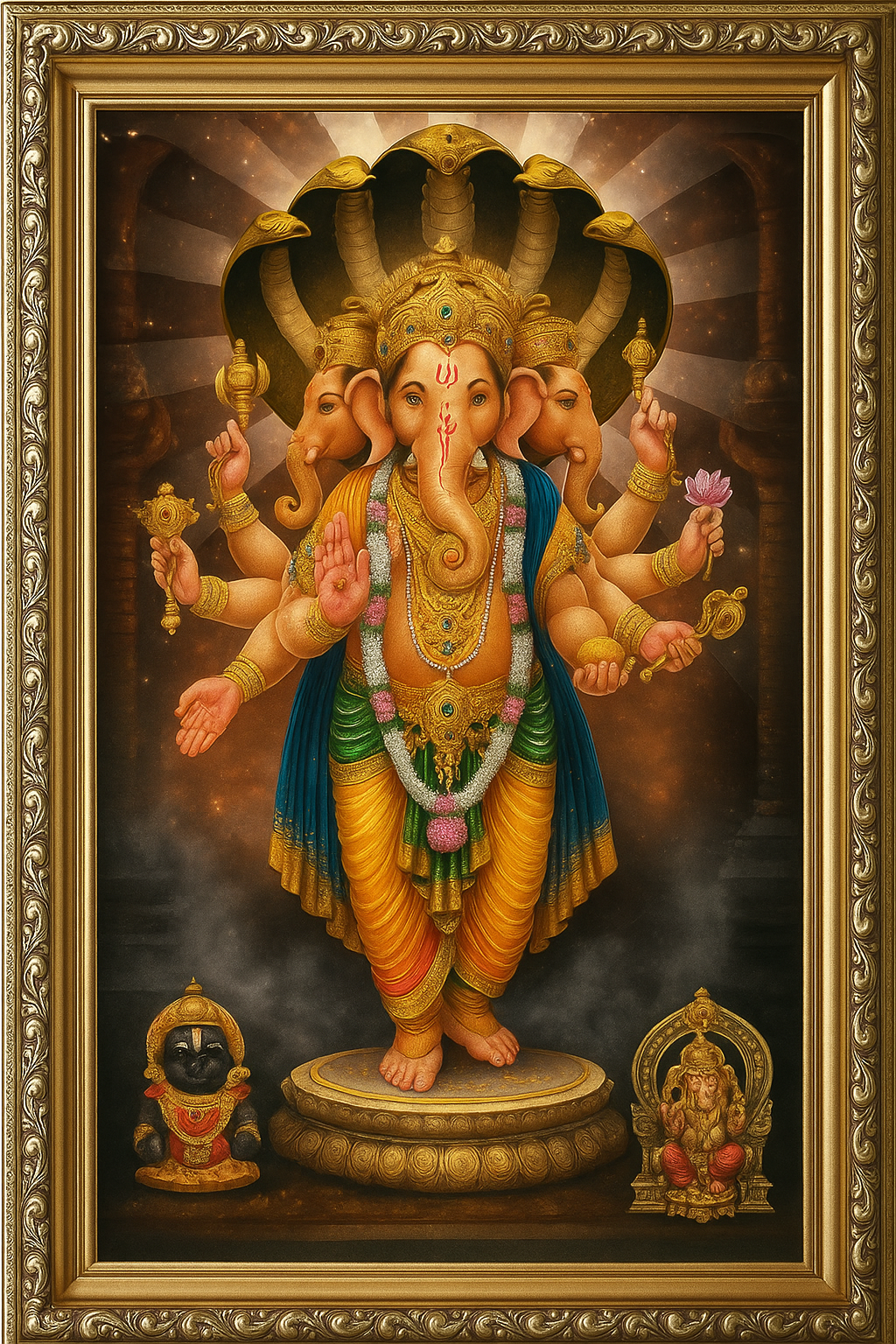
Khairatabad Ganesh – This Pandal is Legendary in Hyderabad
About the Author Raja Ratnam is a passionate researcher and writer specialising in Indian mythology and epic stories.With years of experience studying texts like Ramayana, Mahabharata, Khairatabad Ganesh 2025 and other cultural scriptures,He brings insightful interpretations and practical lessons from these timeless stories. Raja Ratnam believes in making mythology accessible and meaningful for modern readers,helping them understand the moral, ethical, and cultural significance behind characters likeRamudu, Laxman, Shani Deva, and many more. Connect with the author: info@ratnamstrategy.com Introduction to Khairatabad Ganesh 2025 Khairatabad Ganesh 2025: The Khairatabad Ganesh pandal is not just a festive attraction in Hyderabad—it is a cultural landmark that has become synonymous with the grandeur of Ganesh Chaturthi celebrations in Telangana. For 2025, the organizers have unveiled an awe-inspiring 69-feet tall eco-friendly idol, crafted with the theme “Sri Vishwashanthi Maha Shakthi Ganapathy.” This magnificent creation is being sculpted entirely from natural clay, reflecting both tradition and environmental consciousness. There are millions of devotees and visitors at this Ganesh pandal every year, making it one of the most popular pandals in the country. Known for its gigantic idols, intricate themes, and spiritual aura, Khairatabad Ganesh continues to set benchmarks in devotion and artistry. Khairatabad Ganesh 2025:The Significance of…
- Lord Ganesha , Mythology
- August 19, 2025
- 294 views
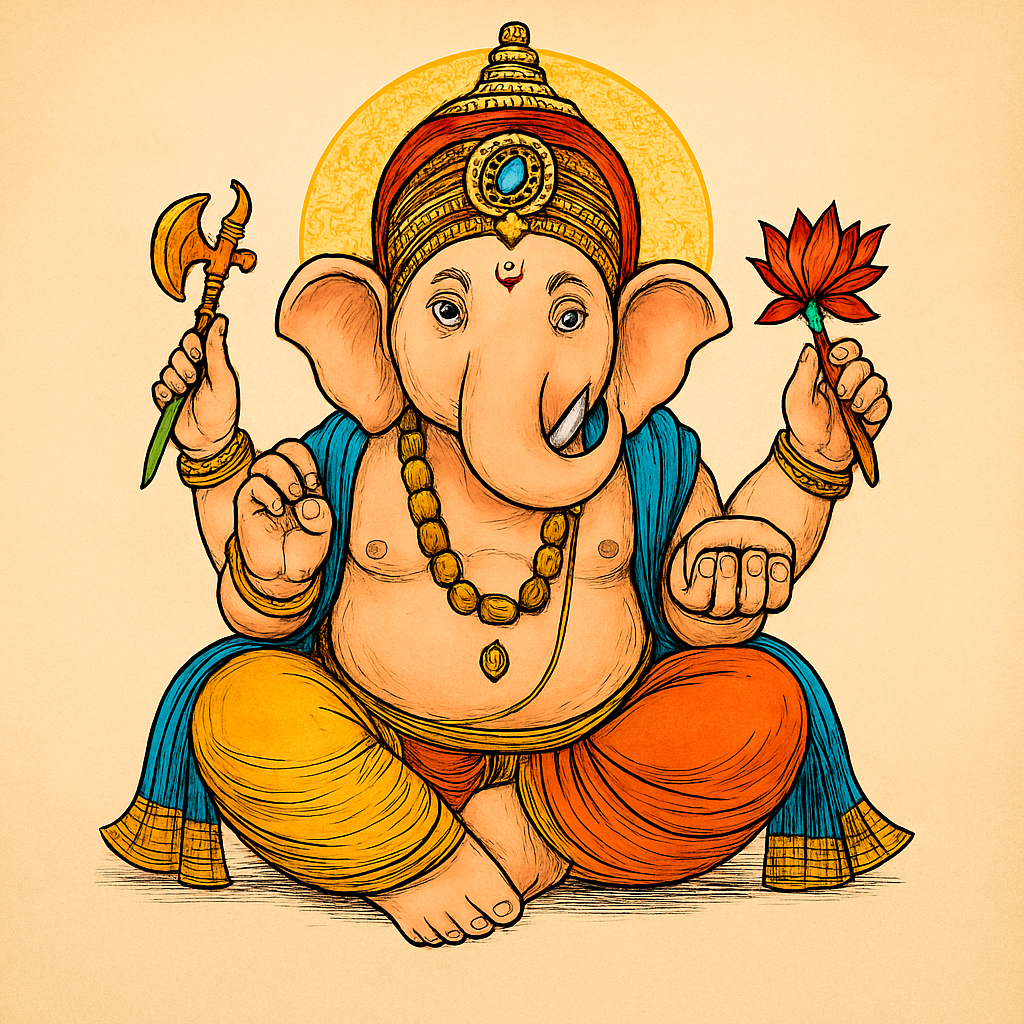
Ekadanta (The One with a Single Tusk): Meaning, Symbolism & Benefits
About the Author Raja Ratnam is a passionate researcher and writer specialising in Indian mythology and epic stories.With years of experience studying texts like Ramayana, Mahabharata, Ekadanta (The One with a Single Tusk) and other cultural scriptures,He brings insightful interpretations and practical lessons from these timeless stories. Raja Ratnam believes in making mythology accessible and meaningful for modern readers,helping them understand the moral, ethical, and cultural significance behind characters likeRamudu, Laxman, Shani Deva, and many more. Connect with the author: info@ratnamstrategy.com Introduction to Ekadanta (The One with a Single Tusk) – The Sacred Form of Lord Ganesha Ekadanta (The One with a Single Tusk):The Hindu god Ganesha is revered as the remover of obstacles, the god of beginnings, and the embodiment of wisdom. Among his many forms, Ekadanta, meaning “The One with a Single Tusk,” holds a special place. Worshipping Ekadanta is believed to enhance focus, patience, and self-control, qualities essential for both spiritual and worldly success.As a symbol of sacrifice and discernment, it represents keeping what is good and discarding what is bad. The Literal Meaning of “Ekadanta”The name Ekadanta comes from two Sanskrit words: Eka – meaning one Danta – meaning tusk or tooth Together, they form “One…
- Lord Ganesha , Mythology
- August 10, 2025
- 244 views
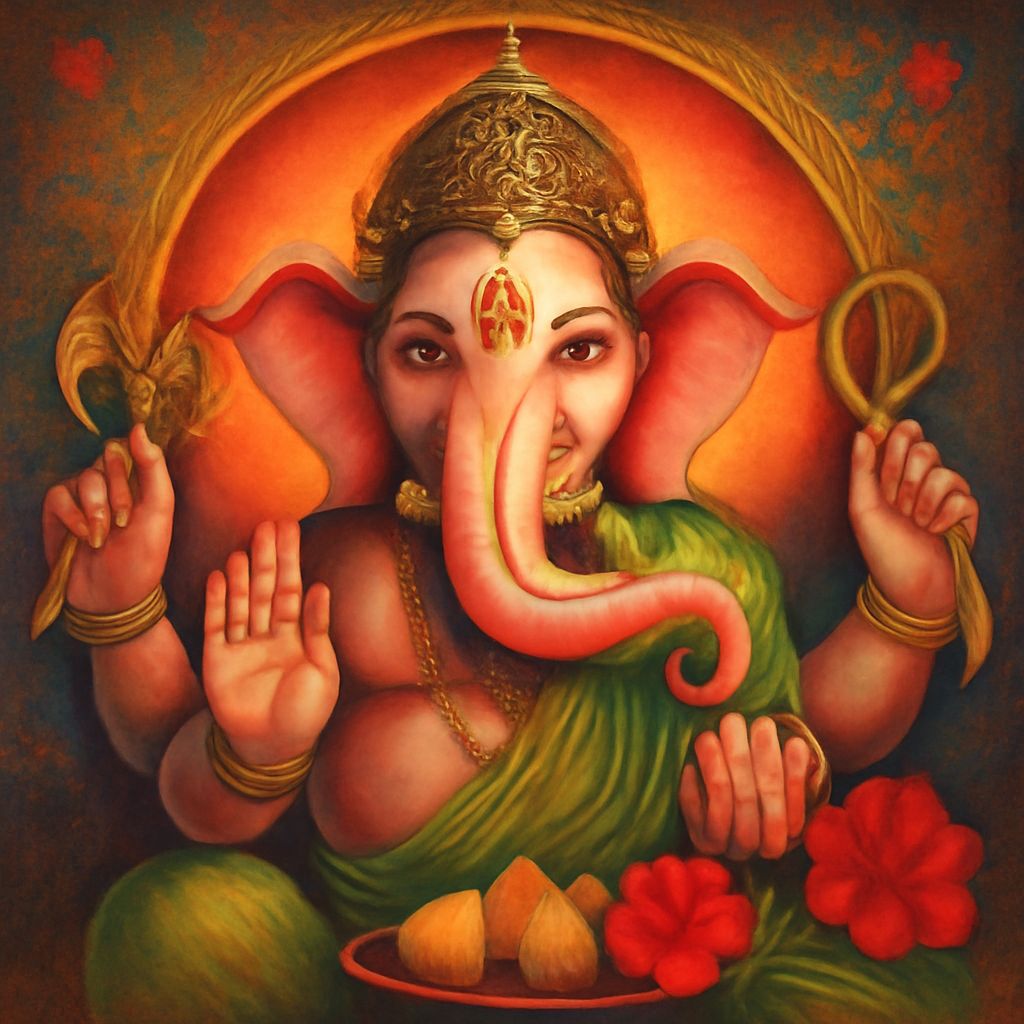
Vakratunda Ganapathi – The Symbol of Overcoming All Challenges
About the Author Raja Ratnam is a passionate researcher and writer specializing in Indian mythology and epic stories.With years of experience studying texts like Ramayana, Mahabharata, Vakratunda Ganapathi and other cultural scriptures,He brings insightful interpretations and practical lessons from these timeless stories. Raja Ratnam believes in making mythology accessible and meaningful for modern readers,helping them understand the moral, ethical, and cultural significance behind characters likeRamudu, Laxman, Shani Deva, and many more. Connect with the author: info@ratnamstrategy.com Vakratunda Ganapathi is a special form of Lord Ganesha that reminds us that no obstacle is too complicated for us to handle. Even his name says it all — Vakra means “curved” and Tunda means “trunk,” symbolizing life’s twists and turns. His bent trunk is like a message that the road may not always be straight, but if we keep going, we’ll win in the end. In this form, Ganesha holds an ankusha to guide us in the right direction and a pasha (noose) to pull away negativity. His calm, peaceful expression shows pure strength and inner balance. Praying to Vakratunda Ganapathi is believed to clear big hurdles from our path and fill us with courage, focus, and determination to succeed in whatever we…
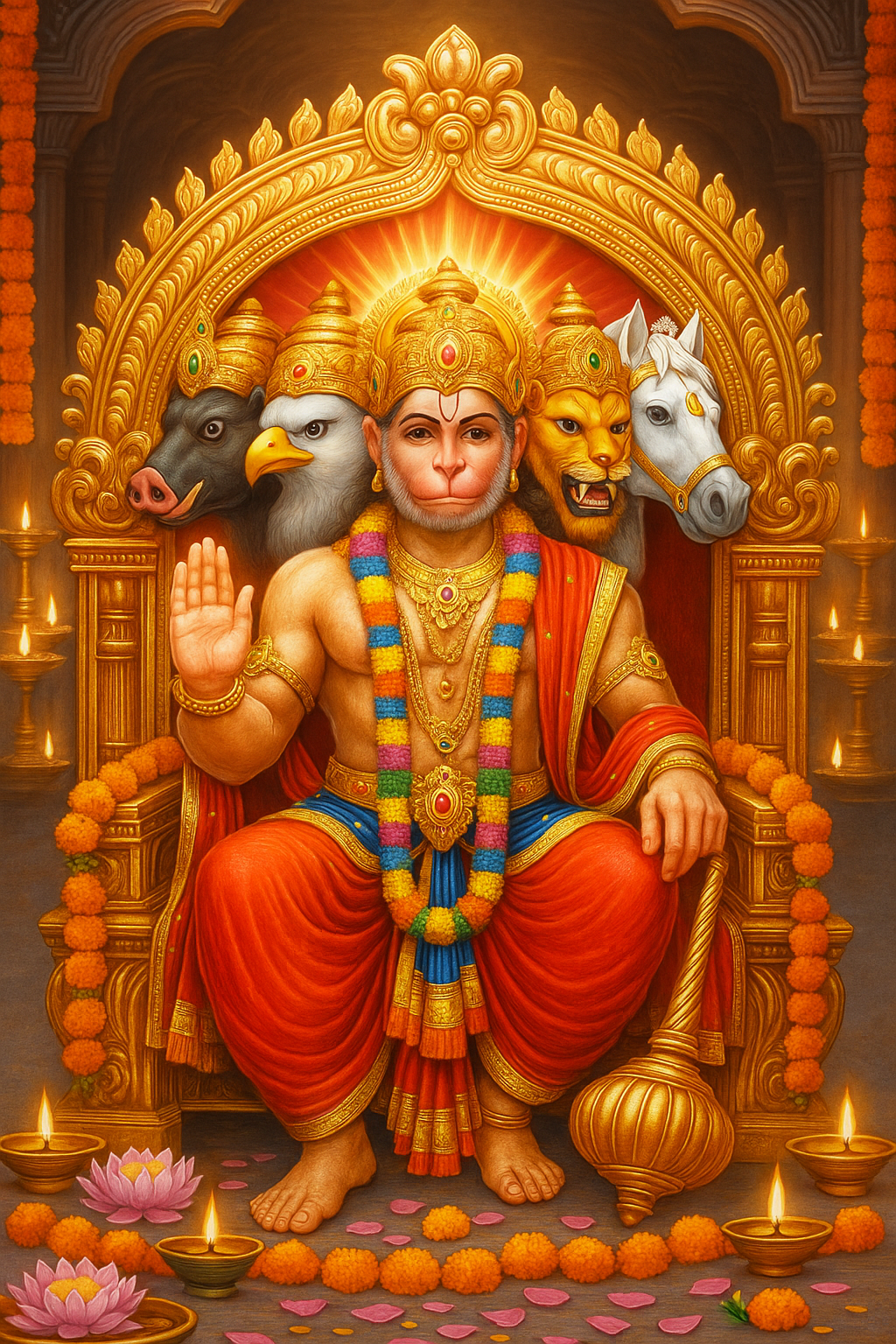
Hanuman: The Ramayana – The Unmatched Hero of the Ramayana
About the Author Raja Ratnam is a passionate researcher and writer specialising in Indian mythology and epic stories.With years of experience studying texts like Ramayana, Mahabharata, Hanuman: The Ramayana and other cultural scriptures,He brings insightful interpretations and practical lessons from these timeless stories. Raja Ratnam believes in making mythology accessible and meaningful for modern readers,helping them understand the moral, ethical, and cultural significance behind characters likeRamudu, Laxman, Shani Deva, and many more. Connect with the author: info@ratnamstrategy.com Hanuman: The Ramayana The Hindu god Hanuman, also known as Anjaneya, Bajrangbali, and Pavanputra, is one of the most beloved and revered figures in Hindu mythology. Celebrated for his unwavering devotion to Lord Rama, unparalleled strength, and selfless service, Hanuman plays a pivotal role in the epic Ramayana. From leaping across the ocean to Lanka in search of Sita to burning down the city of Ravana, his courage and loyalty continue to inspire millions. Hanuman: The Ramayana – In this comprehensive article, we explore Hanuman’s origins, key exploits, symbolism, and spiritual significance, uncovering why he remains a timeless symbol of devotion and heroism. Hanuman: The Ramayana in Modern Devotion The Hindu deity Hanuman is one of the most widely venerated in modern Hinduism.…