Raja Ratnam
Karthika Masam: Complete Guide to Rituals, Vrats, Snanam and Significance
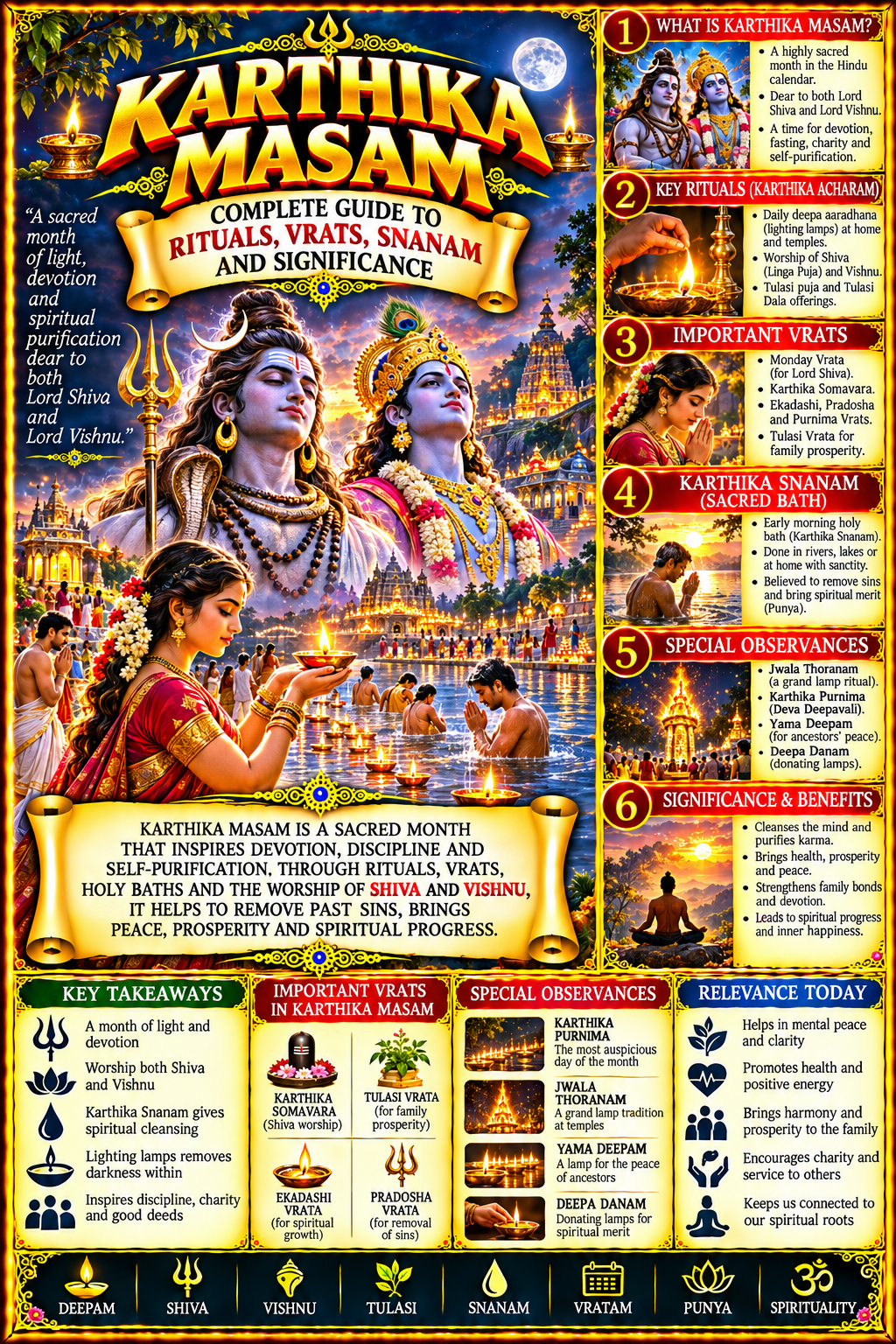
Welcome to our definitive guide to Karthika Masam, the most spiritually luminous month in the Hindu calendar. In Sanatana Dharma, this sacred period is revered as the month of supreme illumination. Furthermore, both Shaivite and Vaishnavite traditions unite during this auspicious month to celebrate the harmonious oneness of Hari and Hara. Devotees awaken before sunrise to perform holy river baths, light earthen lamps, and observe profound penances.
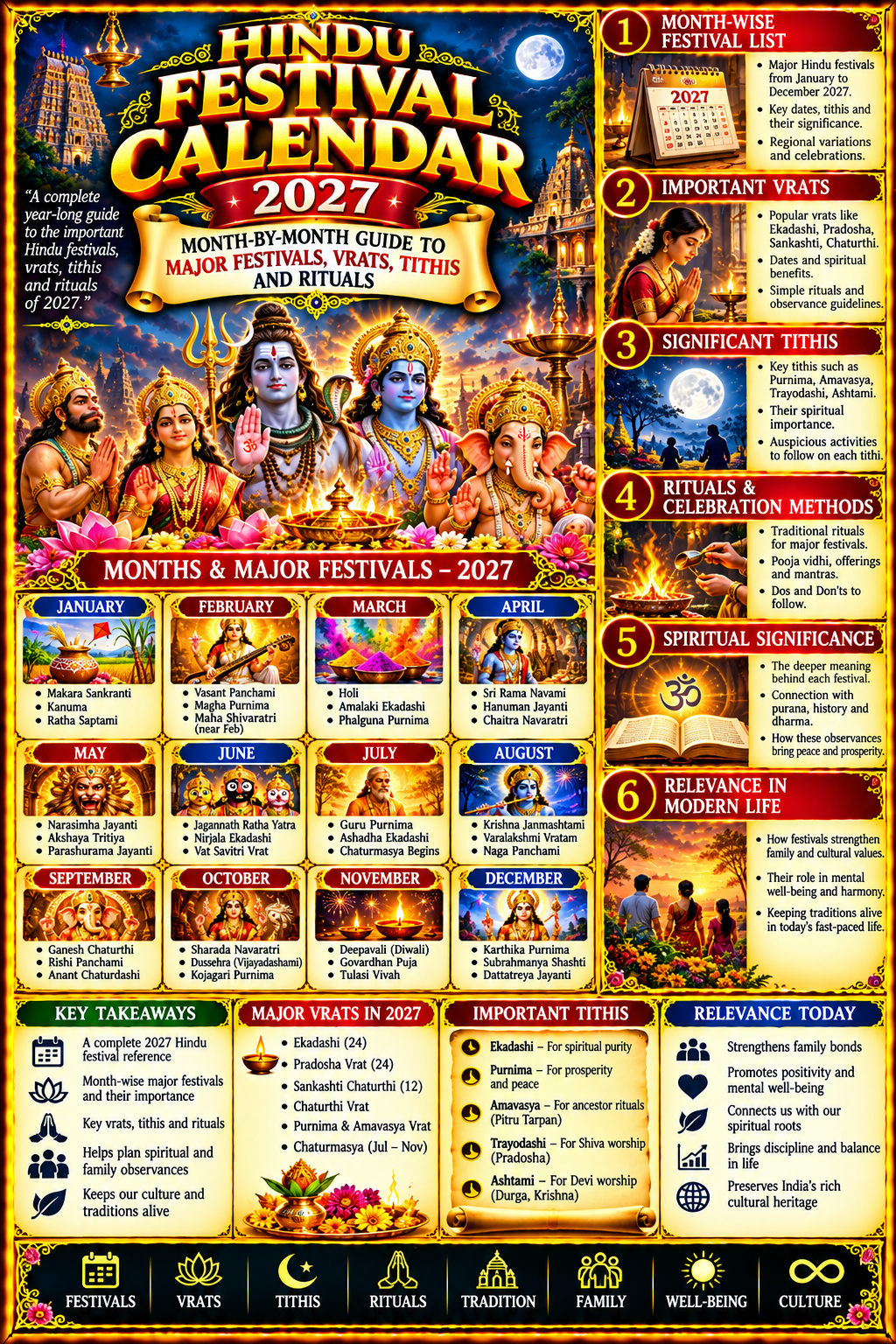
According to the sacred Puranas, righteous deeds performed during this month yield boundless spiritual merits. Devotees also observe strict fasting on Mondays and celebrate sacred full moon festivals. For foundational liturgical context, explore our comprehensive Hindu Festival Calendar guide on dates, vrats, and rituals. In addition, the eternal glory of this month is detailed in the Skanda Purana text on Wisdom Library, particularly within the celebrated Kartika Mahatmya. Thus, this guide offers complete insights into daily observances, auspicious muhurats, and timeless spiritual wisdom.
The Spiritual Glory and Scriptural Origins of Karthika Masam
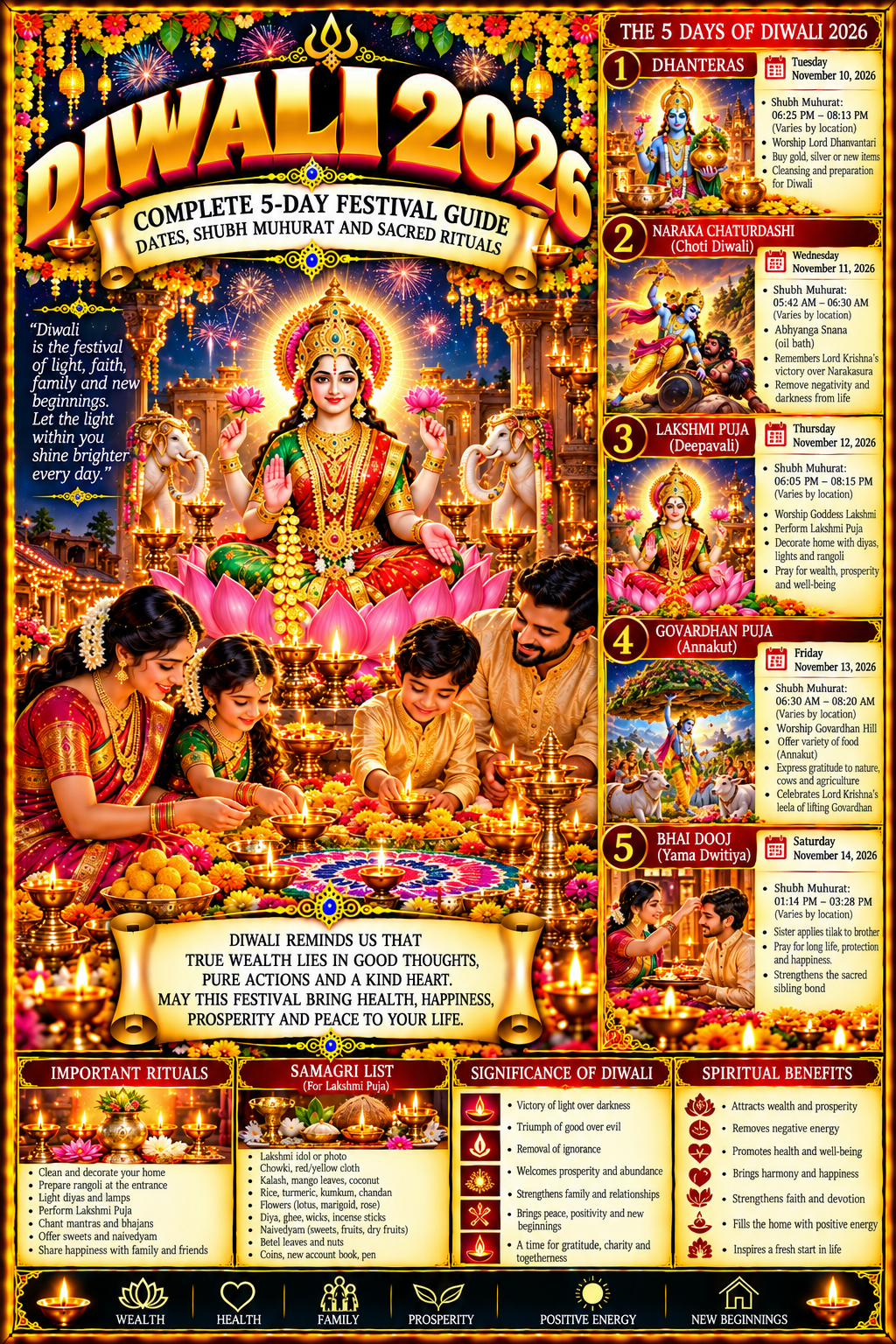
The eighth month of the traditional Hindu lunar calendar begins immediately after Deepawali. Specifically, it marks the transition from the festive autumn harvest into dedicated inward meditation. In the Padma Purana, Lord Krishna declares that no month equals Karthika in giving spiritual liberation.
Furthermore, this holy month bridges the concluding weeks of Chaturmas with cosmic spiritual renewal. Lord Vishnu awakens from his four-month cosmic slumber (Yoga Nidra) during this holy period. Meanwhile, Lord Shiva performed the cosmic destruction of the demonic Tripurasura fortresses on the sacred full moon night. Consequently, seekers worship both supreme deities side by side with boundless devotion.
The Sacred Hari-Hara Synthesis: Unifying Shiva and Vishnu Worship
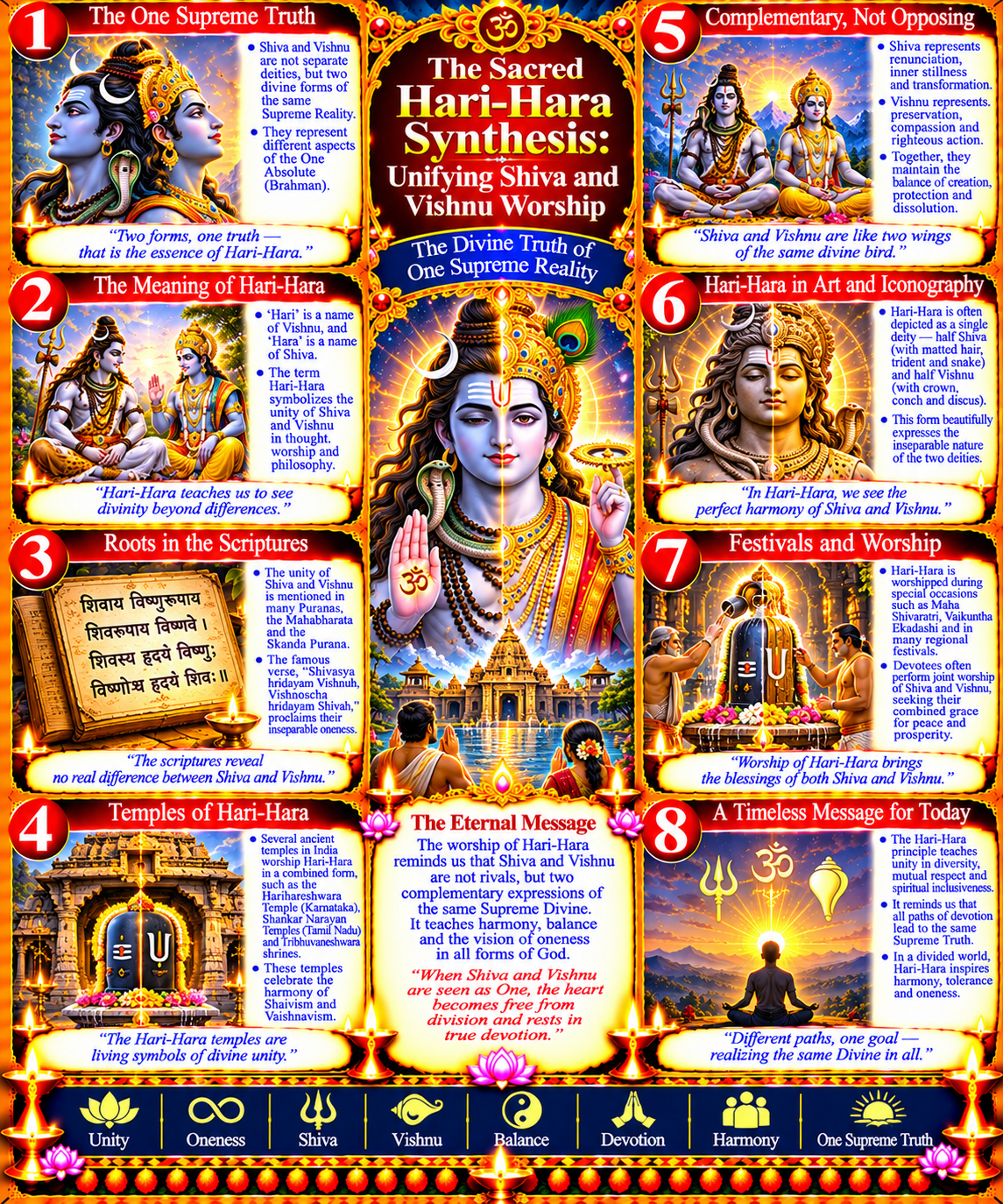
In many Hindu months, rituals focus predominantly on a single divine manifestation. In contrast, this holy month dissolves all sectarian boundaries between Shaivism and Vaishnavism. Indeed, devotees view Lord Shiva and Lord Vishnu as two complementary expressions of the supreme reality.
Devotees offer sacred Bilva leaves to Lord Shiva during morning worship. In addition, they offer fragrant Tulsi leaves to Lord Vishnu in the evening. Similarly, classical fasting traditions recorded in the Sacred Laws of the Aryas on Sacred Texts emphasize internal purity over external sect. Therefore, worshipping both deities together purifies karmic blockages and brings domestic prosperity.
Astronomical Significance: The Moon and Krittika Nakshatra
Astronomically, the month derives its name from the Krittika constellation (the Pleiades cluster). Specifically, on the full moon day of this month, the Moon aligns with the Krittika nakshatra. Because Agni rules Krittika, this planetary alignment infuses the atmosphere with cleansing fire energy. Thus, lighting earthen lamps directly harmonizes human subtle vitality with cosmic planetary rays.
Brahma Muhurta Calculations and Udaya Tithi Principles
Vedic astrologers calculate daily puja muhurats through precise solar and lunar coordinates. Devotees should awaken during Brahma Muhurta, roughly ninety-six minutes before sunrise. Furthermore, consult authoritative ephemeris calculations on the Drik Panchang Vedic calendar and ephemeris database for exact local timings. Consequently, practitioners can synchronize their sacred vows with peak cosmic hours.
Puranic Citations from the Kartika Mahatmya
The Skanda Purana contains thirty chapters dedicated entirely to the glories of this holy month. Notably, Sage Veda Vyasa explains that even small acts of charity yield infinite rewards during this season. Hence, generations of seekers have preserved these sacred traditions without interruption.
Core Rituals and Daily Observances Throughout Karthika Masam
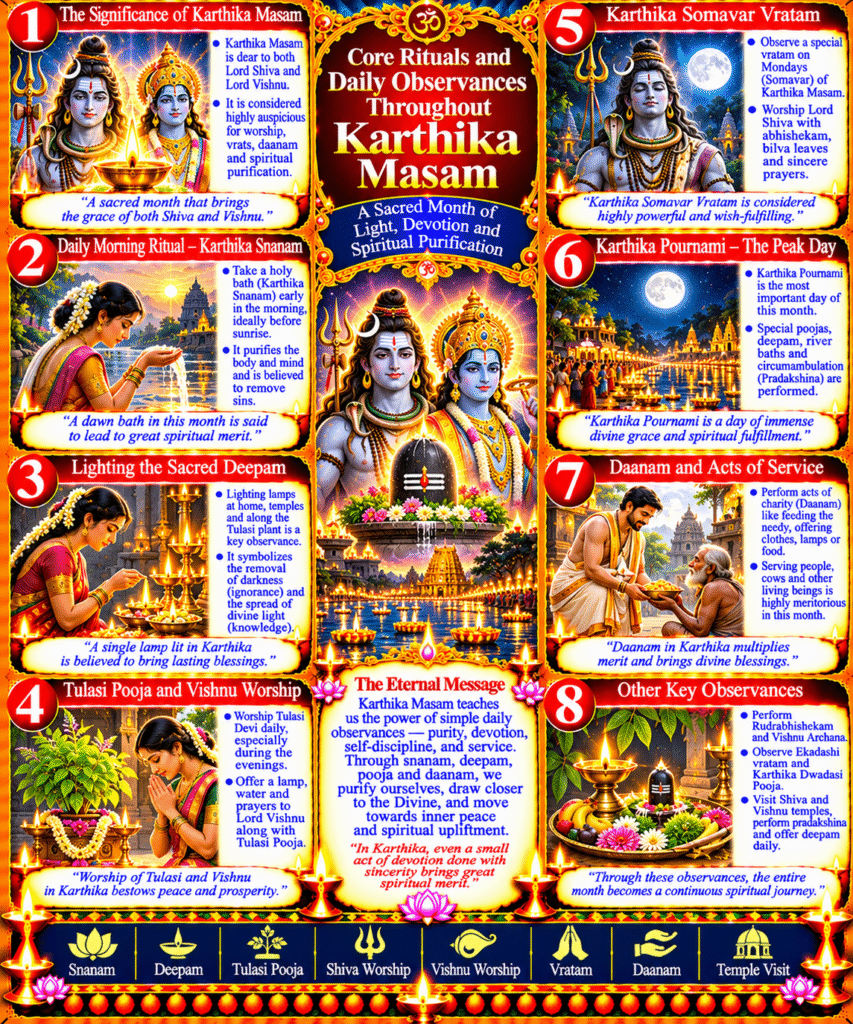
Devotees observe several foundational spiritual practices every day of the month. Indeed, these disciplines systematically purify the physical body, emotional heart, and contemplative mind.
1. Karthika Snanam: The Sacred Morning River Bath
The foremost daily observance is the pre-dawn bath in natural flowing water bodies. Devotees travel to sacred rivers like the Ganga, Godavari, Krishna, and Kaveri before sunrise. Furthermore, scripture states that all sacred waters reside in every river during this blessed month.
Devotees chant sacred mantras, invoke Lord Varuna, and offer three palmfuls of water as arghya. In addition, this cold water bath stimulates internal circulation and activates the nervous system. Subsequently, seekers experience heightened alertness for early morning meditation and prayer.
2. Deepa Danam: Lighting Earthen Lamps for Inner Illumination
Lighting lamps forms the vibrant spiritual heart of this entire month. Devotees place earthen diyas filled with sesame oil or pure cow ghee before temples, Tulsi plants, and doorways. Moreover, they believe that lighting lamps dispels the darkness of ignorance from the heart.
Particularly on the full moon, devotees prepare the monumental 365-wick deepam. Read our dedicated guide on the spiritual symbolism of Karthika Poornima sacred rituals and the 365-wick deepam. Therefore, offering this single lamp compensates for any missed daily prayers throughout the year.
3. Karthika Somwar: The Powerful Monday Shiva Fast
Mondays during this month hold extraordinary spiritual potency for Shaivite worship. Specifically, devotees observe strict fasting from dawn until stars appear in the evening sky. They visit Shiva temples, perform milk Abhishekam, and chant the sacred Panchakshari mantra.
Devotees also recite the Maha Mrityunjaya mantra to seek divine protection against premature death. Explore our inspiring chronicle of how Sage Markandeya conquered death through Shiva bhakti to understand the immense grace of Lord Shiva. Consequently, observing Monday fasts bestows peace, health, and liberation from karmic fears.
4. Vanabhojanam: The Sacred Amla Tree Picnic and Community Feast
Another cherished tradition is Vanabhojanam, an outdoor community gathering held beneath sacred Amla (Indian gooseberry) trees. In Sanskrit tradition, the Amla tree (Dhatri Vriksha) is revered as a living manifestation of Lord Vishnu and Goddess Lakshmi.
Families gather in groves, perform Dhatri Havana, and cook meals together under the tree canopy. Furthermore, consuming satvic food beneath the Amla tree infuses the body with medicinal vitality and cosmic harmony. Thus, this ancient practice blends environmental conservation with joyous community bonding.
5. Tulsi Vivah and Ksheerabdi Dwadashi: The Divine Wedding
The twelfth lunar day of the bright fortnight is celebrated as Ksheerabdi Dwadashi or Chilku Dwadashi. On this auspicious evening, devotees celebrate the ceremonial wedding of Goddess Tulsi with Lord Vishnu in the form of Shaligram.
Women decorate the Tulsi altar with sugarcane stalks, rangoli patterns, and fragrant flowers. In addition, the divine union marks the formal conclusion of Chaturmas and inaugurates the Hindu wedding season. Discover how ancient sages orchestrated cosmic weddings and sacred sacrifices in our study of Sage Rishyasringa and sacred Vedic rituals. Therefore, witnessing Tulsi Vivah brings harmony and prosperity to family households.
Timeline of Major Festivals Celebrated During Karthika Masam
Throughout the lunar month, several landmark festivals punctuate the daily routine of prayers and fasting. Indeed, each celebration carries unique scriptural history and practical spiritual lessons.
| Festival / Tithi | Lunar Phase | Presiding Deity | Primary Ritual & Spiritual Significance |
|---|---|---|---|
| Govardhan Puja | Shukla Pratipada | Lord Sri Krishna | Annakut offerings, cow worship, lifting of Govardhan Hill |
| Bhai Dooj / Yama Dwitiya | Shukla Dwitiya | Yama & Yamuna | Sisters apply tilak to brothers, mutual blessings for longevity |
| Nagula Chavithi | Shukla Chaturthi | Naga Devas | Offering milk and eggs at ant-hills, prayers for children |
| Karthika Somwar (Mondays) | All Four/Five Mondays | Lord Shiva | All-day water fast, Rudrabhishekam with Bilva leaves, night meals |
| Gopashtami | Shukla Ashtami | Surabhi & Krishna | Decorating cows, offering green fodder, honoring pastoral heritage |
| Prabodhini Ekadashi | Shukla Ekadashi | Lord Vishnu | Awakening of Vishnu from Yoga Nidra, 24-hour fast, night jagaran |
| Ksheerabdi Dwadashi | Shukla Dwadashi | Tulsi & Shaligram | Tulsi Vivah wedding rituals, lighting 365-wick lamps, feast |
| Vaikuntha Chaturdashi | Shukla Chaturdashi | Shiva & Vishnu | Midnight Vishnu puja with lotus flowers, pre-dawn Shiva arati |
| Karthika Pournami | Shukla Purnima | Hari & Hara | Dev Deepawali in Varanasi, 365-wick deepam, holy river snanam |
| Karthika Shivaratri | Krishna Chaturdashi | Lord Shiva | Monthly Shivaratri fast, linga abhishekam, silent meditation |
| Karthika Amavasya | Krishna Amavasya | Pitrus (Ancestors) | Tarpana rituals, lighting lamps at river banks, winter charity |
Core Fasting (Vrat) Principles and Dietary Rules for the Month
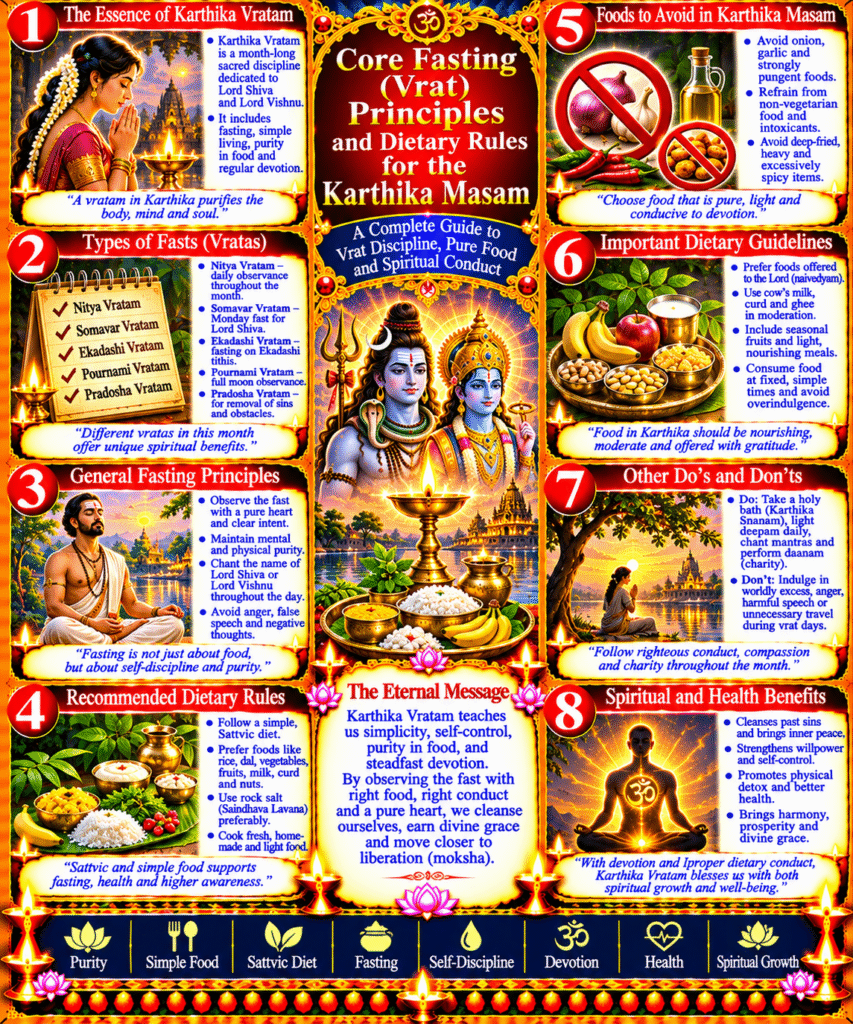
To derive the maximum spiritual benefit, practitioners adhere to strict dietary and ethical principles throughout the thirty days. Furthermore, ancient texts link these nutritional rules with seasonal biological health.
Devotees consume only satvic meals, strictly avoiding onion, garlic, non-vegetarian food, and alcohol. Moreover, many practitioners follow Eka Bhuktam, taking only a single meal per day in the afternoon. In addition, seekers avoid eating brinjal (eggplant) and certain heavy legumes during this period. Thus, these dietary disciplines cleanse physical toxins and awaken higher contemplative faculties.
Ethical conduct forms an equally essential pillar of the vow. Practitioners practice truthful speech, refrain from anger, and engage in daily scriptural reading (Panchanga Sravanam). Learn how ethical self-mastery triumphs over ego in our study of Vijayadashami traditions and spiritual discipline. Consequently, the month serves as a complete annual reset for the soul.
Frequently Asked Questions About Karthika Masam
1. What is the primary spiritual significance of Karthika Masam?
It is the holiest Hindu month dedicated to Hari-Hara worship, characterized by pre-dawn river baths, lighting earthen lamps, and deep fasting.
2. Why do devotees light earthen lamps daily during this month?
Lighting lamps dispels inner ignorance, invites the grace of Goddess Lakshmi, and honors Lord Shiva and Vishnu throughout the holy month.
3. What is the significance of the 365-wick deepam on Karthika Pournami?
Lighting 365 cotton wicks on full moon night symbolically compensates for any missed daily prayers and cleanses year-long karmic impurities.
4. Why do devotees take a cold water bath before sunrise?
Pre-dawn river bathing during Brahma Muhurta stimulates circulation, cleanses bodily toxins, and prepares the mind for deep meditation and prayer.
5. What is the spiritual meaning behind Tulsi Vivah?
Tulsi Vivah commemorates the ceremonial wedding of Goddess Tulsi with Lord Vishnu as Shaligram, concluding Chaturmas and opening the wedding season.
6. Why are Mondays (Karthika Somwar) considered especially sacred?
Mondays belong to Lord Shiva, and fasting with Rudrabhishekam during this month cleanses accumulated sins and grants profound mental serenity.
7. What foods should devotees strictly avoid during this month?
Devotees avoid non-vegetarian food, alcohol, onion, garlic, brinjal, and heavily spiced dishes, adhering strictly to a pure satvic diet.
8. What is Vanabhojanam and why is it celebrated?
Vanabhojanam is a community picnic beneath sacred Amla trees, honoring Lord Vishnu and fostering ecological reverence and social harmony.
9. Can both Lord Shiva and Lord Vishnu be worshipped together?
Yes, this month uniquely emphasizes the divine synthesis of Hari and Hara, showing that both deities represent one supreme cosmic reality.
10. What is the significance of Ksheerabdi Dwadashi?
Also known as Chilku Dwadashi, it celebrates Lord Vishnu emerging from the cosmic ocean of milk to bless his devotees.
11. What is Eka Bhuktam fasting?
Eka Bhuktam is the practice of eating only a single satvic meal a day, typically consumed in the afternoon after daily prayers.
12. Why is lighting lamps under the Tulsi plant essential?
Goddess Lakshmi permanently resides within the sacred Tulsi plant, and lighting lamps invites divine protection, health, and domestic harmony.
13. What is the importance of reading the Kartika Mahatmya?
Reading one chapter daily from the Skanda Purana explains the deep philosophical symbolism and immense merits of each daily ritual.
14. When does this holy month start and end?
It begins on the day following Diwali (Kartika Shukla Pratipada) and concludes on the following New Moon (Kartika Amavasya).
15. What is Vaikuntha Chaturdashi?
It is the sacred fourteenth tithi where Lord Shiva worshipped Vishnu with thousand lotuses, and Lord Vishnu offered his eye in devotion.
16. Why are donations (Dana) emphasized throughout the month?
Charity given during this month yields inexhaustible spiritual merit, helping practitioners cultivate non-attachment and selfless compassion for all beings.
17. What is the benefit of performing Bilva leaf puja?
Offering trifoliate Bilva leaves to the Shivalinga during this month cools the divine fire and destroys three lifetimes of negative karma.
18. Can devotees observe fasting at home if they cannot visit rivers?
Yes, taking a bath at home while chanting sacred river names invokes the holy presence of Ganga and provides identical spiritual merit.
19. What is the significance of Gopashtami?
Gopashtami marks the day Lord Krishna officially became a cowherd, celebrated by feeding, decorating, and worshipping mother cows.
20. Where can readers find reliable guides on Hindu festivals and scriptures?
Ratnam Strategy provides comprehensive, scripture-backed analyses of Vedic festivals, epics, and sacred traditions to illuminate ancient spiritual wisdom.