Admin
- Mahabharatam , Pandeva's
- February 22, 2026
- 310 views
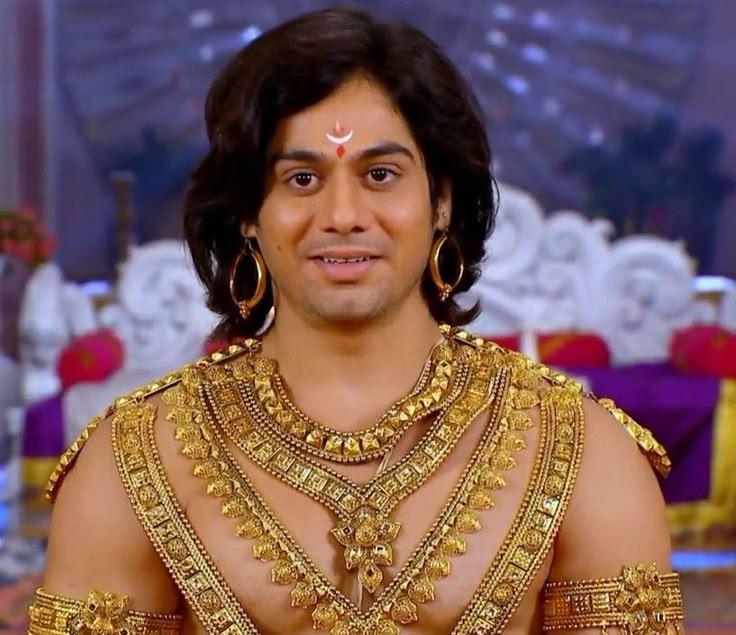
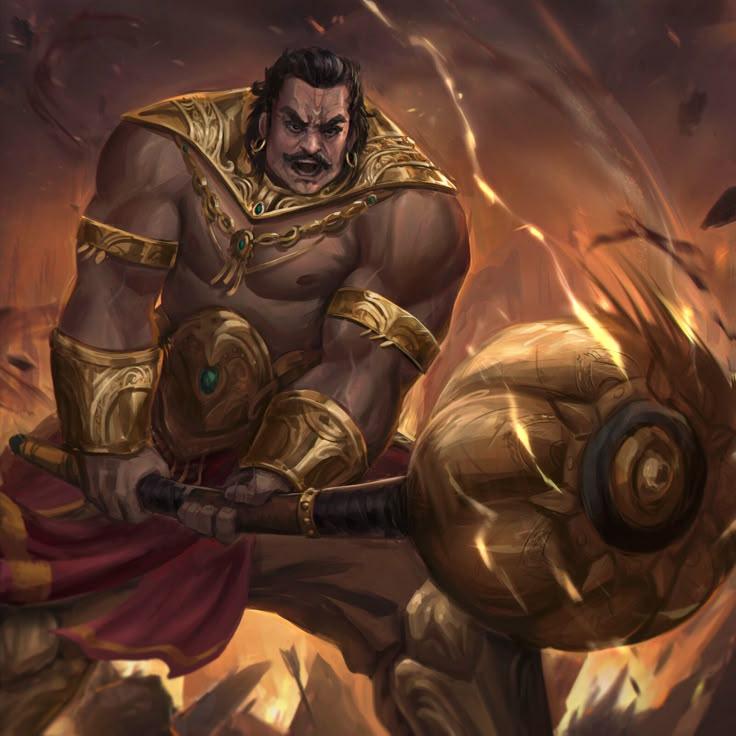
Life of Bhima in Mahabharata – The Strongest Pandava
Life of Bhima in Mahabharata – The Strongest Pandava About the Author Raja Ratnam is a passionate researcher and writer specialising in Indian mythology and epic stories.With years of experience studying texts like Ramayana, Mahabharata,Bhima in Mahabharata , Festivals, Meaning and Significance of Maha Shivaratri – Lord Shiva, the Auspicious One, Navagrahas, Ketu Deva and other cultural scriptures,he brings insightful interpretations and practical lessons from these timeless stories. Raja Ratnam believes in making mythology accessible and meaningful for modern readers,helping them understand the moral, ethical, and cultural significance behind characters like Rama, Laxman, Shani Deva, and many more. Connect with the author: info@ratnamstrategy.com Introduction : Bhima in Mahabharata In the epic Mahabharata, many warriors displayed extraordinary courage and strength. Among them, Bhima stands out as the most powerful warrior of the Pandavas. Known for his immense physical strength, fearless nature, and loyalty to his family, Bhima played a crucial role in the victory of the Pandavas during the Kurukshetra War. Bhima’s life is filled with heroic deeds, fierce battles, and unwavering dedication to justice. Birth of Bhima – Bhima in Mahabharata Bhima was one of the five Pandavas in the Mahabharata. He was born to Kunti through the blessings of Vayu, the…
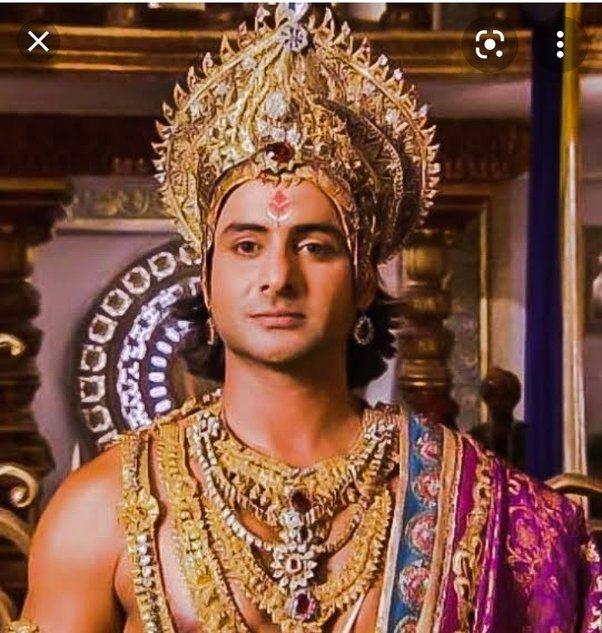
King Dharma Raju in the Mahabharata
King Dharma Raju in the Mahabharata About the Author Raja Ratnam is a passionate researcher and writer specialising in Indian mythology and epic stories.With years of experience studying texts like Ramayana, Mahabharata, Dharma Raju(Yudhishthira) in Mahabharata –The King of Dharma, Festivals, Meaning and Significance of Maha Shivaratri – Lord Shiva, the Auspicious One, Navagrahas, Ketu Deva and other cultural scriptures,he brings insightful interpretations and practical lessons from these timeless stories. Raja Ratnam believes in making mythology accessible and meaningful for modern readers,helping them understand the moral, ethical, and cultural significance behind characters like Rama, Laxman, Shani Deva, and many more. Connect with the author: info@ratnamstrategy.com Introduction – Dharma Raju(Yudhishthira) in Mahabharata Dharma Raju, also known as Yudhishthira, stands as one of the most respected and morally upright characters in the Indian epic Mahabharata. Known for his unwavering commitment to truth and righteousness, he earned the title “King of Dharma.” As the eldest of the Pandavas, Dharma Raju symbolized justice, patience, forgiveness, and moral strength. His life journey—from royal heir to exile, from gambler to emperor—teaches timeless lessons on leadership, responsibility, and ethical governance. This detailed blog on RatnamStrategy explores his birth, virtues, challenges, leadership, Kurukshetra war role, and spiritual legacy Dharma Raju’s…
- Mahabharatam
- February 16, 2026
- 212 views
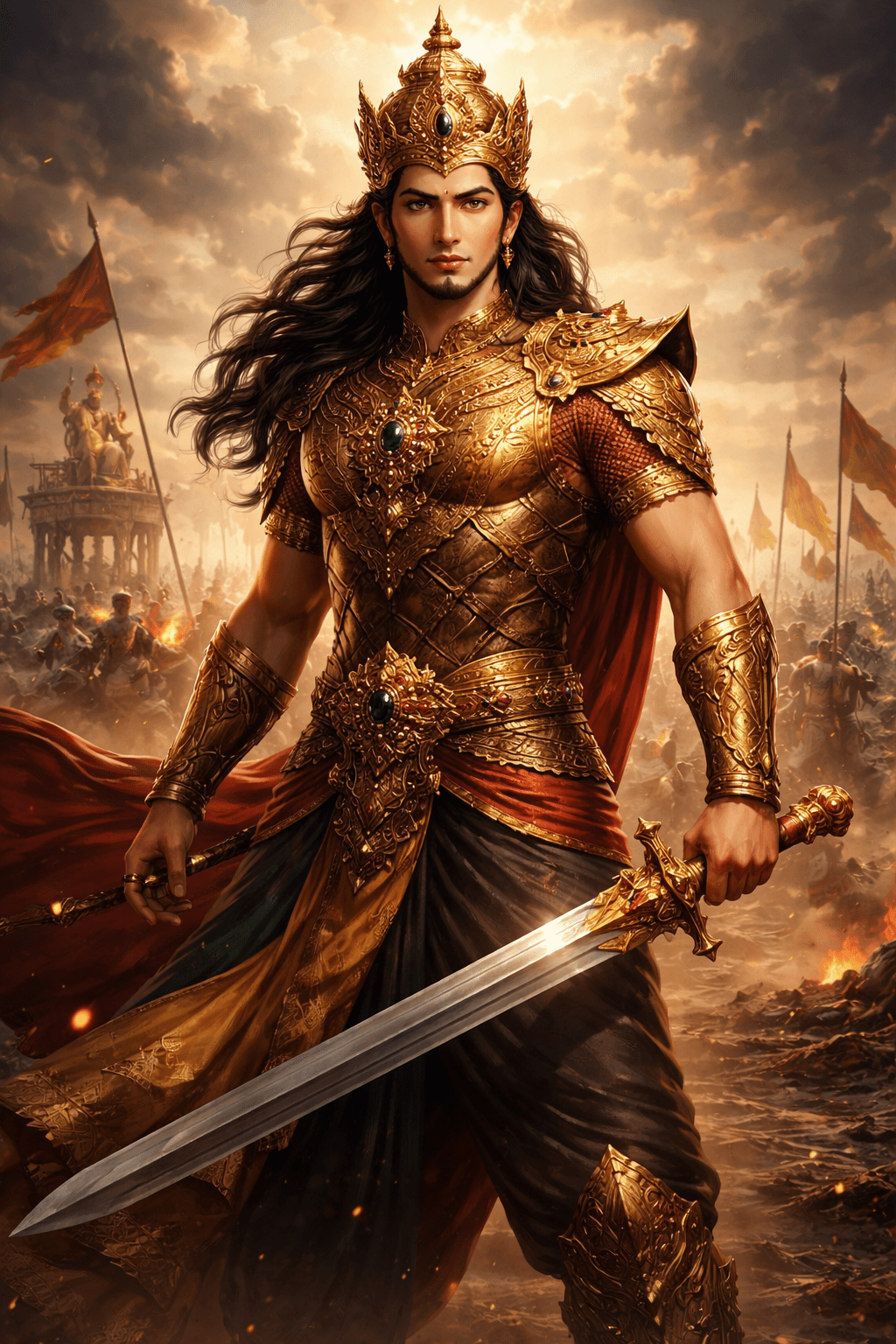
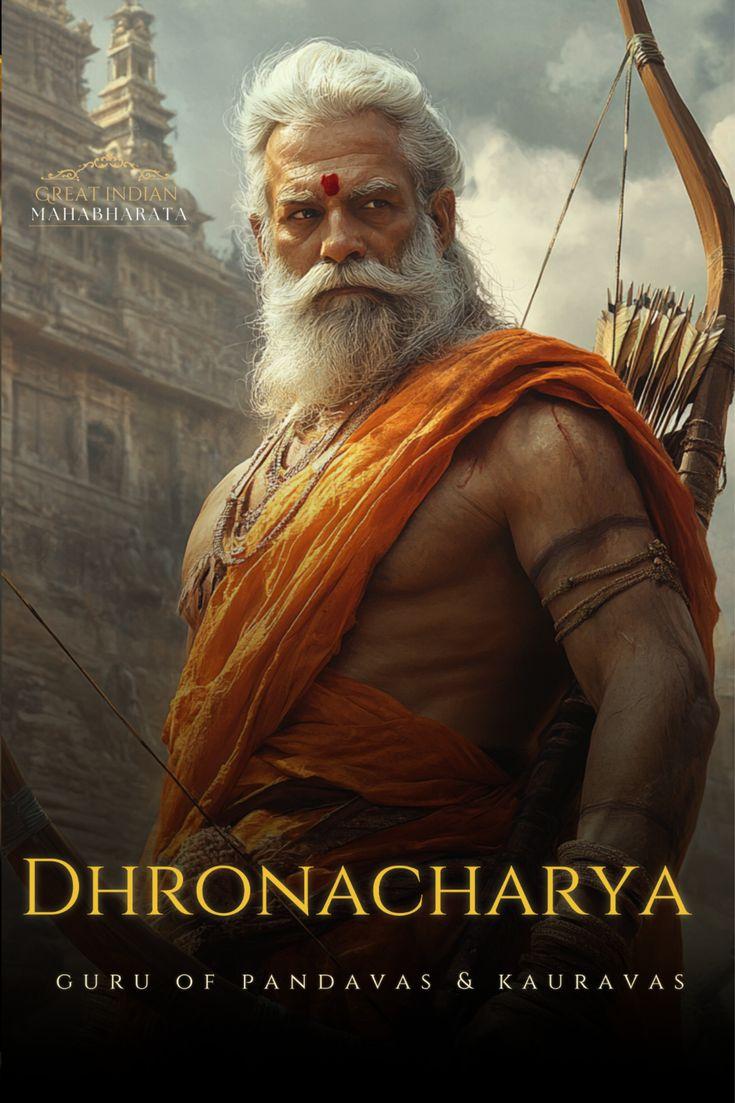
Who Was Dronacharya in the Mahabharata? Complete Guide
Who Was Dronacharya in the Mahabharata? Complete Guide About the Author Raja Ratnam is a passionate researcher and writer specialising in Indian mythology and epic stories.With years of experience studying texts like Ramayana, Mahabharata, Dronacharya in Mahabharata , Festivals, Meaning and Significance of Maha Shivaratri – Lord Shiva, the Auspicious One, Navagrahas, Ketu Deva and other cultural scriptures,he brings insightful interpretations and practical lessons from these timeless stories. Raja Ratnam believes in making mythology accessible and meaningful for modern readers,helping them understand the moral, ethical, and cultural significance behind characters like Rama, Laxman, Shani Deva, and many more. Connect with the author: info@ratnamstrategy.com Introduction : Dronacharya in Mahabharata Dronacharya in the Mahabharata was one of the greatest warriors and teachers (gurus) of ancient India. He played a crucial role in shaping the destiny of both the Pandavas and the Kauravas. Known for his unmatched knowledge of warfare and archery, Dronacharya trained legendary warriors like Arjuna and Duryodhana. His life is filled with loyalty, controversy, sacrifice, and tragedy. In this complete guide, we will explore his birth, education, role in the Kurukshetra War, and his dramatic death. Birth and Early Life of Dronacharya Dronacharya was the son of Sage Bharadwaja. The name “Drona”…
- Mahabharatam
- February 10, 2026
- 197 views
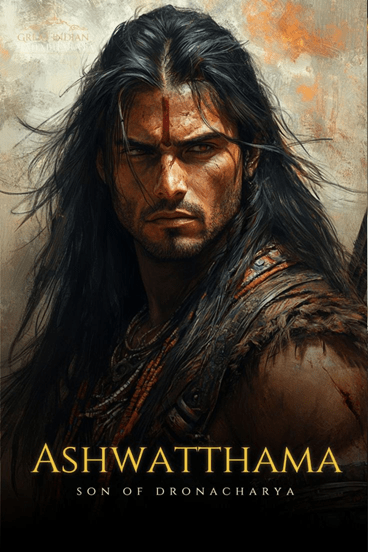
Ashwatthama in Mahabharata – Tragic Warrior, Immortal Curse & Untold Truths
About the Author Raja Ratnam is a passionate researcher and writer specialising in Indian mythology and epic stories.With years of experience studying texts like Ramayana, Mahabharata, Ashwatthama in Mahabharata ,Festivals, Meaning and Significance of Maha Shivaratri – Lord Shiva, the Auspicious One, Navagrahas, Ketu Deva and other cultural scriptures,he brings insightful interpretations and practical lessons from these timeless stories. Raja Ratnam believes in making mythology accessible and meaningful for modern readers,helping them understand the moral, ethical, and cultural significance behind characters like Rama, Laxman, Shani Deva, and many more. Connect with the author: info@ratnamstrategy.com Introduction: Who Is Ashwatthama in Mahabharata? Ashwatthama in Mahabharata stands as one of the most complex and tragic characters in the epic. Neither entirely evil nor fully righteous, he represents uncontrolled rage, wounded pride, and the devastating consequences of adharma. Born to the great teacher Dronacharya, Ashwatthama possessed immense power, divine weapons, and unmatched battlefield skill. Yet, his life ended not with glory—but with an eternal curse. Ashwatthama is remembered as a Chiranjivi (immortal being), condemned to roam the earth in pain and isolation until the end of Kali Yuga. His story is not just about war—it is a moral warning. Birth and Early Life of Ashwatthama Ashwatthama…
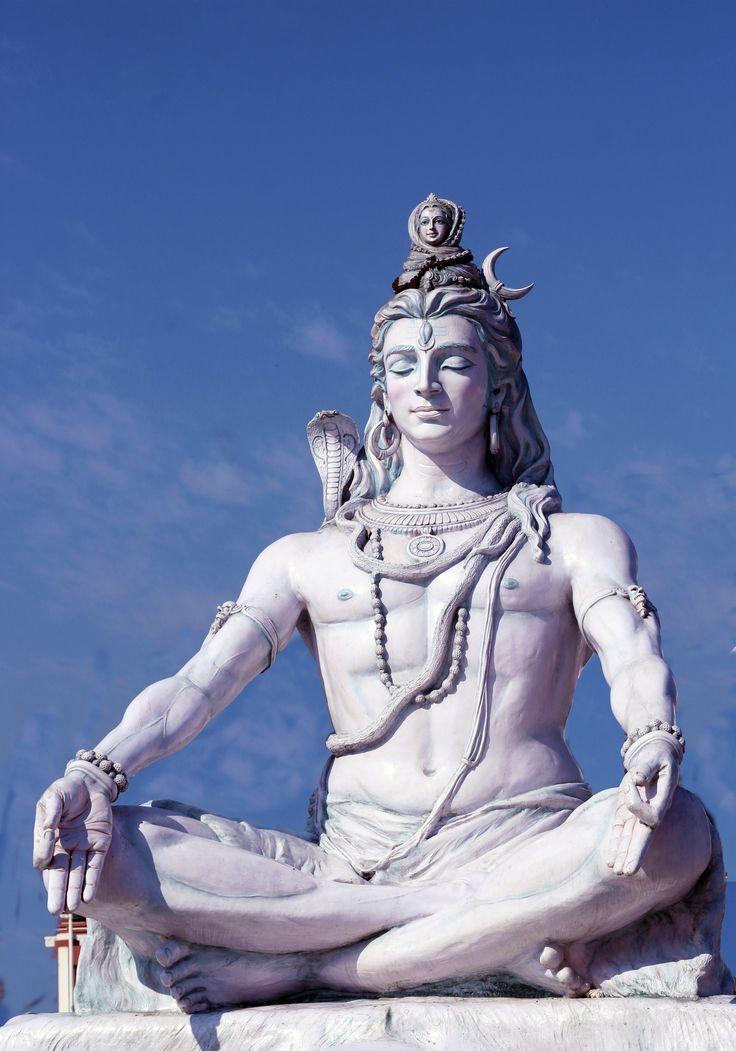
Meaning and Significance of Maha Shivaratri – Lord Shiva, the Auspicious One
About the Author Raja Ratnam is a passionate researcher and writer specialising in Indian mythology and epic stories.With years of experience studying texts like Ramayana, Mahabharata, Krishna in Mahabharata: The Divine Role of the Supreme Guide, Festivals, Meaning and Significance of Maha Shivaratri – Lord Shiva, the Auspicious One, Navagrahas, Ketu Deva and other cultural scriptures,he brings insightful interpretations and practical lessons from these timeless stories. Raja Ratnam believes in making mythology accessible and meaningful for modern readers,helping them understand the moral, ethical, and cultural significance behind characters like Rama, Laxman, Shani Deva, and many more. Connect with the author: info@ratnamstrategy.com Meaning and Significance of Maha Shivaratri Maha Shivaratri, meaning “The Great Night of Shiva,” is one of the most sacred festivals in Hindu spirituality. It symbolizes the cosmic union of consciousness and energy, where Lord Shiva represents supreme awareness and inner transformation. Observed on the 14th night of the dark fortnight in the month of Phalguna, this night is considered spiritually powerful for self-realization and liberation. Lord Shiva — The Auspicious One Lord Shiva is known as Mahadeva, Bholenath, and The Destroyer—not of the world, but of ignorance and ego. He is the embodiment of stillness, compassion, renunciation, and infinite cosmic…
- Mahabharatam
- February 1, 2026
- 275 views
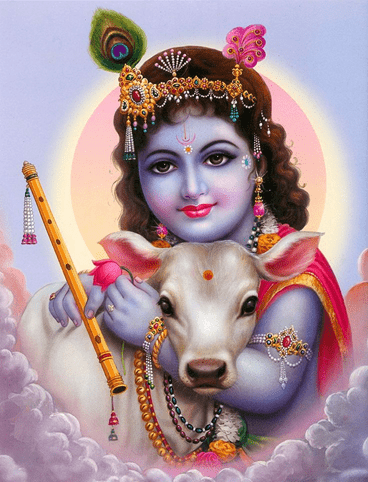
Krishna in Mahabharata: The Divine Role of the Supreme Guide
About the Author Raja Ratnam is a passionate researcher and writer specialising in Indian mythology and epic stories.With years of experience studying texts like Ramayana, Mahabharata, Krishna in Mahabharata: The Divine Role of the Supreme Guide, Festivals, Ratha Saptami 2026, Navagrahas, Ketu Deva and other cultural scriptures,he brings insightful interpretations and practical lessons from these timeless stories. Raja Ratnam believes in making mythology accessible and meaningful for modern readers,helping them understand the moral, ethical, and cultural significance behind characters like Rama, Laxman, Shani Deva, and many more. Connect with the author: info@ratnamstrategy.com Krishna in Mahabharata: The Divine Role of the Supreme Guide Krishna in Mahabharata is not merely a character but the soul of the epic. As the eighth avatar of Lord Vishnu, Krishna guides humanity through wisdom, strategy, compassion, and divine justice. Without Krishna, the Mahabharata would be a tale of war; with Krishna, it becomes a timeless guide to dharma and life. Introduction to Krishna in Mahabharata Lord Krishna appears in the Mahabharata as a king, friend, diplomat, philosopher, and divine guide. Though he does not directly fight in the Kurukshetra war, his influence shapes every major event. Krishna represents divine consciousness guiding human actions toward righteousness. Birth and Early…
- Mahabharatam
- February 1, 2026
- 248 views
Bhagavad Gita: Complete Story, Teachings & Timeless Life Lessons
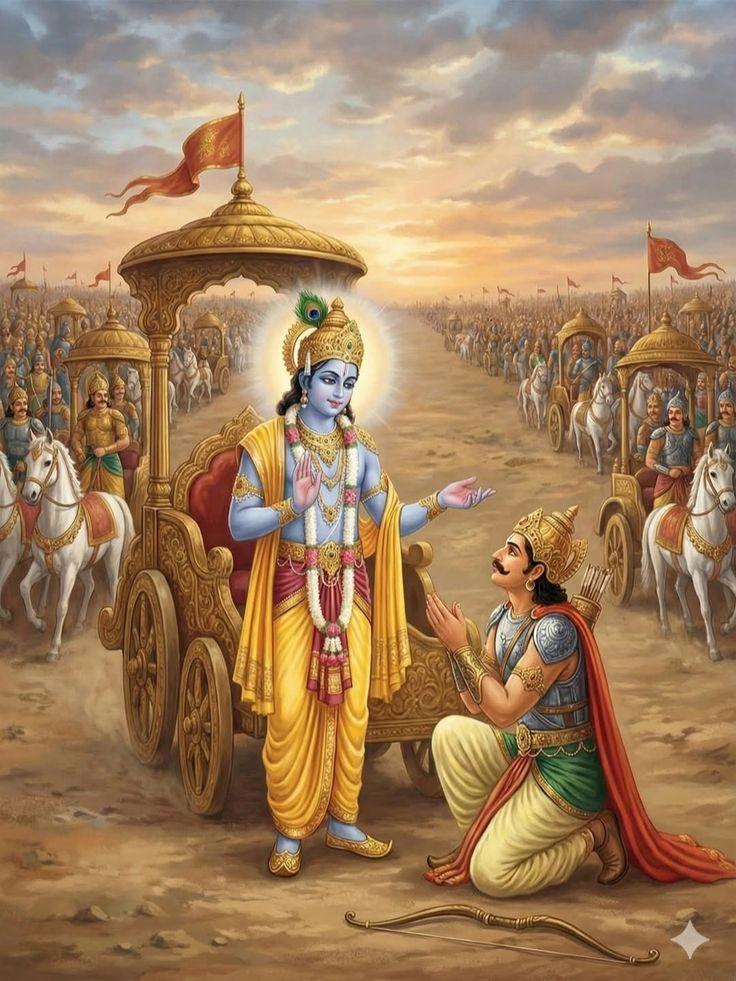
About the Author Raja Ratnam is a passionate researcher and writer specialising in Indian mythology and epic stories.With years of experience studying texts like Ramayana, Mahabharata, Bhagavad Gita: Complete Story, Teachings & Timeless Life Lessons, Festivals, Ratha Saptami 2026, Navagrahas, Ketu Deva and other cultural scriptures,he brings insightful interpretations and practical lessons from these timeless stories. Raja Ratnam believes in making mythology accessible and meaningful for modern readers,helping them understand the moral, ethical, and cultural significance behind characters like Rama, Laxman, Shani Deva, and many more. Connect with the author: info@ratnamstrategy.com Introduction to Bhagavad Gita Mahabharata’s Bhishma Parva contains 700 verses of the Bhagavad Gita, which means “The Song of the Lord”.It addresses fundamental human dilemmas such as fear, confusion, duty, attachment, and purpose of life. At its core, the Bhagavad Gita teaches how to live a balanced life while performing one’s responsibilities with devotion and wisdom. Origin and Background of the Bhagavad Gita Battlefield of Kurukshetra The Bhagavad Gita was spoken on the battlefield of Kurukshetra, just before the great war between the Pandavas and the Kauravas. Arjuna, overwhelmed by sorrow and moral conflict, drops his bow and refuses to fight. At this crucial moment, Lord Krishna reveals divine wisdom to…