Admin
- Mahabharatam , Women Characters
- March 22, 2026
- 96 views
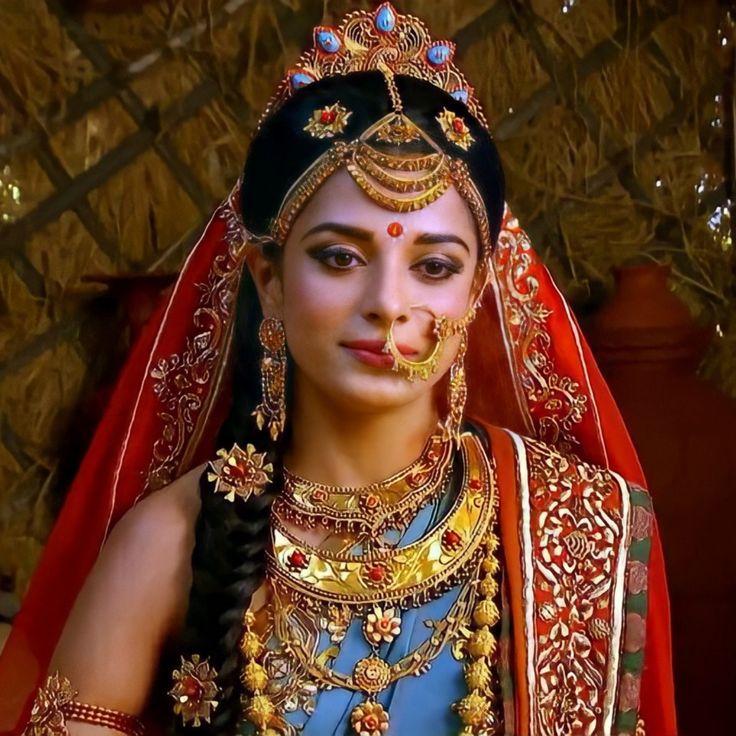
Mahabharata – Draupadi – The Powerful Queen of the Pandavas
Mahabharata – Draupadi – The Powerful Queen of the Pandavas Raja Ratnam is a passionate researcher and writer specialising in Indian mythology and epic stories.With years of experience studying texts like Ramayana, Mahabharata, Draupadi in Mahabharata – Birth, Marriage, Story, Curse …, Festivals, Meaning and Significance of Maha Shivaratri – Lord Shiva, the Auspicious One, Navagrahas, Ketu Deva and other cultural scriptures,he brings insightful interpretations and practical lessons from these timeless stories. Raja Ratnam believes in making mythology accessible and meaningful for modern readers,helping them understand the moral, ethical, and cultural significance behind characters like Rama, Laxman, Shani Deva, and many more. Connect with the author: info@ratnamstrategy.com Introduction – Draupadi in Mahabharata Draupadi is one of the most important and powerful characters in the Mahabharata. She was not only the wife of the five Pandavas but also a woman of great strength, courage, and dignity. Her life was full of struggles, sacrifices, and unforgettable moments that changed the course of the great epic. Many events in the Mahabharata happened because of the insult done to Draupadi. Her humiliation in the Kaurava court became one of the main reasons for the Kurukshetra war. Even though she suffered many hardships, she remained strong and…
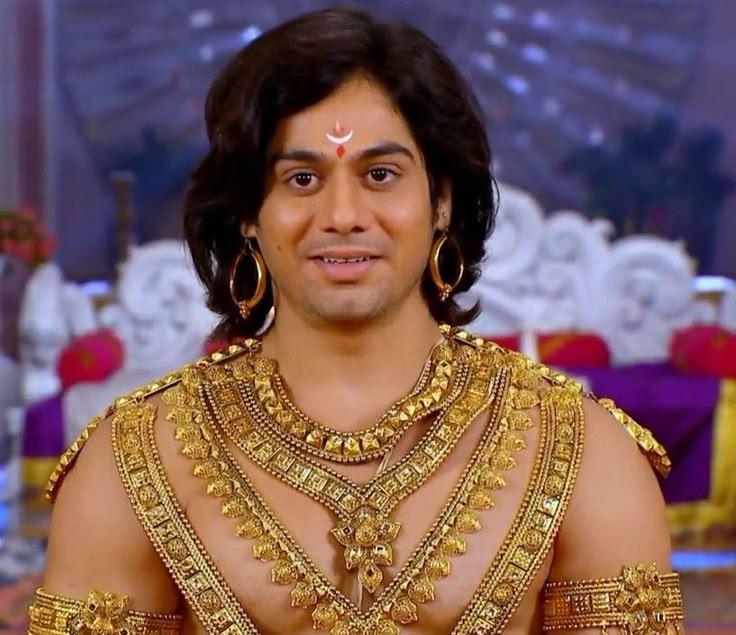
A wise Pandava prince in the Mahabharata – Sahadeva
A wise Pandava prince in the Mahabharata – Sahadeva About the Author Raja Ratnam is a passionate researcher and writer specialising in Indian mythology and epic stories.With years of experience studying texts like Ramayana, Mahabharata, Sahadeva in Mahabharata – Story, Powers, Role in Kurukshetra, Festivals, Meaning and Significance of Maha Shivaratri – Lord Shiva, the Auspicious One, Navagrahas, Ketu Deva and other cultural scriptures,he brings insightful interpretations and practical lessons from these timeless stories. Raja Ratnam believes in making mythology accessible and meaningful for modern readers,helping them understand the moral, ethical, and cultural significance behind characters like Rama, Laxman, Shani Deva, and many more. Connect with the author: info@ratnamstrategy.com Introduction – Sahadeva in Mahabharata In the great Indian epic Mahabharata, the Pandavas are known for their strength, courage, and righteousness. Among the five brothers, Sahadeva is often remembered as the quietest but also the most intelligent. While Bhima was famous for strength and Arjuna for archery, Sahadeva was respected for his wisdom, calm thinking, and deep knowledge of astrology. Sahadeva was the youngest of the Pandavas and the twin brother of Nakula. Even though he did not speak much, he understood many things that others could not. Many stories say that Sahadeva…

Pavani Pleasant Bangalore celebrates Ugadi 2026
Pavani Pleasant Bangalore celebrates Ugadi 2026 About the Author Raja Ratnam is a passionate researcher and writer specialising in Indian mythology and epic stories.With years of experience studying texts like Ramayana, Mahabharata, Bhima in Mahabharata, Festivals, Ugadi Celebration 2026 at Pavani Pleasant Bangalore, Meaning and Significance of Maha Shivaratri – Lord Shiva, the Auspicious One, Navagrahas, Ketu Deva and other cultural scriptures,he brings insightful interpretations and practical lessons from these timeless stories. Raja Ratnam believes in making mythology accessible and meaningful for modern readers,helping them understand the moral, ethical, and cultural significance behind characters like Rama, Laxman, Shani Deva, and many more. Connect with the author: info@ratnamstrategy.com Introduction : Ugadi Celebration 2026 The Ugadi Celebration 2026 at Pavani Pleasant Bangalore was a vibrant community event where residents welcomed the Telugu New Year with traditional rituals, cultural programs, and joyful gatherings. Ugadi is one of the most important festivals celebrated by Telugu and Kannada communities and symbolizes the beginning of a new year filled with hope and prosperity. At Pavani Pleasant, families gathered together in traditional attire, decorated their surroundings with colorful rangoli and mango leaves, and participated in cultural activities that brought the entire community together. The Ugadi Celebration 2026 at Pavani…
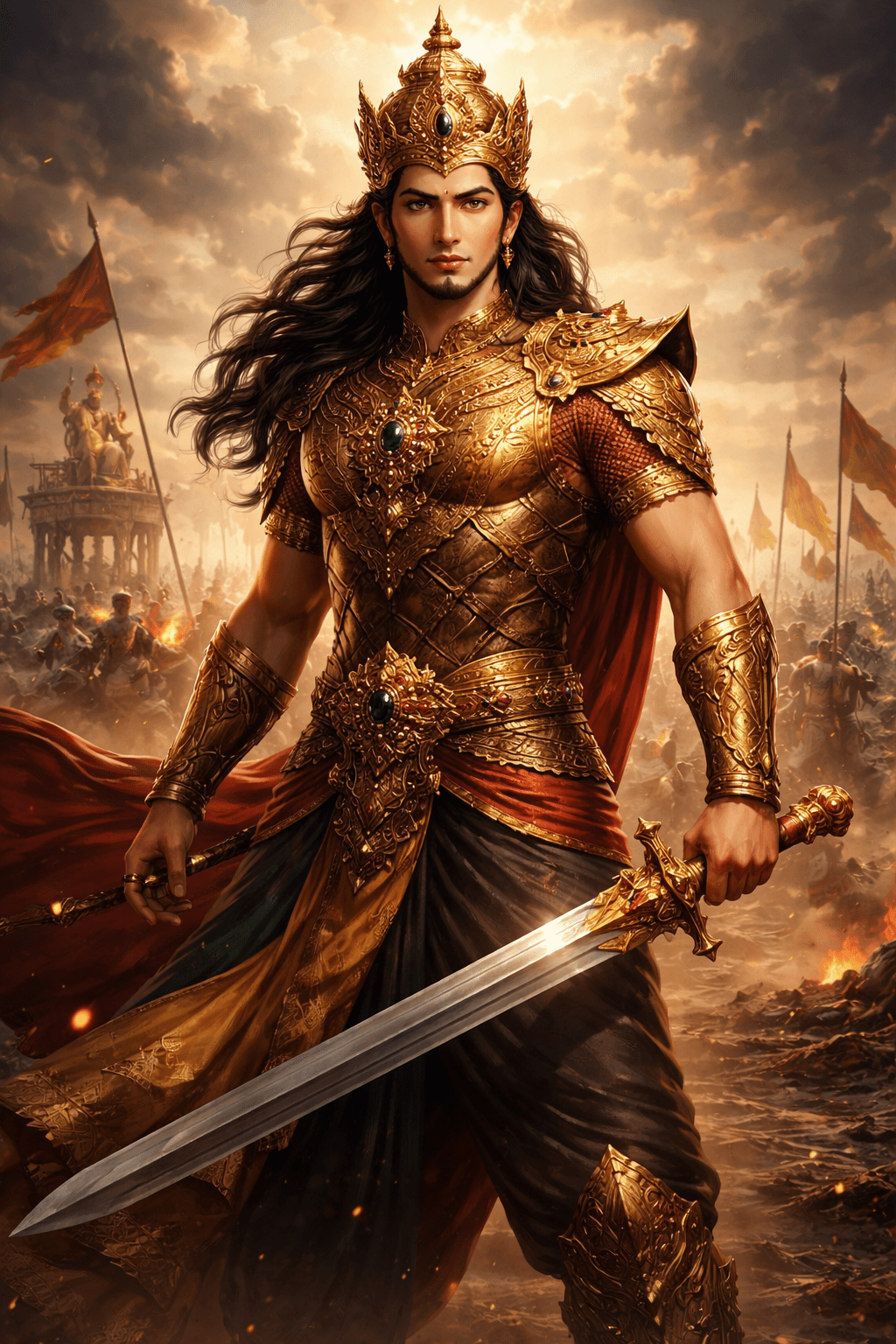
Nakula is the handsome warrior who is master of horses?
Nakula is the handsome warrior who is master of horses? About the Author Raja Ratnam is a passionate researcher and writer specialising in Indian mythology and epic stories.With years of experience studying texts like Ramayana, Mahabharata, Nakula in Mahabharata, Festivals, Meaning and Significance of Maha Shivaratri – Lord Shiva, the Auspicious One, Navagrahas, Ketu Deva and other cultural scriptures,he brings insightful interpretations and practical lessons from these timeless stories. Raja Ratnam believes in making mythology accessible and meaningful for modern readers,helping them understand the moral, ethical, and cultural significance behind characters like Rama, Laxman, Shani Deva, and many more. Connect with the author: info@ratnamstrategy.com Introduction – Nakula in Mahabharata Nakula is one of the five Pandava brothers in the great Indian epic, the Mahabharata. He is known for his extraordinary beauty, mastery of sword fighting, and exceptional skill in horse training. Although he is often less highlighted than his brothers, Nakula played an important role in the Pandavas’ journey and in the great Kurukshetra War.Nakula was the fourth of the five Pandavas and the twin brother of Sahadeva. He is remembered for his loyalty, courage, and humility, qualities that made him a respected warrior and a noble prince among the Pandavas He…
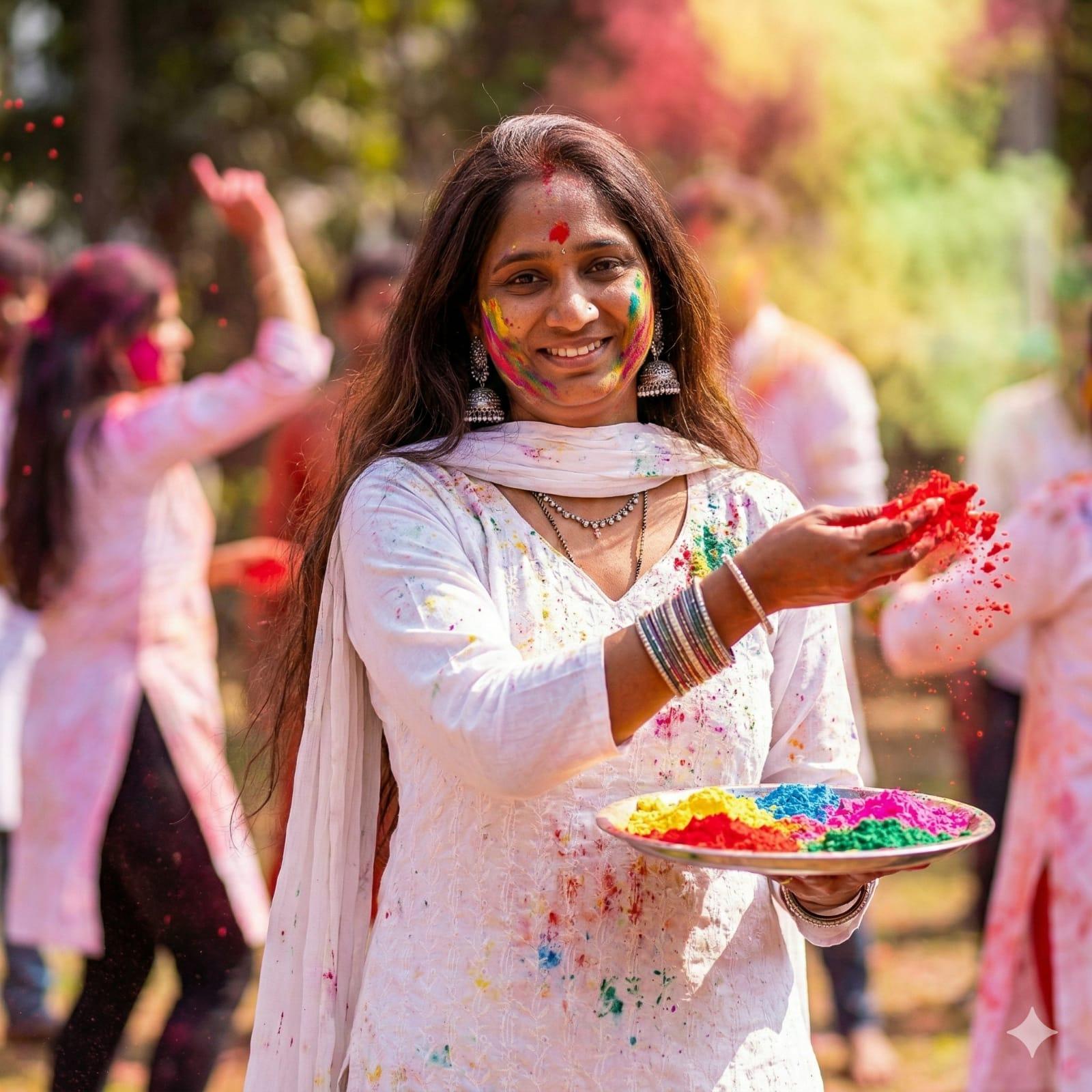
Holi 2026 at Pavani Pleasant: When Whitefield Turned into a Rainbow!
Holi 2026 at Pavani Pleasant: When Whitefield Turned into a Rainbow! About the Author Raja Ratnam is a passionate researcher and writer specialising in Indian mythology and epic stories.With years of experience studying texts like Ramayana, Mahabharata,Bhima in Mahabharata , Festivals, Holi celebration at Pavani Pleasant ,Meaning and Significance of Maha Shivaratri – Lord Shiva, the Auspicious One, Navagrahas, Ketu Deva and other cultural scriptures,he brings insightful interpretations and practical lessons from these timeless stories. Raja Ratnam believes in making mythology accessible and meaningful for modern readers,helping them understand the moral, ethical, and cultural significance behind characters like Rama, Laxman, Shani Deva, and many more. Connect with the author: info@ratnamstrategy.com Introduction : Holi celebration at Pavani Pleasant If you think Holi is just about colors, you haven’t celebrated it at Pavani Pleasant in Whitefield! Let me tell you, this year’s Holi was absolutely EPIC – and I’m not just saying that because I’m still finding gulal in my hair three days later! 😂 Holi is that one festival where adults turn into kids, kids go absolutely wild, and everyone ends up looking like a walking rainbow. And this year? It was a whole new experience for us. So buckle up, grab some…
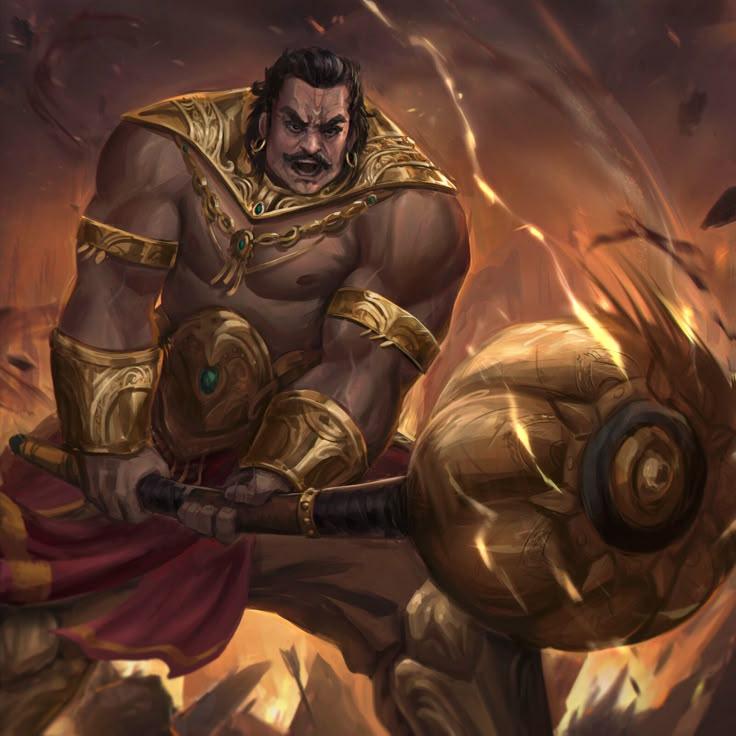
- Mahabharatam , Pandeva's
- February 22, 2026
- 318 views
Life of Bhima in Mahabharata – The Strongest Pandava
Life of Bhima in Mahabharata – The Strongest Pandava About the Author Raja Ratnam is a passionate researcher and writer specialising in Indian mythology and epic stories.With years of experience studying texts like Ramayana, Mahabharata,Bhima in Mahabharata , Festivals, Meaning and Significance of Maha Shivaratri – Lord Shiva, the Auspicious One, Navagrahas, Ketu Deva and other cultural scriptures,he brings insightful interpretations and practical lessons from these timeless stories. Raja Ratnam believes in making mythology accessible and meaningful for modern readers,helping them understand the moral, ethical, and cultural significance behind characters like Rama, Laxman, Shani Deva, and many more. Connect with the author: info@ratnamstrategy.com Introduction : Bhima in Mahabharata In the epic Mahabharata, many warriors displayed extraordinary courage and strength. Among them, Bhima stands out as the most powerful warrior of the Pandavas. Known for his immense physical strength, fearless nature, and loyalty to his family, Bhima played a crucial role in the victory of the Pandavas during the Kurukshetra War. Bhima’s life is filled with heroic deeds, fierce battles, and unwavering dedication to justice. Birth of Bhima – Bhima in Mahabharata Bhima was one of the five Pandavas in the Mahabharata. He was born to Kunti through the blessings of Vayu, the…
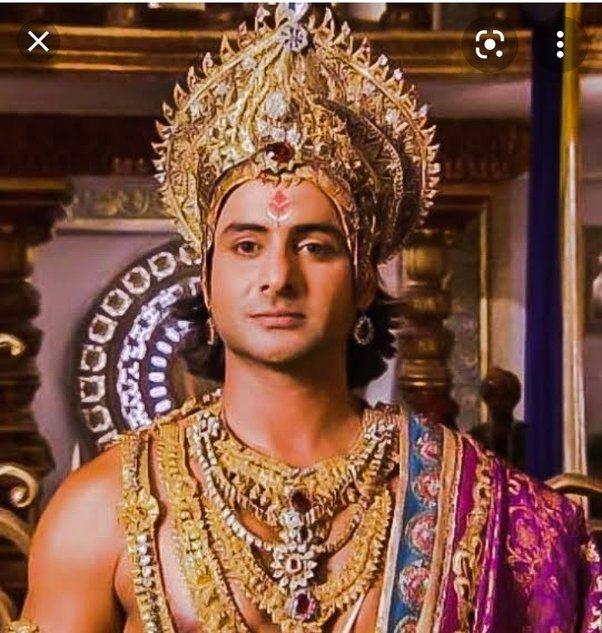
King Dharma Raju in the Mahabharata
King Dharma Raju in the Mahabharata About the Author Raja Ratnam is a passionate researcher and writer specialising in Indian mythology and epic stories.With years of experience studying texts like Ramayana, Mahabharata, Dharma Raju(Yudhishthira) in Mahabharata –The King of Dharma, Festivals, Meaning and Significance of Maha Shivaratri – Lord Shiva, the Auspicious One, Navagrahas, Ketu Deva and other cultural scriptures,he brings insightful interpretations and practical lessons from these timeless stories. Raja Ratnam believes in making mythology accessible and meaningful for modern readers,helping them understand the moral, ethical, and cultural significance behind characters like Rama, Laxman, Shani Deva, and many more. Connect with the author: info@ratnamstrategy.com Introduction – Dharma Raju(Yudhishthira) in Mahabharata Dharma Raju, also known as Yudhishthira, stands as one of the most respected and morally upright characters in the Indian epic Mahabharata. Known for his unwavering commitment to truth and righteousness, he earned the title “King of Dharma.” As the eldest of the Pandavas, Dharma Raju symbolized justice, patience, forgiveness, and moral strength. His life journey—from royal heir to exile, from gambler to emperor—teaches timeless lessons on leadership, responsibility, and ethical governance. This detailed blog on RatnamStrategy explores his birth, virtues, challenges, leadership, Kurukshetra war role, and spiritual legacy Dharma Raju’s…
- Mahabharatam
- February 16, 2026
- 217 views
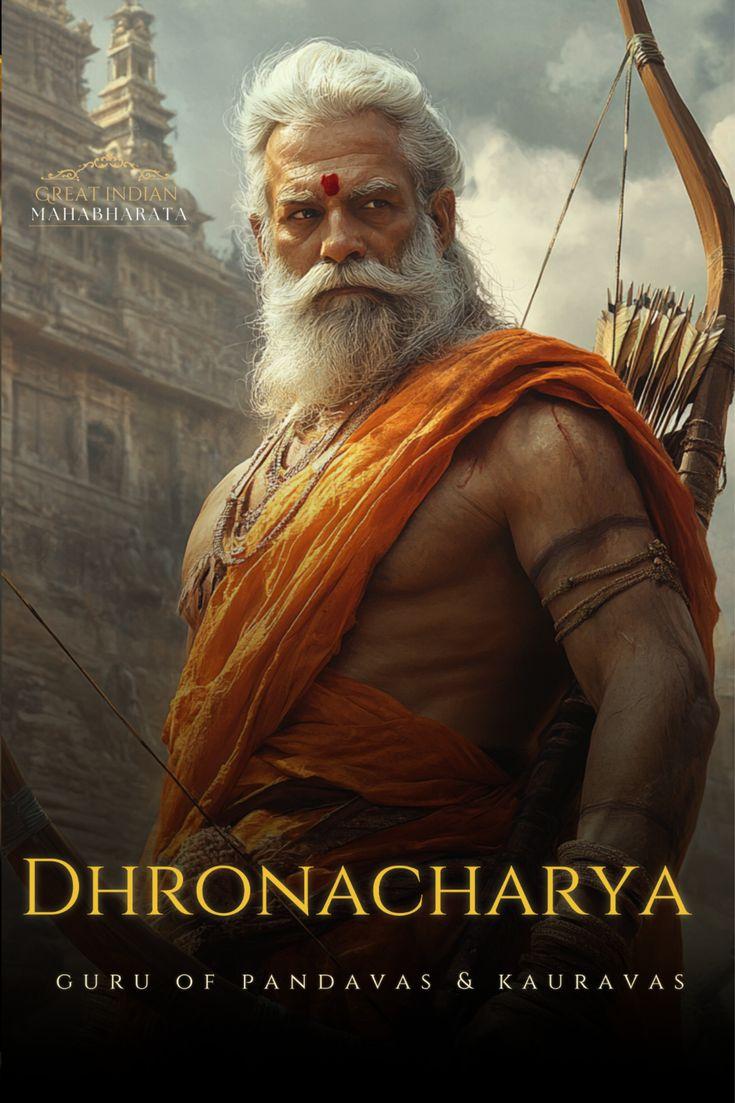
Who Was Dronacharya in the Mahabharata? Complete Guide
Who Was Dronacharya in the Mahabharata? Complete Guide About the Author Raja Ratnam is a passionate researcher and writer specialising in Indian mythology and epic stories.With years of experience studying texts like Ramayana, Mahabharata, Dronacharya in Mahabharata , Festivals, Meaning and Significance of Maha Shivaratri – Lord Shiva, the Auspicious One, Navagrahas, Ketu Deva and other cultural scriptures,he brings insightful interpretations and practical lessons from these timeless stories. Raja Ratnam believes in making mythology accessible and meaningful for modern readers,helping them understand the moral, ethical, and cultural significance behind characters like Rama, Laxman, Shani Deva, and many more. Connect with the author: info@ratnamstrategy.com Introduction : Dronacharya in Mahabharata Dronacharya in the Mahabharata was one of the greatest warriors and teachers (gurus) of ancient India. He played a crucial role in shaping the destiny of both the Pandavas and the Kauravas. Known for his unmatched knowledge of warfare and archery, Dronacharya trained legendary warriors like Arjuna and Duryodhana. His life is filled with loyalty, controversy, sacrifice, and tragedy. In this complete guide, we will explore his birth, education, role in the Kurukshetra War, and his dramatic death. Birth and Early Life of Dronacharya Dronacharya was the son of Sage Bharadwaja. The name “Drona”…
- Mahabharatam
- February 10, 2026
- 210 views
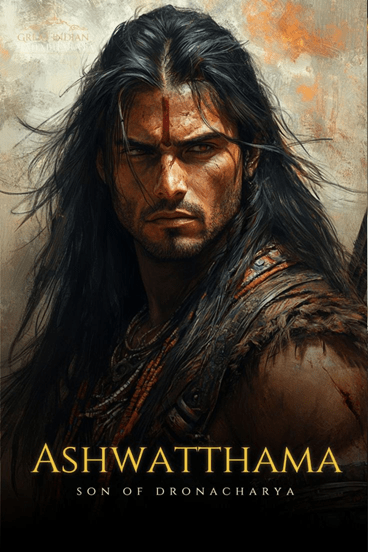
Ashwatthama in Mahabharata – Tragic Warrior, Immortal Curse & Untold Truths
About the Author Raja Ratnam is a passionate researcher and writer specialising in Indian mythology and epic stories.With years of experience studying texts like Ramayana, Mahabharata, Ashwatthama in Mahabharata ,Festivals, Meaning and Significance of Maha Shivaratri – Lord Shiva, the Auspicious One, Navagrahas, Ketu Deva and other cultural scriptures,he brings insightful interpretations and practical lessons from these timeless stories. Raja Ratnam believes in making mythology accessible and meaningful for modern readers,helping them understand the moral, ethical, and cultural significance behind characters like Rama, Laxman, Shani Deva, and many more. Connect with the author: info@ratnamstrategy.com Introduction: Who Is Ashwatthama in Mahabharata? Ashwatthama in Mahabharata stands as one of the most complex and tragic characters in the epic. Neither entirely evil nor fully righteous, he represents uncontrolled rage, wounded pride, and the devastating consequences of adharma. Born to the great teacher Dronacharya, Ashwatthama possessed immense power, divine weapons, and unmatched battlefield skill. Yet, his life ended not with glory—but with an eternal curse. Ashwatthama is remembered as a Chiranjivi (immortal being), condemned to roam the earth in pain and isolation until the end of Kali Yuga. His story is not just about war—it is a moral warning. Birth and Early Life of Ashwatthama Ashwatthama…
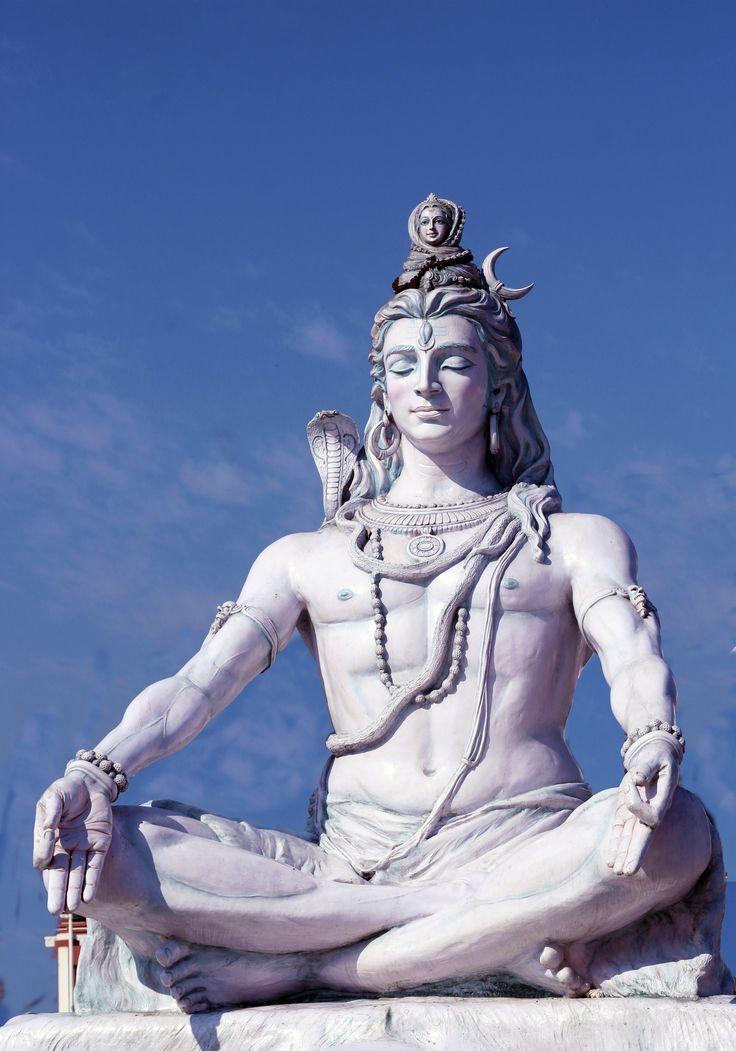
Meaning and Significance of Maha Shivaratri – Lord Shiva, the Auspicious One
About the Author Raja Ratnam is a passionate researcher and writer specialising in Indian mythology and epic stories.With years of experience studying texts like Ramayana, Mahabharata, Krishna in Mahabharata: The Divine Role of the Supreme Guide, Festivals, Meaning and Significance of Maha Shivaratri – Lord Shiva, the Auspicious One, Navagrahas, Ketu Deva and other cultural scriptures,he brings insightful interpretations and practical lessons from these timeless stories. Raja Ratnam believes in making mythology accessible and meaningful for modern readers,helping them understand the moral, ethical, and cultural significance behind characters like Rama, Laxman, Shani Deva, and many more. Connect with the author: info@ratnamstrategy.com Meaning and Significance of Maha Shivaratri Maha Shivaratri, meaning “The Great Night of Shiva,” is one of the most sacred festivals in Hindu spirituality. It symbolizes the cosmic union of consciousness and energy, where Lord Shiva represents supreme awareness and inner transformation. Observed on the 14th night of the dark fortnight in the month of Phalguna, this night is considered spiritually powerful for self-realization and liberation. Lord Shiva — The Auspicious One Lord Shiva is known as Mahadeva, Bholenath, and The Destroyer—not of the world, but of ignorance and ego. He is the embodiment of stillness, compassion, renunciation, and infinite cosmic…