 Raja Ratnam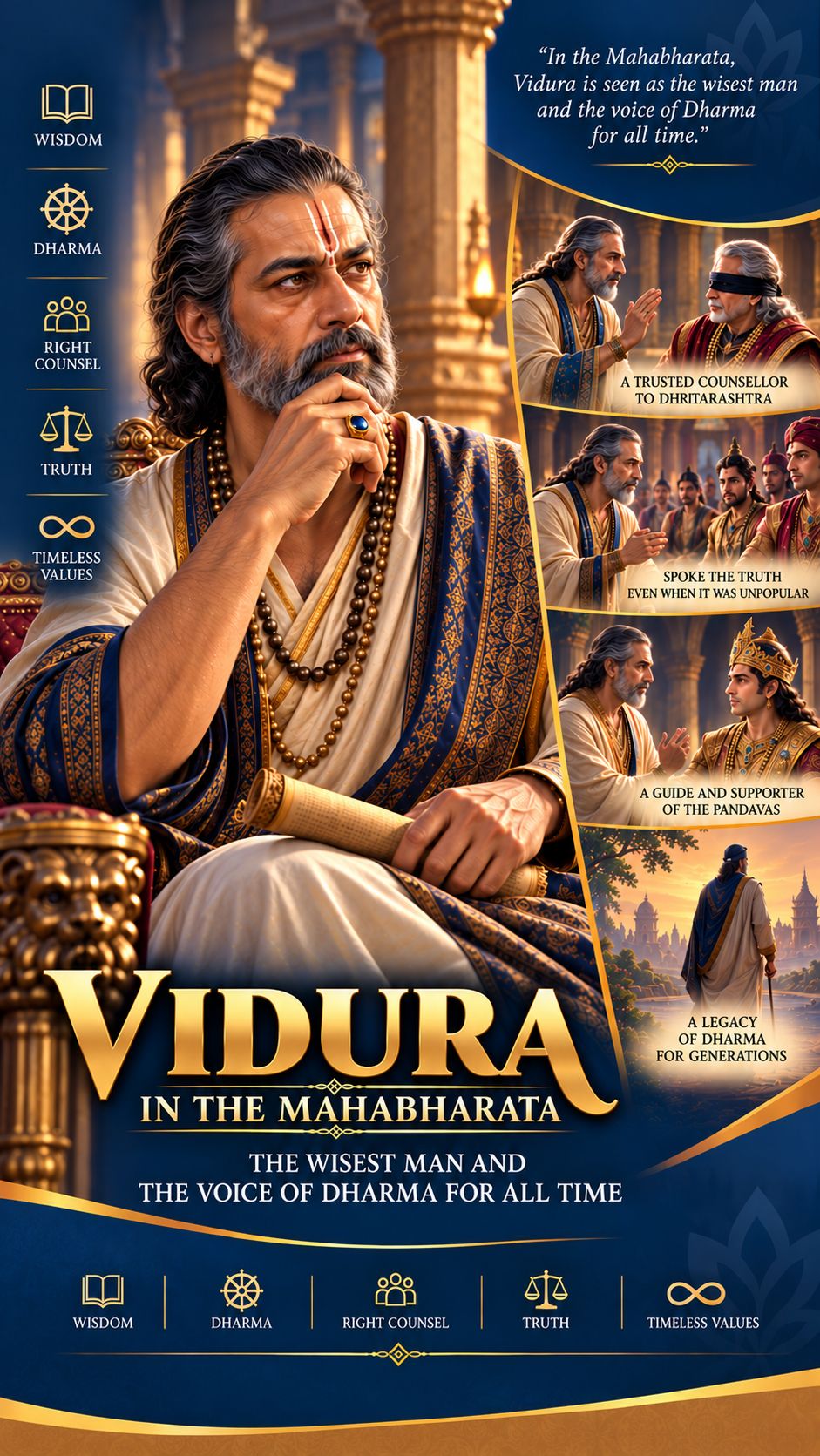
Introduction
In the vast and complex epic of the Mahabharata, filled with mighty warriors, divine incarnations, and powerful kings, one man stands apart—not for his strength or royal birth, but for his unmatched wisdom, moral clarity, and unwavering commitment to dharma. That man is Vidura.
Widely regarded as the wisest man in the epic, Vidura served as the chief advisor to King Dhritarashtra and the moral compass of the Kuru kingdom. Time and again, he warned against injustice, greed, and the catastrophic war of Kurukshetra. Yet, his wise counsel often fell on deaf ears.
This blog explores Vidura’s life, wisdom, role in the Mahabharata, and timeless relevance in leadership, governance, and ethics.
Who Was Vidura?
Vidura was born to Vyasa, the great sage and author of the Mahabharata, and a maidservant of the Kuru palace. Despite his humble maternal origin, Vidura was endowed with extraordinary intelligence, integrity, and spiritual insight.
According to tradition, Vidura was an incarnation of Yama (Dharma Devata)—the god of righteousness and justice—sent to guide humanity during a time of moral decline.
Though denied the throne due to social conventions, Vidura became the most respected statesman in Hastinapura.
The Wisest Man in the Epic
Vidura’s wisdom was not theoretical—it was practical, ethical, and fearless.
He possessed:
- Deep understanding of dharma (righteousness)
- Clear judgment beyond emotional or political bias
- The courage to speak truth to power
- Compassion for both Pandavas and Kauravas
His teachings, known as Vidura Nīti, are considered among the finest works on statecraft, ethics, and leadership in Indian philosophy—often compared to Chanakya Nīti.
Advisor to King Dhritarashtra
As the chief advisor to King Dhritarashtra, Vidura played a critical role in governance. He consistently advised the blind king to:
- Control his attachment to Duryodhana
- Act impartially toward Pandavas
- Uphold justice over personal affection
Despite being physically blind, Dhritarashtra also suffered from moral blindness, which Vidura repeatedly tried to cure through wisdom and counsel.
Sadly, the king often chose emotion over ethics.
Vidura as the Voice of Dharma
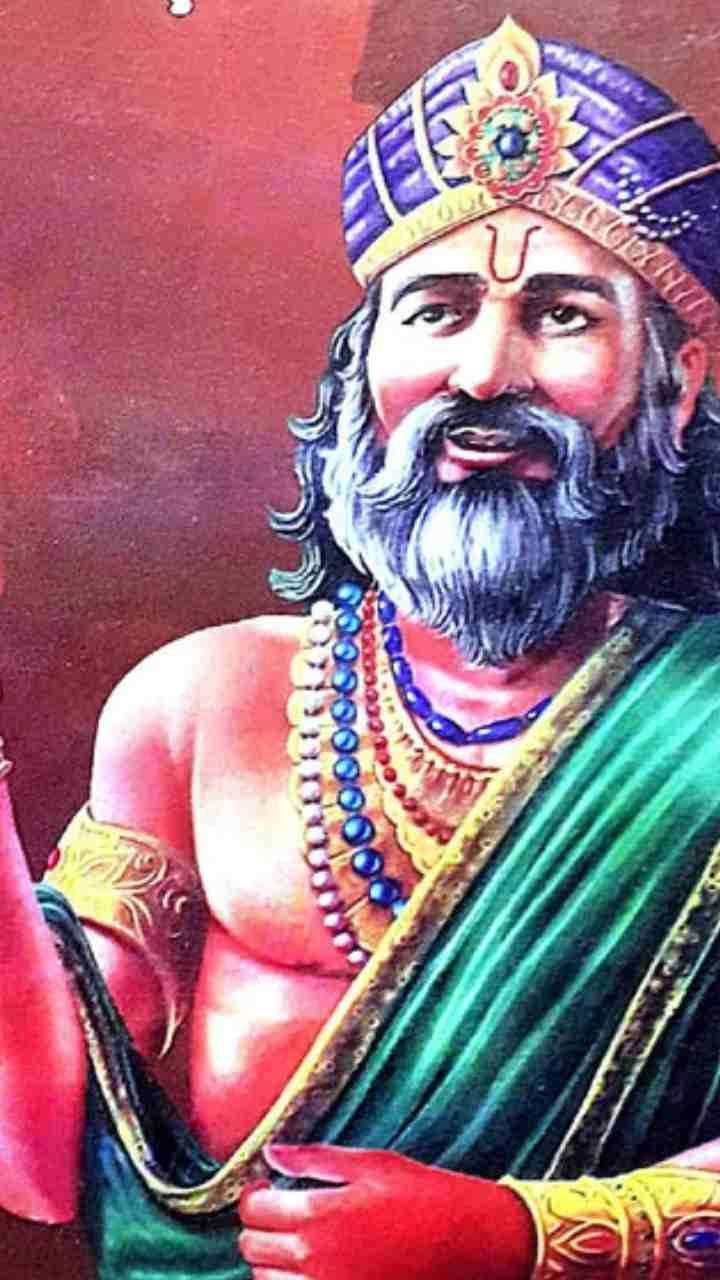
Vidura was not aligned with any faction—he stood only for truth and righteousness.
He openly criticized:
- Duryodhana’s arrogance
- Shakuni’s deceit
- The humiliation of Draupadi
- The unjust exile of the Pandavas
During Draupadi’s disrobing, Vidura was one of the few voices that boldly condemned the Kaurava court, reminding everyone that adharma would lead to destruction.
His words echoed like a conscience the court refused to hear.
Warnings Against the Kurukshetra War
One of Vidura’s most significant roles was his repeated warnings against the Kurukshetra war.
He foresaw:
- Total destruction of the Kuru dynasty
- Endless grief for mothers and widows
- Moral collapse of society
- Victory without peace
Vidura urged reconciliation, compromise, and justice. He pleaded with Dhritarashtra to return the Pandavas’ rightful kingdom and prevent bloodshed.
When diplomacy failed, Vidura chose moral protest over silent compliance.
Vidura’s Exit from Hastinapura
Disillusioned by the court’s refusal to follow dharma, Vidura left Hastinapura before the war. His departure symbolized the departure of righteousness itself from the Kuru kingdom.
Without Vidura, the court lost its moral anchor—soon followed by its complete destruction.
Vidura and Krishna: Mutual Respect
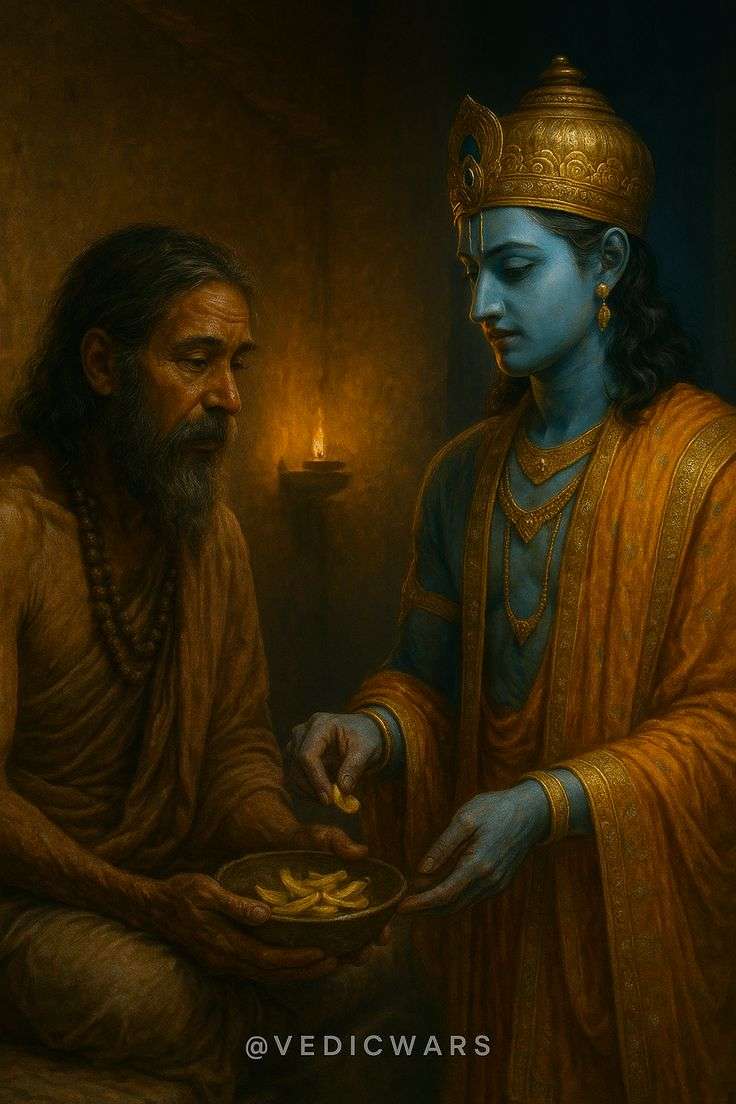
Lord Krishna held Vidura in the highest regard. When Krishna visited Hastinapura as a peace envoy, he rejected royal hospitality and chose to stay at Vidura’s humble home.
This episode highlights a profound truth:
True greatness lies not in wealth or status, but in character and righteousness.
Vidura’s devotion and simplicity earned divine respect.
Leadership Lessons from Vidura
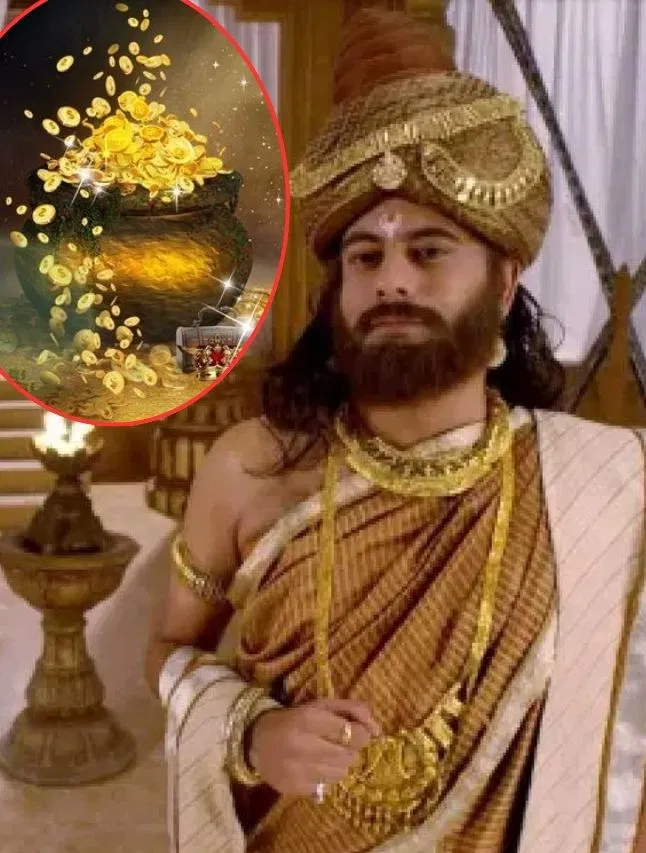
Vidura’s life offers powerful lessons for modern leaders, professionals, and decision-makers:
1. Ethics Over Power
Leadership without morality leads to ruin.
2. Speak Truth, Even When Unpopular
Vidura never compromised truth for comfort.
3. Impartial Governance
Justice must rise above personal relationships.
4. Wisdom Without Ego
True wisdom is humble, calm, and compassionate.
5. Silencing Good Advice Has Consequences
Ignoring ethical counsel invites disaster.
Relevance of Vidura in Today’s World
In today’s world of politics, business, and governance, Vidura represents:
- Ethical advisors ignored by power
- Whistleblowers warning against collapse
- Voices of conscience in corrupt systems
The Mahabharata teaches us that civilizations fall not because evil exists—but because wisdom is ignored.
Conclusion: Vidura (Vidura’s life) – The Eternal Moral Compass
Vidura may not have wielded weapons or worn a crown, but his wisdom surpasses kings and warriors. As the wisest man in the epic, the advisor to King Dhritarashtra, and the voice of dharma, Vidura stands as an eternal reminder that righteousness is the true foundation of power.
The tragedy of the Mahabharata is not that Vidura was wrong—
It is that he was right, and yet unheard.
In remembering Vidura, we remember the importance of conscience, courage, and moral clarity—values the world needs now more than ever.
20 FAQs on Vidura in the Mahabharata
1. Who was Vidura in the Mahabharata?
Vidura was the chief advisor to King Dhritarashtra and is regarded as the wisest man in the Mahabharata, known for his unwavering commitment to dharma.
2. Why is Vidura considered the wisest man in the epic?
Vidura combined moral integrity, political wisdom, and spiritual insight. His advice was impartial, ethical, and farsighted.
3. Who were Vidura’s parents?
Vidura was the son of Sage Vyasa and a maidservant of the Kuru palace.
4. Why did Vidura not become king of Hastinapura?
Due to his birth from a maidservant, societal norms prevented him from ascending the throne despite his capabilities.
5. What role did Vidura play in the Kuru court?
He served as the prime minister and chief counselor, guiding the king on matters of justice, governance, and morality.
6. What is Vidura Nīti?
Vidura Nīti is a collection of Vidura’s teachings on ethics, leadership, diplomacy, and righteous living.
7. Was Vidura an incarnation of a deity?
Yes, Vidura is believed to be an incarnation of Yama, the god of dharma and justice.
8. How did Vidura advise King Dhritarashtra?
Vidura urged the king to act justly, control his attachment to Duryodhana, and treat the Pandavas fairly.
9. What was Vidura’s stance on the Kurukshetra war?
Vidura strongly opposed the war and repeatedly warned that it would lead to total destruction and suffering.
10. Did Vidura support the Pandavas or the Kauravas?
Vidura did not support any faction; he stood only for dharma and truth.
11. What did Vidura say during Draupadi’s disrobing?
Vidura openly condemned the injustice and warned the Kuru court that adharma would bring ruin.
12. Why did Vidura leave Hastinapura?
Disheartened by the court’s refusal to uphold righteousness, Vidura left as a form of moral protest.
13. What is the significance of Vidura leaving the palace?
His departure symbolized the exit of dharma from Hastinapura, soon followed by its destruction.
14. How did Lord Krishna view Vidura?
Krishna respected Vidura deeply and chose to stay at his humble home instead of the royal palace.
15. What lesson does Krishna staying at Vidura’s house convey?
It teaches that devotion, humility, and righteousness matter more than wealth or status.
16. How did Vidura die?
Vidura renounced worldly life, merged his soul in meditation, and attained liberation.
17. What leadership lessons can we learn from Vidura?
Ethical leadership, courage to speak truth, impartial judgment, and humility are key lessons from Vidura’s life.
18. Why was Vidura’s advice often ignored?
His advice conflicted with personal attachments, ego, and ambition—especially Dhritarashtra’s love for Duryodhana.
19. What does Vidura represent in modern society?
Vidura symbolizes ethical advisors, whistleblowers, and voices of conscience within flawed systems.
20. Why is Vidura still relevant today?
His teachings on ethics, governance, and moral responsibility remain timeless and universally applicable.
For official cultural and historical archives, visit the Ministry of Culture, Government of India.

thank you