 Admin
Admin
About the Author
Raja Ratnam is a passionate researcher and writer specializing in Indian mythology and epic stories.
With years of experience studying texts like Ramayana, Mahabharata, Lakshmana from Ramayana and other cultural scriptures,
he brings insightful interpretations and practical lessons from these timeless stories.
Raja Ratnam believes in making mythology accessible and meaningful for modern readers,
helping them understand the moral, ethical, and cultural significance behind characters like
Ramudu, Laxman, Shani Deva, and many more.
Connect with the author: info@ratnamstrategy.com
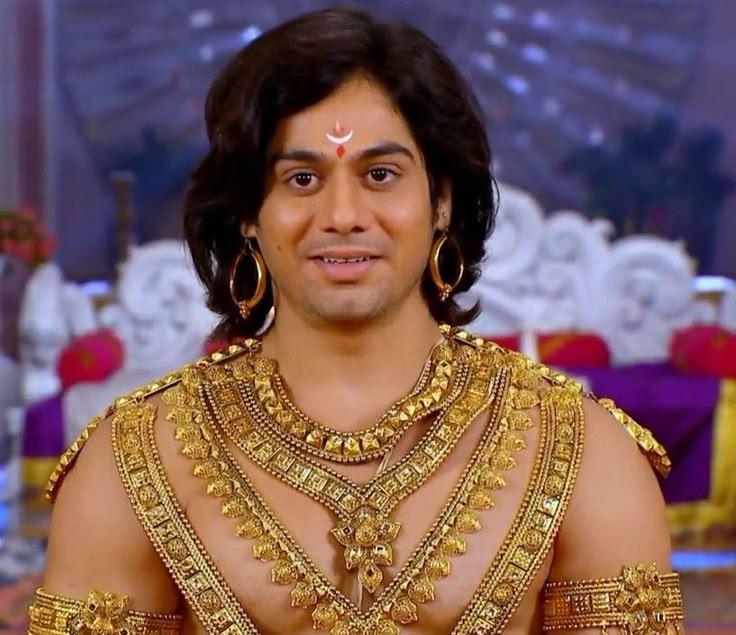
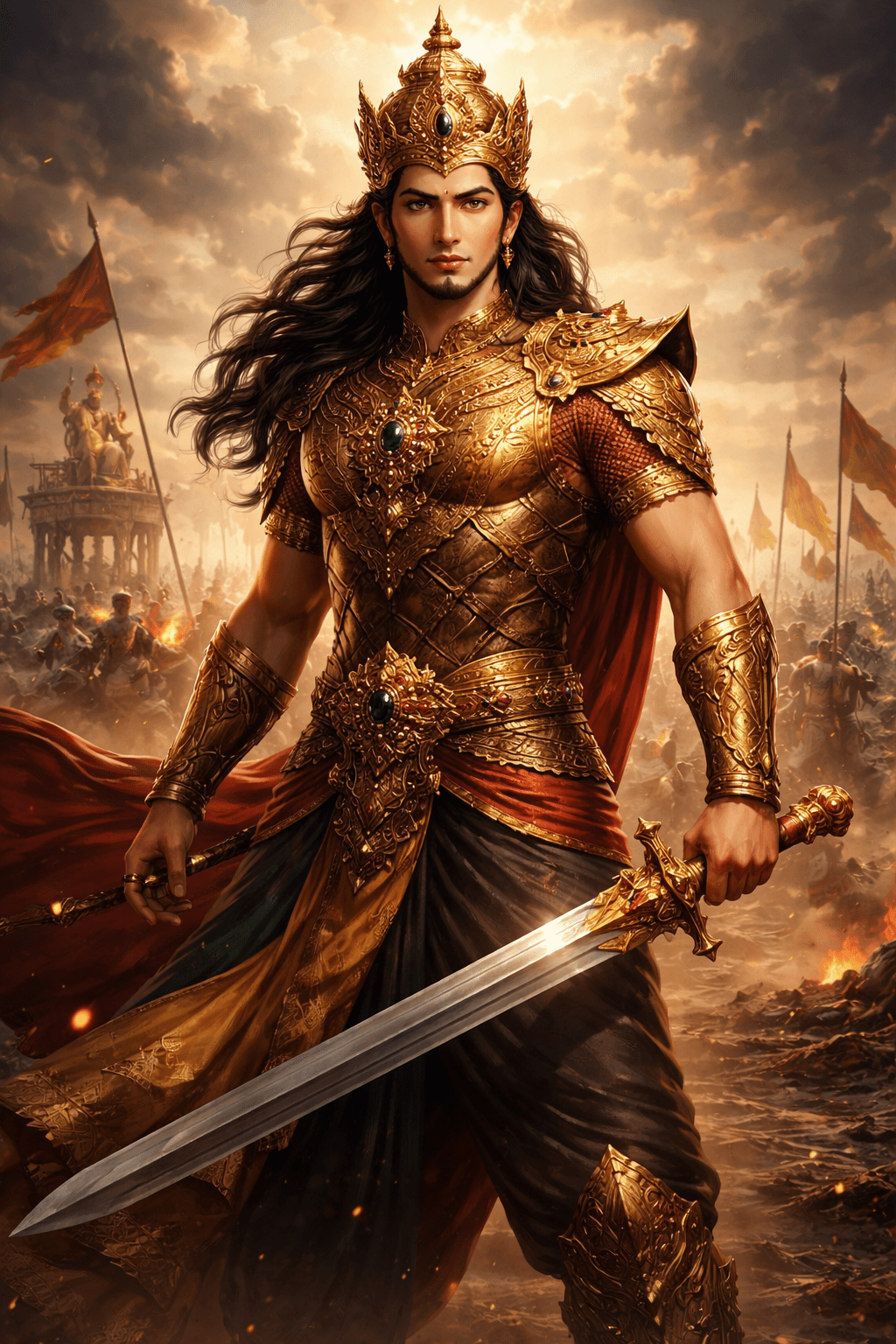
Lakshmana from Ramayana: In the timeless epic of the Ramayana, Lakshmana, the devoted younger brother of Lord Rama, stands not merely as a supporting figure but as a shining example of unwavering loyalty and selfless dedication, and courageous devotion. While Rama represents ideal kingship and dharma, Lakshmana represents ideal brotherhood and dedication. But how relevant is Lakshmana to today’s world, especially for the younger generation? Let’s explore.
Who is Lakshmana? Lakshmana from Ramayana
Throughout his 14-year exile, Lakshmana followed Rama following his heart, sacrificed royal comforts willingly, as he was deeply attached to him since childhood.
Lakshmana’s Key Qualities : Lakshmana from Ramayana
Devotion and Loyalty: Lakshmana followed Rama not out of obligation but love and devotion. His loyalty was unwavering.
Discipline and Obedience: He never questioned Rama’s decisions and upheld dharma without hesitation.
Valor and courage: He fought in war bravely, killing Ravana’s powerful son, Indrajit.
Respect for Women: Lakshmana always showed the highest regard for Sita Devi, treating her like a mother
Lakshmana’s Actions That Inspire Today
A. Sacrificing Comfort for Relationships
It reminds us of the importance of family bonds and standing by loved ones in today’s self-centered world.
B. Setting Boundaries – Lakshmana Rekha
The “Lakshmana Rekha” has become a metaphor for limits one should not cross. It teaches us to respect boundaries – in relationships, ethics, and responsibilities.
C. Respecting All
He showed that even in difficult times, one must treat others with dignity. His behavior towards Sita and elders is a lesson in humility and gender respect.
Lessons for the Youth : Lakshmana from Ramayana
Support your siblings and family even in tough times.
Don’t hesitate to sacrifice personal comfort for the greater good. some changes now
Be brave, but never arrogant.
Show compassion and humility in all relationships.
Always choose dharma (righteousness) even if it’s the harder path.
Lakshmana from Ramayana – A Forgotten Hero?
In today’s world, we often glorify leaders and heroes but forget those who walk beside them. Lakshmana teaches us that being a support system is equally noble. We don’t always have to be in the spotlight; sometimes, standing in the shadows and holding up the light is more powerful.
Inspiring Stories of Lakshmana from Ramayana
Lakshmana Chooses Exile Over Royal Comfort
When Lord Rama was exiled for 14 years, Lakshmana voluntarily chose to go with him, leaving behind the luxuries of the palace.
Inspiration:** Teaches us about selfless love, standing by our loved ones during difficult times, not just in good times.
A forest home is built by Lakshmana from Ramayana
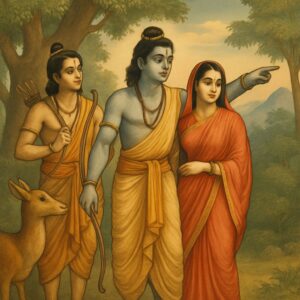
In the forest, Lakshmana built a hut (Parnasala) for Rama and Sita with his own hands, serving them like a devoted son and brother.
Inspiration:** Shows the dignity of labor, and how even princes can be humble when driven by love and duty.
Drawing the Lakshmana Rekha
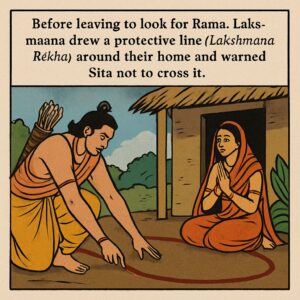
Before leaving to look for Rama, Lakshmana drew a protective line (Lakshmana Rekha) around their home and warned Sita not to cross it. some changes now
Inspiration:** A powerful metaphor for setting personal boundaries and safety limits, especially in today’s digital and emotional spaces.
Fighting and Defeating Indrajit
Lakshmana took on Indrajit (Meghanada), Ravana’s super-powerful son and one of Lanka’s strongest fighters. Even though he got hurt many times during the battle, Lakshmana didn’t give up. With divine blessings and his sharp strategy, he finally defeated Indrajit.
Inspiration:** Symbol of courage, resilience, and strategic thinking, even against powerful odds.
Staying Awake for 14 Years
Lakshmana took a vow not to sleep during the entire 14 years of exile so that he could protect Rama and Sita during the night.
Inspiration: This act of sacrifice and dedication teaches the value of alertness, commitment, and discipline in fulfilling responsibilities.
Respect Towards Sita
Throughout the journey, Lakshmana always addressed Sita Devi with utmost respect, treating her like a mother. He never even looked at her directly.
Inspiration: Highlights gender respect, moral restraint, and ethical behaviour — qualities very relevant in today’s world.
Silently Bearing Pain and Insults
In later parts of the Ramayana, Lakshmana was unfairly insulted and forced to leave when he disturbed Rama’s meditation. Yet, he accepted it silently and left, showing obedience to dharma.
Inspiration: Teaches emotional maturity, humility, and the ability to follow duty without ego.
Final Message
Lakshmana’s life is filled with silent strength, untold sacrifice, and loyal support.
Conclusion
Lakshmana from the Ramayana isn’t just a mythological character — his life is like a guide on how to live right. His loyalty, sacrifice, courage, and humility never go out of style. In today’s fast and confusing world, Lakshmana stands as a calm, steady role model. If we can carry even a little bit of his spirit in us — living with purpose, protecting with love, and serving with honesty — we’d be doing pretty great.
Lakshmana in the Ramayana is full of inspiring moments that reflect his bravery, loyalty, sacrifice, and moral strength.
- Who was Lakshmana?
Answer:
The selfless devotion he had for Rama was reflected in his loyalty, bravery, and bravery.
- Who were Lakshmana’s parents?
Answer:
King Dasharatha and Queen Sumitra had a son, Lakshmana.
- Which powerful warrior did Lakshmana defeat in the war against Lanka?
Answer:
Lakshmana defeated Ravana’s son, Indrajit (Meghanada), a mighty and skilled warrior.
- How long did Lakshmana stay awake during the exile?
Answer:
In Rama and Sita‘s exile, Lakshmana guarded and served them without sleeping for 14 years.
- How did Lakshmana treat Sita Devi during exile?
Answer:
He treated Sita Devi with utmost respect and regarded her as a mother, never even looking at her directly.
- What does Lakshmana represent in the Ramayana?
Answer:
Lakshmana represents **loyalty, selfless service, discipline, bravery, and humility.
- What was Lakshmana’s reaction when Rama was exiled?
Answer:
Lakshmana was angry and hurt, but remained calm. He decided to leave all luxuries behind and support Rama and Sita in their journey.
- What was Lakshmana’s fate after the Ramayana?
Answer:
According to later versions of the Ramayana, Lakshmana eventually sacrificed his life when he was unjustly asked to leave Rama’s presence, upholding dharma till the end.




Very beautiful & Readable website
thank you