 Raja Ratnam
Mahodara Avatar of Ganesha: lord Ganesha, the remover of obstacles, is worshipped in nine divine forms known as the Navavatars of Ganesha. Each avatar manifests to defeat a particular evil force and teach humanity a higher spiritual lesson. Among them, the Mahodara Avatar is especially revered for symbolizing wisdom, prosperity, and the balance of human desires.
The word Mahodara combines Maha (great) and Udara (belly), meaning “the one with the great belly.” Far from being a symbol of gluttony, the big belly carries profound spiritual meaning—it represents the entire universe and the ability to absorb both good and bad energies without disturbance.
Mahodara Avatar of Ganesha: The Story of Mahodara Avatar
The Mudgala Purana, a sacred text dedicated to Lord Ganesha, narrates the story of Mahodara.
Once, a powerful asura (demon) named Mochaka began terrorizing the three worlds. He was extremely cunning and thrived on feeding people’s greed, anger, and endless desires. The gods were troubled by his influence, as humans were drifting away from dharma (righteousness).
The devas prayed to Lord Ganesha for help. Responding to their call, Ganesha appeared in his Mahodara form—a mighty figure with an enormous belly, radiant like a thousand suns, and unmatched wisdom.
Instead of destroying Mochaka in a violent battle, Mahodara used a higher method—he absorbed all the negativity of the demon into his great belly. The energy of greed, anger, and arrogance lost its power inside him, and Mochaka was neutralized.
Through this act, it symbolized the idea that negativity cannot be destroyed solely through violence, but through containment, transformation, and wisdom.
Mahodara Avatar of Ganesha: Symbolism of the Big Belly
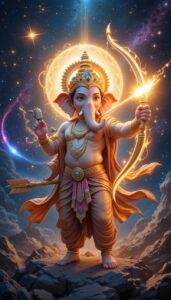
The large belly of Mahodara carries deep spiritual messages:
The Universe Within – His belly represents the whole cosmos, where everything—creation, preservation, and destruction—resides.
Absorption of Negativity – Just as Mahodara absorbed Mochaka’s evil, we too must learn to take in life’s difficulties calmly without being disturbed.
Balance of Desires – The belly reminds us that desires are endless, but wisdom teaches us how to manage and balance them.
Contentment & Prosperity – True wealth comes not from external riches but from inner satisfaction.
Compassion – Mahodara shows that even enemies can be subdued through patience and wisdom instead of pure aggression.
Mahodara Avatar of Ganesha: Worship of Mahodara
Devotees worship Mahodara Avatar to overcome greed, find prosperity, and cultivate inner peace.
How to Worship Mahodara:
Day: Tuesdays and Chaturthi are considered auspicious.
Offerings:
Modaks & Laddus – Ganesha’s favorite sweets
Red Flowers – Symbol of strength and purity
The Durva Grass symbolizes simplicity and humility
Mahodara Avatar of Ganesha :Mantra for Mahodara:
“Om Mahodaraya Namah”
Chanting this mantra daily is believed to help devotees balance their material and spiritual life.
For official cultural and historical archives, visit the Incredible India Official Tourism Authority.
Festivals & Rituals
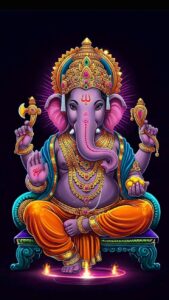
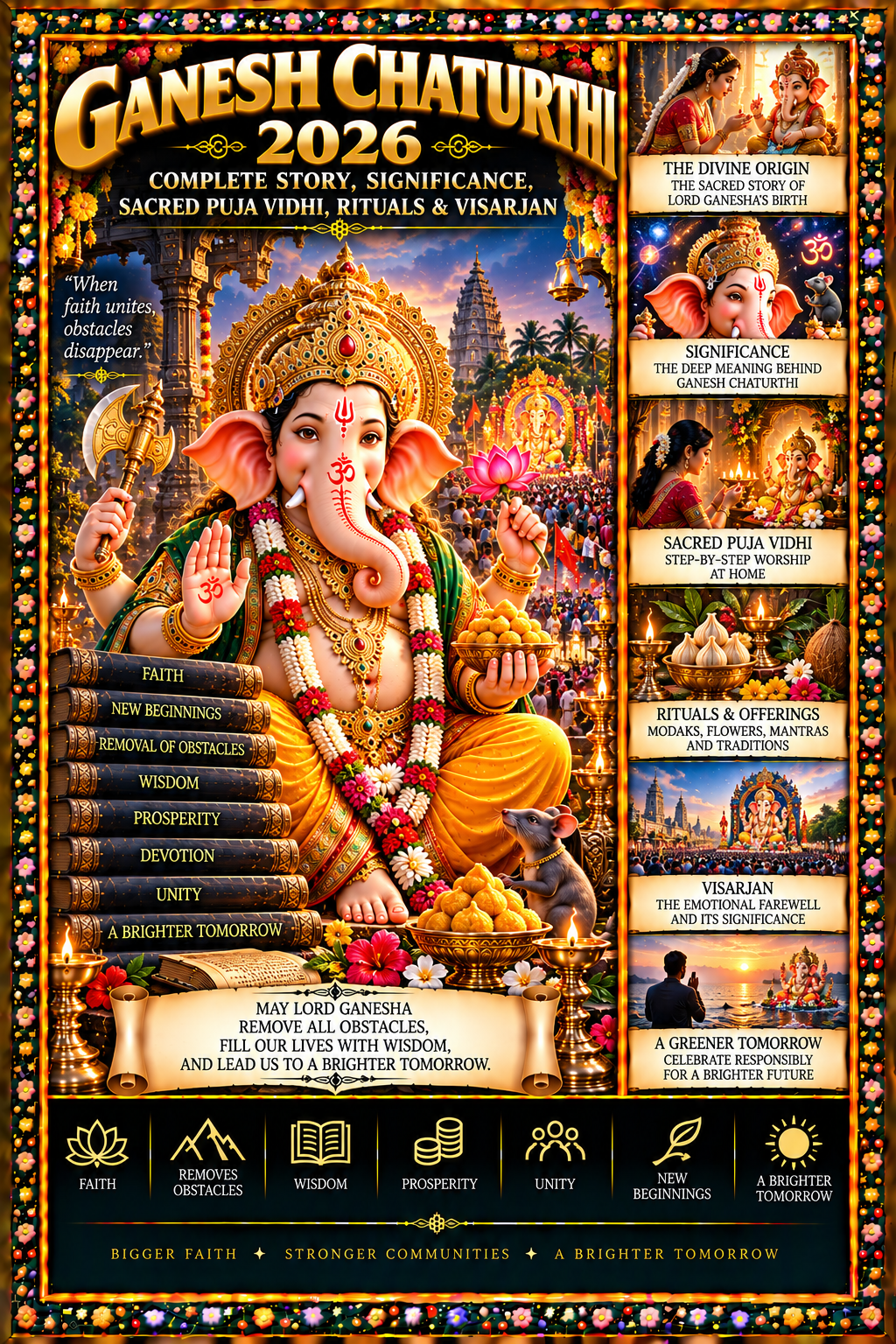
During Ganesh Chaturthi, devotees especially invoke Mahodara’s blessings for:
Relief from greed, over-attachment, and restlessness
Wealth and prosperity in the household
Peaceful resolution of conflicts
Wisdom to control desires
In many temples, Navagraha Vinayaka Puja is performed, where all nine avatars including Mahodara are worshipped. This ritual is believed to bring balance to life and protect devotees from negative planetary influences.
Spiritual Lessons from Mahodara
Containment of Negativity – Just as Mahodara absorbed Mochaka, we must learn to manage anger, greed, and ego instead of letting them control us.
Inner Contentment – Happiness does not come from endless possessions but from being satisfied with what we have.
Strength Through Balance – Life must be balanced between material prosperity and spiritual discipline.
Universal Oneness – The belly as the universe teaches us that all beings are interconnected and live within the divine order.
Cultural Significance
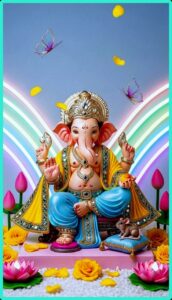
In South India, especially Tamil Nadu, Mahodara is worshipped during special Ganesh homams (fire rituals) for wealth and family harmony.
In Maharashtra, artists often depict Mahodara in Ganesh idols with a serene smile, holding sweets in one hand and a lotus in another.
In spiritual texts, Mahodara is seen as a symbol of Vishwaroopa (cosmic form)—a reminder that God can hold the entire universe within himself.
Related Sacred Topics & Cultural Heritage: For further spiritual exploration, read about Lord Rama’s ideal life story.
Conclusion : Mahodara Avatar of Ganesha
The Mahodara Avatar of Lord Ganesha is a profound symbol of prosperity, wisdom, and the power to balance desires. His big belly teaches us that the true strength of life lies not in fighting negativity with anger but in absorbing and transforming it with wisdom and compassion.
By meditating on and worshipping Mahodara, devotees receive blessings of wealth, peace, and the ability to live in harmony with both the material and spiritual worlds.
May Lord Mahodara bless you with abundance, inner peace, and the wisdom to overcome all obstacles.🙏
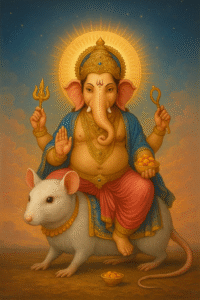
1.Who is Mahodara?
Mahodara is one of the forms of Lord Ganesha, known for his big round belly.
2. What does Mahodara mean?
His name literally means “Great Belly.”
3. Why does Mahodara have a big belly?
It stands for the whole universe, prosperity, and keeping our desires under control.
4.Which demon did Mahodara defeat?
He defeated a demon named Mochaka.
5. What does his belly represent?
It shows his power to take in and balance both good and bad energies.
6.Why is Mahodara special?
He teaches us to stay balanced, wise, and content in life.
7. Which avatar number is Mahodara?
He’s the third avatar among Ganesha’s nine forms.
8. Why do people worship Mahodara?
For prosperity, wisdom, balance, and to get rid of greed.
9. When should you worship him?
On Vinayaka Chaturthi or during your regular Ganesha prayers.
10. What does Mahodara teach us?
To manage our desires and stay spiritually grounded.
11. What weapon does he hold?
Just like Ganesha, he carries a noose, axe, and lotus.
12. Is he linked to prosperity?
Yes, he’s believed to bring abundance and wealth.
13. Which mantra is chanted for him?
“Om Mahodaraya Namah.”
14. How does he remove negativity?
By absorbing and calming negative energies.
15. What color is Mahodara shown in?
Usually in red or golden shades.
16.Is he worshipped at home?
Yes, many people pray to him for peace and prosperity.
17. Does he stand for contentment?
Absolutely—his big belly is a symbol of satisfaction and fullness.
18. Where is he mentioned?
In the stories of Ganesha’s nine avatars.
19.What blessings does he give?
Wealth, wisdom, and inner peace.
20. Why is Mahodara relevant today?
He reminds us to stay balanced and not let our desires control us.


thank you
Thiѕ post is pгiceless. How can I find out more?
Also visit my blog: fintechbase
earror came your blog