 Raja Ratnam
Vakratunda Ganapathi is a special form of Lord Ganesha that reminds us that no obstacle is too complicated for us to handle. Even his name says it all — Vakra means “curved” and Tunda means “trunk,” symbolizing life’s twists and turns. His bent trunk is like a message that the road may not always be straight, but if we keep going, we’ll win in the end.
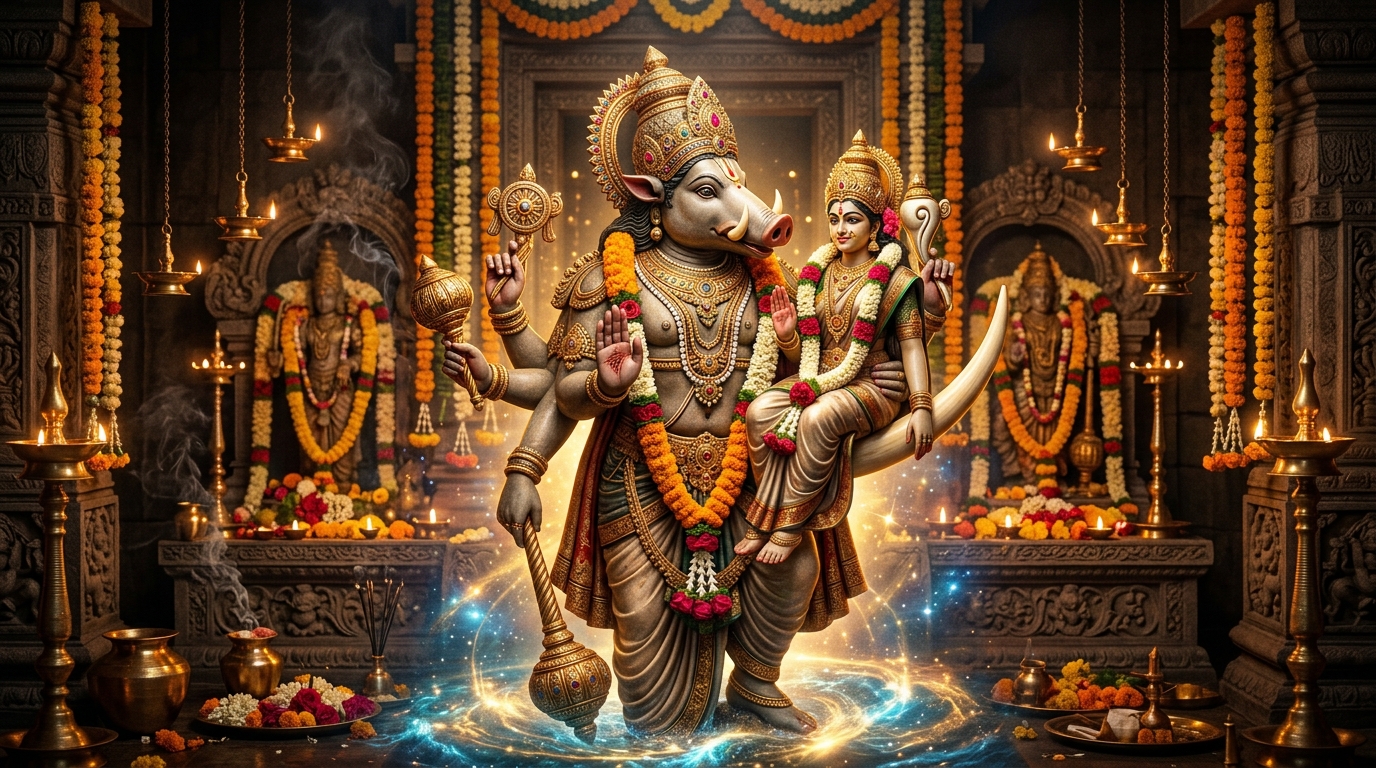
In this form, Ganesha holds an ankusha to guide us in the right direction and a pasha (noose) to pull away negativity. His calm, peaceful expression shows pure strength and inner balance. Praying to Vakratunda Ganapathi is believed to clear big hurdles from our path and fill us with courage, focus, and determination to succeed in whatever we aim for.
For official cultural and historical archives, visit the Ministry of Culture, Government of India.
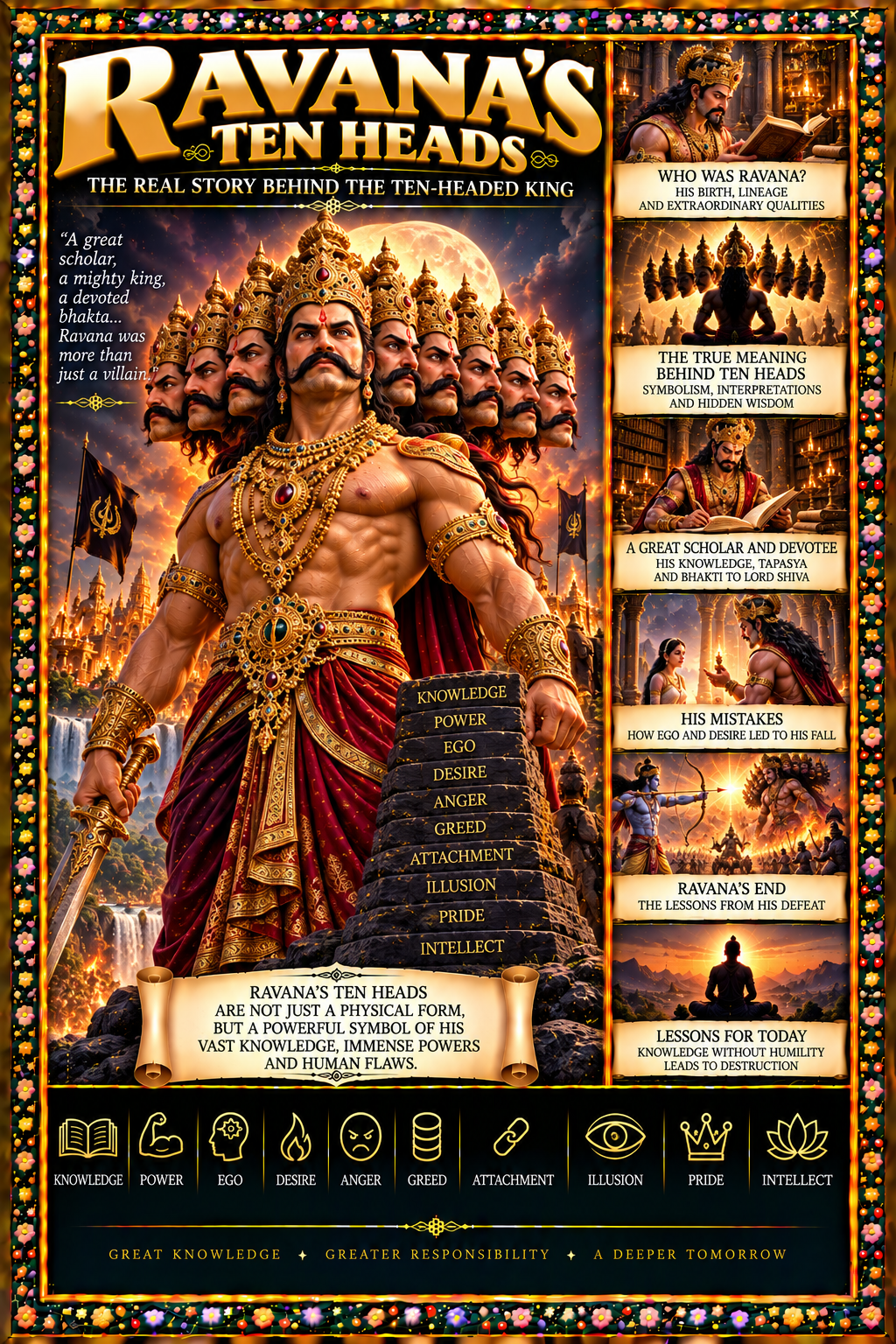
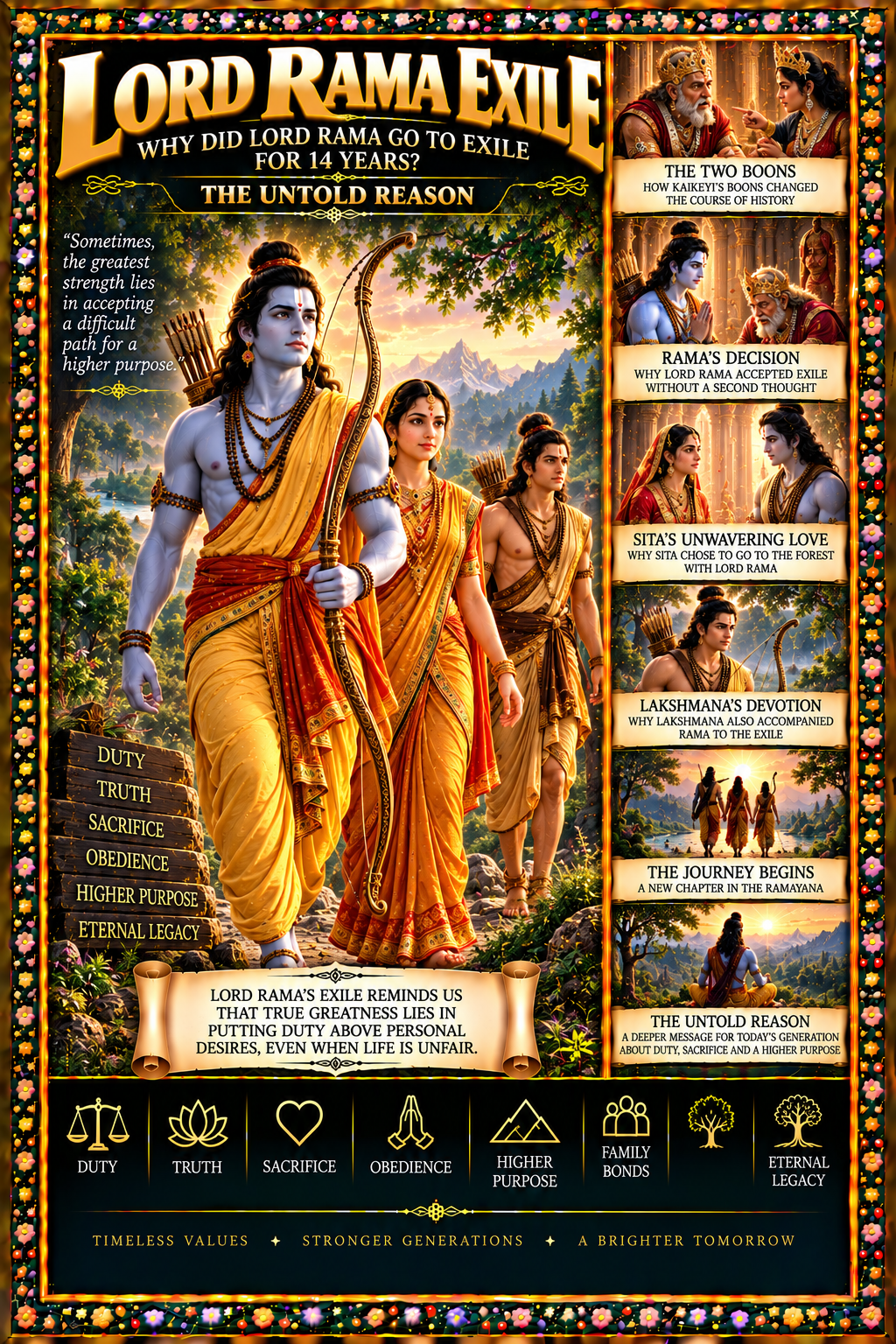
Related Sacred Topics & Cultural Heritage: For further spiritual exploration, read about Lord Rama’s ideal life story. For further spiritual exploration, read about the 14-year exile of Lord Rama. For further spiritual exploration, read about Ravana’s story in the Ramayana.
Origin and Significance of Vakratunda Ganapathi
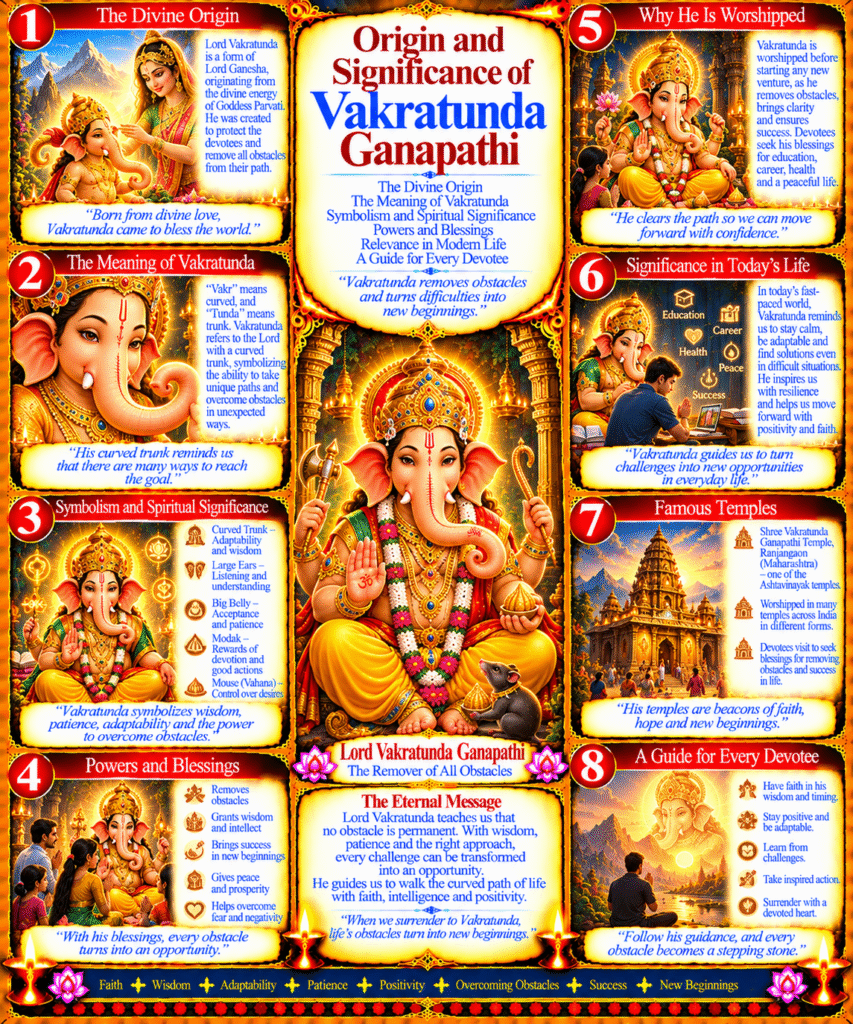
The origins of Vakratunda Ganapathi are deeply rooted in Ganapati Atharvashirsha and ancient Puranic stories. According to legend, this form appeared to restore balance in the universe when arrogance, ignorance, and malicious forces created chaos. Vakratunda, with his curved trunk symbolizing adaptability, demonstrated that even the most complex situations can be tackled with wisdom, patience, and strategic action.
The spiritual significance of this form is profound—the curve of his trunk mirrors the winding journey of human life, with all its unexpected turns. Vakratunda Ganapathi teaches us that the key to overcoming difficulties lies not in avoiding challenges, but in navigating them with intelligence and calm.
Iconography – The Divine Curved Trunk
The God iconography is rich with meaning:
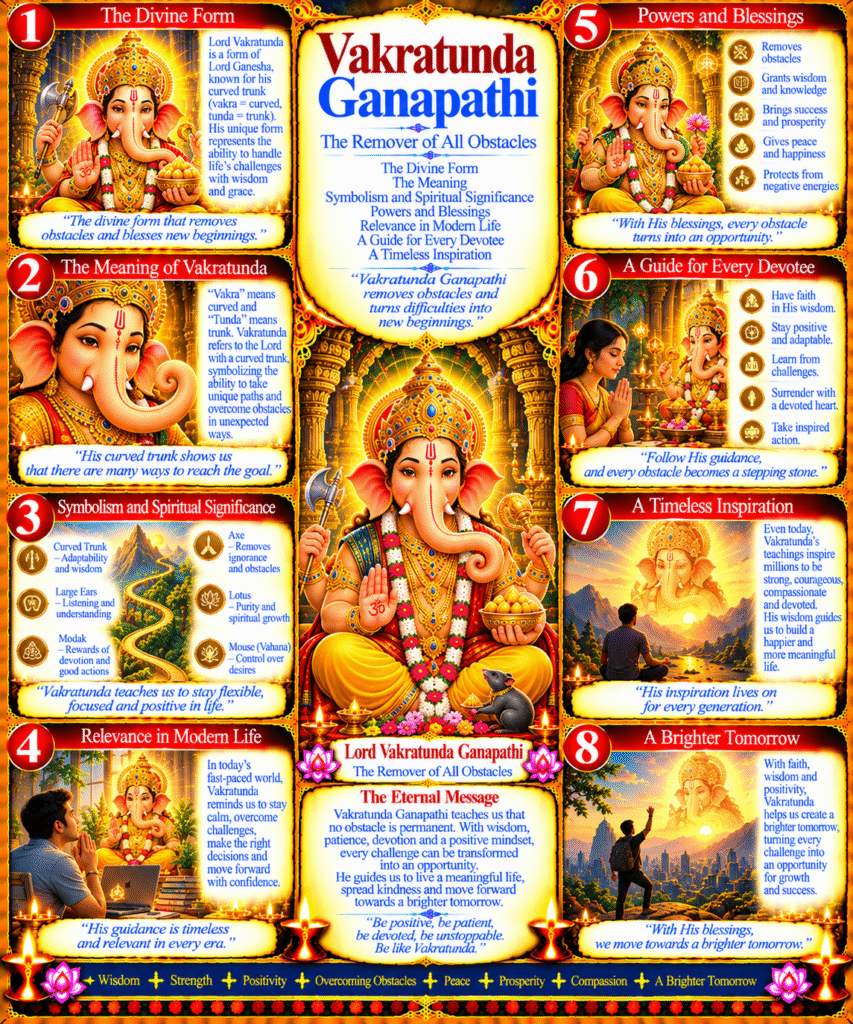
symbolisesA curved trunk: symbolizes adaptability and flexibility.
- Goad (Ankusha): Represents control over desires and the power to guide us towards righteousness.
- Noose (Pasha): Captures negative influences and removes ignorance.
- Calm Expression: Reflects the state of inner peace that comes from self-mastery.
- Golden or Red Attire: Signifies auspiciousness, energy, and divine strength.
In many depictions, Vakratunda is depicted as seated in the Padmasana posture, radiating authority and compassion, thereby representing both power and goodness.
The Symbolism Behind “Vakra” and “Tunda
The word “Vakra” represents curves, bends, and deviations from a straight path. This is a metaphor for life’s unpredictability. The word “Tunda” refers to the elephant trunk—an instrument of both great strength and delicate precision. Together, they symbolize the art of overcoming difficulties through flexibility, wisdom, and strength.
Vakratunda Ganapathi teaches that success often requires adapting to circumstances rather than resisting them, using both physical action and mental clarity to navigate challenges.
Benefits of Worshipping Vakratunda Ganapathi
Devotees believe that prayers to Vakratunda Ganapathi bring several divine blessings
- Removal of Major Obstacles:** Whether in career, relationships, or spiritual progress, his blessings clear the path for growth.
- Courage to Face Challenges: Strengthens mental resilience and fearlessness.
- Success in New Ventures: Ideal deity for beginnings—be it business, education, or creative pursuits.
- Protection from Negative Energies: Shields from jealousy, ill intentions, and harmful influences.
- Inner Peace and Clarity: Promotes calm thinking in stressful situations.
Rituals and Worship Practices
Chanting Mantras
There is a poem called Vakratunda Mahakaya Suryakoti Samaprabha, and Nirvighnam Kuru Me Deva Sarva Karyeshu Sarvada.
During this prayer, obstacles are to be removed and blessings are sought for smooth progress.
Offerings
- Modaks (sweet dumplings) – his favorite.
- The Durva Grass is a symbol of humility and devotion.
- Red Flowers – for auspiciousness.
Auspicious Days:
Wednesdays, Sankashti Chaturthi, and Ganesh Chaturthi are ideal for worship.
Meditation
When meditating, I visualize his calm, curved trunk form that gives me a feeling of strength and security.
Vakratunda Ganapathi in Modern Life
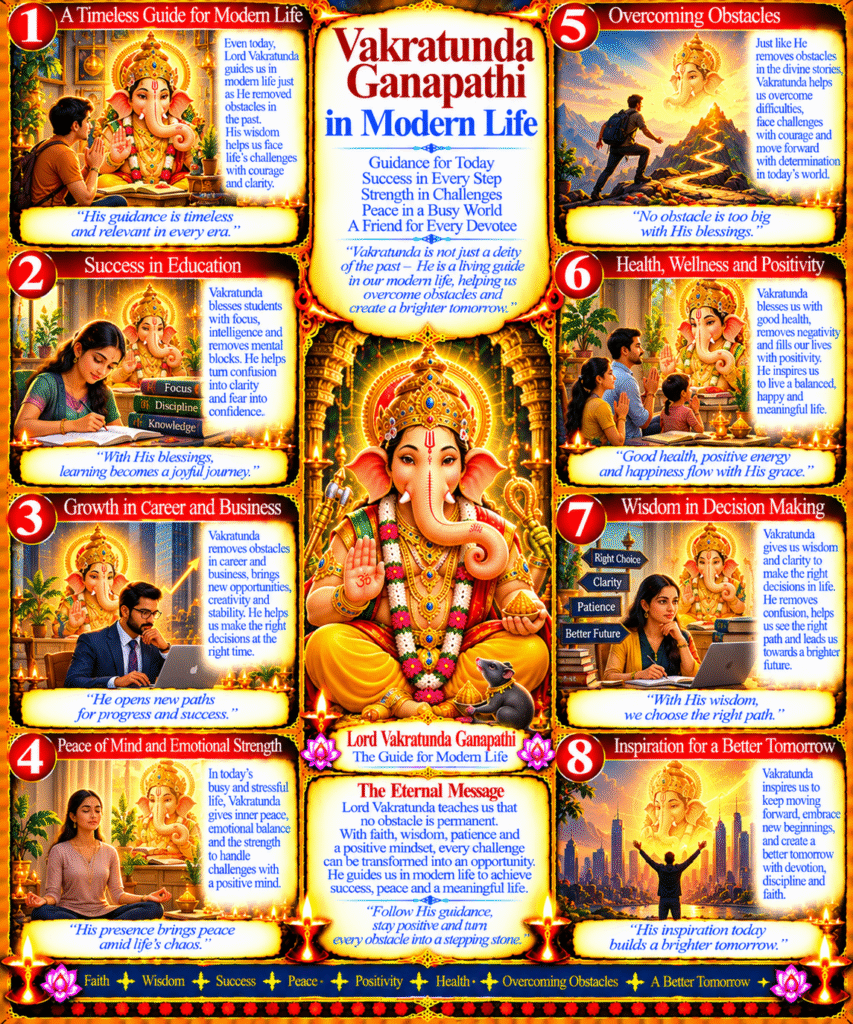
In today’s fast-paced, unpredictable world, Vakratunda Ganapathi’s symbolism is more relevant than ever. His form inspires us to:
- Adapt to changing circumstances without losing sight of our goals.
- Face adversity with calm confidence rather than fear.
- Stay grounded in moral values while navigating challenges.
Entrepreneurs seek his blessings before launching ventures, students pray to him before exams, and individuals turn to him during personal crises, trusting in his power to remove both visible and unseen obstacles
Spiritual Lessons from Vakratunda Ganapathi
- Flexibility is Strength: A rigid approach often leads to resistance; adaptability brings success.
- Inner Peace Fuels Outer Success: The calm mind is the most powerful weapon against chaos.
- Guidance and Discipline: Just as his goad directs, we must guide our thoughts and actions.
- Letting Go of Negativity: The noose removes toxic influences from our lives.
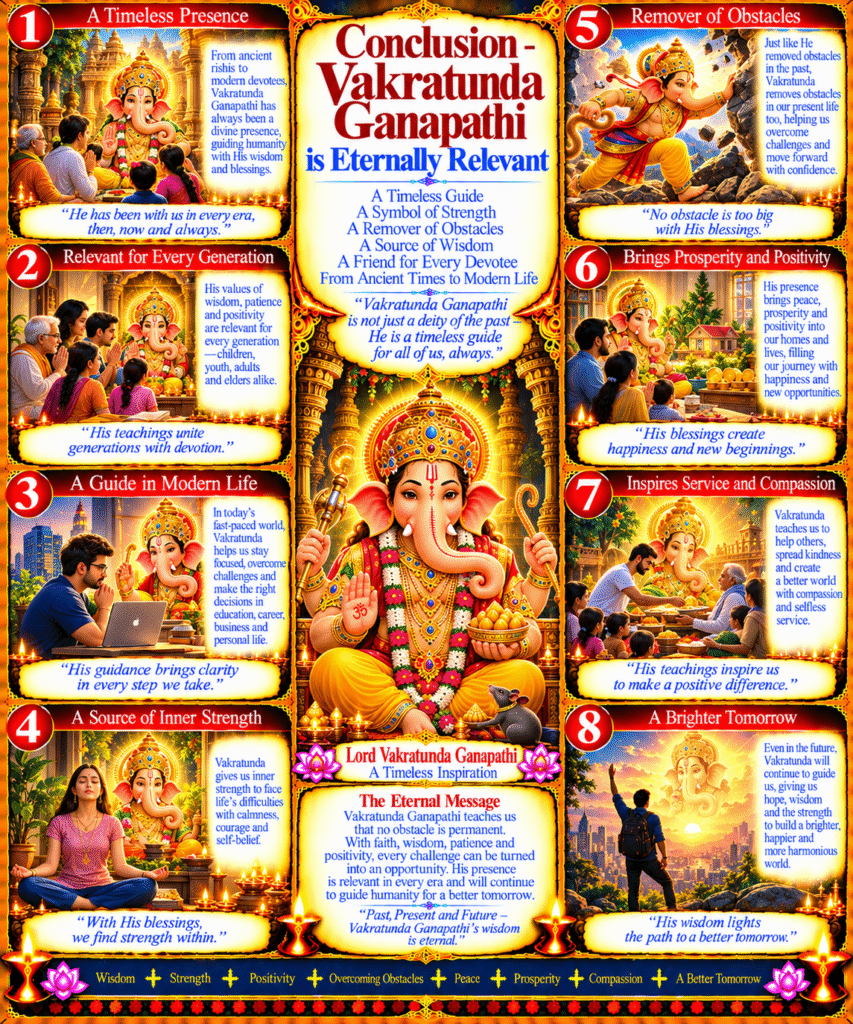
Conclusion – Vakratunda Ganapathi is eternally relevant
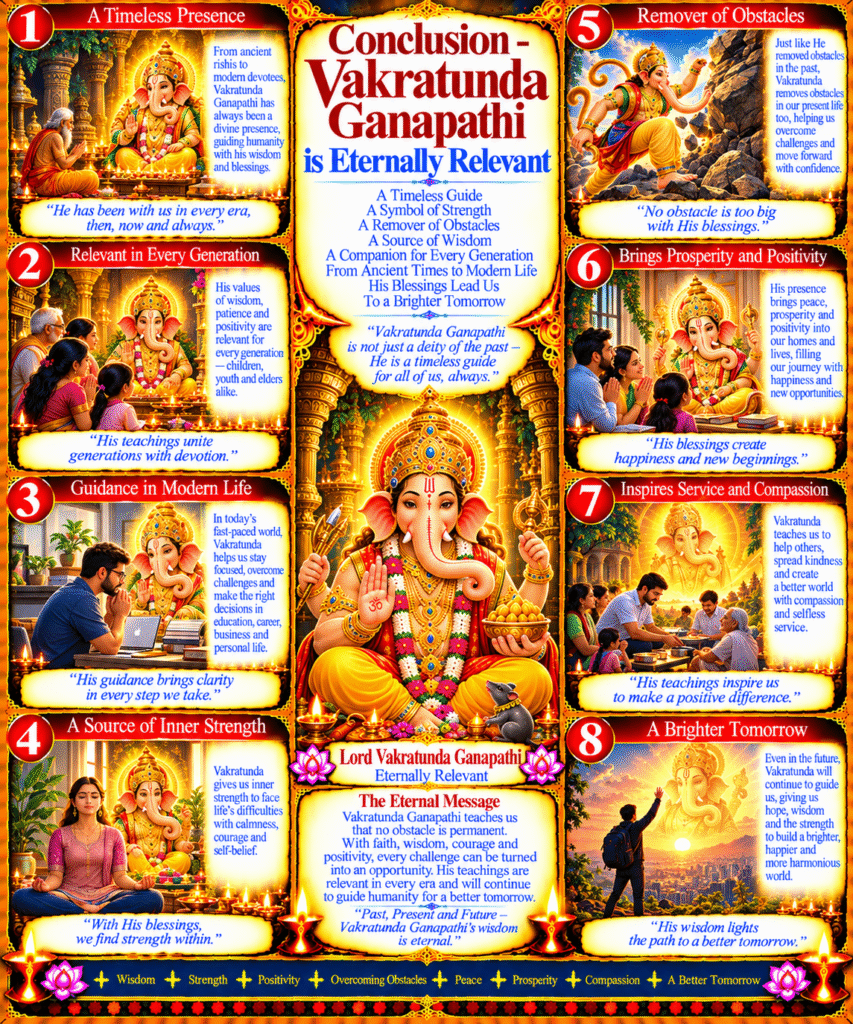
The God stands as a timeless reminder that every challenge has a solution, and even the most twisted paths can lead to success when approached with wisdom and courage. By worshipping him with devotion, we invite prosperity, resilience, and divine guidance into our lives.
Whether you are at the start of a new journey, facing a critical decision, or navigating a difficult phase, Vakratunda Ganapathi’s blessings ensure that you emerge victorious.
Vakratunda Ganapathi About FAQs
Q1: Who is Vakratunda Ganapathi?
A: Vakratunda Ganapathi is a form of Lord Ganesha with a curved trunk, symbolizing the ability to overcome even the most complex obstacles.
Q2: What does “Vakratunda” mean?
A: “Vakra” means curved in Sanskrit, and “Tunda” means trunk, referring to Ganesha’s curved trunk.
Q3: What does Vakratunda Ganapathi hold in his hands?
A: He usually holds a goad (ankusha) and a noose (pasha), representing guidance and the removal of negativity.
Q4: When is the best day to worship Vakratunda Ganapathi?
A: Wednesdays, Sankashti Chaturthi, and Ganesh Chaturthi are considered most auspicious.
Q5: What offerings are made to Vakratunda Ganapathi?
A: Devotees offer modaks, durva grass, and red flowers during worship.
Q6: What is the spiritual message of Vakratunda Ganapathi?
A: He teaches adaptability, patience, and wisdom in facing life’s challenges.
Q7: Is Vakratunda Ganapathi mentioned in the Puranas?
A: Yes! Vakratunda Ganapathi is mentioned in old Hindu texts, including the Ganapati Atharvashirsha and several Puranas. These scriptures talk about different forms of Ganesha, and Vakratunda is one of them.
Q8: How is Vakratunda Ganapathi different from other forms of Ganesha?
A: Vakratunda is known for his curved trunk and his role in overcoming twisted, complex challenges, unlike some other forms that focus on prosperity or wisdom.
Q9: Can Vakratunda Ganapathi be worshipped at home?
A: Yes, many devotees set up his idol at home and perform daily or weekly puja with mantras, flowers, and offerings.
Q10: What is the meaning of the goad (ankusha) in Vakratunda’s hand?
symbolisesA: The goad symbolizes guidance, helping devotees stay on the right path and avoid distractions.
Q11: What does the noose (pasha) represent in Vakratunda’s form?
A: The noose represents capturing and removing negative energies, ignorance, and harmful influences.
Q12: Which colors are associated with Vakratunda Ganapathi?
A: He is often depicted wearing golden or red attire, symbolizing energy, prosperity, and divine power.
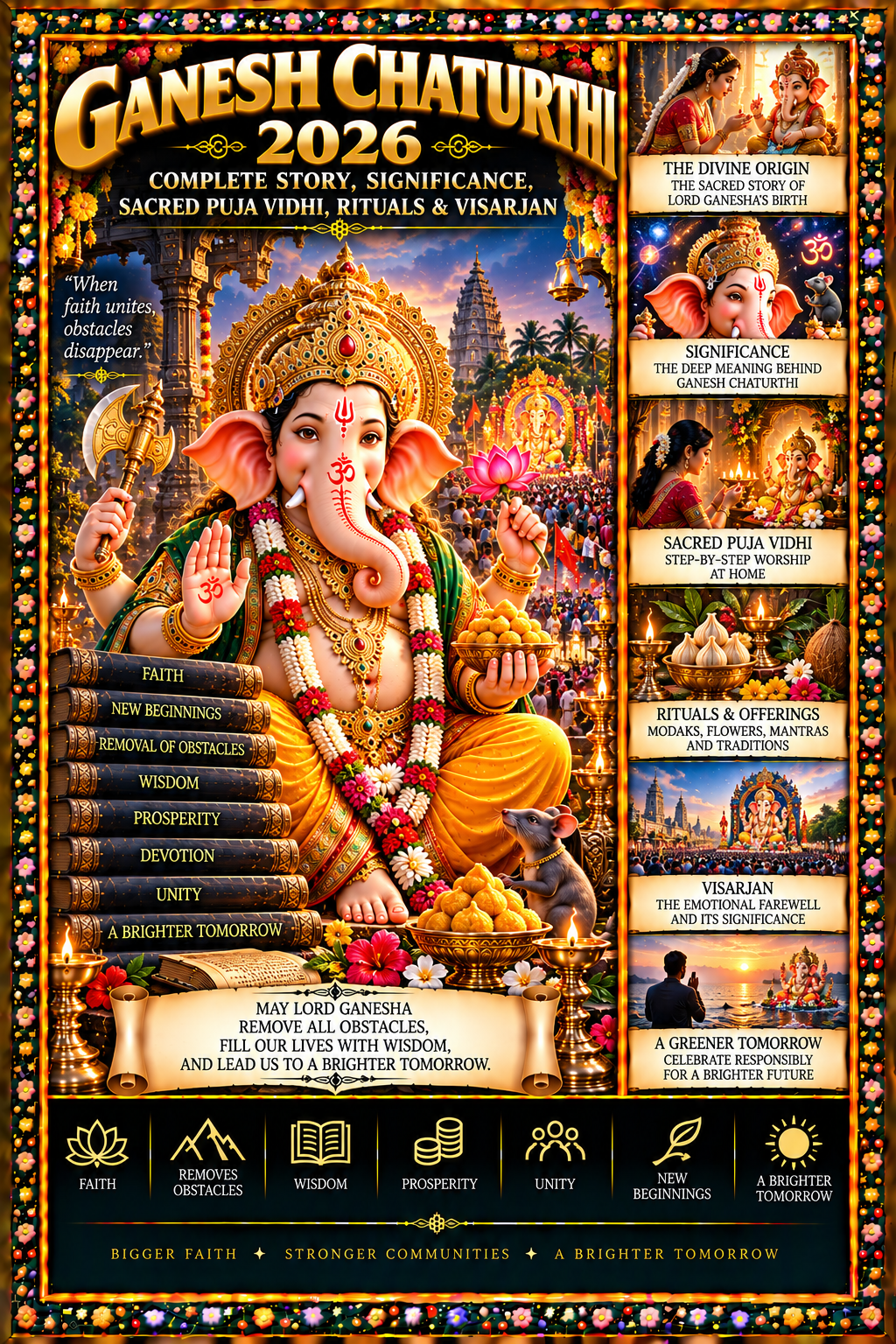
Q13: Is Vakratunda Ganapathi worshipped during Ganesh Chaturthi?
A:Yes, many devotees worship Vakratunda ganapati during Ganesh chaturthi celebration to remove obstacles
Q14: What life situations are ideal for seeking Vakratunda Ganapathi’s blessings?
A: His blessings are sought before starting new ventures, facing challenges, or overcoming setbacks.
Q15: How can meditation on Vakratunda Ganapathi help?
A: Meditating on his serene form promotes inner peace, focus, and resilience in difficult times.
Q16: Is there a special day dedicated solely to Lord Vakratunda Ganapathi?
A: While there is no exclusive festival, Wednesdays and Sankashti Chaturthi are considered highly favorable for his worship..

Thank you so much
thankyou