 Admin
Admin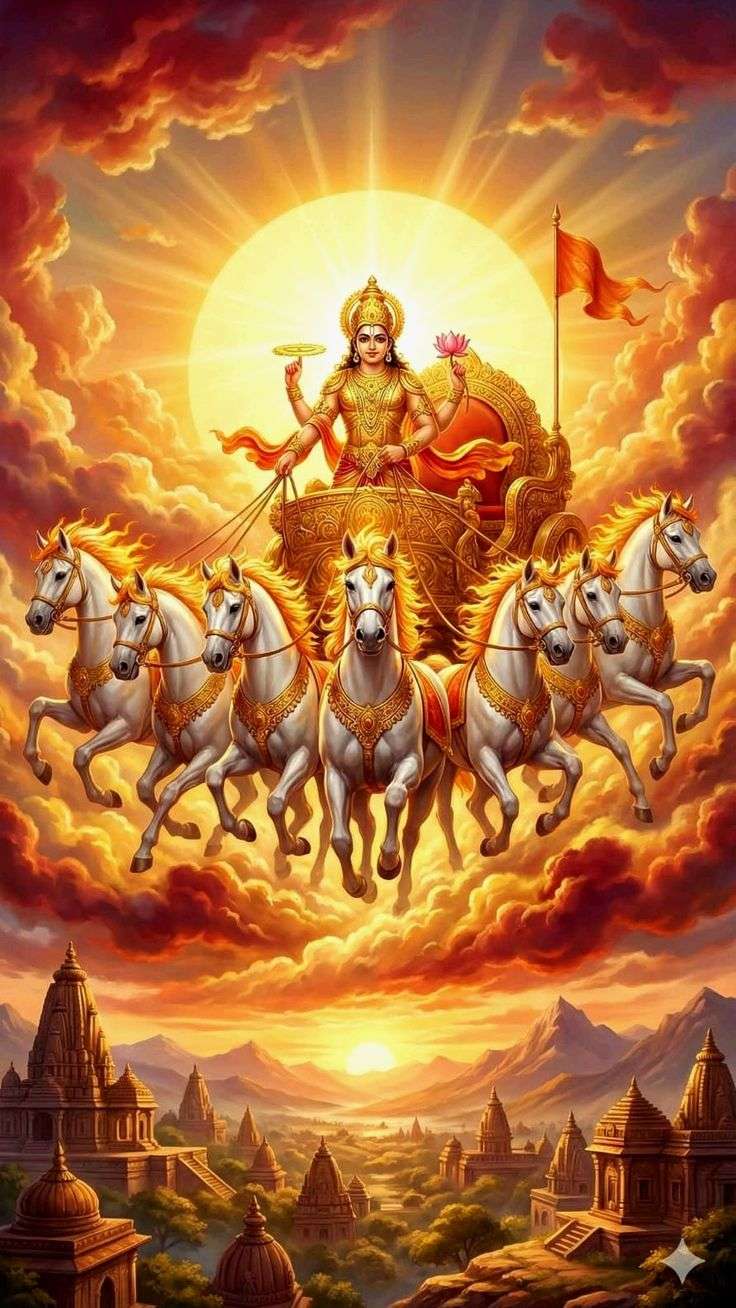
About the Author
Raja Ratnam is a passionate researcher and writer specialising in Indian mythology and epic stories.
With years of experience studying texts like Ramayana, Mahabharata, Rama Rajya Explained, Ghatotkacha, Festivals, Ratha Saptami 2026, Navagrahas, Ketu Deva and other cultural scriptures,
he brings insightful interpretations and practical lessons from these timeless stories.
Raja Ratnam believes in making mythology accessible and meaningful for modern readers,
helping them understand the moral, ethical, and cultural significance behind characters like Rama, Laxman, Shani Deva, and many more.
Connect with the author: info@ratnamstrategy.com
Introduction
Ratha Saptami is one of the most auspicious Hindu festivals dedicated to Lord Surya (the Sun God). Celebrated on the seventh day (Saptami) of the bright fortnight (Shukla Paksha) in the month of Magha, this festival holds deep spiritual, cultural, and scientific importance in Indian tradition. It marks the symbolic beginning of the Sun’s northward journey (Uttarayana) and is considered highly beneficial for health, prosperity, and spiritual growth.
What is Ratha Saptami? (Meaning of Ratha Saptami Festival)
The word Ratha means chariot and Saptami means seventh day. According to Hindu belief, on this sacred day, Lord Surya rides his divine chariot drawn by seven horses, symbolizing the seven colors of light, seven days of the week, and seven chakras of the human body.
Ratha Saptami is also known as:
- Surya Jayanti (Birth anniversary of Lord Surya)
- Magha Saptami
- Achala Saptami
This day signifies the awakening of solar energy on Earth and is considered ideal for new beginnings.
Significance of Ratha Saptami in Hinduism
Spiritual Significance of Ratha Saptami
Ratha Saptami is believed to destroy sins, remove negative energies, and bring divine blessings. Worshipping the Sun God on this day is said to improve clarity of mind, inner strength, and spiritual awareness.
Many devotees perform:
- Surya Namaskar (Sun Salutation)
- Chanting of Aditya Hridayam
- Offering water (Arghya) to the rising sun
These practices help purify the soul and enhance positive vibrations.
Scientific & Health Benefits of Ratha Saptami
Ancient sages understood the connection between the Sun and human health. Ratha Saptami usually falls during the transition from winter to spring, when sunlight becomes more beneficial for the human body.
Sun exposure on this day is believed to:
- Improve immunity
- Enhance vitamin D levels
- Boost metabolism
- Promote mental well-being
This shows how Indian traditions beautifully blend spirituality with scientific wisdom.
Cultural Traditions and Rituals of Ratha Saptami
Across India, Ratha Saptami is celebrated with devotion and traditional rituals. People wake up early, take holy baths, decorate their homes with rangoli, and prepare special offerings.
A unique tradition followed in many households is placing Calotropis (Arka) leaves on the head and shoulders while taking a bath, symbolizing purification and healing.
Special dishes like sweet pongal, khichdi, payasam, and jaggery-based sweets are prepared as offerings to Lord Surya.
Mythological Story of Ratha Saptami (Ratha Saptami Katha)
According to Hindu mythology, King Kamboja once neglected his duties toward his parents in his previous birth and was cursed. In his next birth, he had a son who performed sincere worship of Lord Surya on Ratha Saptami. Pleased with the devotion, Lord Surya blessed them, freeing them from their karmic suffering.
This story highlights the belief that Ratha Saptami has the power to cleanse past karma and bring divine grace.
Importance of Ratha Saptami in Modern Life
In today’s fast-paced world, festivals like Ratha Saptami remind us to reconnect with nature and cosmic energy. The Sun is the primary source of life on Earth, and honoring it encourages gratitude, discipline, and positive living.
Celebrating Ratha Saptami promotes:
- A healthy lifestyle through early rising and yoga
- Mental peace through prayer and meditation
- Positive energy through gratitude and devotion
Ratha Saptami Strategy for Personal Growth & Success

Beyond religious belief, Ratha Saptami can also be seen as a powerful life strategy. Just like the Sun begins its renewed journey on this day, individuals can use this occasion as a reminder to:
- Start fresh with new goals
- Leave behind negativity and self-doubt
- Focus on discipline and consistency
- Move toward personal and professional success
The seven horses of the Sun’s chariot can symbolize:
- Determination
- Discipline
- Knowledge
- Energy
- Patience
- Positivity
- Self-control
By following these principles, anyone can move toward a brighter future.
Conclusion: True Meaning of Ratha Saptami
Ratha Saptami is not just a festival—it is a celebration of light over darkness, knowledge over ignorance, and hope over despair. It teaches us to respect nature, live with discipline, and continuously move toward growth, just like the Sun on its eternal journey across the sky.
By understanding the deeper meaning of Ratha Saptami, we can transform this sacred day into a source of inspiration for a healthier, more meaningful, and more successful life.
May Lord Surya bless you with good health, wisdom, success, and happiness on this auspicious occasion of Ratha Saptami 2026.
Ratha Saptami FAQs
1. What is Ratha Saptami?
Ratha Saptami is a Hindu festival dedicated to Lord Surya, celebrated on the seventh day of Magha month.
2. Why is Ratha Saptami celebrated?
It is celebrated to honor the Sun God and mark the symbolic beginning of the Sun’s northward journey (Uttarayana).
3. When is Ratha Saptami in 2026?
Ratha Saptami falls in the month of January 2026 (exact date depends on the Hindu calendar).
4. What is the significance of Ratha Saptami?
It symbolizes light over darkness, knowledge over ignorance, and positive energy over negativity.
5. Who should worship on Ratha Saptami?
Anyone seeking good health, success, peace, and spiritual growth can observe this auspicious day.
6. What are the benefits of worshipping Lord Surya on Ratha Saptami?
It is believed to improve health, bring prosperity, and remove negative karma.
7. What rituals are performed on Ratha Saptami?
People take holy baths, offer water to the Sun, perform Surya Namaskar, and chant mantras.
8. What is Surya Arghya?
Surya Arghya is the ritual of offering water to the rising Sun as a sign of respect and gratitude.
9. Why are Arka leaves used during bath on Ratha Saptami?
They symbolize purification and are believed to have healing properties.
10. What foods are offered on Ratha Saptami?

Sweet pongal, khichdi, payasam, jaggery sweets, and fruits are commonly offered.
11. Is fasting important on Ratha Saptami?
Fasting is optional but considered beneficial for spiritual cleansing.
12. What is the mythological story behind Ratha Saptami?
It is linked to King Kamboja’s story, showing how sincere devotion to Surya can remove past sins.
13. Is Ratha Saptami considered Surya Jayanti?
Yes, many believe Ratha Saptami marks the birth anniversary of Lord Surya.
14. How does Ratha Saptami contribute to science?
It falls during seasonal transition when sunlight helps improve immunity and Vitamin D absorption.
15. Can children perform Ratha Saptami rituals?
Yes, children can participate in prayers and Surya Namaskar under guidance.
16. Why is the Sun worshipped in Hinduism?
The Sun is considered the source of life, energy, knowledge, and consciousness.
17. What is the meaning of the seven horses of Surya’s chariot?
They represent seven days, seven colors, seven chakras, and seven energies of life.
18. How can Ratha Saptami inspire modern life?
It encourages discipline, positivity, gratitude, and new beginnings.
19. Can Ratha Saptami be celebrated at home?
Yes, simple prayers, meditation, and gratitude to the Sun can be done at home.
20. What is the best message of Ratha Saptami?
It teaches us to move forward in life with hope, energy, and continuous self-improvement.


Surya Deva Namonamaha 🙏
thanks