Rahu Deva — The Shadow Planet of Illusion, Obsession, and Transformation

About the Author

Raja Ratnam is a passionate researcher and writer specializing in Indian mythology and epic stories.
With years of experience studying texts like Ramayana, Mahabharata, Navagraha’s Rahu Deva and other cultural scriptures,
he brings insightful interpretations and practical lessons from these timeless stories.

Raja Ratnam believes in making mythology accessible and meaningful for modern readers,
helping them understand the moral, ethical, and cultural significance behind characters like
Rama, Laxman, Shani Deva, and many more.

Connect with the author: info@ratnamstrategy.com

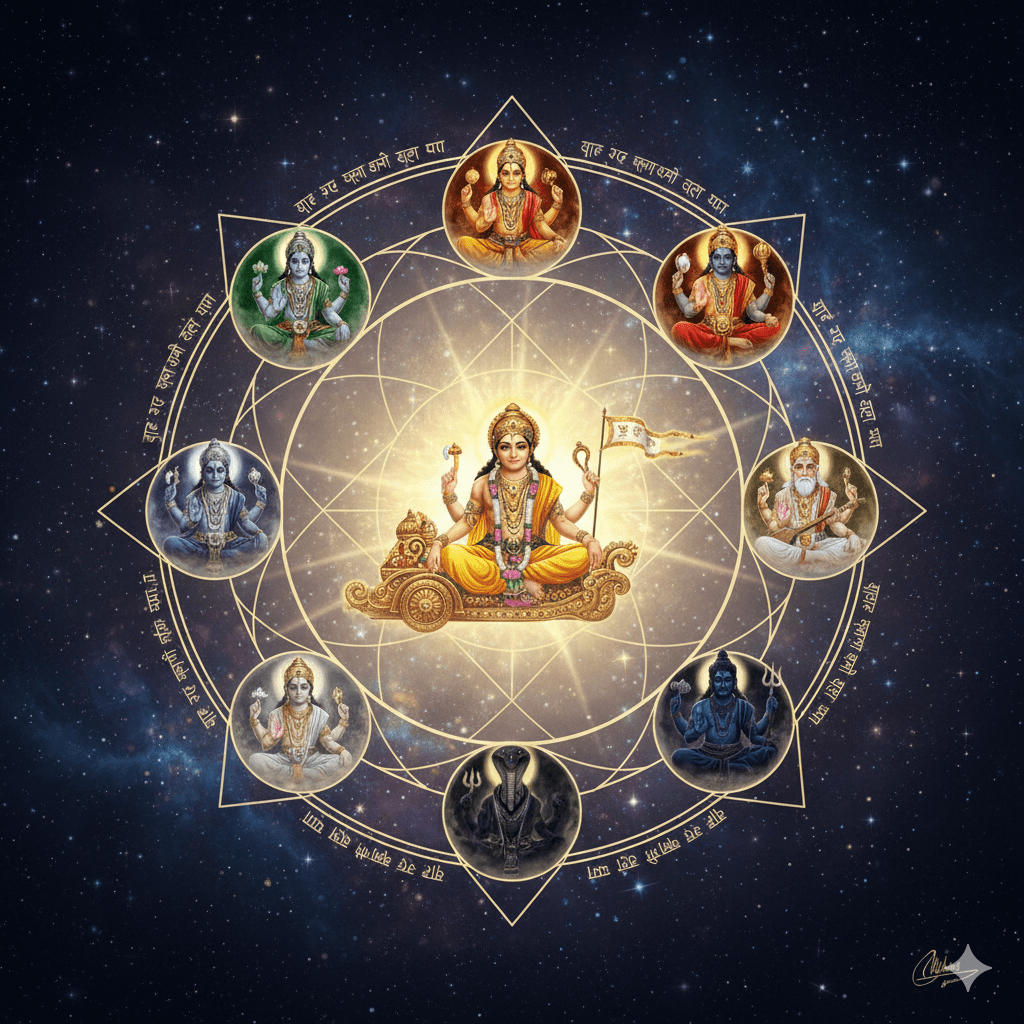
Introduction — Rahu Deva It is the invisible force that shapes destiny

Among the Navagrahas, Rahu Deva is the most mysterious, feared, and misunderstood force.
He has no physical body, no light of his own — yet his influence is powerful enough to alter destinies, create kings, destroy empires, and awaken souls.

Rahu represents:

  • Illusion (Maya)
  • Obsession & ambition
  • Desire without limits
  • Sudden rise & sudden fall
  • Foreign, unconventional paths
  • Technology, media, mass influence
  • Transformation through chaos

If Surya gives clarity and Mangala gives action,
Rahu tests the soul by blurring truth — forcing growth through confusion.

Rahu is not evil.
He is the teacher of hidden karma.

Mythological Origin of Rahu Deva

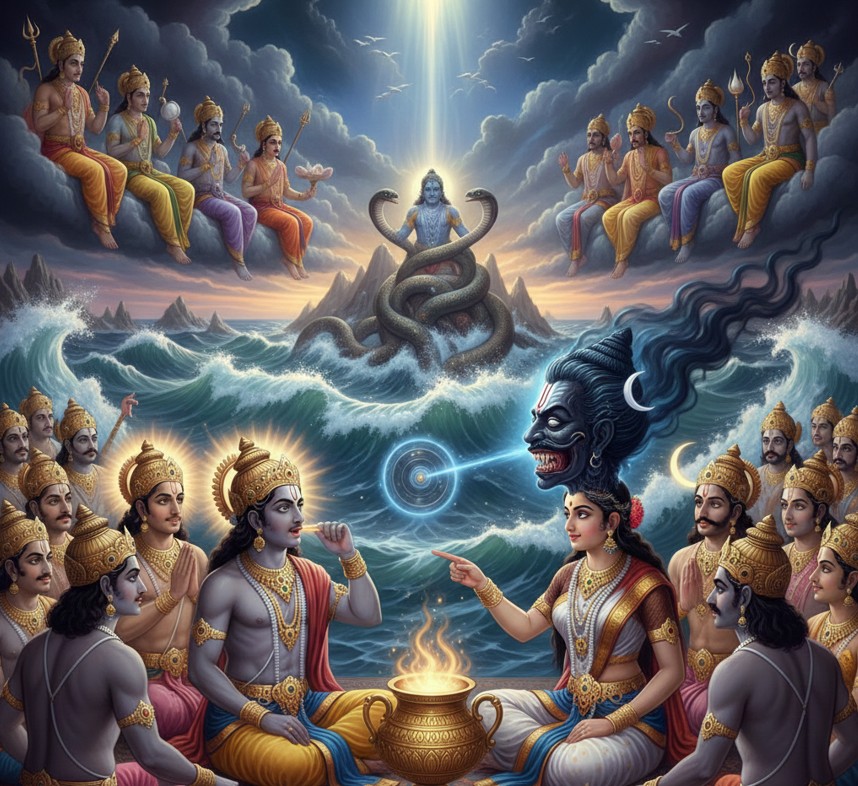
The origin of Rahu comes from the legendary Samudra Manthan (Churning of the Ocean of Milk).

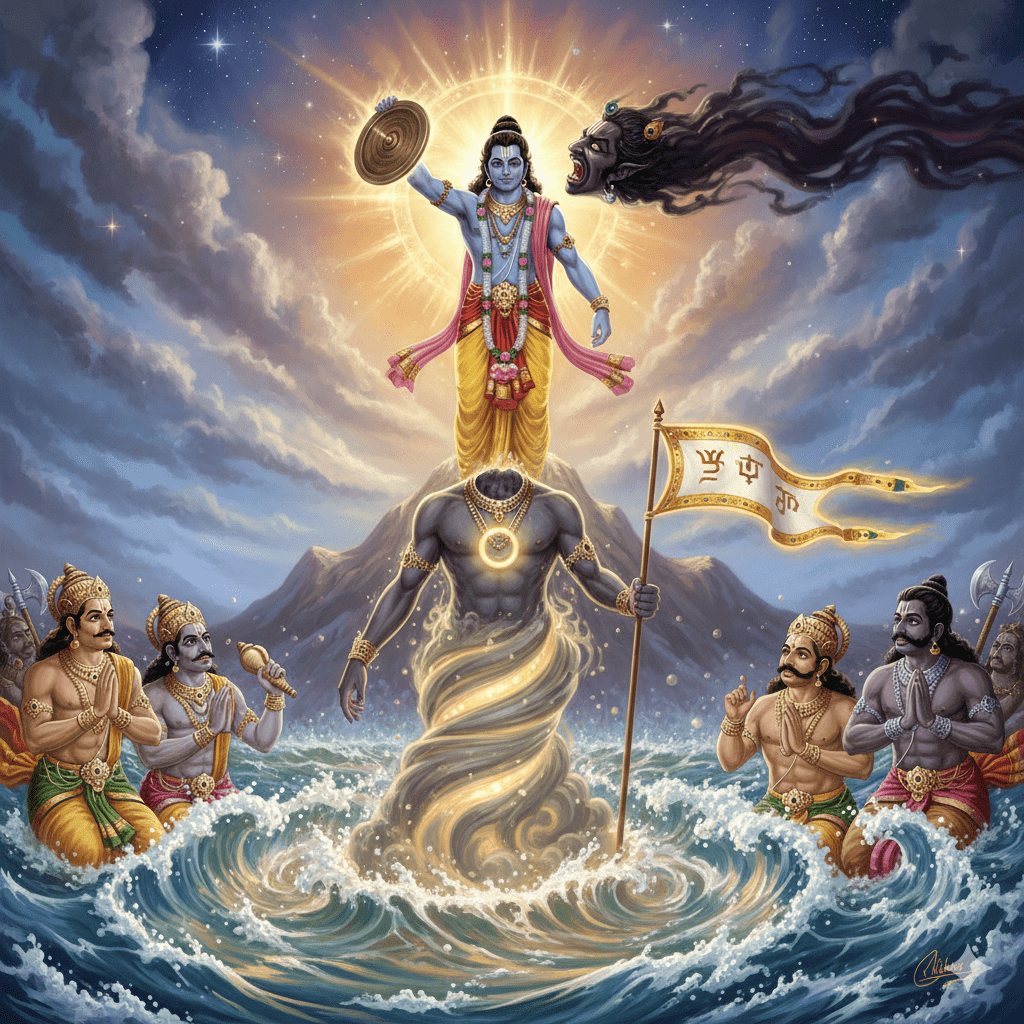
When the Devas and Asuras churned the ocean for Amrita (nectar of immortality), Lord Vishnu appeared as Mohini to distribute it only to the Devas.

An Asura named Svarbhanu disguised himself as a Deva and secretly drank the Amrita.
Before the nectar could reach his stomach, Surya (Sun) and Chandra (Moon) exposed him.

In anger, Lord Vishnu beheaded him with the Sudarshana Chakra.

But since he had already tasted Amrita:

  • The head became Rahu
  • The body became Ketu

Rahu survived — immortal, bodiless, and eternally hungry.

From that moment, Rahu swore revenge on the Sun and Moon —
causing solar and lunar eclipses by swallowing them temporarily.

This myth symbolizes unfulfilled desire, ego, illusion, and karmic hunger.

Rahu is mentioned in:

Rahu Deva in Hindu Scriptures

  • Bhagavata Purana
  • Vishnu Purana
  • Mahabharata
  • Brahmanda Purana

Scriptures describe Rahu as:

  • Master of deception
  • Lord of illusion (Maya)
  • Controller of eclipses
  • Influencer of mass consciousness

Yet, sages clearly state:

“Rahu punishes ignorance, but rewards awareness.”

Rahu is not bound by dharma or adharma —
he magnifies whatever already exists within a person.

Astrological Significance of Rahu
Rahu Deva

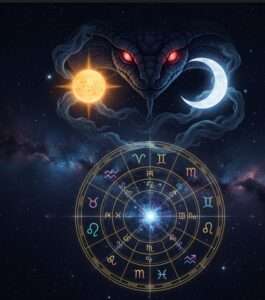
Vedic astrology considers Rahu to be a Chhaya Graha (shadow planet).

He has no rulership of zodiac signs, but his placement dominates charts.

Rahu governs:

  • Ambition
  • Addiction
  • Fame & scandal
  • Politics & power
  • Technology & AI
  • Foreign lands
  • Sudden success
  • Obsessive thinking

A strong Rahu can make someone:

✔ Extremely successful
✔ Mass influencer
✔ Powerful leader
✔ Innovator
✔ Unconventional genius

A weak or afflicted Rahu can cause:

✘ Anxiety
✘ Illusion
✘ Addiction
✘ Ego
✘ Fear
✘ Sudden downfall

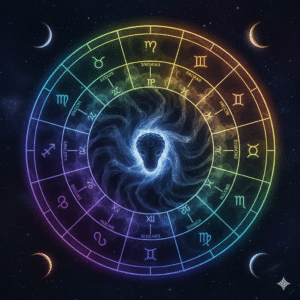
Rahu in the Twelve Houses — The Karmic Test
Rahu Deva

1st House: Strong ego, magnetic personality, identity confusion
2️⃣ 2nd House: Obsession with wealth or speech issues
3️⃣ 3rd House: Boldness, manipulation skills
4️⃣ 4th House: Emotional unrest, relocation
5️⃣ 5th House: Risk-taking, speculative mind
6️⃣ 6th House: Victory over enemies, strong survival instinct
7️⃣ 7th House: Unusual relationships, obsession in marriage
8️⃣ 8th House: Deep transformation, occult mastery
9️⃣ 9th House: Questioning belief systems
🔟 10th House: Political power, mass fame
1️⃣1️⃣ 11th House: Sudden wealth, influential circles
1️⃣2️⃣ 12th House: Foreign life, spiritual awakening or escapism

Rahu Deva Dosha (Affliction of Rahu)

Rahu Dosha may cause:

  • Sudden instability
  • Mental stress
  • Addiction
  • Fear & paranoia
  • Career confusion
  • Relationship deception

Rahu Deva Remedies

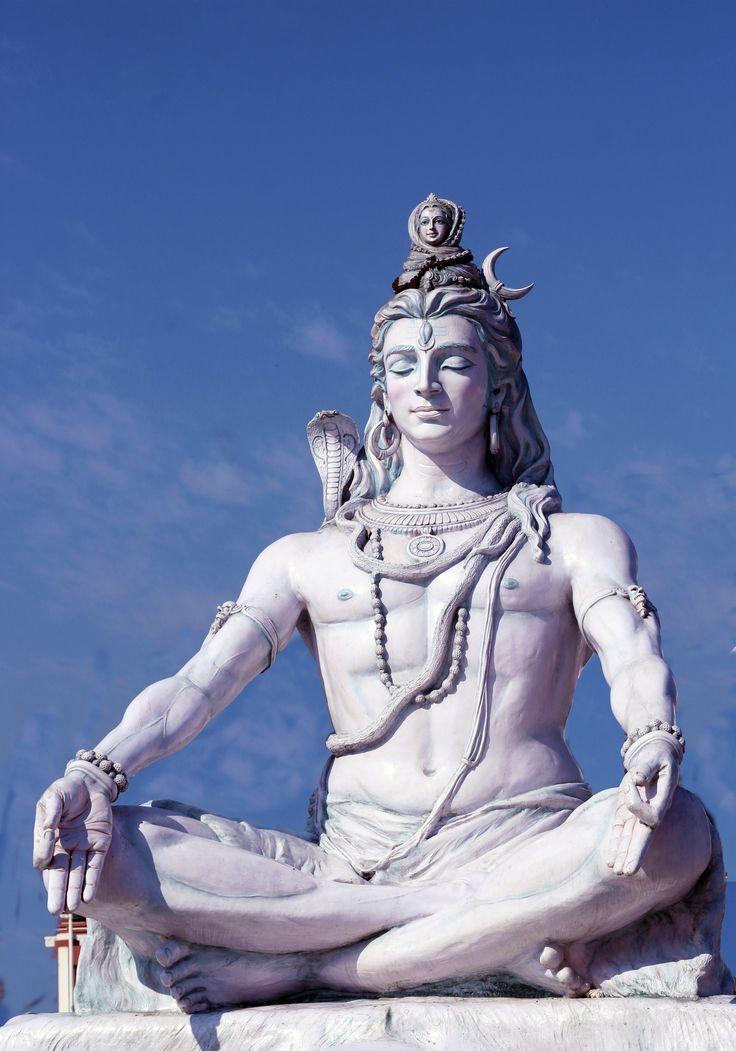
  • Worship Lord Shiva & Goddess Durga
  • Chant Rahu mantra: “ॐ भ्रां भ्रीं भ्रौं सः राहवे नमः”
  • Donate black sesame, blankets
  • Feed stray dogs
  • Practice meditation & grounding

Rahu is calmed by discipline, honesty, and humility

Scientific Perspective — Rahu Deva & Eclipses

Scientifically, Rahu represents the north lunar node
the intersection where the Moon’s orbit crosses the Sun’s path.

Eclipses occur when:

  • Rahu aligns with Sun or Moon

This ancient concept matches modern astronomy —
proving the depth of Vedic wisdom.

Rahu = points of karmic evolution.

Spiritual Meaning of Rahu Deva
Rahu Deva

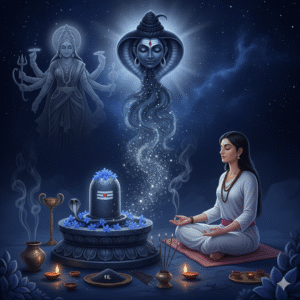
Spiritually, Rahu represents:

  • Ego dissolution
  • Breaking false identity
  • Awakening through confusion
  • Liberation after obsession

Rahu pushes souls into darkness so they may seek light.

When mastered, Rahu gives:

Fearlessness
Enlightenment
Detachment
Moksha readiness

Modern Lessons from Rahu Deva

In today’s world, Rahu rules:

  • Social media
  • Fame culture
  • Artificial intelligence
  • Virtual reality
  • Mass psychology
  • Viral success

Rahu teaches:

Desire without awareness = destruction
Obsession with awareness = transformation

20 FAQs About Rahu Deva

  1. Who is Rahu?
    Shadow planet born from Svarbhanu’s head.
  2. Is Rahu a demon?
    No — a karmic force.
  3. Why does Rahu cause eclipses?
    Symbol of illusion over truth.
  4. Is Rahu always negative?
    No — he gives massive success if controlled.
  5. Which day is Rahu’s?
    Saturday.
  6. What color is Rahu?
    Smoky black, blue.
  7. Which deity controls Rahu?
    Lord Shiva.
  8. What gemstone is for Rahu?
    Hessonite (Gomed).
  9. Does Rahu give foreign travel?
    Yes.
  10. Does Rahu affect mental health?
    Yes, if afflicted.
  11. Can Rahu give fame?
    Very strongly.
  12. Is Rahu spiritual?
    Yes, after material exhaustion.
  13. Which chakra is Rahu linked to?
    Ajna (Third Eye).
  14. Does Rahu cause addiction?
    Yes, if uncontrolled.
  15. Can Rahu give moksha?
    Indirectly.
  16. Rahu vs Ketu?
    Desire vs detachment.
  17. Is Rahu a malefic?
    Conditionally.
  18. How to control Rahu?
    Discipline, truth, meditation.
  19. Does Rahu affect marriage?
    Yes, creates unusual bonds.
  20. Rahu’s final lesson?
    Illusion breaks to reveal truth.

Conclusion — Rahu Deva

Rahu is not your enemy.
He is the mirror that shows your deepest attachments.

If you chase illusion — Rahu traps you.
If you observe illusion — Rahu liberates you.

Rahu transforms chaos into consciousness.

May Rahu Deva guide you from darkness to awareness.

  • Admin

    Hi, I’m Raja Ratnam. Based in Hydrabad, Telangana, I’m a content creator and strategist with a passion for Indian history, Hindu festivals and WordPress website design. Over the past X years I’ve developed high-impact GK quiz content in Telugu, written devotional blog posts in both English and Telugu (covering puja vidhanams, vrat kathas and festival traditions), and built easy-to-use Elementor/WordPress templates for service-oriented businesses. I started this blog, Ratnam Strategy, because as a student I often struggled to find quality study material in my preferred language. At the same time, I felt there was a gap in how festival guides were shared online — so I decided to document detailed gaudy-free posts anyone can follow. With a background in website development, I also wanted to share templates and tips for small businesses who need a professional online presence without the hassle. On this site you’ll find: Full-length GK quiz packs in Telugu — especially focused on Indian history and competitive exam prep. Devotional blogs in English (and sometimes Telugu) about major Hindu festivals, complete with puja steps, vrat stories and celebration ideas. Ready-to-use Elementor/WordPress templates for service websites — including my own trailering service niche. If you’re prepping for exams, exploring festival rituals or building a website for your service business — you’re in the right place. Feel free to browse my latest posts and templates, or get in touch at ratnampasalapudi@gmail.com / 7892211516 for custom help. When I’m not writing quizzes or building templates, I love visiting historic sites around Secunderabad and experimenting with new design tools. Let’s make strategy simple, meaningful and fun!

    Related Posts

    Navagrahas — Soul’s Journey is guided by the Cosmic Teacher

    About the Author Raja Ratnam is a passionate researcher and writer specializing in Indian mythology and epic stories.With years of experience studying texts like Ramayana, Mahabharata,Navagrahas, Ketu Deva and other cultural scriptures,he brings insightful interpretations and practical lessons from these timeless stories. Raja Ratnam believes in making mythology accessible and meaningful for modern readers,helping them understand the moral, ethical, and cultural significance behind characters likeRama, Laxman, Shani Deva, and many more. Connect with the author: info@ratnamstrategy.com Introduction — More Than Planets, Eternal Teachers The Navagrahas are often misunderstood as mere planets that influence fate.In truth, they are cosmic teachers — divine forces that guide the soul through karma, experience, growth, and liberation. The purpose of each Graha is not to punish, but to teach.Transits are not accidents, but lessons timed by the universe. Together, the Navagrahas form a complete spiritual syllabus for human life —from birth and identity to desire, duty, wisdom, and finally moksha. Surya — Awakening the Soul (Atman) The source of life and consciousness is Surya Deva.He teaches: Surya awakens the Atman, reminding us to stand in our truth and shine without fear. Without Surya, there is no life.Without self-awareness, there is no growth. Chandra — Mastering the Mind…

    Ketu Deva — The Planet of Moksha, Detachment, and Spiritual Awakening

    About the Author Raja Ratnam is a passionate researcher and writer specializing in Indian mythology and epic stories.With years of experience studying texts like Ramayana, Mahabharata, Navagraha’s Ketu Deva and other cultural scriptures,he brings insightful interpretations and practical lessons from these timeless stories. Raja Ratnam believes in making mythology accessible and meaningful for modern readers,helping them understand the moral, ethical, and cultural significance behind characters likeRama, Laxman, Shani Deva, and many more. Connect with the author: info@ratnamstrategy.com Introduction — The Silent Force of Liberation Among the Navagrahas, Ketu is the most silent, mysterious, and spiritually potent graha.He does not create noise, fame, or desire — instead, he cuts attachments, dissolves ego, and pushes the soul toward liberation (Moksha). If Rahu binds the soul to illusion and desire,Ketu frees the soul through detachment and realization. Ketu represents: Ketu does not give pleasure —he gives truth. Mythological Origin of Ketu Deva The origin of Ketu is inseparable from Rahu and the great event of Samudra Manthan. When the Asura Svarbhanu disguised himself and drank Amrita,Lord Vishnu severed his body with the Sudarshana Chakra. Unlike Rahu, who retained desire and hunger,Ketu was left without a head — symbolizing ego-less existence. Thus, Ketu became: Scriptures describe…

    Leave a Reply

    Your email address will not be published. Required fields are marked *

    You Missed

    A Model of Ethical Governance: Rama Rajya Explained

    • By Admin
    • January 13, 2026
    • 72 views
    A Model of Ethical Governance: Rama Rajya Explained

    Makar Sankranti: Significance, Traditions, Rituals, and Celebrations Across India

    • By Admin
    • January 9, 2026
    • 148 views
    Makar Sankranti: Significance, Traditions, Rituals, and Celebrations Across India

    In the Mahabharata, Vidura is seen as the wisest man and the voice of Dharma for all time

    • By Admin
    • January 8, 2026
    • 147 views
    In the Mahabharata, Vidura is seen as the wisest man and the voice of Dharma for all time

    Satyavati in Mahabharatam – The Woman Who Shaped Destiny

    • By Admin
    • January 6, 2026
    • 172 views
    Satyavati  in Mahabharatam – The Woman Who Shaped Destiny

    Goddess Ganga in Mahabharatam: Divine Mother, Sacred River & Symbol of Liberation

    • By Admin
    • January 5, 2026
    • 165 views
    Goddess Ganga in Mahabharatam: Divine Mother, Sacred River & Symbol of Liberation

    King Shantanu in the Mahabharata: Life, Love, Dharma, and Legacy

    • By Admin
    • January 4, 2026
    • 115 views
    King Shantanu in the Mahabharata: Life, Love, Dharma, and Legacy
    Translate »