Admin
Admin
About the Author
Raja Ratnam is a passionate researcher and writer specializing in Indian mythology and epic stories.
With years of experience studying texts like Ramayana, Mahabharata,In the Mahabharata, Makar Sankranti , Festivals ,King Shantanu , Goddess Ganga ,Navagrahas, Ketu Deva and other cultural scriptures,
he brings insightful interpretations and practical lessons from these timeless stories.
Raja Ratnam believes in making mythology accessible and meaningful for modern readers,
helping them understand the moral, ethical, and cultural significance behind characters like Rama, Laxman, Shani Deva, and many more.
Connect with the author: info@ratnamstrategy.com
Introduction of Makar Sankranti
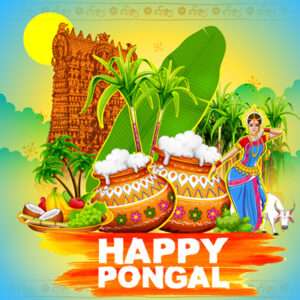
Sankranti is one of India’s most auspicious and widely celebrated festivals, deeply rooted in astronomy, agriculture, and spirituality. Observed every year in mid-January, this harvest festival marks the Sun’s transition into the zodiac sign Capricorn (Makara), symbolising a shift toward positivity, growth, and renewal. Unlike many Indian festivals that follow the lunar calendar, Makar Sankranti is governed by the solar cycle, making its date relatively fixed—usually January 14 or 15.
Across the country, Makar Sankranti is celebrated with immense joy under different regional names and customs. At its heart, the festival expresses gratitude to nature, honours farmers and the harvest, and welcomes longer, brighter days.
Astronomical & Spiritual Significance of Makar Sankranti
On Makar Sankranti, the Sun begins its northward journey, Uttarayan.In Hindu philosophy, Uttarayan is considered highly auspicious and spiritually elevating. It is believed that deeds performed during this period yield positive outcomes and spiritual merit.
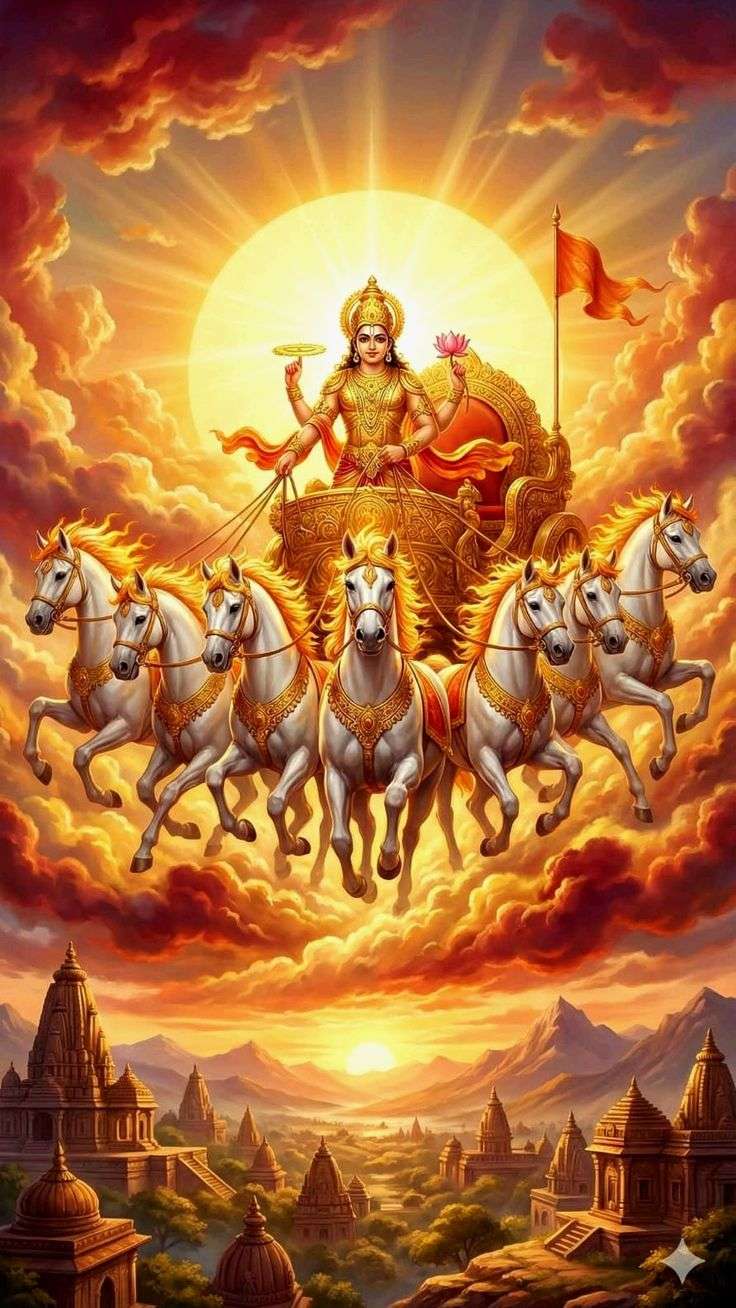
Ancient scriptures describe the Sun as the visible form of the divine—an eternal source of life and energy. Worshipping the Sun on Sankranti symbolises enlightenment, discipline, and inner strength. This transition also signifies the gradual end of winter and the arrival of a season filled with warmth and hope.
Agricultural Importance: A Festival of Harvest
India is an agrarian country, and Makar Sankranti is closely tied to farming cycles. By mid-January, farmers across many regions complete their main harvest. The festival is a moment of thanksgiving—to the Earth, the Sun, the rains, and the cattle that support agriculture.
Grains, sugarcane, sesame seeds, and jaggery become central elements of celebrations. Sharing food made from freshly harvested crops reflects abundance, unity, and generosity.
Regional Celebrations of Sankranti in India
Andhra Pradesh & Telangana
Sankranti is celebrated over three days:
- Bhogi – Old belongings are discarded, and bonfires are lit to symbolise renewal.
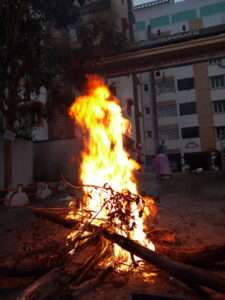
- Makara Sankranti – The main festival day marked by rangoli (muggulu), prayers, and family gatherings.
- Kanuma – Dedicated to cattle, acknowledging their role in farming.
Tamil Nadu – Pongal
In Tamil Nadu, Sankranti is celebrated as Pongal, a four-day festival:
- Bhogi Pongal
- Thai Pongal
- Mattu Pongal (honouring cattle)
- Kaanum Pongal
Homes are decorated with intricate kolams, and sweet Pongal is prepared as an offering to the Sun.
Karnataka
Known as Suggi or Makara Sankranti, people exchange ellu-bella (sesame seeds, jaggery, peanuts, and coconut), symbolising harmony and sweetness in relationships.
Punjab & North India – Lohri
Celebrated a day before Sankranti, Lohri marks the end of winter. Bonfires, folk songs, and dances like Bhangra and Gidda dominate the festivities.
Gujarat & Rajasthan – Uttarayan
Sankranti is synonymous with kite flying. Skies fill with colourful kites, and communities celebrate with enthusiasm, food, and music.
Rituals and Customs
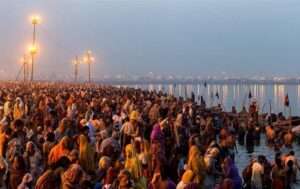
Common rituals observed :
- Holy baths in rivers like the Ganga, Godavari, and Krishna
- Charity (daan)—donating food, clothes, and essentials
- Sun worship (Surya Aradhana)
- Preparing and sharing traditional foods
- Visiting temples and seeking blessings
These practices reinforce values of purity, gratitude, and compassion.
Traditional Foods of Makar Sankranti
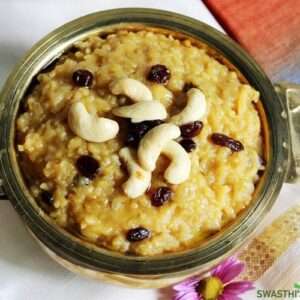
Food plays a central role in Sankranti celebrations. Most dishes use sesame seeds (til) and jaggery, believed to generate warmth and energy during winter.
Popular dishes include:
- Til ladoos and chikkis
- Sweet Pongal and Ven Pongal
- Ariselu (Andhra Pradesh)
- Sakkarai Pongal
- Khichdi (North India)
The symbolism is clear: sweetness in food represents sweetness in speech and relationships.
Cultural and Social Significance Of Makar Sankranti
Makar Sankranti transcends religion and region. It brings families together, strengthens community bonds, and preserves cultural heritage. Kite flying, folk dances, and traditional games encourage joy, unity, and celebration across generations.
In modern times, the festival also highlights sustainable living—respecting nature, seasonal eating, and gratitude for natural resources.
Makar Sankranti in Modern India
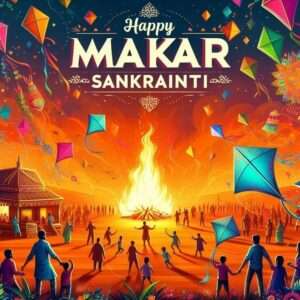
While traditions remain strong, Sankranti has evolved with time. Urban celebrations may include eco-friendly kites, digital greetings, and community events. Yet, the core message remains unchanged: gratitude, renewal, and hope.
For businesses and organisations, Sankranti is also an ideal occasion to share goodwill messages, festive campaigns, and culturally rooted communication.
Conclusion of Makar Sankranti
Makar Sankranti is far more than a harvest festival—it is a celebration of life’s rhythm, nature’s generosity, and humanity’s shared joy. As the Sun begins its auspicious northward journey, the festival inspires us to embrace positivity, let go of the past, and move forward with renewed energy.
Whether it is through prayers, food, charity, or flying kites, Sankranti reminds us to rise higher—just like the Sun itself.
Happy Makar Sankranti! 🌞🌾
20 FAQs on Makar Sankranti
1. What is Makar Sankranti?
Makar Sankranti is a major Indian harvest festival that marks the Sun’s transition into the zodiac sign Capricorn (Makara).
2. When is Makar Sankranti celebrated?
It is celebrated every year on January 14 or January 15, depending on the solar calendar.
3. Why is Makar Sankranti important?
The festival signifies the beginning of Uttarayan, the Sun’s northward journey, considered highly auspicious in Hindu tradition.
4. Is Makar Sankranti a solar or lunar festival?
Makar Sankranti is a solar festival, unlike most Hindu festivals that follow the lunar calendar.
5. What does “Makara” mean?
“Makara” refers to Capricorn, the zodiac sign the Sun enters on Sankranti.
6. What is Uttarayan?
Uttarayan is the six-month period when the Sun moves northward, symbolising light, growth, and positivity.
7. When and how is Makar Sankranti celebrated in Andhra Pradesh and Telangana?
It is celebrated for three days—Bhogi, Sankranti, and Kanuma—with rangoli, bonfires, prayers, and cattle worship.
8. What is Pongal?
Pongal is the name for Makar Sankranti celebrations in Tamil Nadu, marked by cooking rice and jaggery as an offering to the Sun.
9. Why are sesame seeds and jaggery used during Sankranti?
Sesame and jaggery generate warmth during winter and symbolise unity, health, and sweetness in relationships.
10. What is Bhogi?
Bhogi is the day before Sankranti when people discard old items and light bonfires to welcome new beginnings.
11. What is Kanuma?
Kanuma is dedicated to cattle, honouring their role in agriculture and rural life.
12. How does Makar Sankranti relate to kite flying?
Kite flying celebrates the Sun’s movement and helps people spend time outdoors, absorbing sunlight during winter.
13. How is Makar Sankranti celebrated in Gujarat?
In Gujarat, it is celebrated as Uttarayan, famous for large-scale kite-flying festivals.
14. What is Lohri?
Lohri is a harvest festival celebrated in Punjab a day before Makar Sankranti, marked by bonfires and folk dances.
15. What rituals are performed on Makar Sankranti?
Common rituals include holy baths, Sun worship, charity (daan), temple visits, and sharing festive food.
16. Why is charity important on Makar Sankranti?
Donating food, clothes, and essentials is believed to bring spiritual merit and prosperity.
17. Which God is worshipped on Makar Sankranti?
Surya (the Sun God) is worshipped as the source of life, energy, and knowledge.
18. What are popular Sankranti dishes?
Popular dishes include til ladoos, Pongal, Ariselu, chikkis, and khichdi.
19. What values does Makar Sankranti promote?
The festival promotes gratitude, renewal, harmony, generosity, and respect for nature.
20. Why is Makar Sankranti still relevant today?
It reminds people to live sustainably, value agriculture, and welcome positivity and growth in life.